

Nadav Kander: Light as the Subject, Not the Tool
He photographed the Yangtze River over five years and won the Prix Pictet. He photographed the Obama administration for the New York Times Magazine. His practice is about what light does to time. Author on a body of work the market has not yet caught up with.
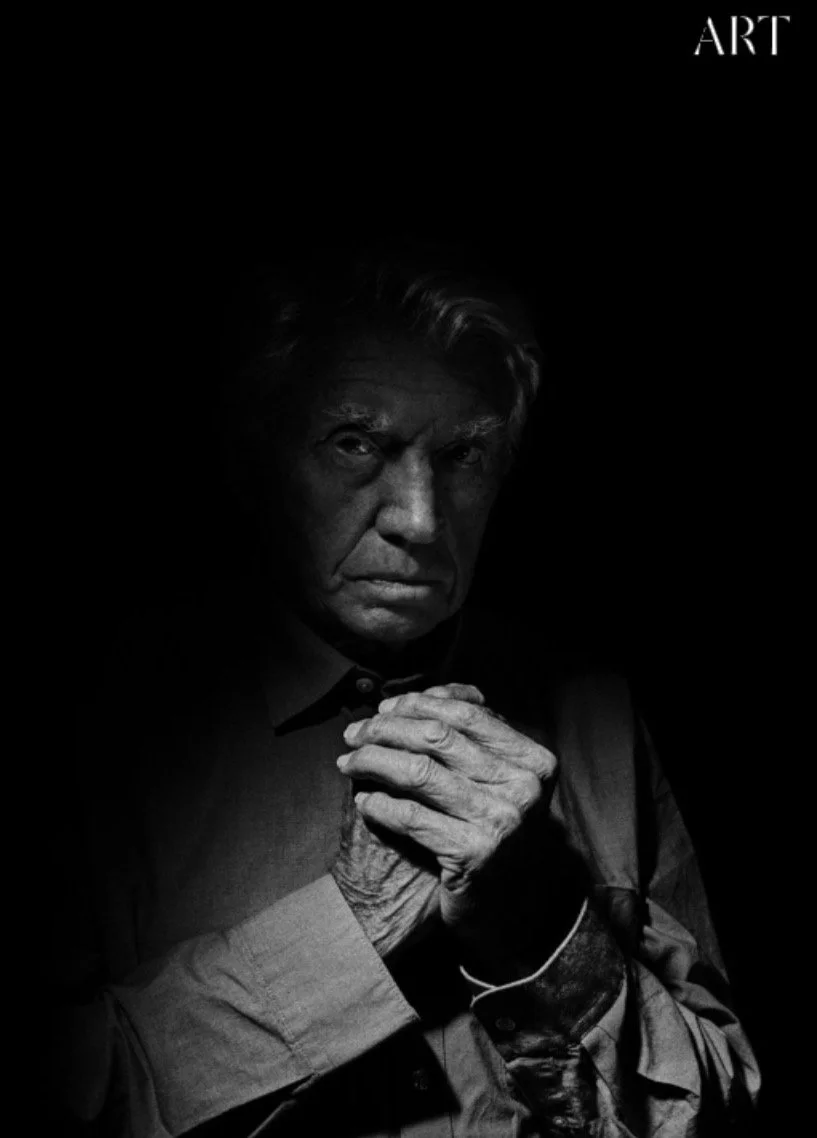
“The quality he brings to portraiture is the same quality he brings to landscape: the specific attention to the quality of light on a surface — whether a river at dusk or a human face in a grey London studio — as the primary carrier of meaning. The subject changes. The practice does not.”
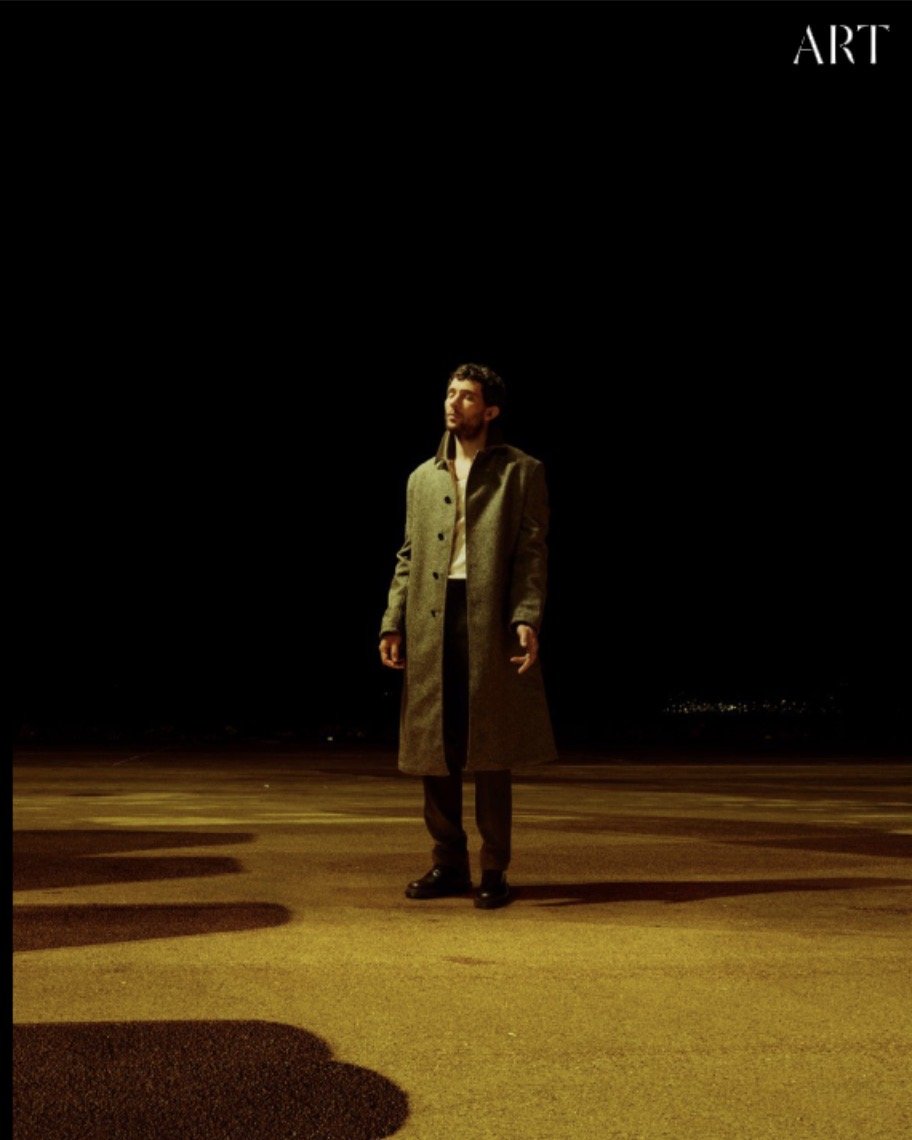
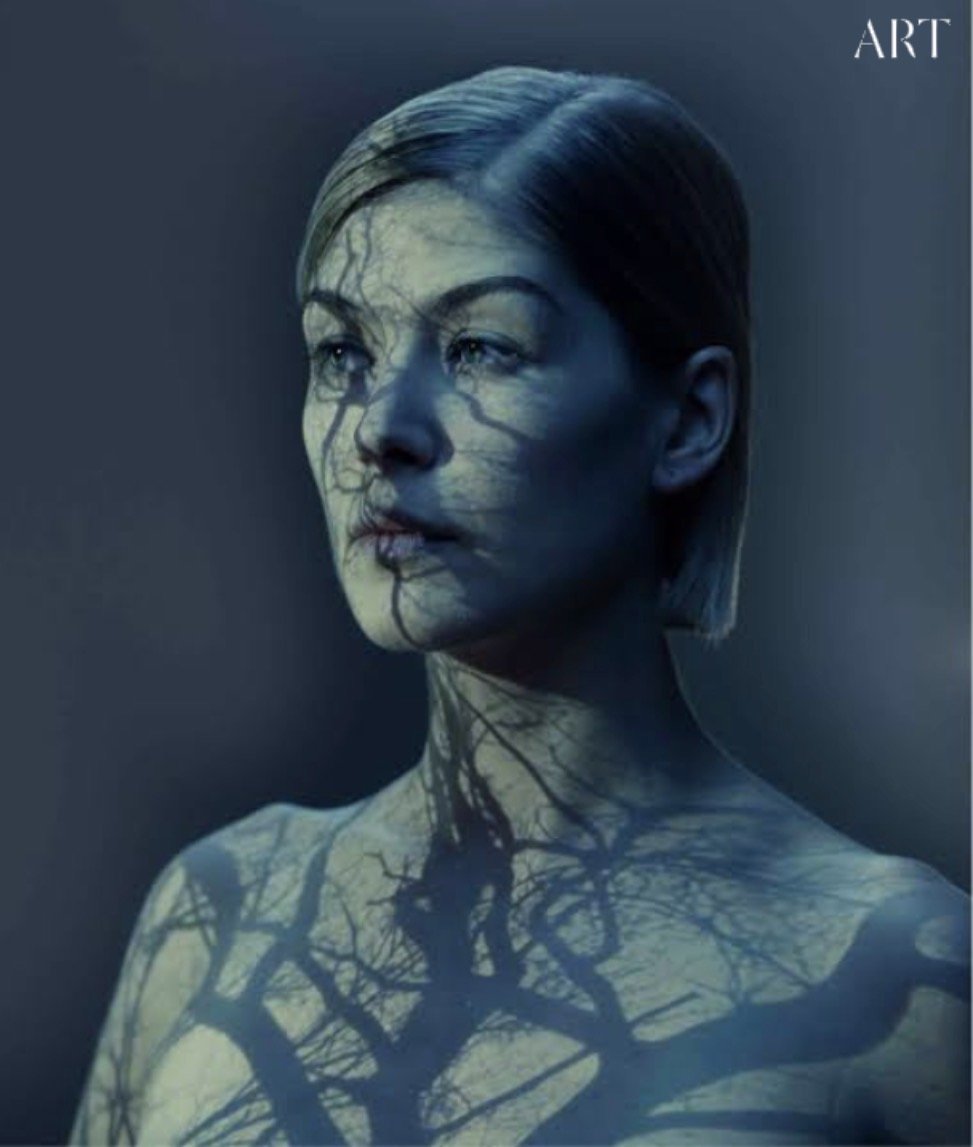
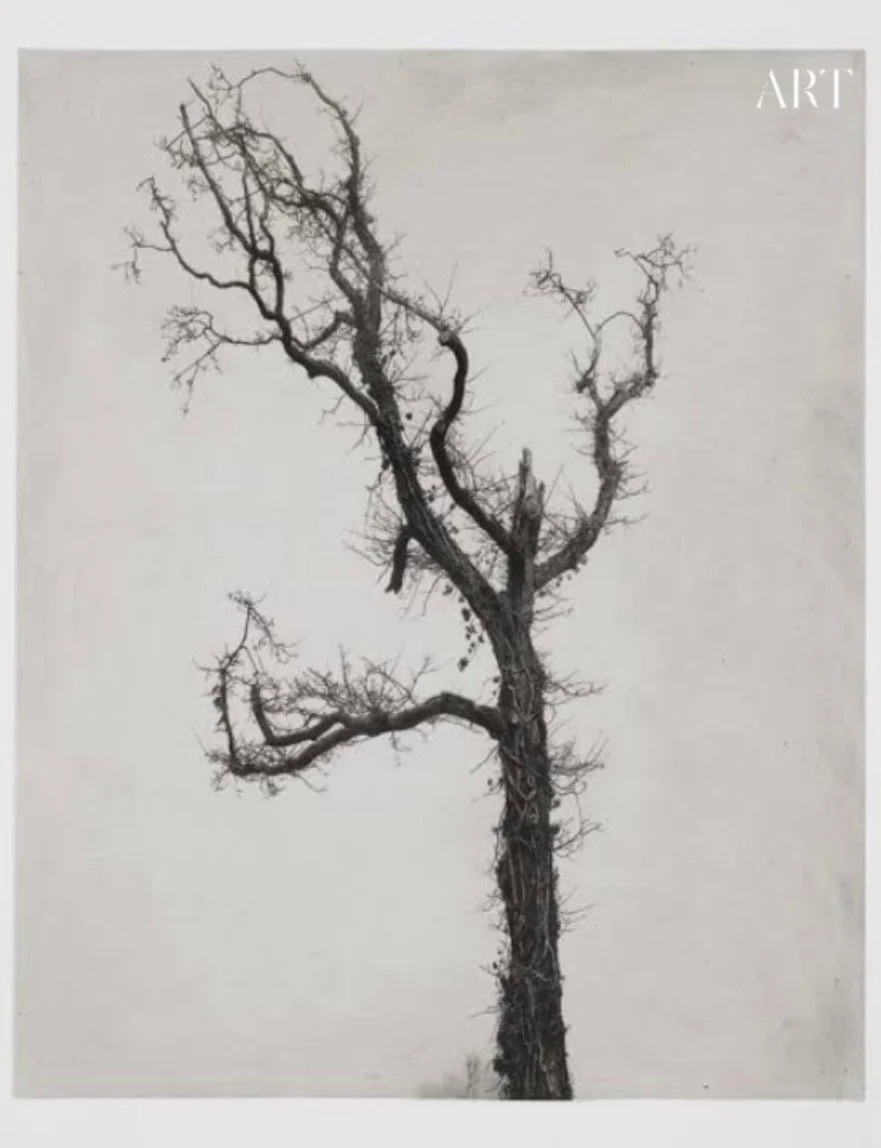
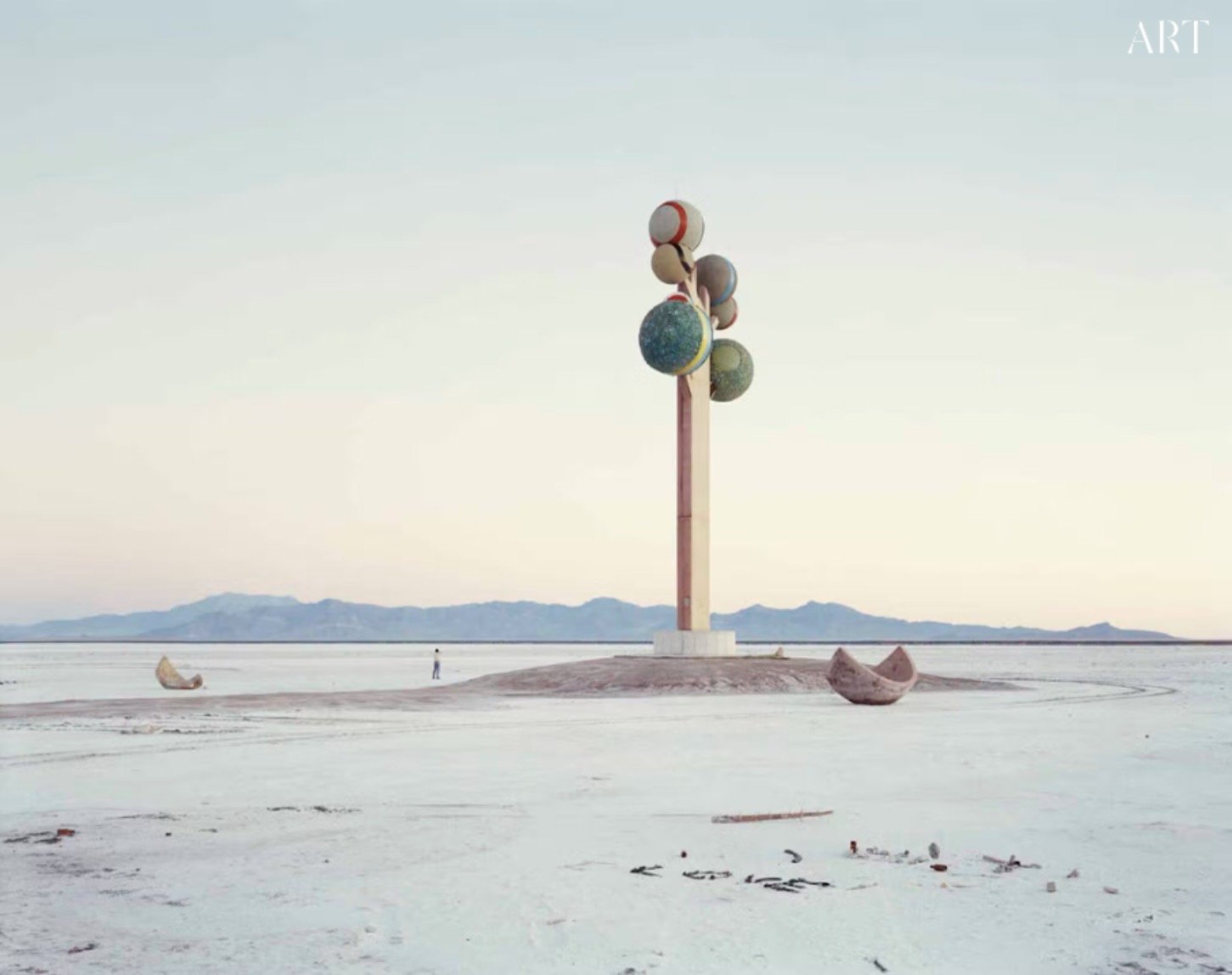
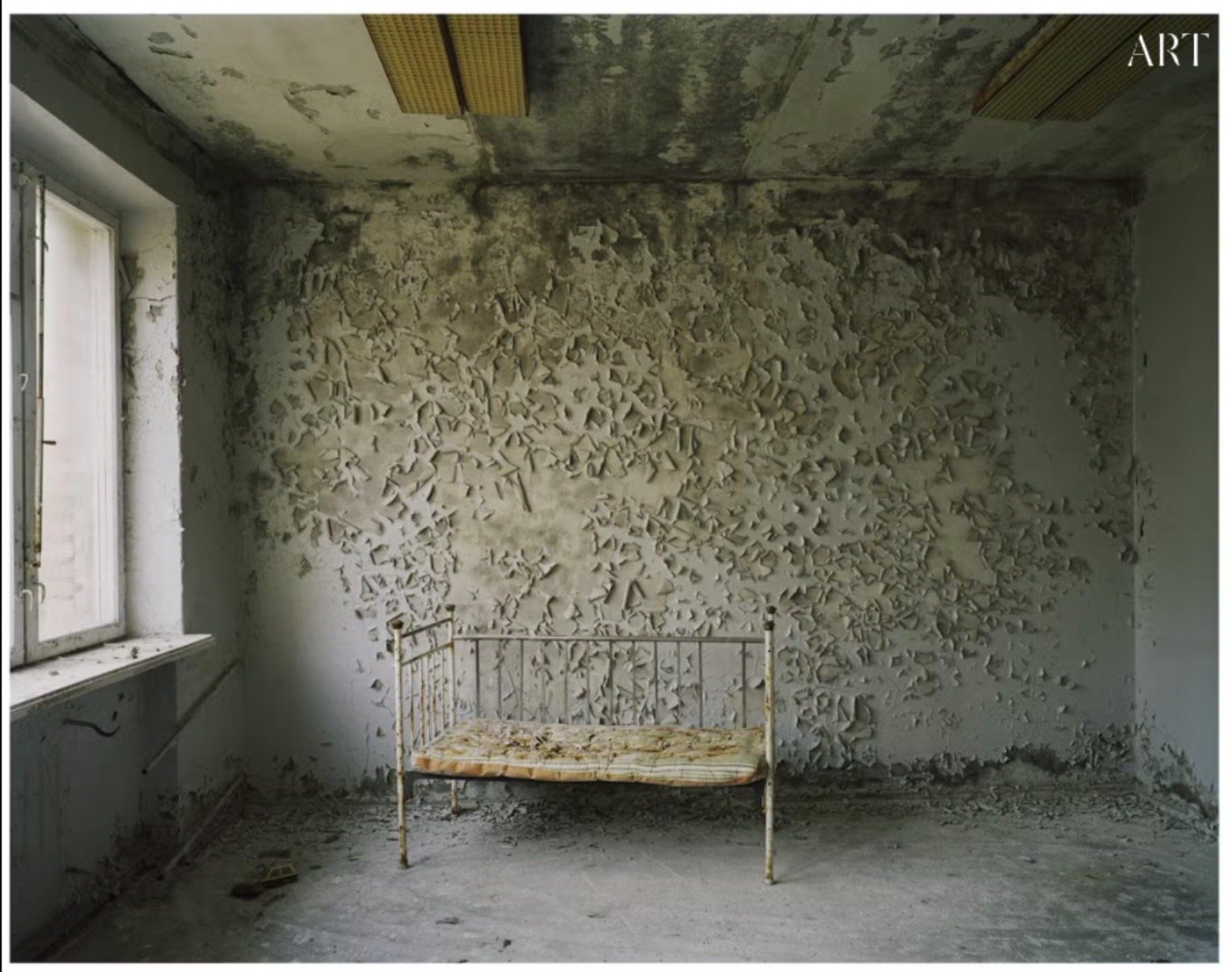
Nadav Kander makes photographs in which the light is not the technical condition that makes the photograph possible but the actual subject of the image. This distinction, which sounds formal and becomes experiential the moment you stand in front of a large-scale print, separates his work from the very large category of technically accomplished photography in which light serves composition but does not itself carry meaning.
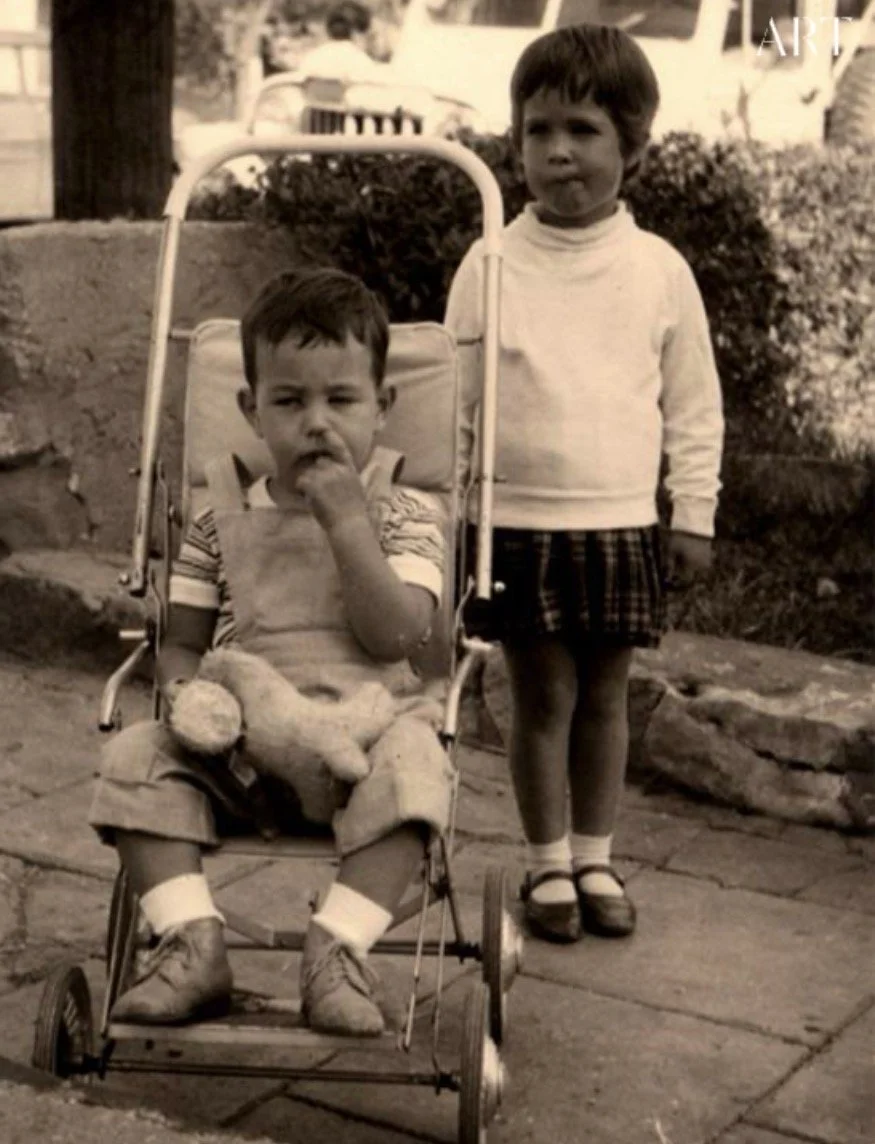
He was born in Tel Aviv in 1961 and grew up in South Africa before settling in London in the late 1980s. The biographical geography matters: the specific quality of South African light, which is harsher and more directional than European light, and its relationship to the landscape’s scale, is present in his eye even when he is photographing in China or the American South. The light he finds in any landscape has a relationship to the light he grew up in — not quotation but calibration.
The Yangtze — The Long River project, which produced his most internationally recognised body of work, involved five years of travel along the full length of the Yangtze River, photographing the landscape and the people living along it during China’s rapid industrialisation. The images — large-format, desaturated, shot at dusk and dawn when the river creates its own atmosphere — are simultaneously documentary and abstract. The people in them appear as figures in a landscape undergoing a transformation too large for individual human figures to register. They are witnesses rather than subjects.
The Prix Pictet — the most significant photography prize for the intersection of photography and environmental concern — was awarded to the Yangtze series in 2009. The prize confirmed an international critical consensus that had been building across the previous decade of his landscape practice.
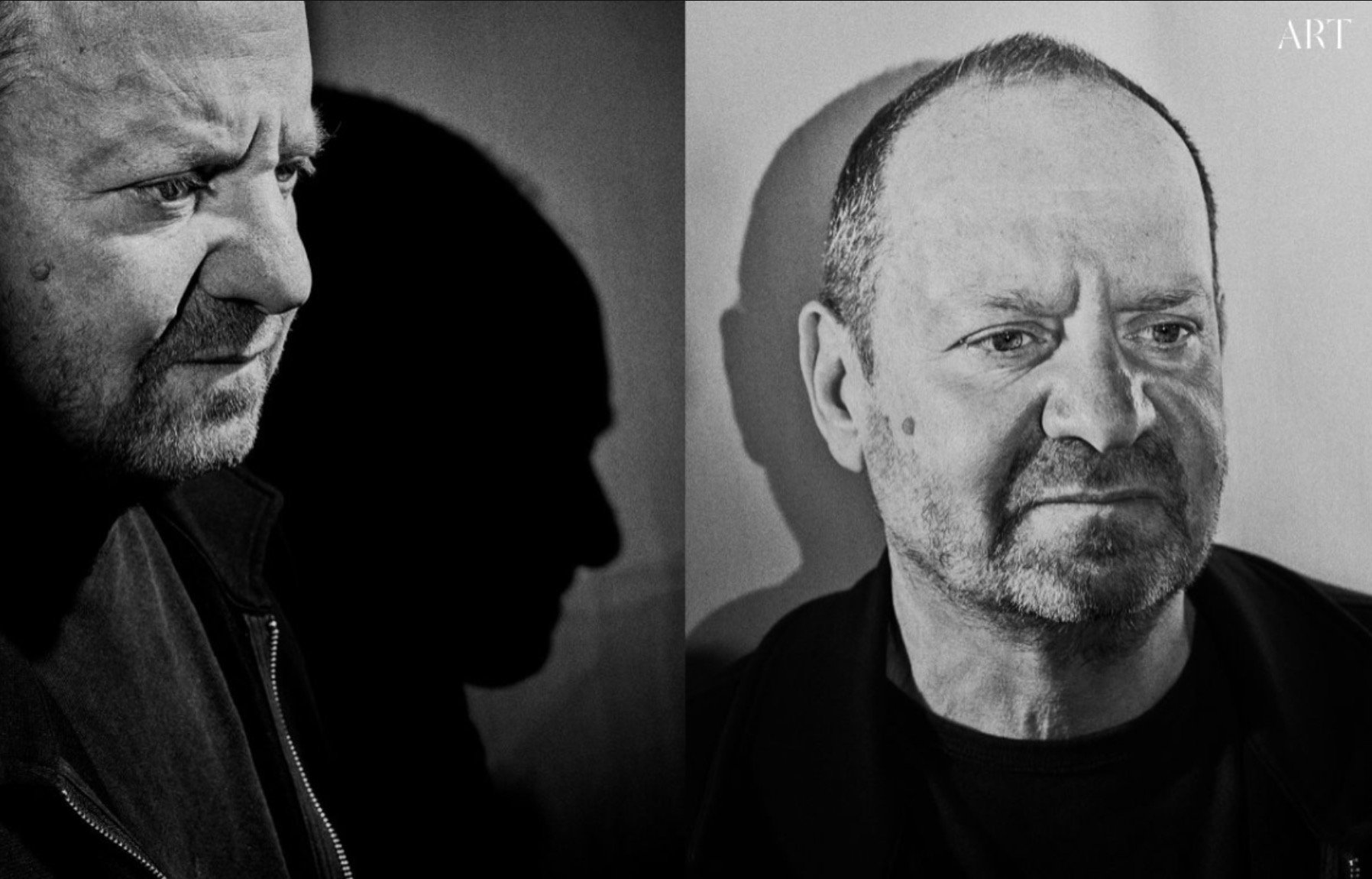
His portrait work — including the commission to photograph the Obama administration for the New York Times Magazine and the National Portrait Gallery commission for a series of portraits of British cultural figures — is formally continuous with the landscape work. The quality he brings to portraiture is the same quality he brings to landscape: the specific attention to the quality of light on a surface — whether a river at dusk or a human face in a grey London studio — as the primary carrier of meaning.
He is available for interview and editorial collaboration through his studio and Flowers Gallery. A pitch demonstrating familiarity with the Yangtze work and the relationship between his landscape and portrait practices will be received differently from a pitch demonstrating familiarity with his public reputation.
The secondary market for his work is at an early stage relative to the institutional recognition. The institutional collection presence — the National Portrait Gallery, the Victoria and Albert Museum, the Museum of Fine Arts Houston — suggests the market correction is approaching.
His most recent work — a series of photographs of the American South engaging with the landscape’s relationship to the history of slavery — has not yet had a major institutional presentation. When it does, the critical response will confirm what the practice has been demonstrating across three decades.
BY OONA CHANEL
