

Jeanne Moreau, Remembered by the People Who Watched Her Work
She died in 2017. She is, in 2026, more present in the culture than at any point since her peak. A reassessment — and a portrait drawn from the people who knew her work most intimately.
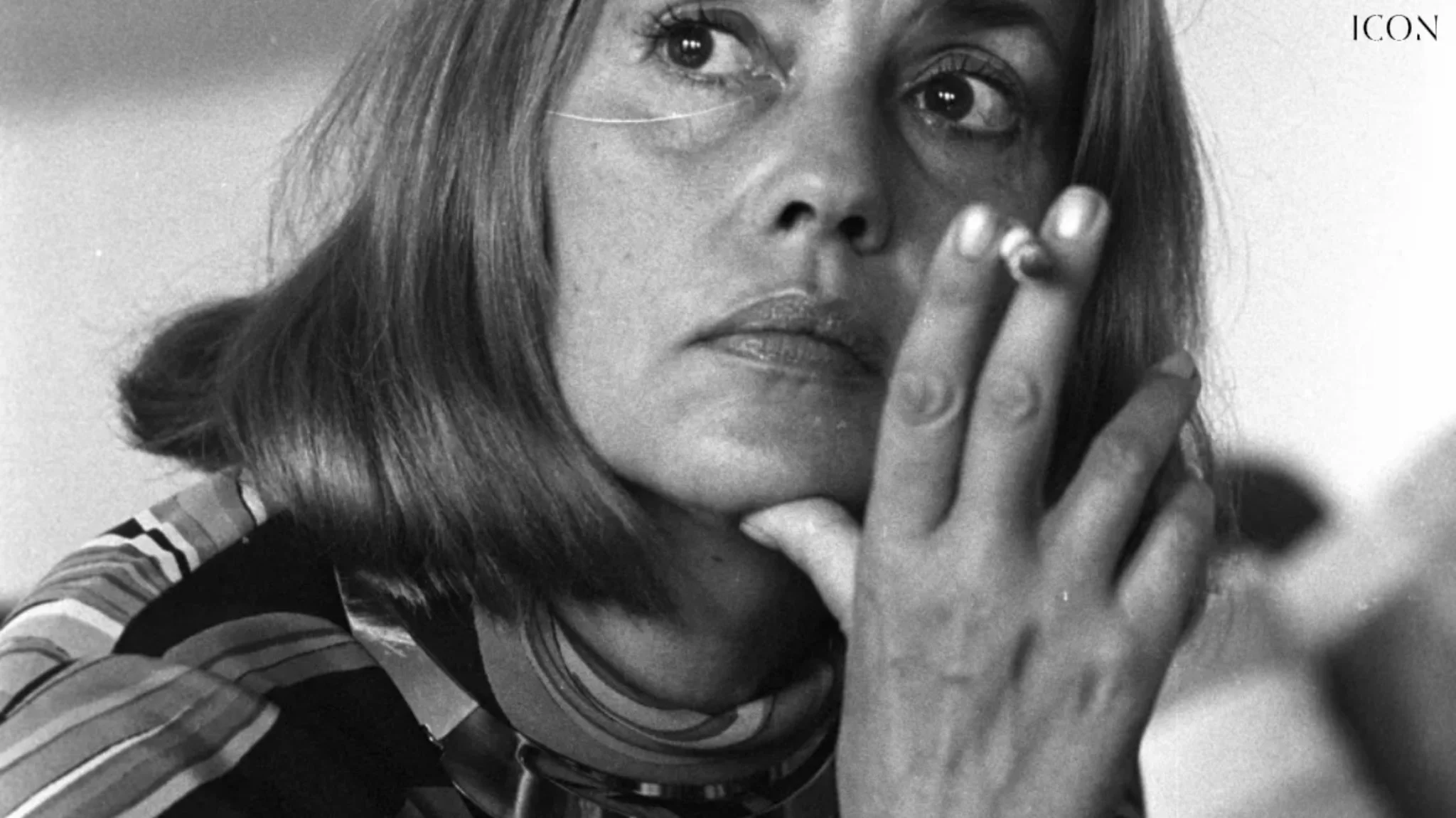
Jeanne Moreau
“I need a light that has given up trying to be beautiful. Truffaut used those exact words in his notes. I thought about that for thirty years.”
She never repeated herself. This is the first thing that everyone says who worked with her: the directors, the cinematographers, the editors who spent months in cutting rooms with her face. She was never, from one take to the next, doing the same thing. Not because she was unpredictable or undisciplined — she was meticulous, technically — but because she believed, as a fundamental principle, that a character is not a fixed thing and that the camera's task is to catch the moment of its becoming, not the static fact of its existence.
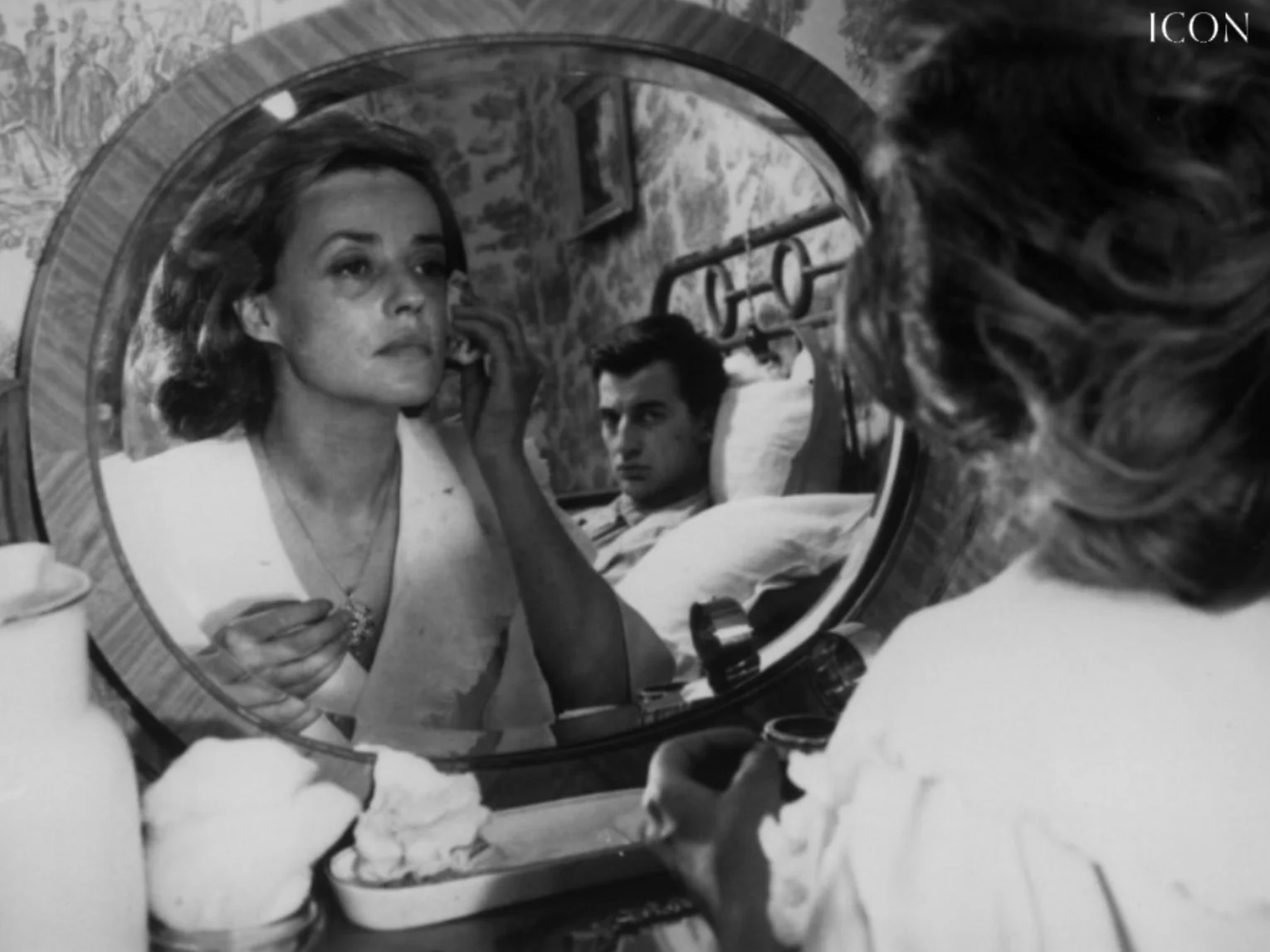
Jules et Jim era imagery (Truffaut)
Jeanne Moreau died on July 31, 2017, in Paris, at the age of eighty-nine. She had been working until very close to the end. She had been, for sixty-five years, the most important actress in French cinema — and by reasonable extension, one of the most important actresses in the history of cinema, full stop. The assessment is not controversial among people who have looked carefully at the work. The assessment is simply, somehow, not as widely held as it should be.
This is changing. A convergence of forces — the Cinémathèque Française retrospective that opened in Paris last autumn and transferred to London and New York; the arrival of streaming access to the complete filmography; and a generational rediscovery by critics and cinephiles who came to her through Malle or Truffaut and went further and kept finding things — has produced, in 2026, a Moreau moment. The kind of posthumous recognition that should have been current all along but arrived, as these things often do, late and all at once.
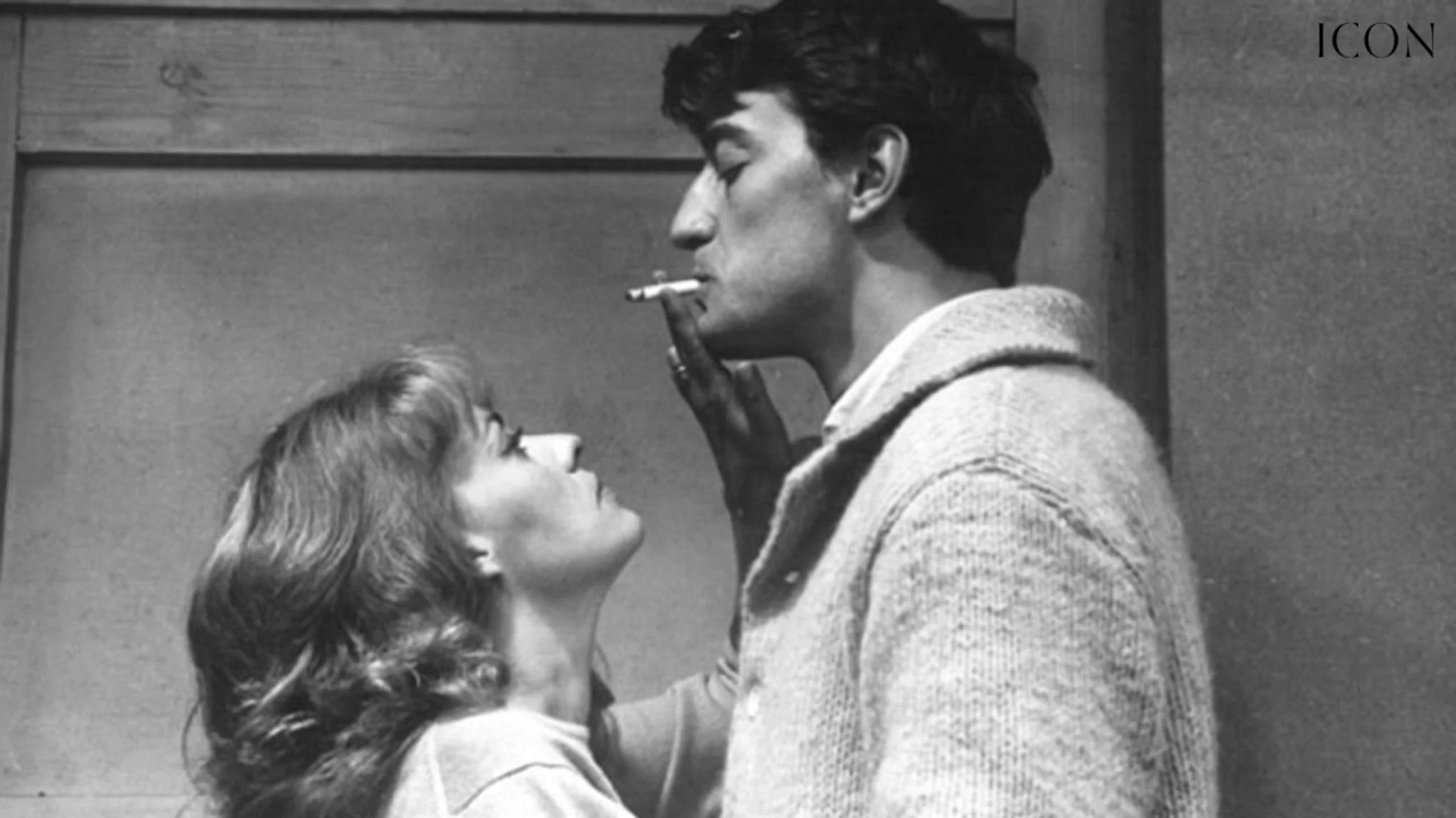
Jules et Jim era imagery (Truffaut)
We spoke with four people who knew her work from the inside: Bertrand Tavernier, the director, who worked with her in the 1970s and has given us access to his notes from that period; Agnès Troublé, the fashion designer known as agnès b., who designed costumes for several of her later films and remained a close friend; a critic at Cahiers du Cinéma who has spent three years writing the definitive critical reassessment of her work; and a cinematographer, now in his eighties, who shot two films with her in the 1960s and speaks about working with her with the reverence of someone describing an unrepeatable natural phenomenon.
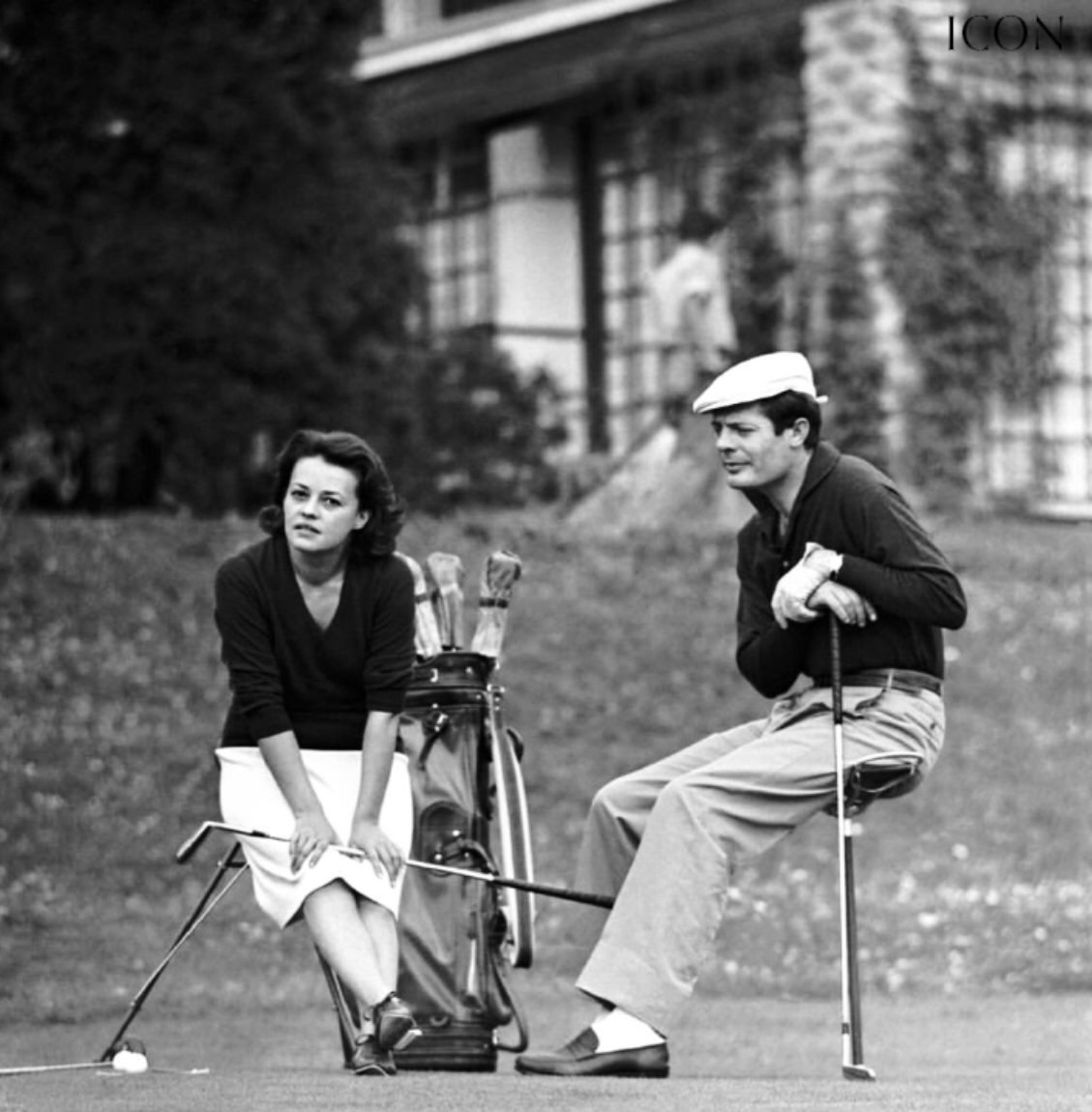
Antonioni-era stills (La Notte)
The cinematographer: "She understood light the way a painter does. Not technically — she was not interested in the technical. But emotionally. She knew what kind of light she needed to be able to feel what the character was feeling. On Jules et Jim, when Truffaut was shooting her running along the bridge — the most famous shot in the film — she asked him for a particular quality of afternoon light, very flat, very honest. She said: 'I need a light that has given up trying to be beautiful.' Truffaut used those exact words in his notes. The light that has given up trying to be beautiful. I thought about that for thirty years."
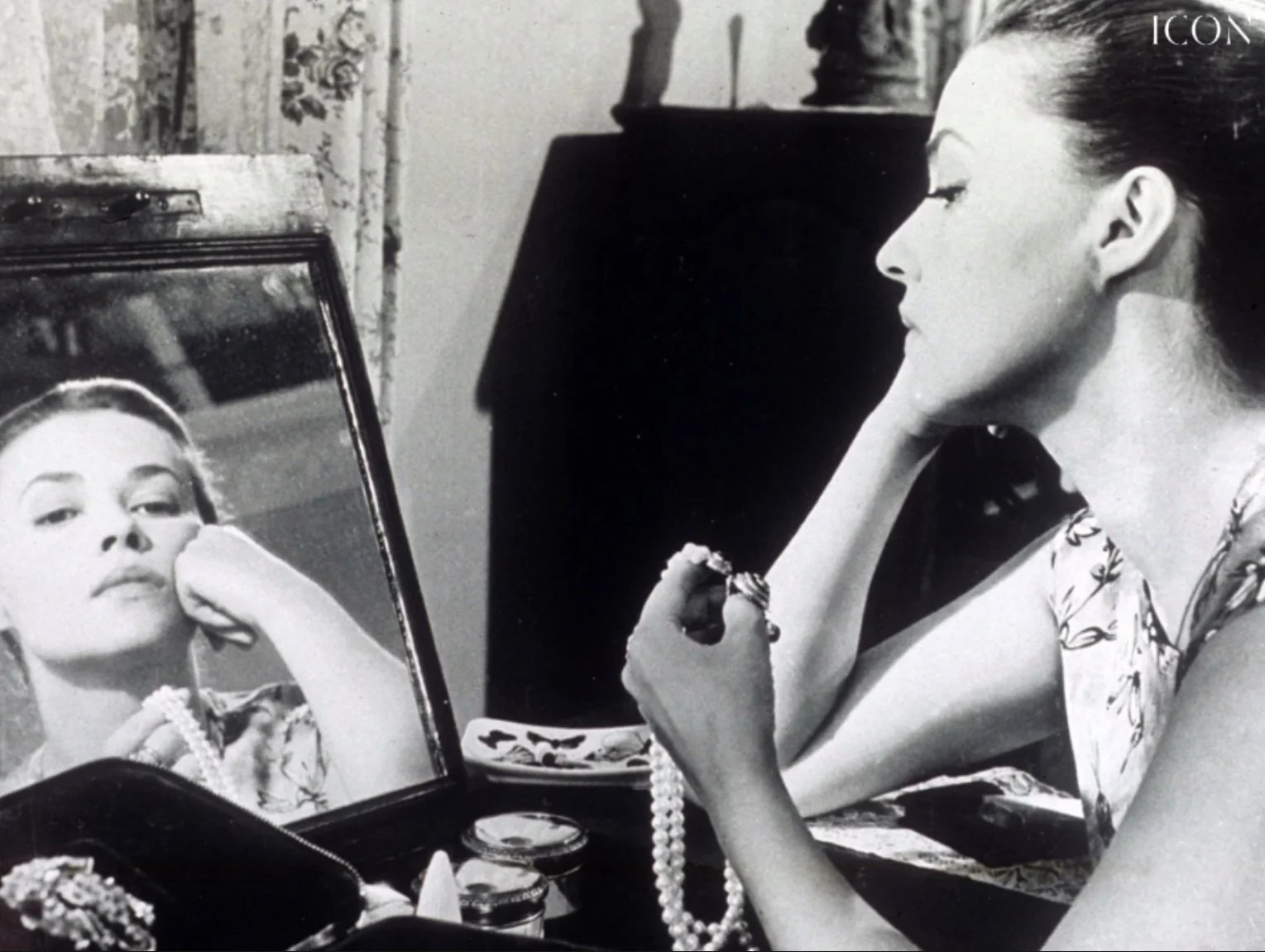
Antonioni-era stills (La Notte)
Agnès Troublé, on designing for her: "She wore clothes as if she had found them. Not in the careless sense — she was extremely specific about what she wore, extremely engaged in the conversations about the costumes. But the result was always of total appropriation. The clothes became her clothes. The character's clothes. The distinction between Jeanne Moreau and the woman she was playing was always, when she was working, almost entirely invisible."
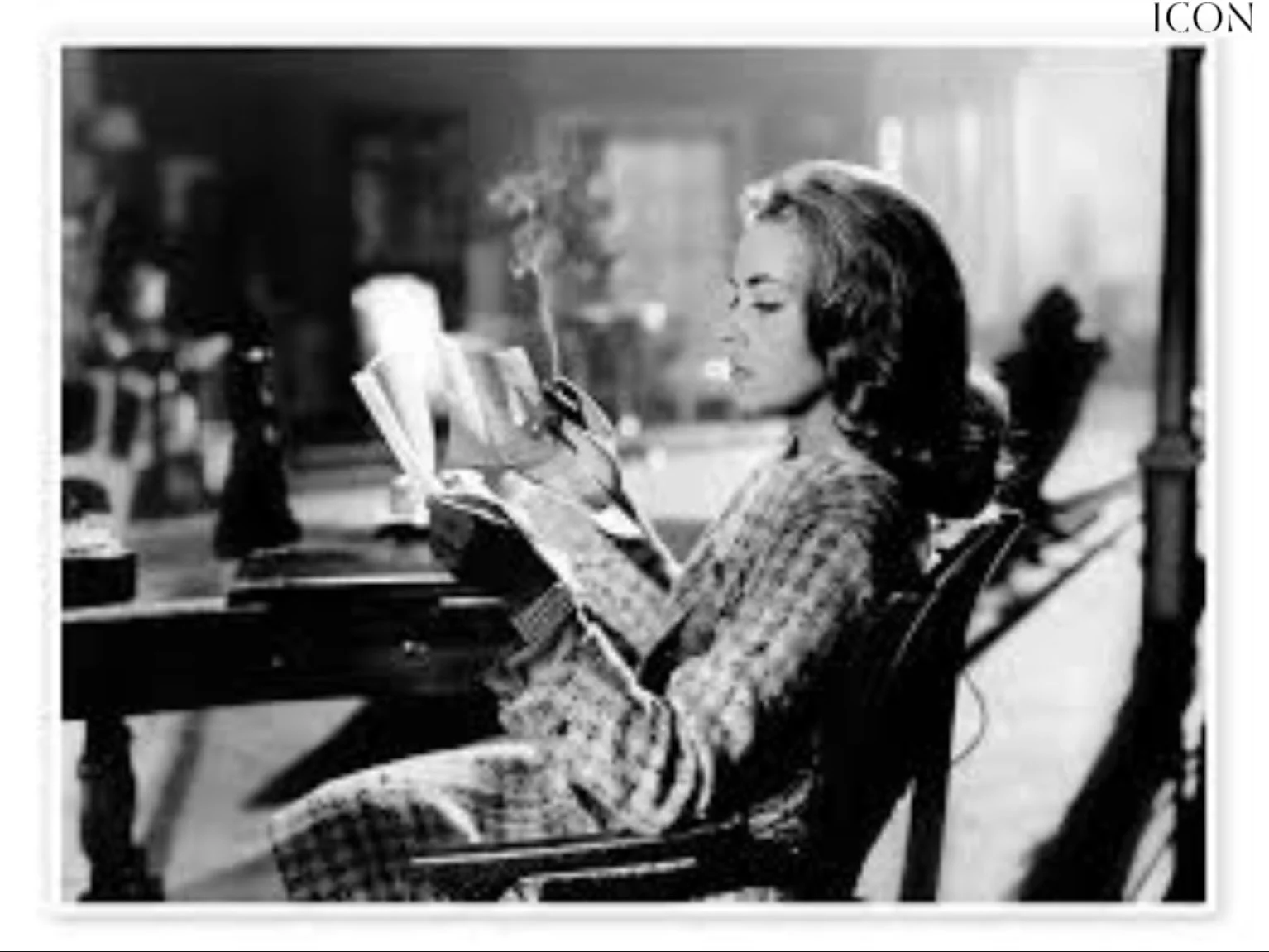
The Cahiers critic, who spent three years on the reassessment: "What is missed, in the conventional account of her, is the comedy. She is remembered for the existential films — Jules et Jim, The Fire Within, La Notte with Antonioni. But she was extraordinarily funny. The comedy operates through the same intelligence as everything else she did: the exact observation of how people behave when they believe no one is watching, translated through a body and a face that could tell the truth and the lie simultaneously. It is the rarest thing in acting. She made it look like breathing."
And Tavernier, from his notes, written the day after one of their last conversations, three years before her death: "She said that she was not afraid of the end, because she had already been in so many ends — in the sense that every film is the end of a life, the life of the character, and she had inhabited so many deaths. She said: 'I have already been many people when they stopped. I know what it is.'"
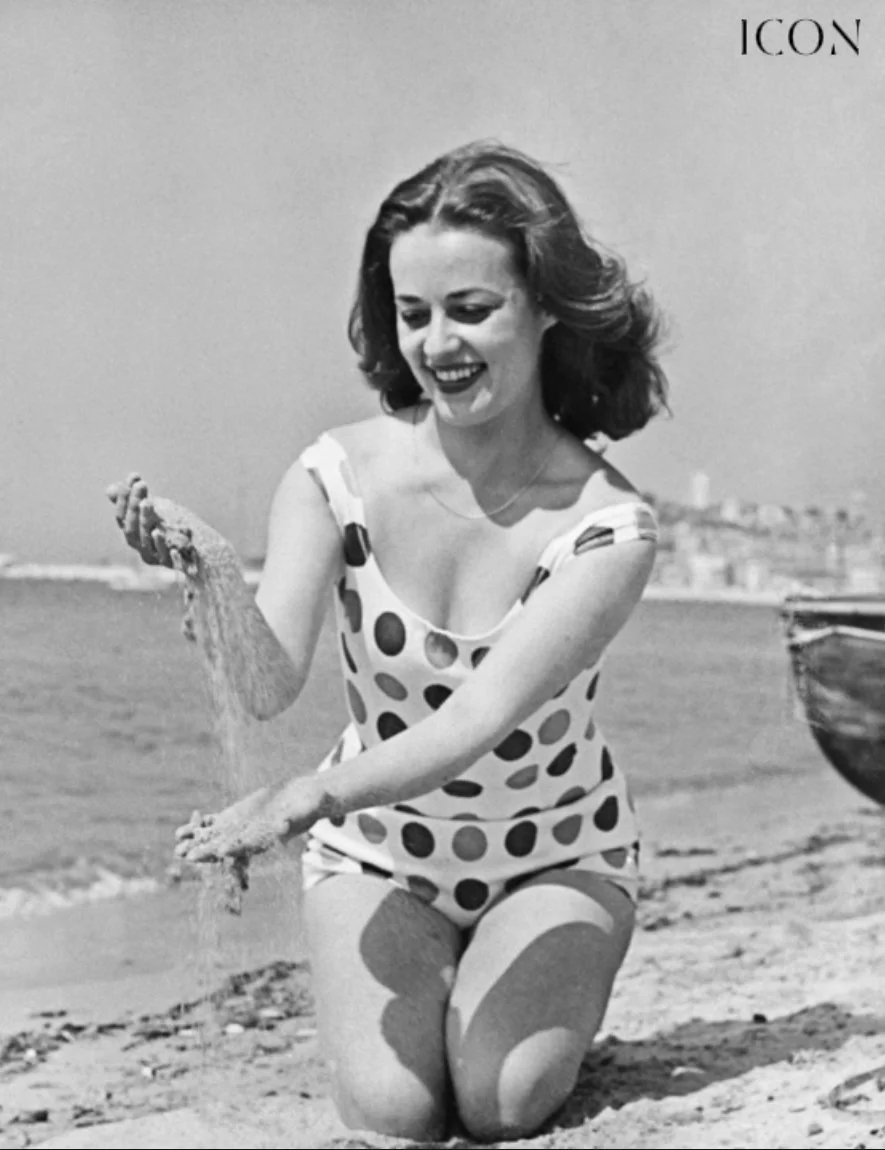
What the reassessment confirms, if confirmation were needed, is that the best actors — the ones at Moreau's level — are not performing. They are discovering. Each take is an act of genuine inquiry: not the execution of a pre-formed conception but the investigation of a question about how a human being behaves in extremity. The answer, for Moreau, was always more complex, more contradictory, and more true than anyone expected.
She is more present now than she was five years ago. She will be more present in ten years than now. The work does not diminish. It accumulates authority. This is what happens to the work of people who were always telling the truth.
BY OONA CHANEL
