

She was the undisputed Queen of New York's 1980s underground. She has been, in the decades since, every other thing she wanted to be. At 65, the party is still happening.
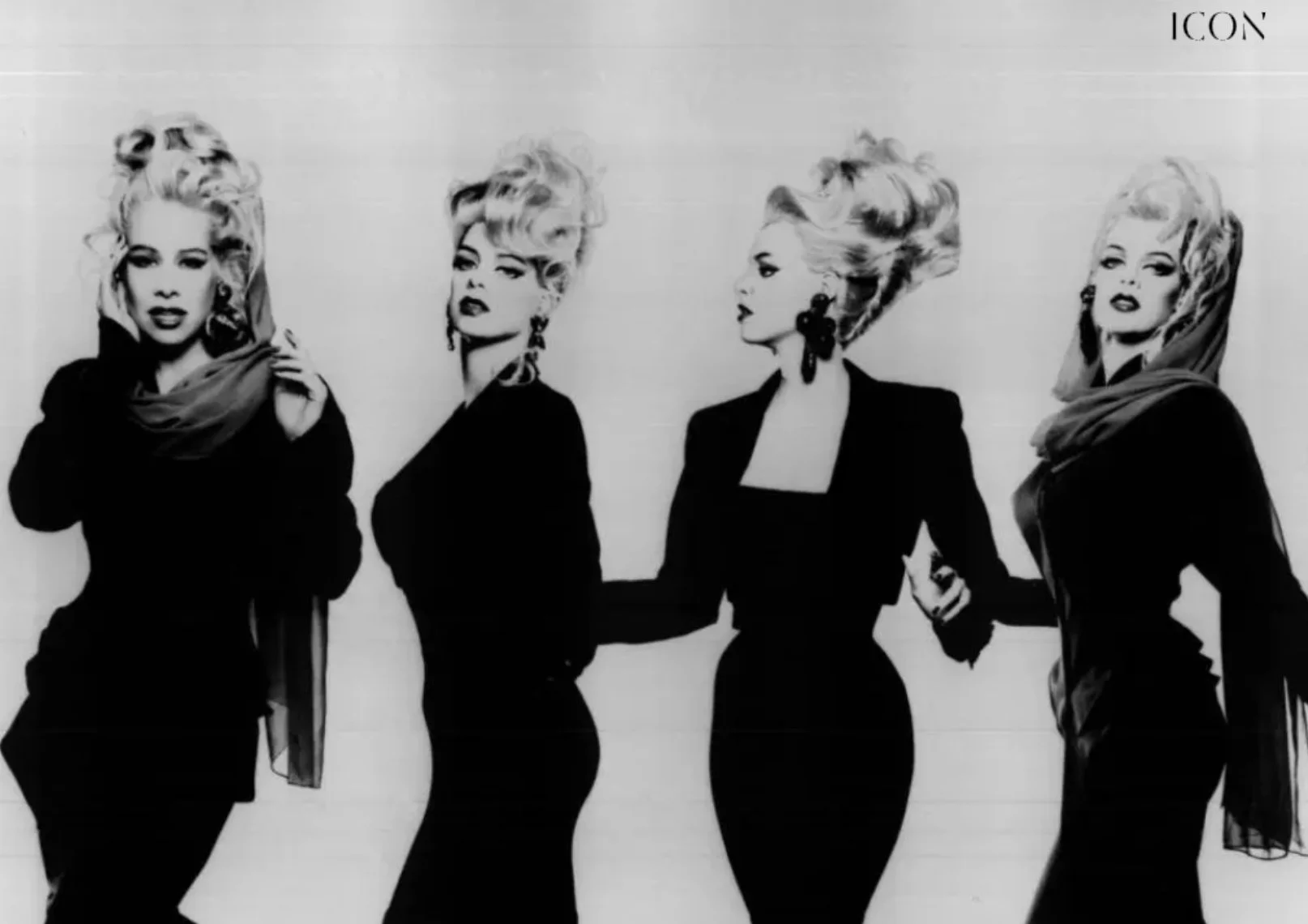
“I was never trying to be part of a scene. I was trying to be alive. The scene happened to be where alive was. Later, in other places, alive was somewhere else. I followed it.”
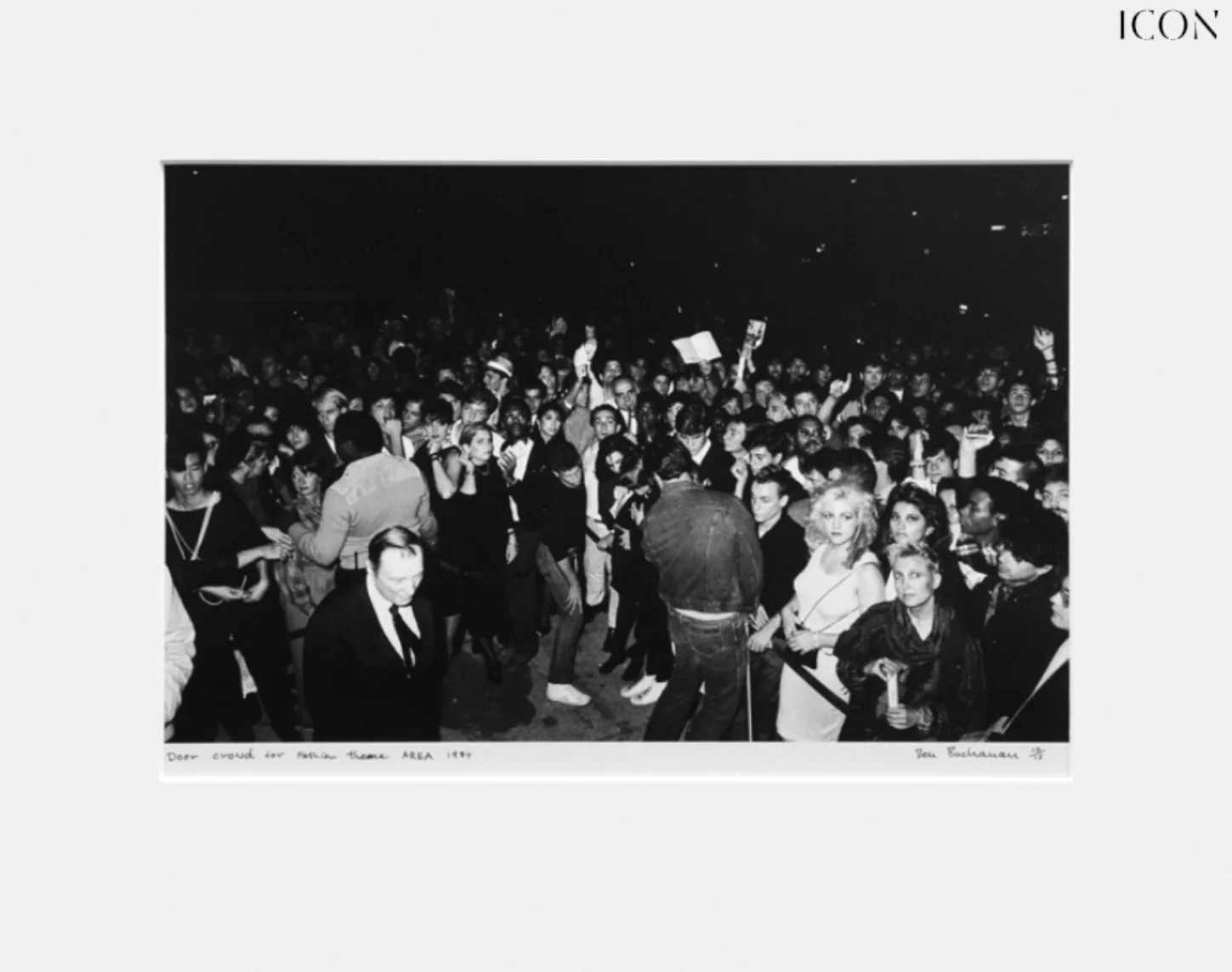
There is a photograph of Dianne Brill at the entrance to Area nightclub in 1986, standing in something that appears to be architecture rather than clothing — a construction of black fabric and structure that enters a room before she does, that makes the doorway she is standing in look like a frame a museum would build around an important object. She is looking directly at the camera with an expression that contains several things simultaneously: amusement, invitation, a kind of triumphant self-knowledge, and the barely-contained energy of a woman who is going to have a more interesting evening than anyone else in the zip code.
She is sixty-five now. The energy is the same.
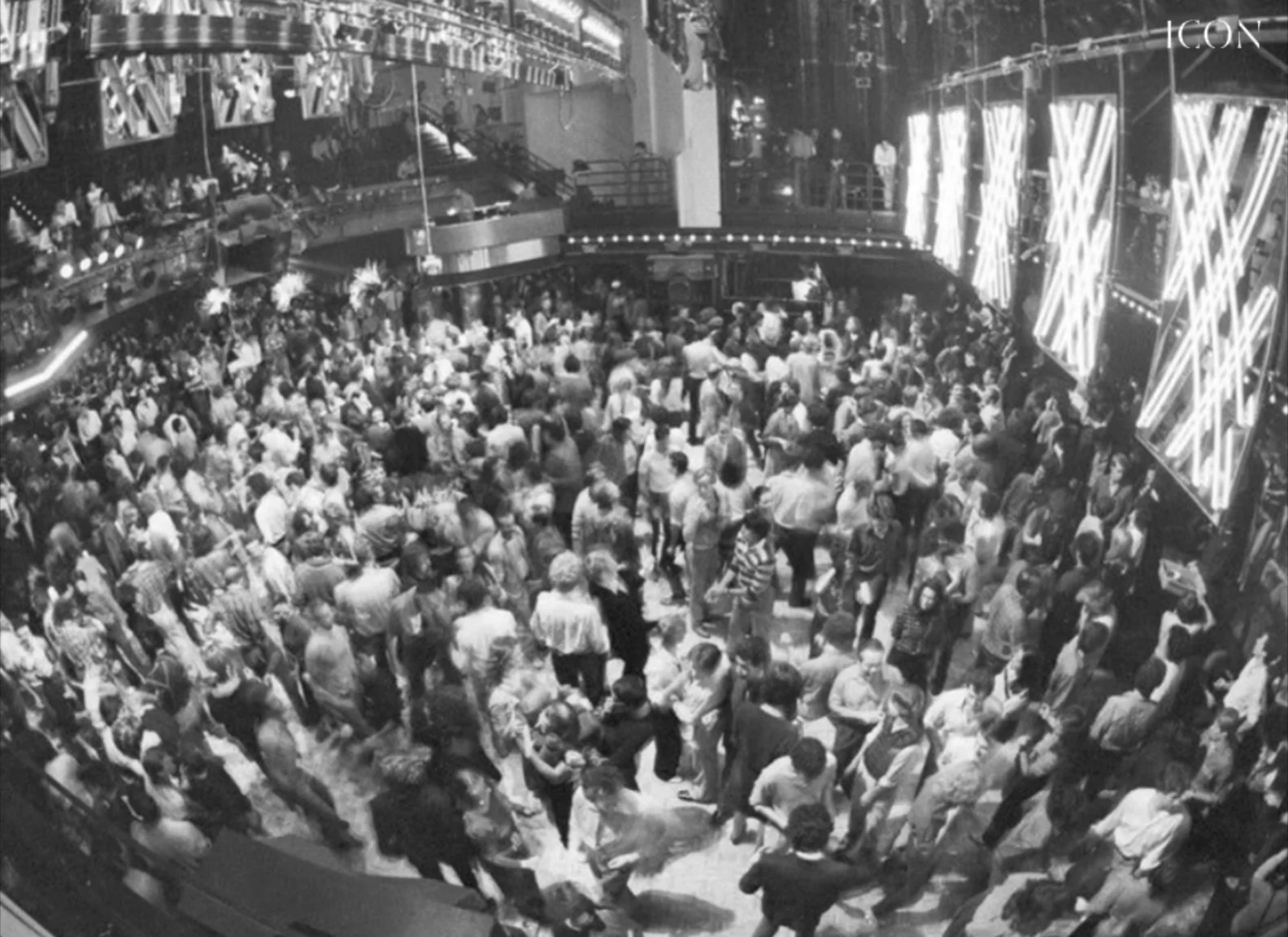
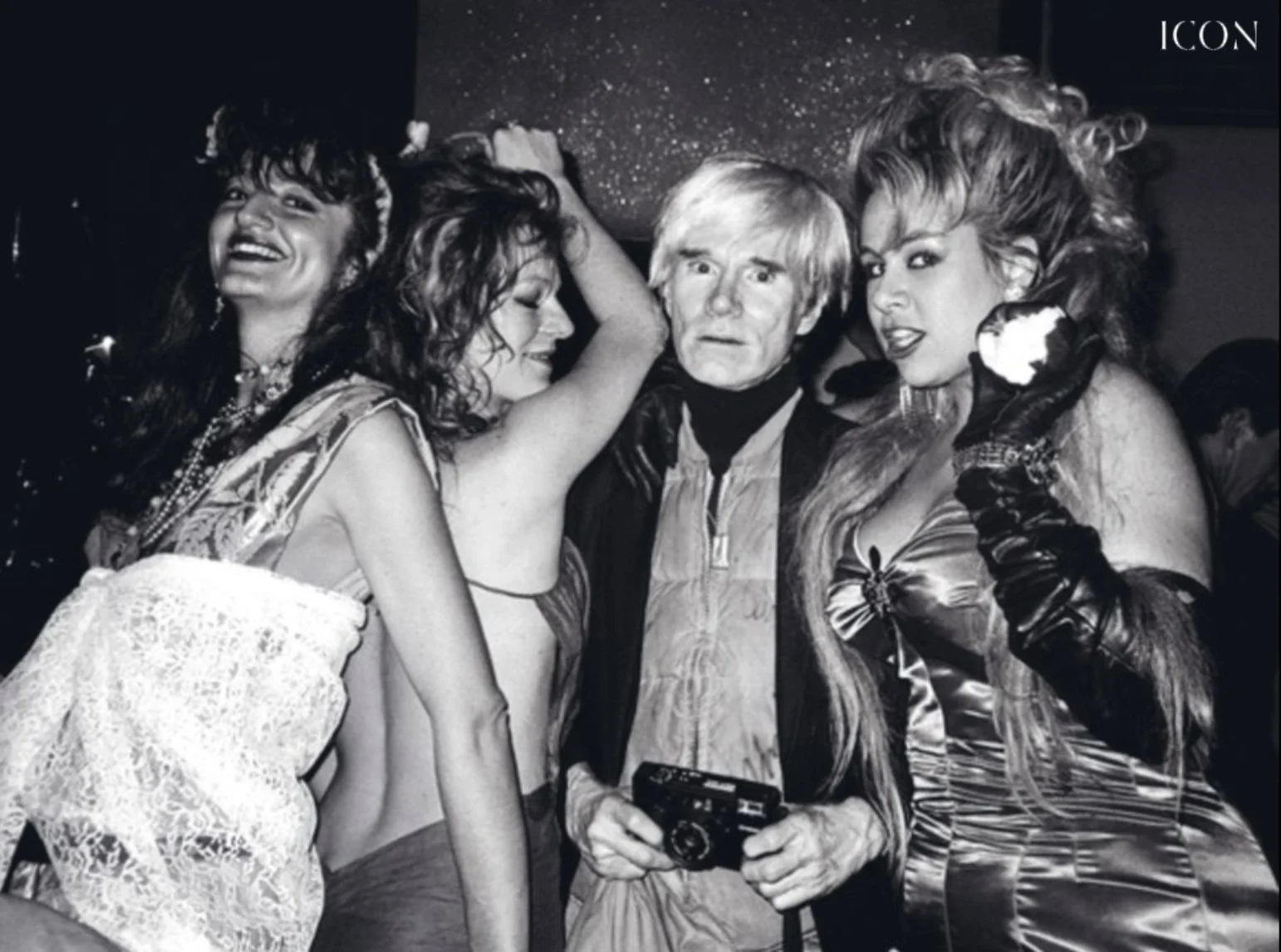
Dianne Brill is one of the very few people who can be said to have genuinely invented something: she invented, in the club culture of 1980s New York — at Studio 54 in its final years, at Area, at Danceteria, at the Mudd Club and all the spaces that preceded and followed them — a specific model of femininity that did not previously exist in those exact terms. It was not the waif. It was not the power suit. It was not the supermodel precision of the decade's commercial beauty standard. It was something more fundamental and more disruptive: the enormous, unapologetic, intelligent, sensual, theatrical woman who had decided that the world would accommodate her scale rather than the reverse.
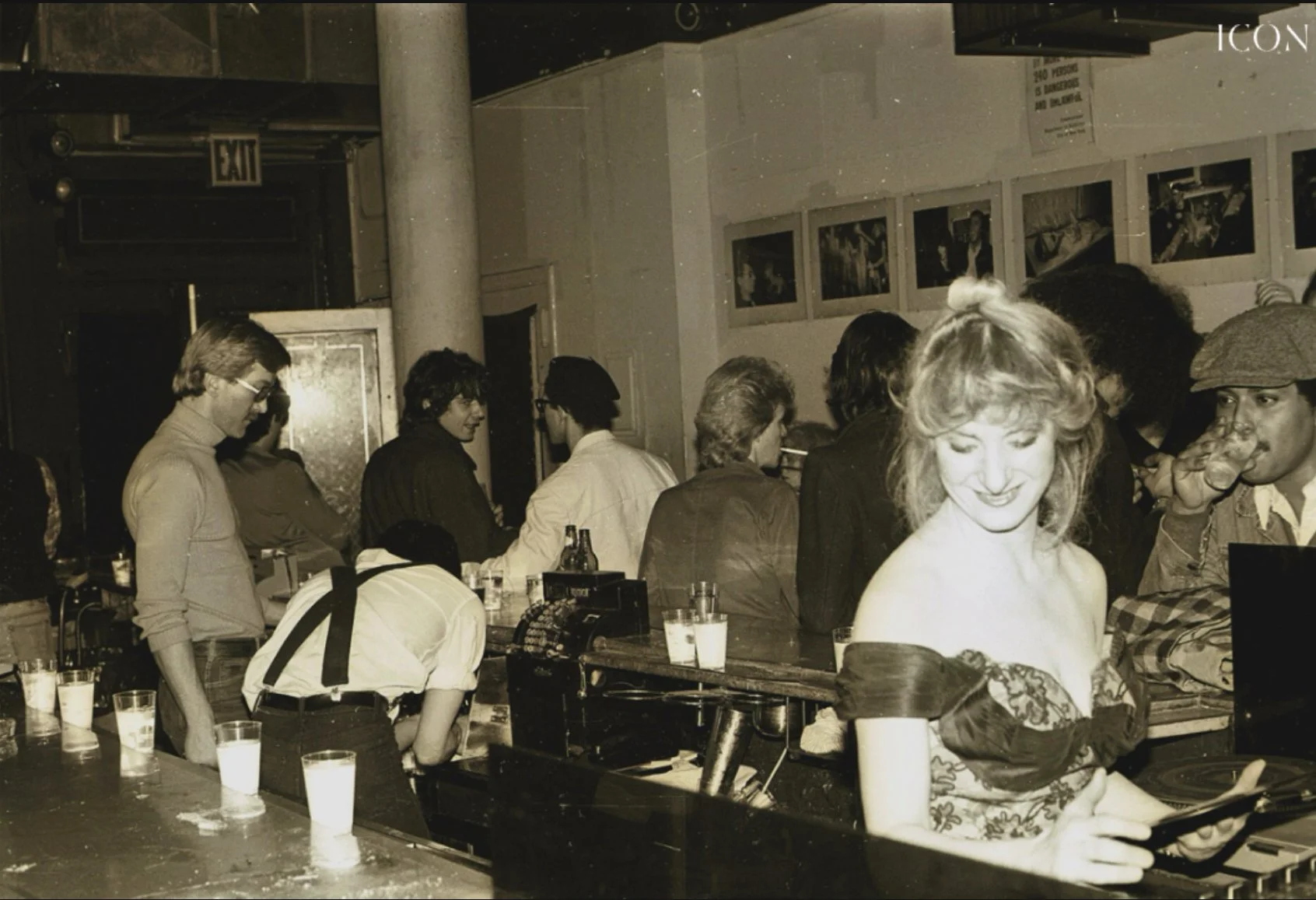
She was from Tampa, Florida, which she left at seventeen for New York, which was, in the late 1970s, simultaneously the most dangerous and the most creative city in the world. She arrived with no money and extraordinary confidence — the two, she has said repeatedly, being not unrelated — and proceeded to construct, through sheer force of personality and an eye for the possibilities of a room and a moment, a position at the center of a cultural world that was producing some of the most important art, music, and fashion of the late twentieth century.
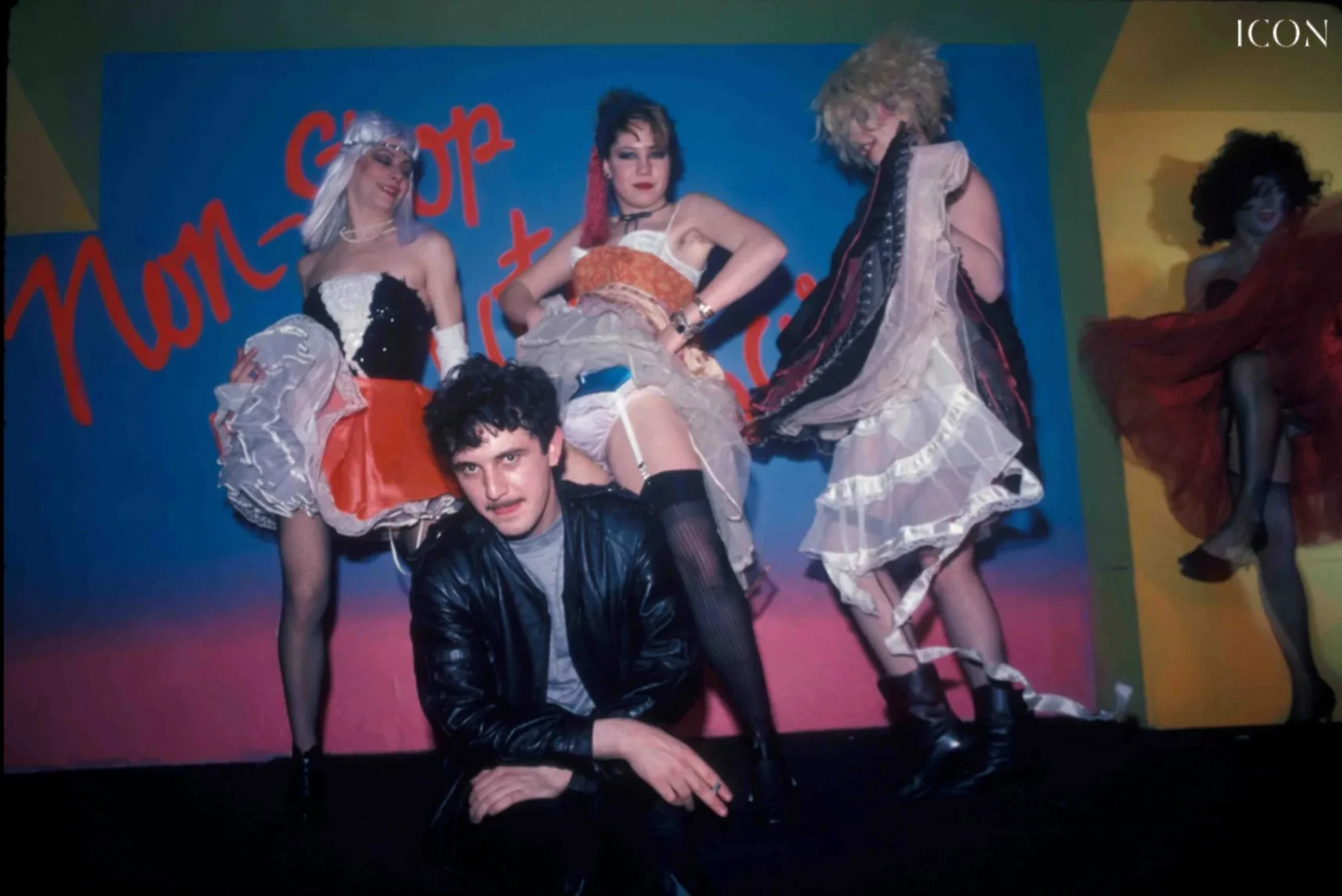
"I was never trying to be part of a scene," she says, in the airy Amsterdam house she shares with her son, surrounded by the accumulation of a life that has moved through New York, Paris, and Europe with the restlessness of someone who finds stasis a form of death. "I was trying to be alive. The scene happened to be where alive was. Later, in other places, alive was somewhere else. I followed it."
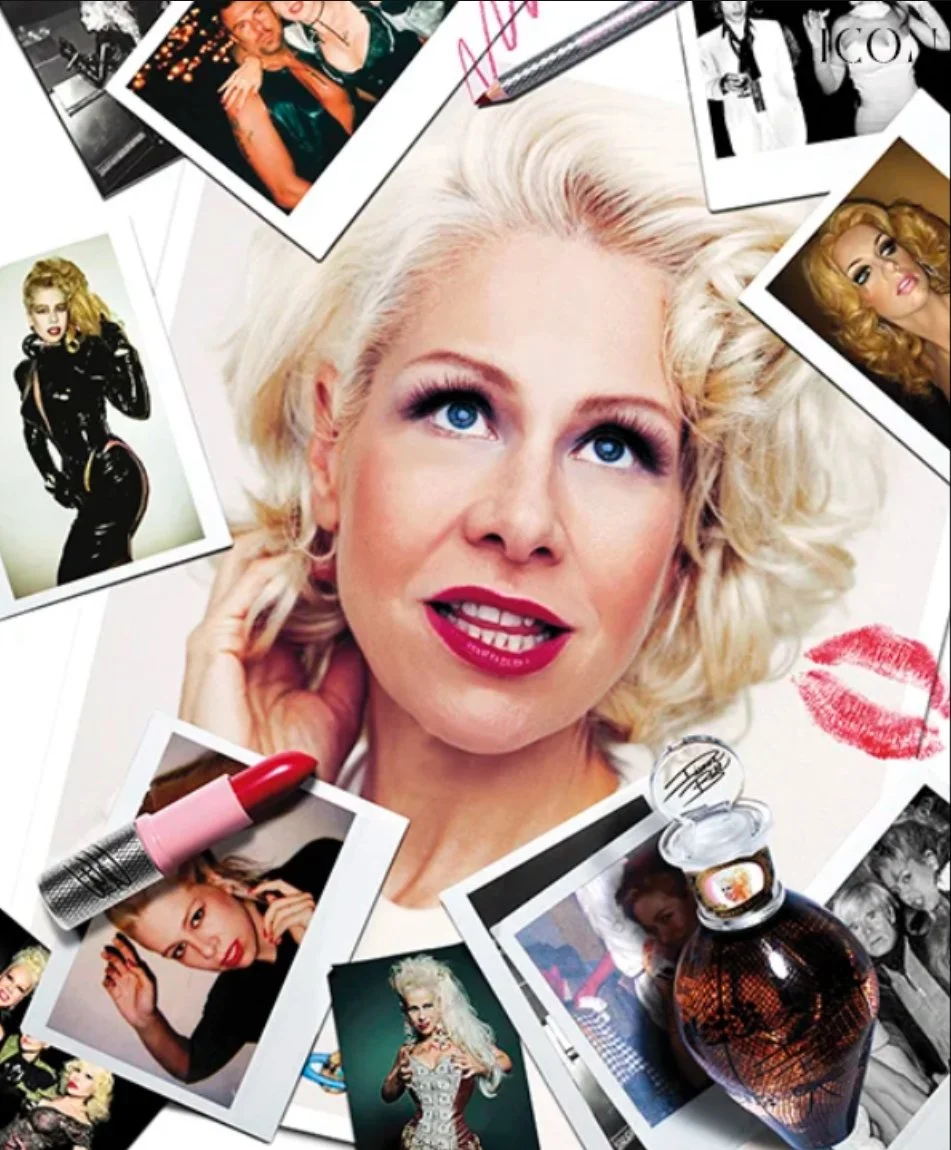
She designed a clothing line that was impossible to miss: constructed, large, theatrical in a way that the fashion industry simultaneously couldn't categorize and couldn't stop watching. She wrote a book — Boobs, Boys, and High Heels, or How to Get Dressed in Just Under Six Hours, published in 1995 — that is, in retrospect, one of the more interesting fashion documents of its decade: funny, explicit, opinionated, entirely lacking in the apologetics that female authors in the 1990s were still expected to perform. She moved to Europe. She had a son. She built a beauty brand. She lived, in short, multiple complete lives.
The beauty brand — Dianne Brill Cosmetics, with its focus on bold color and the explicit refusal of the idea that makeup should look natural — is currently in what she describes as "a renaissance." The red lipstick that launched the brand has been reformulated three times and has, in the current cultural moment, found an audience that Brill recognizes as familiar: women who have decided that visibility is not a problem to be managed but a quality to be inhabited.
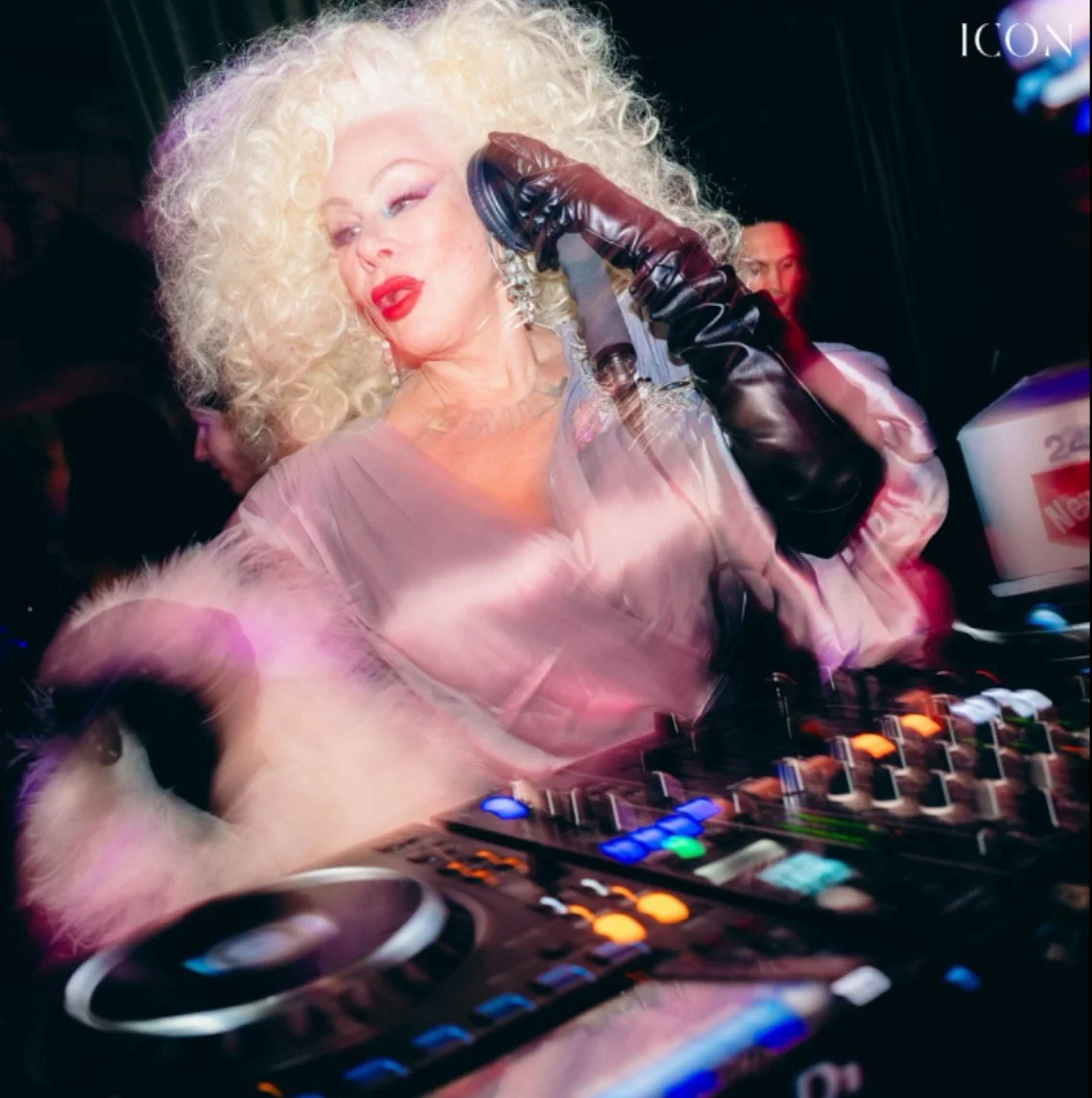
"There is a woman right now," she says, "who is forty-five, fifty, sixty, who watched the conversation about female visibility in the 1990s go entirely in the wrong direction — toward disappearance, toward smallness, toward the idea that the best you could do was take up as little space as possible. And she never believed it. She was always waiting for the moment when the world caught up. I think the world is catching up."
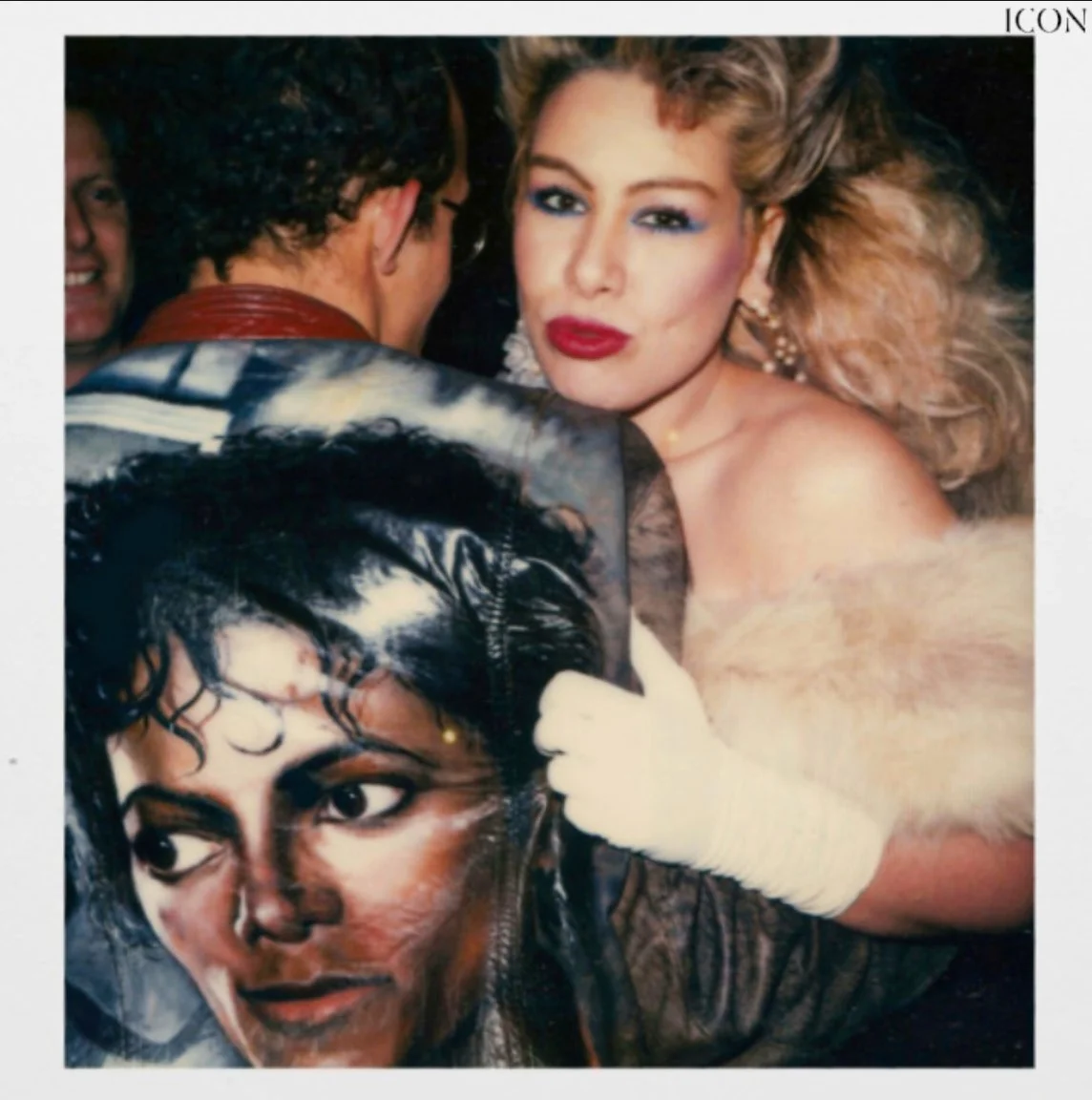
She says this without triumphalism — she has been making this point for forty years and is accustomed to being ahead of the consensus — and with a generosity of spirit that is, in the end, the quality that makes her most herself. The scene queen mythology obscures this, but the people who have known her across the decades are consistent: she is kind. She is interested in people. She finds delight — genuine, unperformed delight — in the energy of a room, in the unexpected encounter, in the possibility of the night.
We finished the interview in the garden, in May light, and she said — about nothing in particular, or about everything — "The party is always about to begin. That's the thing. Every time I walk into a room, it's the beginning. I have never once arrived late."
BY OONA CHANEL
