

The Grief That Goes Unnamed: On Ambiguous Loss and the Bodies That Carry It
You cannot mourn what has not ended. The psychologist Pauline Boss named this phenomenon fifty years ago. The world is only now catching up.

“The grief happened earlier — over years, in increments, every time the relationship changed, every time the person they loved became, in some incremental way, less of who they had been. By the time of the death, the grief was substantially complete. But it was never named.”
There is a kind of grief that does not have a funeral. It is the grief of the daughter whose mother is alive but no longer recognizes her. The grief of the person whose marriage ended in slow erosion rather than decisive rupture. The grief of the child who never knew the parent who was, by various circumstances, present and absent simultaneously. The grief of the emigrant, the adoptee, the person who lost the self they expected to become.
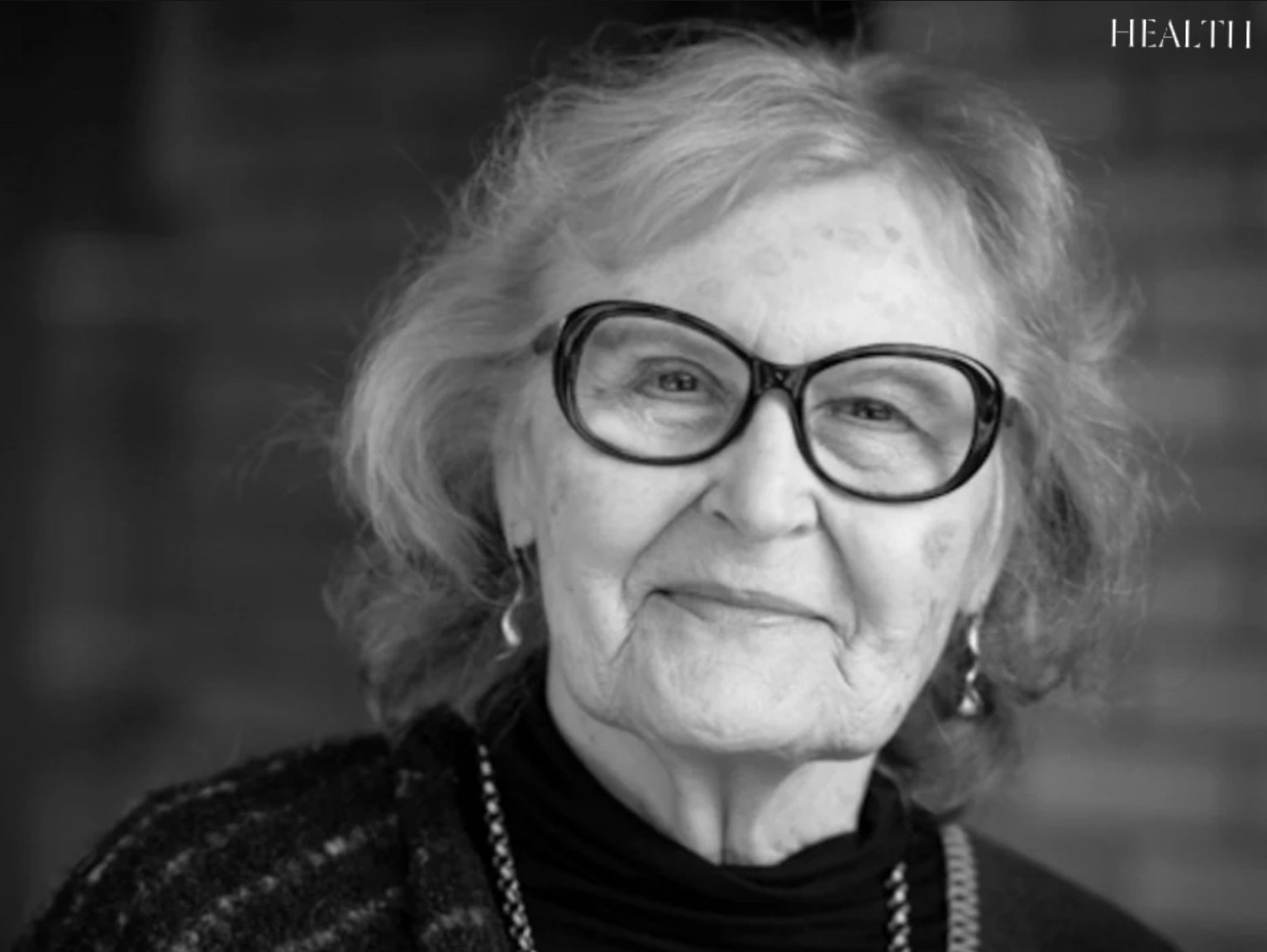
Pauline Boss
Pauline Boss, the American family therapist and researcher who coined the term "ambiguous loss" in the 1970s, spent fifty years trying to give this experience a name and a legitimacy it had been denied by a culture that could only recognize grief when there was a body, a date, a ceremony. Her work — which has reached general consciousness slowly, incompletely, and only recently at the scale it deserves — is among the most practically important psychological frameworks of the twentieth century, and the fact that it is not yet common knowledge represents a significant failure of how psychological insight moves from research into life.
Ambiguous loss is defined by the absence of the resolution that conventional grief, however painful, eventually provides. In conventional loss, there is — eventually — the capacity to reorganize around the absence: to acknowledge what is gone, to adapt, to continue. In ambiguous loss, this reorganization is structurally prevented because the loss is incomplete. The person is present but not. The relationship continues but has fundamentally changed. The grief cannot end because the thing grieved has not ended.

The physical dimension of this is one of the most underrecognized stories in contemporary medicine. Chronic ambiguous loss produces a physiological state that resembles the long-term activation of the stress response — sustained elevated cortisol, disrupted sleep, immune suppression, the cardiovascular effects of unresolved emotional tension — without any of the environmental triggers that would, in other contexts, be identified as the cause. People living with ambiguous loss often present to their doctors with a range of diffuse symptoms — fatigue, persistent low-grade inflammation, sleep disturbance, digestive issues — that are treated symptomatically without any investigation of the underlying state.
We spoke with three clinicians who work with patients experiencing ambiguous loss in different contexts: a palliative care nurse who works with families of dementia patients; a therapist who specializes in working with adoptees and donor-conceived people navigating incomplete knowledge of their origins; and a sports medicine physician who has come to recognize, in the bodies of athletes who retire against their will, a grief pattern that looks nothing like grief but has all of its physiological markers.

The nurse, who has worked in dementia care for twenty years, says: "The families often come to me at the very end, when the person has died, expecting to feel something they recognize as grief. And many of them feel almost nothing, or feel relief, which they find confusing and shameful. What has happened is that the grief happened earlier — over years, in increments, every time they were not recognized, every time the relationship changed, every time the person they loved became, in some incremental way, less of who they had been. By the time of the death, the grief is substantially complete. But it was never named. It was never allowed to be grief."

The therapist who works with adoptees says something similar from a completely different direction: "My clients often come to me having described their childhoods as happy, their parents as loving, their lives as fine. And all of this is true. But there is a weight that they carry that they cannot name, because what they are grieving is not a specific person or experience but a possibility — the life that might have been, the origins that were not given to them, the version of themselves that does not exist. This is as real a loss as any other. It is simply more difficult to hold."
What Boss found, across decades of research with families affected by disasters, wars, migration, dementia, and every other form of incomplete loss, is that the people who navigate ambiguous loss most successfully are those who find a way to hold the contradiction rather than resolve it — to live with the uncertainty, the both-and-ness of a loss that is also still a presence. This is, in the language of therapy, a form of radical acceptance that is considerably more difficult than it sounds and considerably more achievable than it seems.

The first step, she says — and this is the gift that naming provides — is the acknowledgment that what you are experiencing is real, is recognized, and is grief. Even without a body. Even without a date. Even without a ceremony.
You are allowed, she says, to mourn what has not ended. The body, which has been doing it all along, will understand.
BY OONA CHANEL
