

The Science of Stillness: What Happens to Your Brain When You Finally Stop
Not meditation as wellness product. The neuroscience of genuine quiet — and why it may be the single most important thing you are not doing.
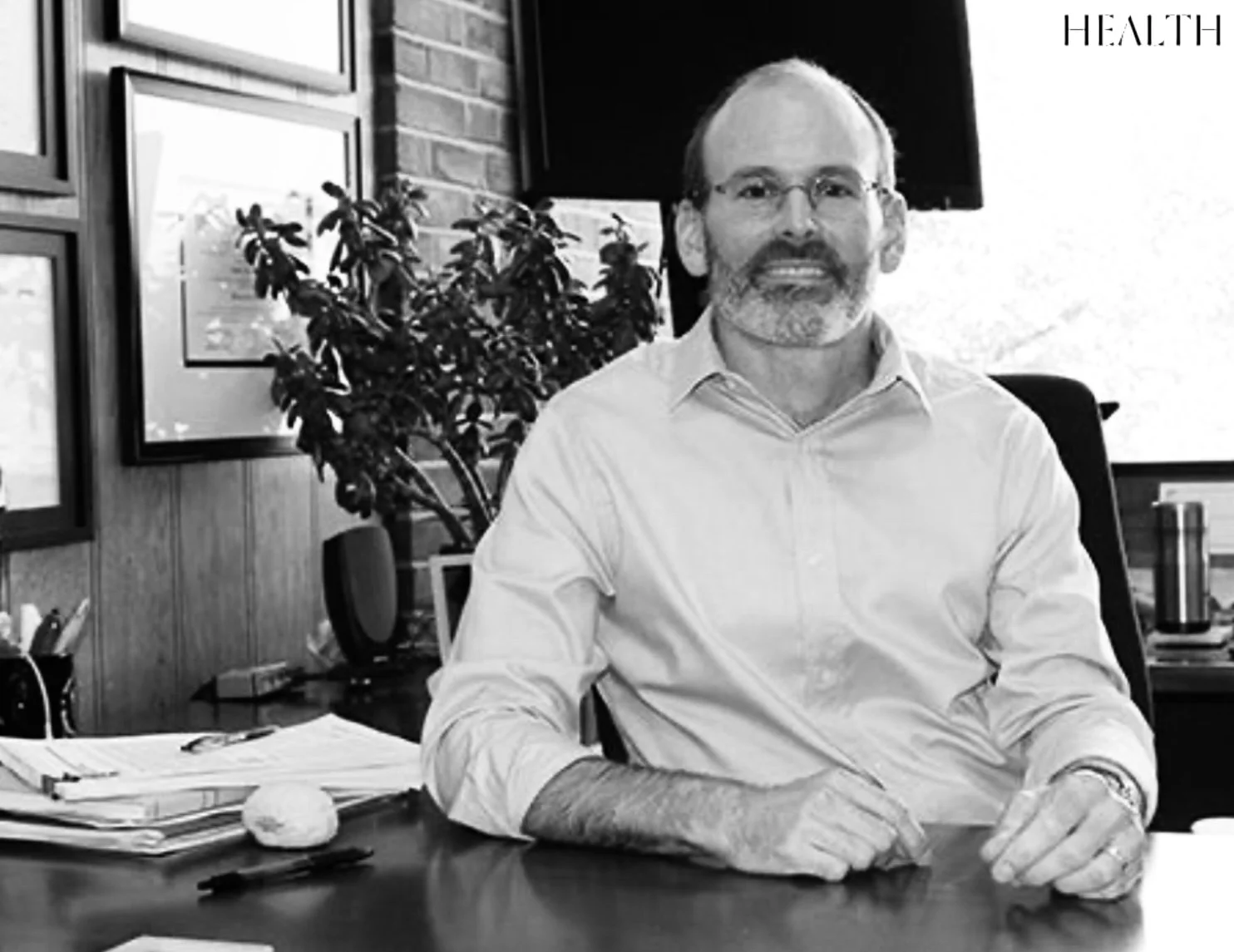
Judson Brewer
“True stillness is the absence of the absence of discomfort. It is not the suppression of difficulty. It is the ability to be present with it without reflexively reaching for something.”
r. Judson Brewer has spent twenty years studying what happens in the brain when people stop. Not sleep, which is a different kind of cessation. Genuine waking stillness: the deliberate absence of input, task, or purpose. The condition that most people in the developed world experience approximately never.
What he has found is not what the wellness industry would prefer. The brain, in genuine stillness, does not rest. It does not blank out or regenerate in the way that marketing copy suggests. It does something more interesting and more unsettling: it begins to process what it has been avoiding. The default mode network — the neural circuits that activate when we stop directing our attention at a task — is, in neurological terms, the most honest thing about us. It surfaces the material we have been keeping busy to avoid.
This is why genuine stillness is so rare. Not because people are lazy or distracted, though distraction has never been more available. It is rare because it is, in the short term, actively uncomfortable. The mind, given space, fills it with the things it has been carrying: unresolved conflicts, unmade decisions, grief, desire, ambivalence, the particular 3am quality of truth that productivity is very effective at suppressing.

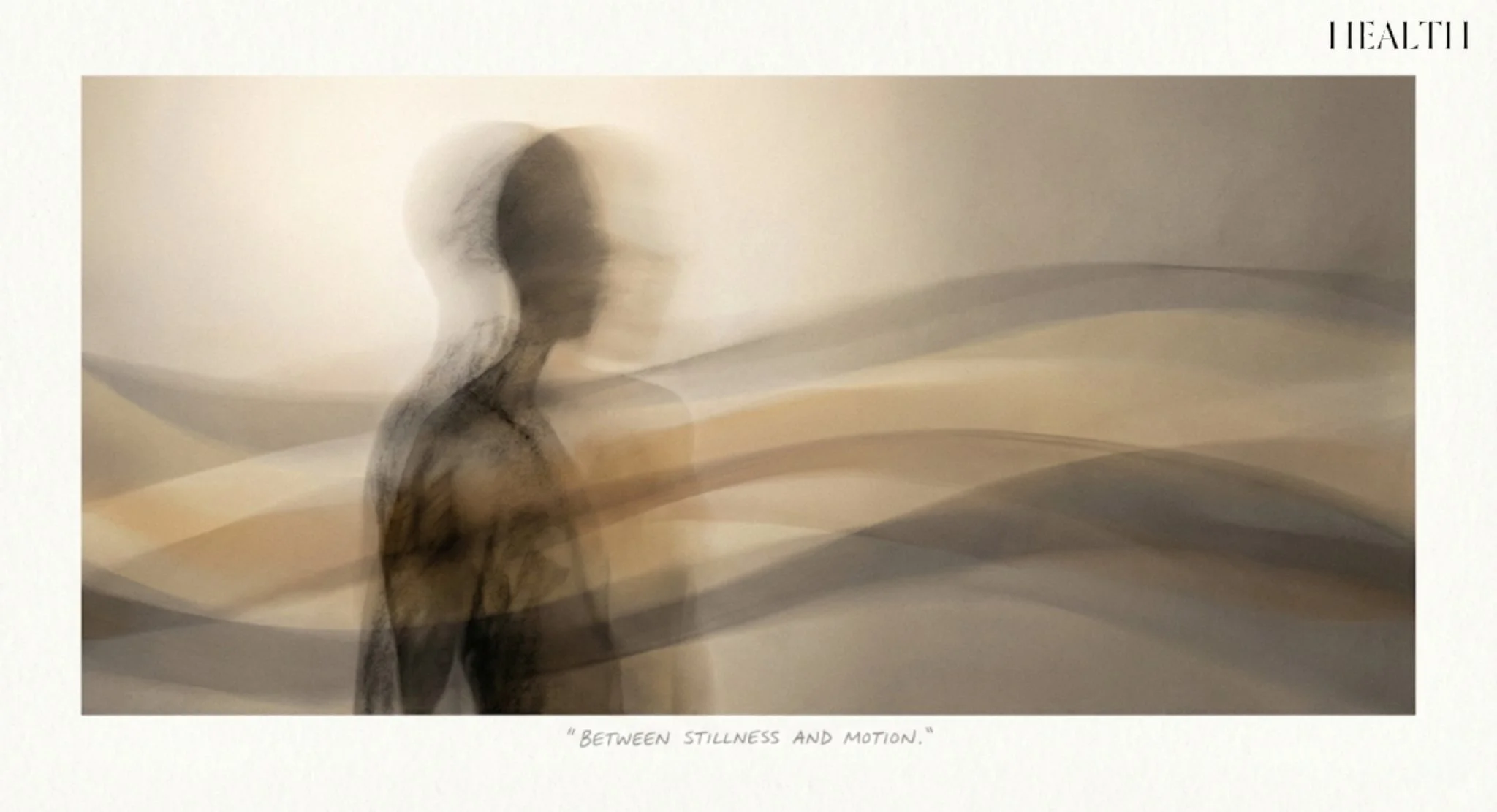
Between stillness and motion
The meditation industry — which in 2026 generates somewhere north of $5 billion annually — has built a comfortable intermediary between the seeker and this discomfort. The app, the guided session, the breathing protocol: these are effective, in their way, at producing a measurable reduction in acute stress and a training of attentional focus. They are not the same as stillness. They are, in fact, another form of input: the instructor's voice, the ambient sound design, the gentle bell. The brain has something to hold onto.
True stillness, Brewer says, is "the absence of the absence of discomfort." That is: it is not the suppression of difficulty. It is the ability to be present with it without reflexively reaching for something.

We spent three days at a small Cistercian monastery in the Austrian Alps where a practice of silence has been maintained without interruption since the twelfth century. The monks do not practice stillness because they have read the neuroscience literature. They practice it because their tradition understood, eight hundred years before the brain scanners, that a life conducted entirely in response to external stimulus is not a life that progresses in the direction of wisdom. They call what happens in stillness recollection: the gathering back of what has scattered.
The experience of sitting in the monastery's main chapel at 4am for the office of Vigils — a practice that has occurred every morning at that hour for nine centuries — is not easily described to people who have not been there. The silence is not the absence of sound: there are footsteps, breath, the specific acoustics of a stone room, the occasional distant bell. The silence is the absence of demand. Nothing is being asked of you except your presence. Nothing will be taken from you except your noise.
What happens after the first hour — the first genuine hour, which requires the preceding forty-five minutes of restlessness, the fidgeting, the cascade of thoughts about everything you need to do, the peculiar embarrassment of stillness for someone not trained in it — is difficult to describe without language that sounds spiritual, which is its own kind of inaccuracy. What happens is that the processing Brewer describes begins. Thoughts arise, fully formed, about things you had not known you were thinking about. Clarity appears on questions you had not known were questions.
The monks call this consolation. The neuroscientists call it default mode network activation. The distinction is, perhaps, semantic.
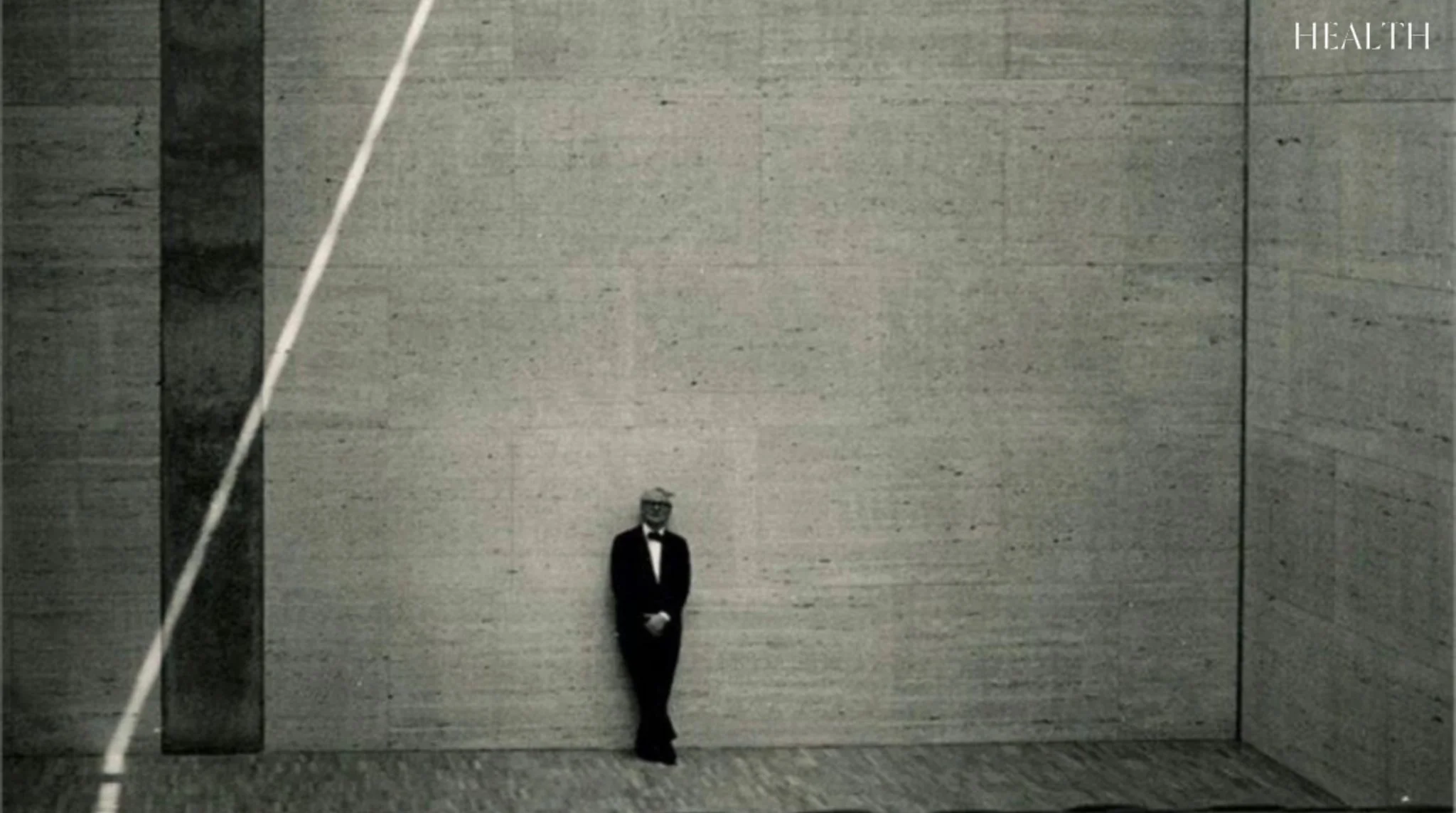
Louis kahn
What is not semantic is the physical dimension. Cortisol levels, in sustained stillness, drop by measurable amounts. The inflammatory markers associated with chronic stress — the physiological substrate of everything from cardiovascular disease to cognitive decline — reduce. The immune system, which is profoundly compromised by chronic activation of the stress response, begins to recover. Stillness is, in a quite literal sense, anti-inflammatory.
The question is not whether this is available. It is. The question is whether it is desired — whether, in a world that equates stimulation with aliveness and productivity with worth, a person is willing to accept that the most important thing they might do today is nothing.
Most people, in our experience, are not. Most people will reach for the phone. This, too, is information about the state of the world.
by Oona chanel
