

NAD+ Precursors: What the Science Shows, What the Supplement Market Claims, and Why the Gap Is the Story
Nicotinamide riboside and NMN are two of the best-selling longevity supplements in the world. The human trial data for the outcomes being marketed is consistently weak. The underlying cellular biology is among the most interesting in contemporary medicine.
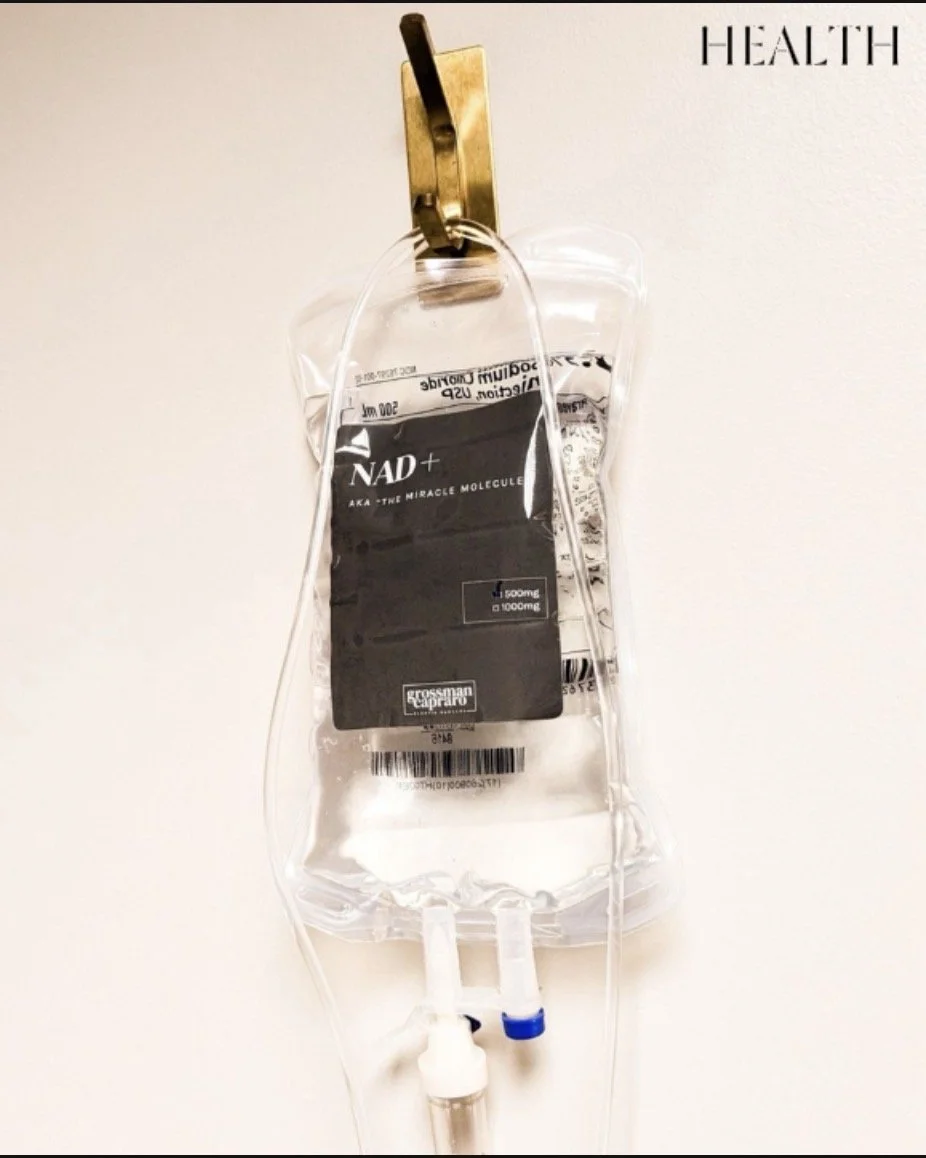
“The pharmacokinetic study the supplement industry cites as foundational evidence measured blood NAD+ levels. It was not an efficacy trial. Blood NAD+ and intracellular NAD+ in neurons and cardiac tissue are not the same measurement. The gap between what was shown and what is being sold is the story.”

NAD+ — nicotinamide adenine dinucleotide — is a coenzyme present in every living cell, essential to the electron transport chain that produces cellular energy, required for the activity of sirtuins (the protein family most associated with longevity mechanisms), and demonstrably declining in human tissue with age. In skeletal muscle, NAD+ levels fall by approximately fifty percent between the ages of twenty and eighty. The biological significance of this decline is real and well-documented. The commercial response to it — the NAD+ precursor supplement market, now worth over four billion dollars globally — is built on the premise that raising NAD+ levels through oral supplementation produces the health and longevity outcomes that the biology implies. The question is whether the premise is correct.
The two primary compounds are nicotinamide riboside (NR) and nicotinamide mononucleotide (NMN), both biosynthetic precursors that the body converts to NAD+ through salvage pathways. Both demonstrably raise NAD+ levels in blood when consumed orally. The debate is about what raised NAD+ in blood actually means for health outcomes, and the answer is where the clinical evidence becomes considerably less comfortable for the supplement industry.

A 2023 meta-analysis examining the human clinical trial literature on NMN found statistically significant improvements in specific biomarkers in some studies: muscle insulin sensitivity in older adults in one well-designed trial, walking speed in a Japanese cohort, lipid parameters in a handful of others. What the meta-analysis did not find — across the reviewed studies — were significant effects on the outcomes the biology suggests should follow: sustained cognitive improvement, physical performance at meaningful scale, or any validated composite measure of biological age.

The mechanistic complexity the supplement market systematically omits: NAD+ in blood and NAD+ in tissues are not the same thing. NAD+ transport across cell membranes is restricted by carrier proteins whose activity is tissue-specific and not uniformly upregulated by oral precursor supplementation. David Sinclair's 2024 pharmacokinetic study at Harvard, widely cited by the supplement industry as foundational support for NMN, was a pharmacokinetic study. It was not an efficacy trial.
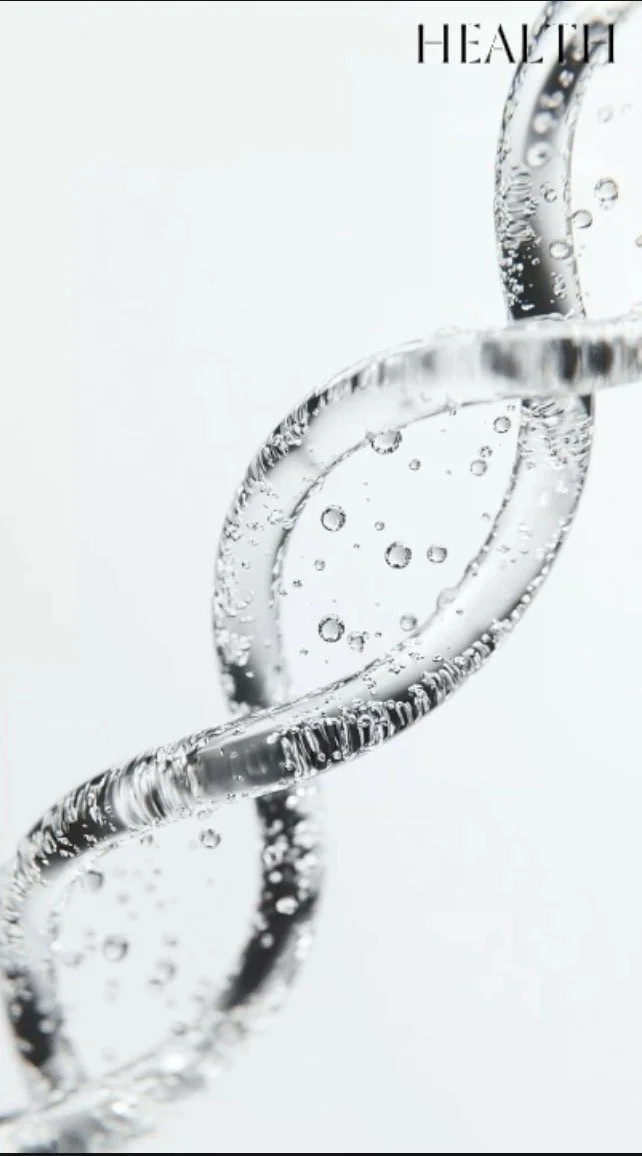
There is a second mechanism the literature is beginning to address more seriously: CD38, an enzyme that degrades NAD+ and whose activity increases with chronic inflammation. Vera Gorbunova's research group at Rochester has proposed that age-related NAD+ decline is driven at least as significantly by increased CD38-mediated degradation as by reduced biosynthetic capacity. If this is correct, supplementing precursors is addressing the symptom while the inflammatory driver continues.
The behaviours with the strongest evidence for improving NAD+ metabolism require no purchase: aerobic exercise consistently increases NAD+ biosynthesis through upregulation of NAMPT, the rate-limiting enzyme in the salvage pathway. Time-restricted eating has shown NAD+-related benefits in animal models through circadian regulation of biosynthetic enzymes.

This is not an argument against NR and NMN. The preclinical evidence for NAD+ replenishment in specific disease contexts — mitochondrial disease, chemotherapy-induced peripheral neuropathy — is compelling and has produced legitimate clinical trials. The argument is against the extrapolation from disease-state evidence to healthy aging populations, from short-term biomarker improvement to long-term health outcomes.
The honest answer is: not yet. The biology warrants serious research investment. The commercial edifice built on the biology is ahead of the evidence. These are separate things.
BY OONA CHANEL
