

Endometriosis affects one in ten women. The average time from symptom onset to diagnosis is seven to eight years in most Western healthcare systems. The delay is not explained by diagnostic complexity.
“The primary delay in endometriosis diagnosis is not the requirement for surgical confirmation. It is the clinical normalisation of severe menstrual pain as expected female experience rather than as a symptom requiring explanation. The average woman waits eight years. The question that should have been asked was available at the first appointment.”
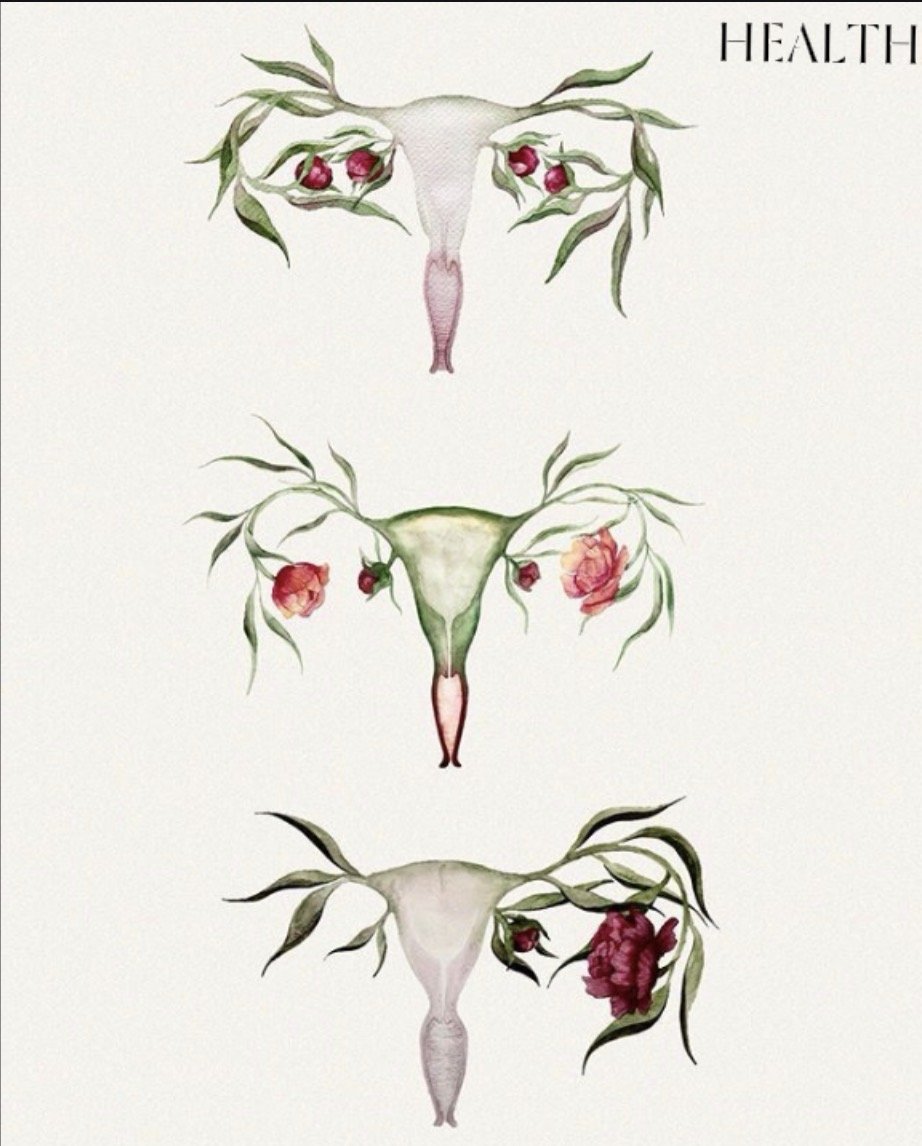
Endometriosis — the presence of endometrial-like tissue outside the uterus, most commonly on the ovaries, fallopian tubes, and pelvic peritoneum, but potentially on any organ including the bladder, bowel, and diaphragm — affects approximately one in ten women of reproductive age globally, representing around 190 million people. It is associated with chronic pelvic pain, painful periods (dysmenorrhoea), painful sex (dyspareunia), and infertility in thirty to fifty percent of affected women. The average time between onset of symptoms and a confirmed diagnosis in the United Kingdom is seven to eight years.

The delay is not primarily explained by the requirement for surgical confirmation. The more primary delay is in the journey from symptom presentation to appropriate clinical suspicion. Women presenting with severe dysmenorrhoea — period pain significant enough to interfere with daily functioning — are routinely offered analgesia rather than investigation. The clinical normalisation of significant menstrual pain as an expected female experience rather than as a symptom requiring explanation is the primary driver of the diagnostic delay.

The mechanisms of endometriosis are not fully characterised, but leading theories involve a combination of retrograde menstruation, immune dysregulation that fails to clear ectopic tissue, and potential metaplasia of peritoneal cells into endometrial-like tissue. The genetic component is well-established: first-degree relatives of women with endometriosis have approximately seven times the population risk.
The research most significantly changing clinical management: the ESHRE guideline update of 2022 confirmed that medical management — specifically the use of hormonal suppression to reduce the oestrogenic drive of endometriotic tissue — should be offered as first-line treatment alongside analgesia for women with suspected endometriosis, without requiring surgical confirmation first. Transvaginal ultrasound, performed by an experienced sonographer, can reliably identify ovarian endometriomas and deep infiltrating endometriosis in a significant proportion of cases.
The hormonal treatments with the strongest evidence: combined oral contraceptives suppress the cyclical oestrogen stimulation of endometriotic tissue and reduce pain in approximately seventy percent of women who tolerate them. The levonorgestrel intrauterine system (Mirena) has Level A evidence for pain reduction. GnRH agonists produce a temporary medical menopause that significantly reduces endometriotic activity, though typically limited to six months of first-line use due to bone density effects.
The surgical question remains important for specific presentations: ovarian endometriomas above three to four centimetres in diameter, deep infiltrating endometriosis affecting bowel or bladder, and cases where medical management has failed. Surgical excision by a specialist endometriosis surgeon in an accredited centre is the appropriate route.
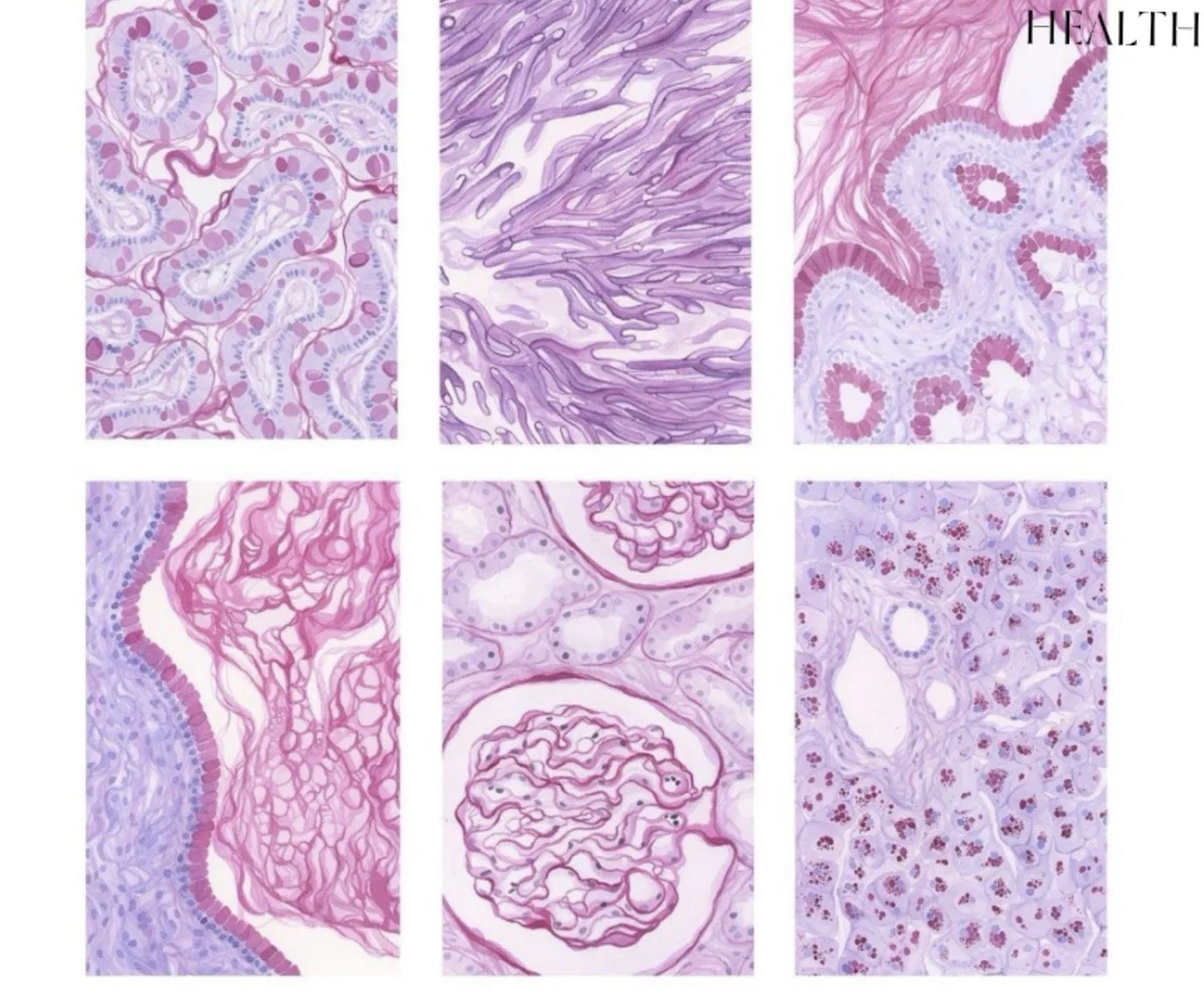
The first GP appointment for severe dysmenorrhoea should include a clinical history that systematically explores the diagnostic criteria for endometriosis, an offer of appropriate first-line medical management without requiring diagnostic confirmation, and a clear referral pathway to specialist assessment.
The woman who has had eight years of appointments without a diagnosis has been failed by a system that needed to ask different questions at the first one.
BY OONA CHANEL
