

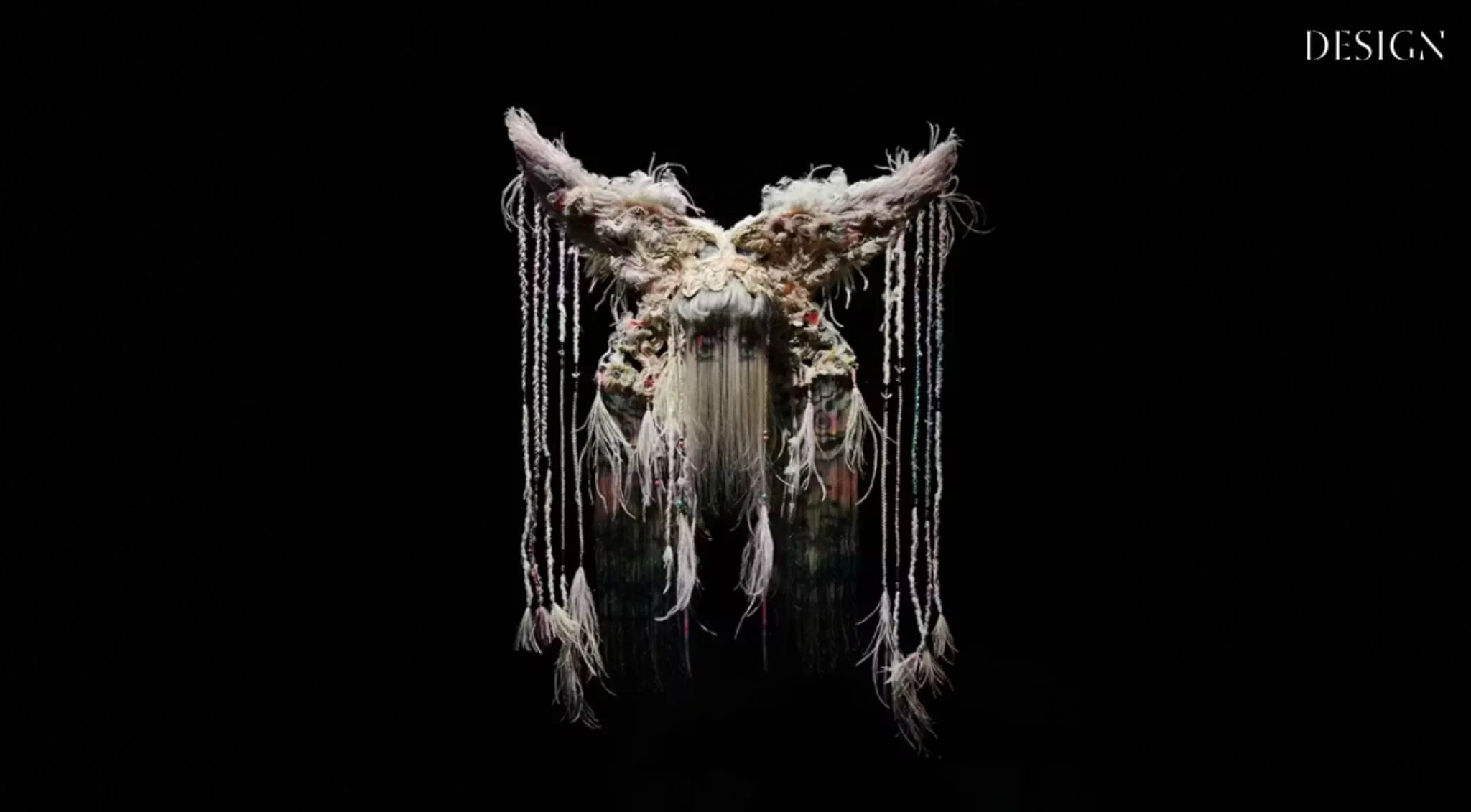
Maison Lemarie
“What they know is not in any database. It is in their hands and their eyes and their understanding of fabric that has come from decades of touching it every day.”
You will never own what they make. But understanding how it is made changes everything about the way you dress.
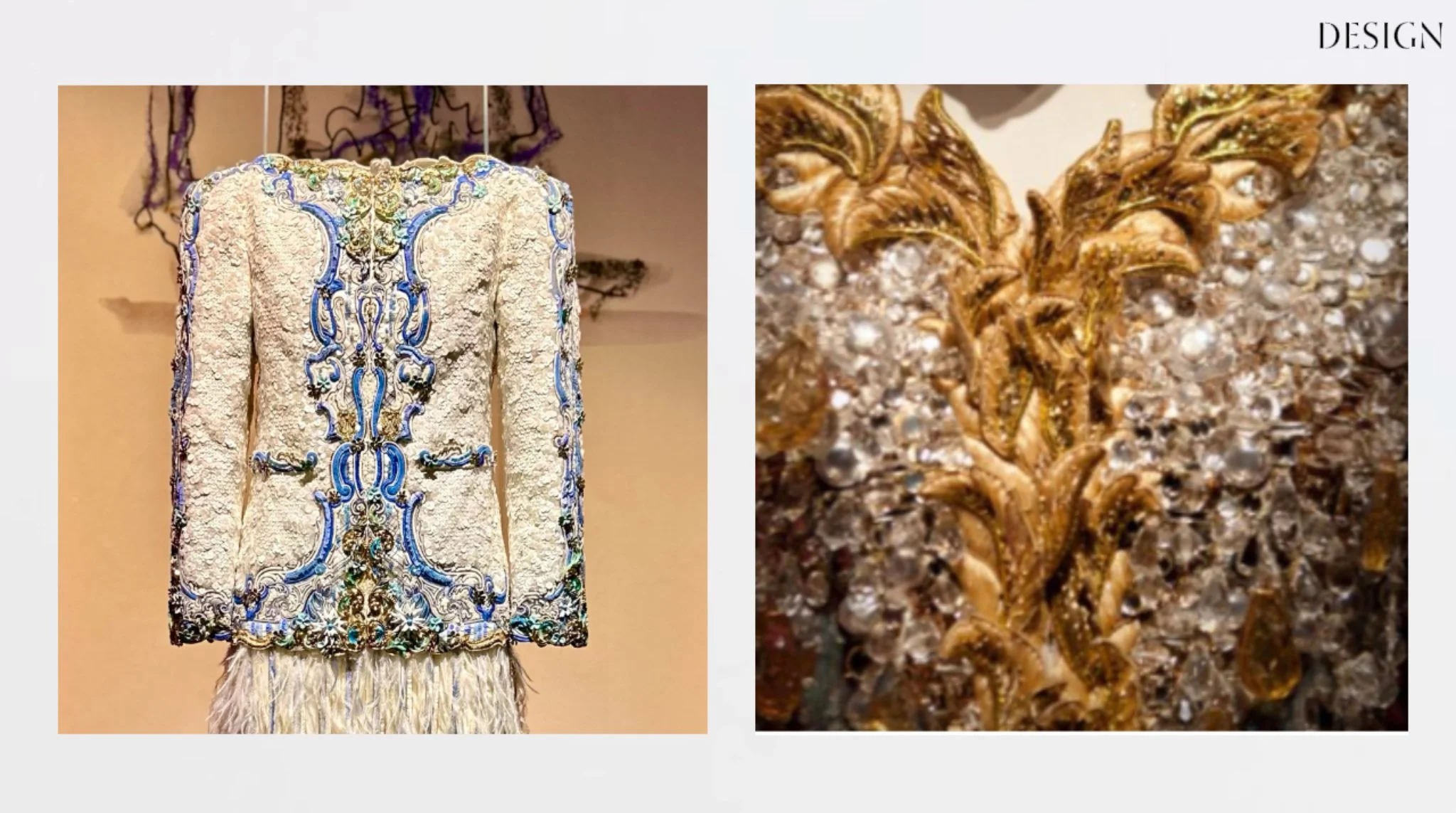
Lesage embroidery atelier - chanel
Maison Lesage YVES SAINT LAURENT, Paris
The first lesson they teach at the Lesage embroidery atelier on the rue du Faubourg Saint-Honoré is how to thread a needle. This is not a metaphor. You thread it in a specific way, between specific fingers, with a specific tension in the wrist that takes three months to make unconscious. Everything that follows—the centuries of accumulated technique, the vocabulary of stitches that do not exist anywhere in written form because they were never written down, the capacity to look at a designer’s sketch and understand what it requires before it is explained—everything flows from that one physical fact: the thread and the needle and the hand that holds them.
This is what haute couture is. Not the show. Not the photograph. Not the celebrity in the front row or the price tag or the cultural moment. The show is forty minutes. The photograph lasts thirty seconds. The garment on the body of the person who will wear it—if it is a true couture piece, made in a true couture atelier—contains something in the order of two thousand hours of human thought. That is the thing most people never see.
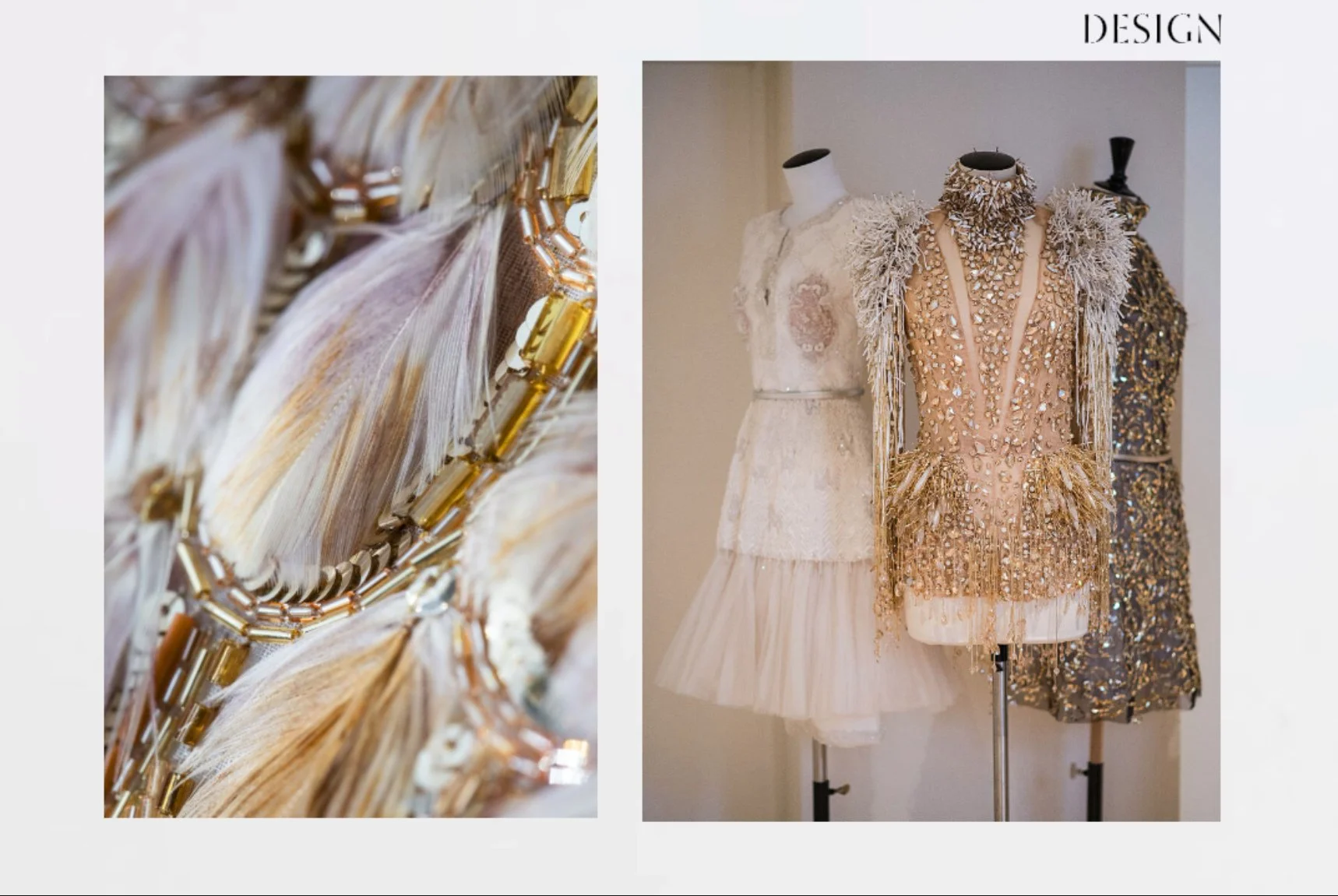
Maison Lesage
We were granted unusual access to three of Paris’s most significant specialist ateliers over a period of six weeks in early 2026. The Lesage house, now part of the Chanel Métiers d’Art family since 2002, employs fourteen embroiderers. The average tenure is nineteen years. The oldest practitioner, who requested anonymity, has been working here for thirty-seven years and retains in her hands techniques that have never been documented and exist nowhere but in her. She is sixty-one. There is no succession plan.
The featherwork atelier of André Lemarié—also Chanel, also Métiers d’Art—is a different kind of silence. Featherwork is one of the most particular skills in the world: the preparation and application of feathers to textile requires a physical sensitivity that cannot be taught from a book, a manual, or a video. You learn it from a person who learned it from a person. The chain of transmission is direct and human and always, at its furthest end, fragile.
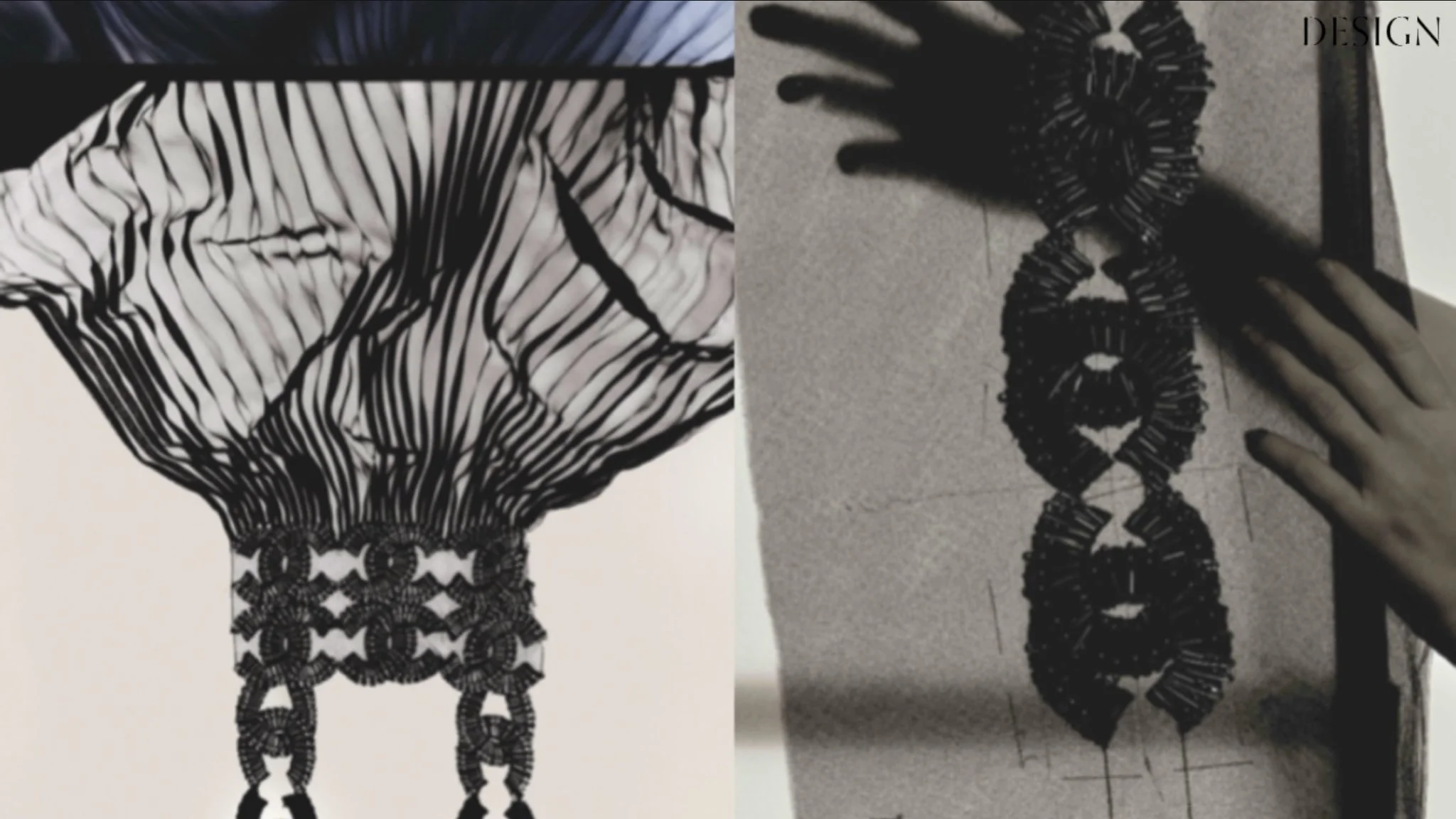
atelier of André Lemarié
What strikes you, moving through these spaces, is not their beauty—though they are beautiful—but their quality of concentration. The women (they are almost all women) do not look up when you enter. They are not being rude. They are being honest: what they are doing requires a level of attention that cannot be partially extended. To look up is to break the thought. And the thought, in this work, is measured in millimetres.
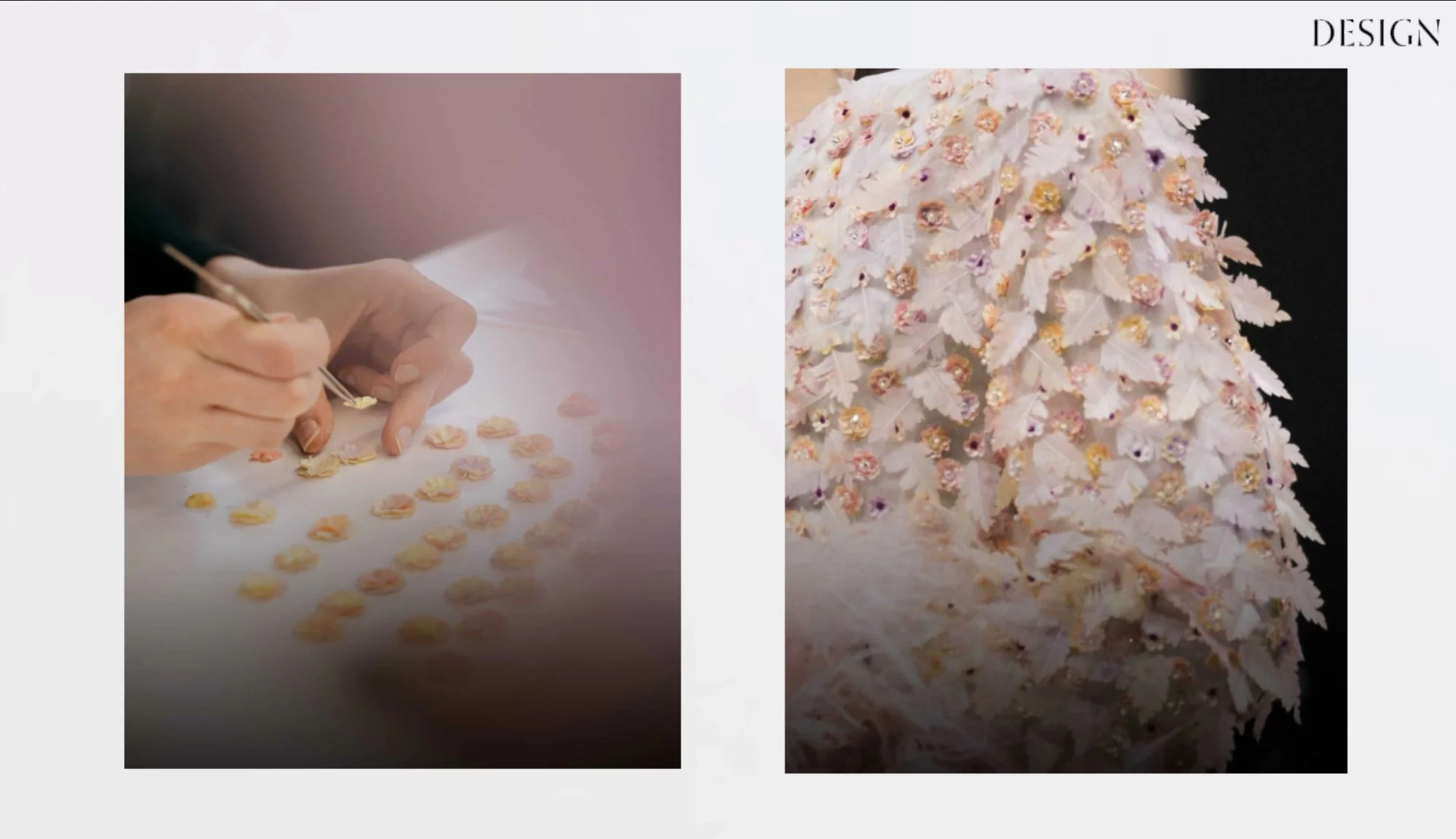
Maison Lemarie
The irony of where haute couture finds itself in 2026 is this: never has the category been more financially robust—the major houses report record couture revenues, driven partly by new wealth in Asia and the Gulf—and never has the knowledge required to execute it been more endangered. The practitioners who hold the most specific and irreplaceable skills are, almost universally, in the last decade or two of their working lives. Their apprentices exist, but in smaller numbers, and the apprenticeship is long—five to seven years before genuine independence—and the compensation, particularly in the early years, does not reflect the rarity of what is being transmitted.
François-Gauthier Destailleur, who runs the couture business of the house of Balenciaga, puts it with characteristic directness: “What we make is possible only because of what these people know. And what they know is not in any database. It is in their hands and their eyes and their understanding of fabric that has come from decades of touching it every day. If we do not solve the transmission problem, we do not have haute couture. We have very expensive prêt-à-porter.”
The transmission problem is, in the end, a question of will and money and status. A civilization that decided the knowledge of an embroiderer was worth preserving would preserve it—would pay for the time required to transmit it properly, would create the conditions in which a young person could reasonably choose this life without sacrificing the ability to eat. That this has not yet happened in any systematic way is a fact about the values of the fashion industry that the fashion industry would prefer not to examine.
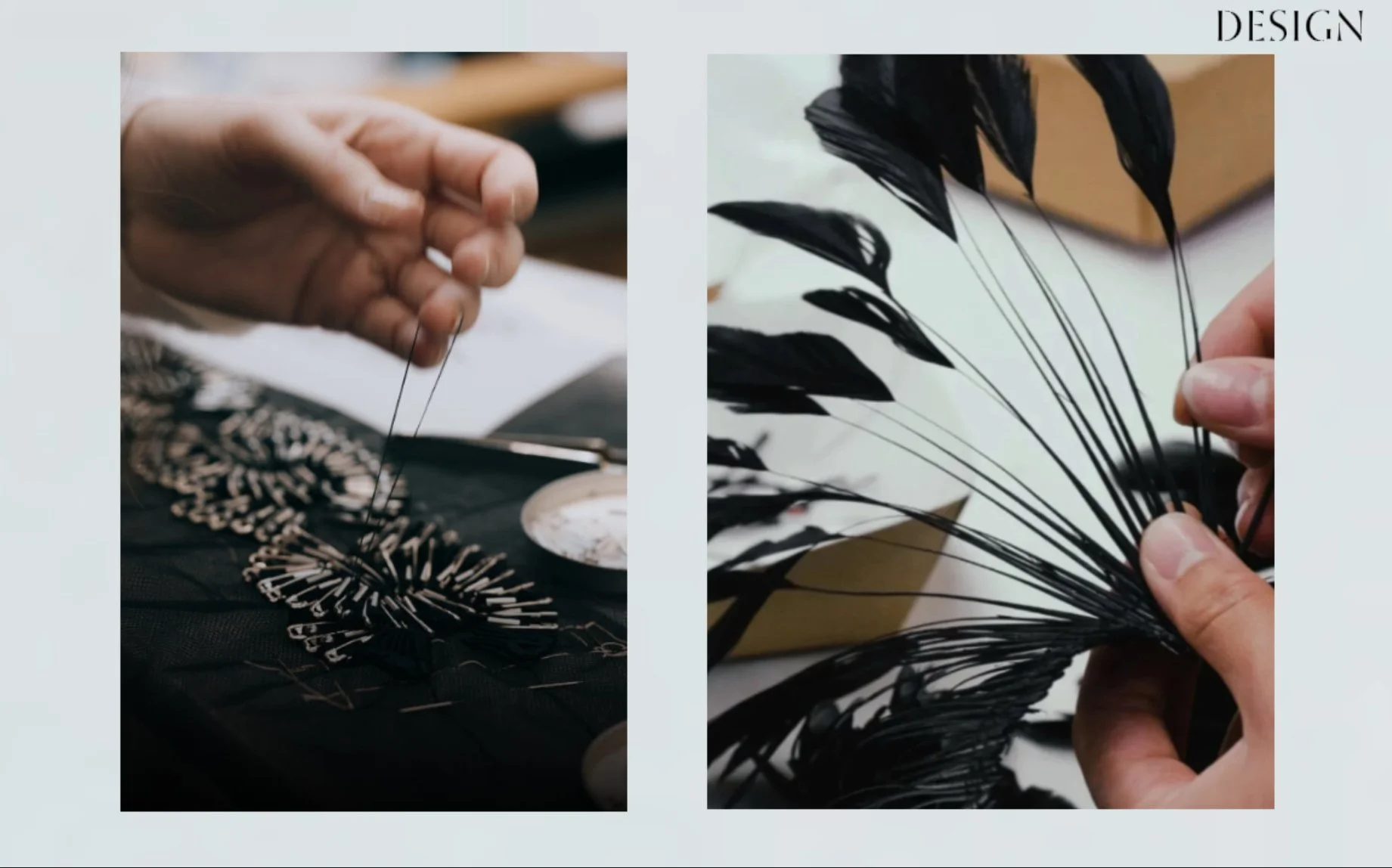
Maison Lemarié
We sat for a long time in the Lesage atelier on the last day of our visit, watching a woman whose name we were not given working on a piece that was not described to us. She was applying gold thread to black silk in a pattern so dense it was difficult to identify as pattern at all—it appeared, at distance, to be a field of light. She had been working on this particular section, she said, for eleven days. She expected to be finished by the end of the following week.
We asked if she ever grew tired of it. She considered this seriously. Then she said: “No. Every day it is different. The light is different. My hands are slightly different. The piece is slightly different. You cannot grow tired of something that is never the same.
By Oona Chanel
