

The Return of the Salon: How Collectors in Four Cities Are Rebuilding the Lost Art of Living with Art
Not galleries. Not white walls. Not investment-grade isolation. The renewed practice of surrounding yourself, daily and chaotically, with things that matter.
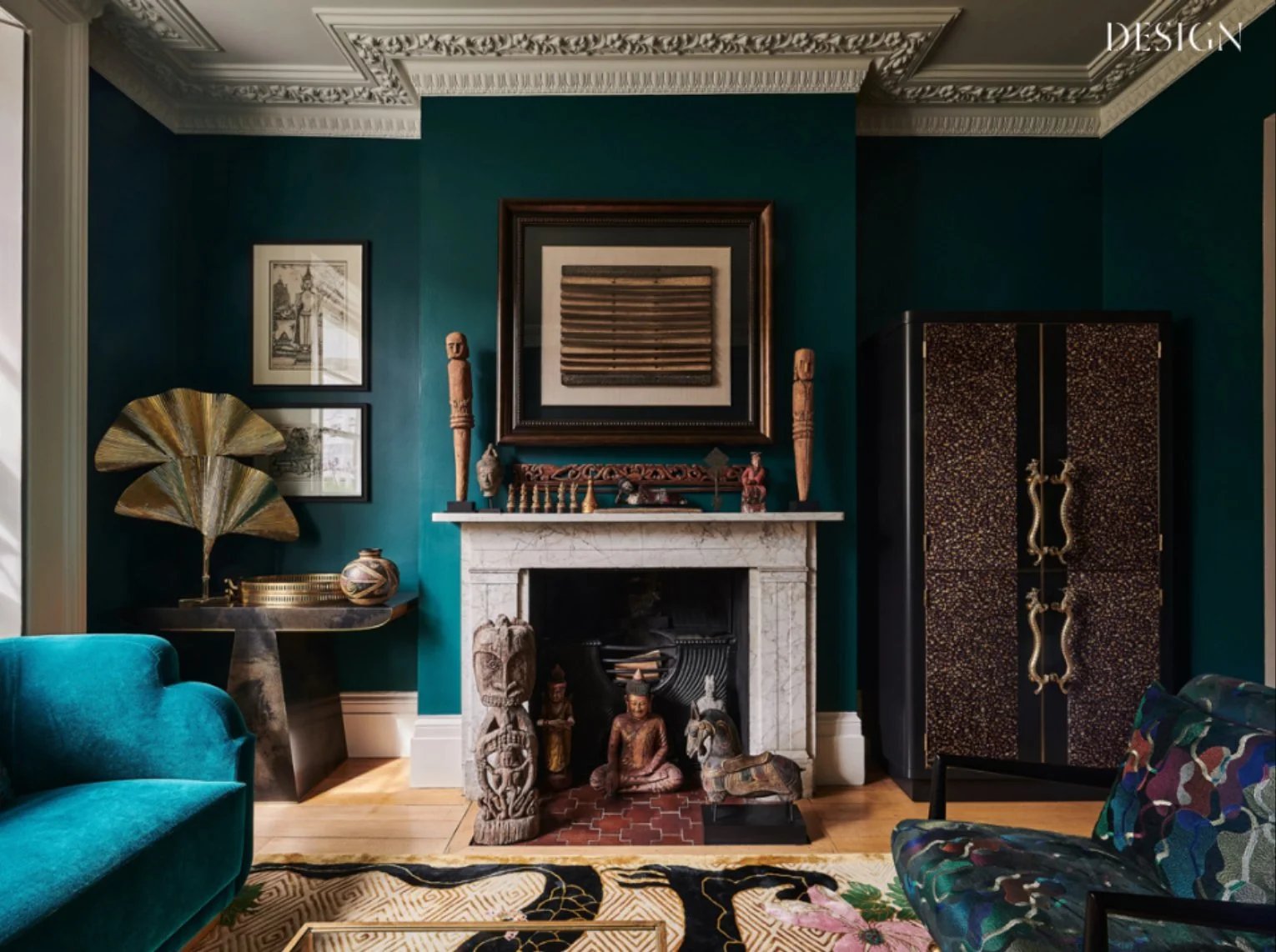
Antwerp collector home
“I have been looking at this painting for forty years. I understand it better this year than last year. I expect to understand it better next year. This is what it means to own something.”
There is a dining room in Antwerp that has not had a bare wall since 1987. This is not the result of acquisition for its own sake — the woman who lives here is deliberate to the point of severity in what she brings into the space. It is the result of a philosophy about what it means to be in the same room as a painting over years and decades: the way it changes, the way your relationship to it changes, the way it participates in the life of the room.
Palermo / long-term viewing
She is a retired textile designer who spent forty years making fabric for the couture houses of Paris and Milan. She has never had money of the kind that makes news — no single work cost more than what she calls "a medium amount, for the painting, not for the market." She owns approximately sixty works of art, of which perhaps eight would be recognizable to the international art market. The others are by artists whose names the market has not found, or has found and lost, or will find eventually and which she intends to be beyond caring about by then.
The tradition she represents — let us call it the inhabited collection — is one of the oldest forms of cultural engagement and, in the era of the investment-grade artwork stored in a Geneva freeport, one of the most endangered. The idea that art is something you live with, daily, in changing light, through the various seasons of your own life, and that this continuous relationship is what the art is for — this idea has been obscured, in the culture's imagination, by the more glamorous narrative of acquisition and value.
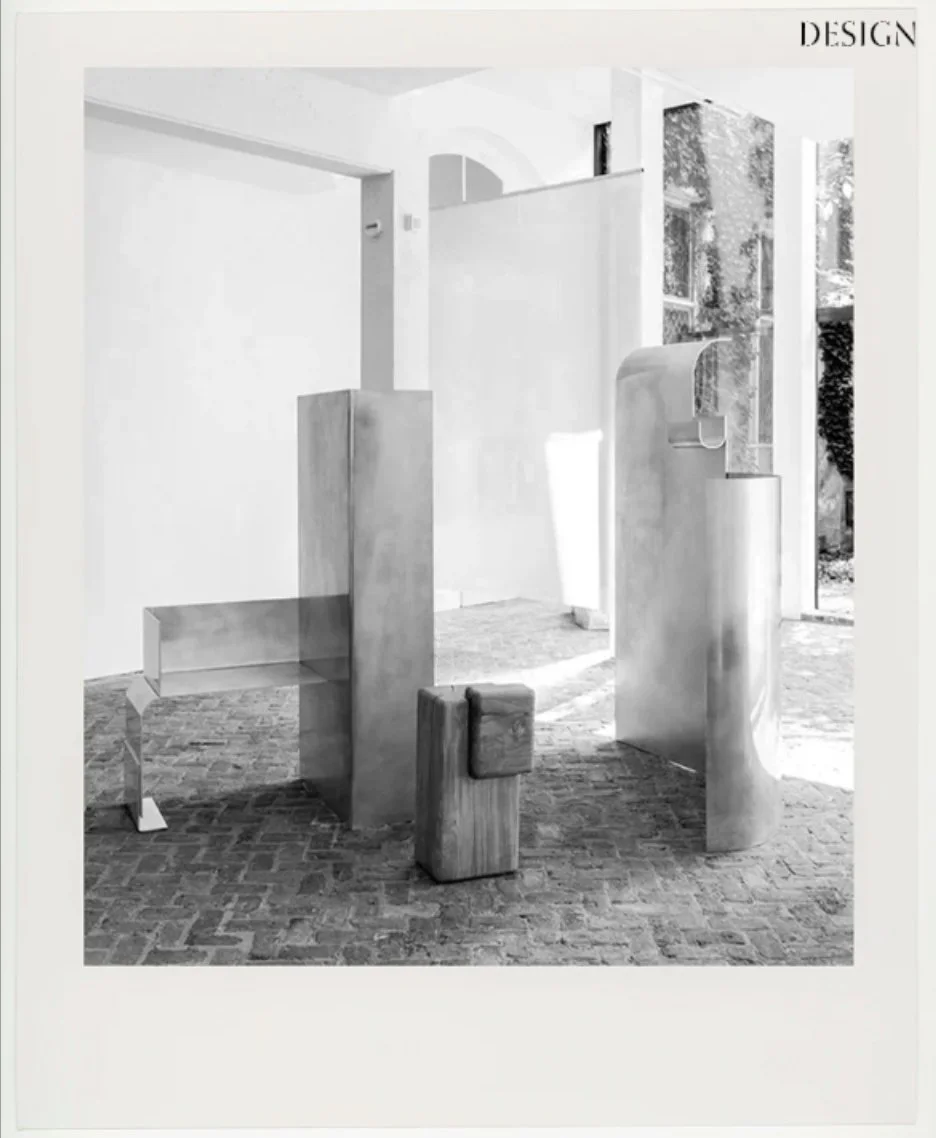
We spent time, over the course of several months, with collectors in four cities — Antwerp, Palermo, Mexico City, and Seoul — who are practitioners of what might be called domestic art life: people for whom the relationship with the objects they own is an ongoing and evolving conversation rather than a completed transaction.
In Palermo, a retired surgeon in his late seventies has been collecting Sicilian and Southern Italian painting since 1972. The work spans five centuries. The oldest piece — a fifteenth-century panel painting of a saint whose name he is no longer certain of — hangs above the kitchen table. He eats under it every morning. "I have been looking at this painting for forty years," he says. "I understand it better this year than last year. I expect to understand it better next year. This is what it means to own something."
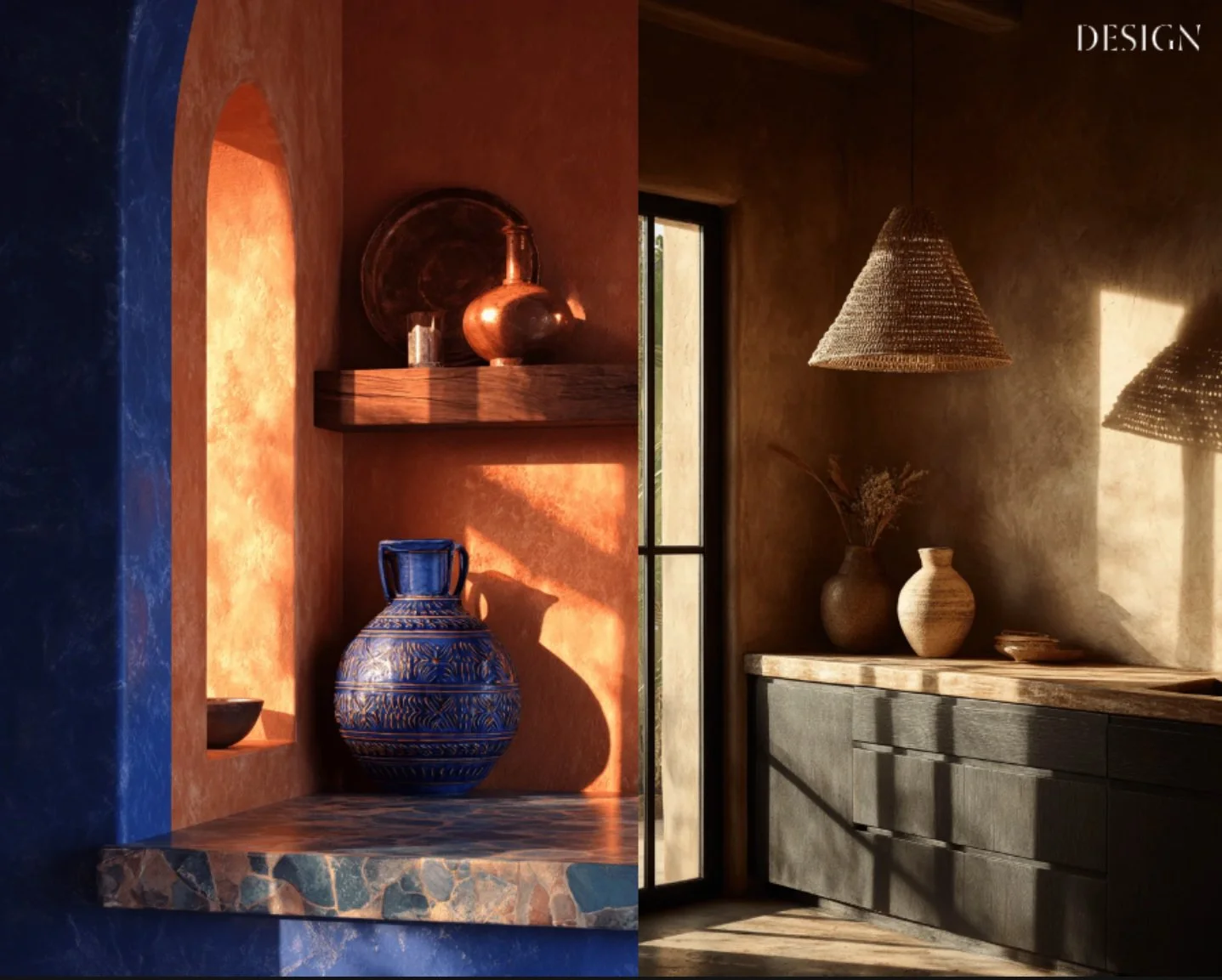
Interiors in Mexican style
In Mexico City, an architect in her early fifties has organized her collection around a principle she calls "productive dissonance": she deliberately places works that would not be shown together by any curator — a pre-Columbian fragment beside a contemporary Japanese painting beside a neon piece by a Mexican artist whose politics she disagrees with and whose work she finds impossible to live without. "The disagreement between the works," she says, "keeps me in a conversation with all of them. If everything agreed, I would stop looking."
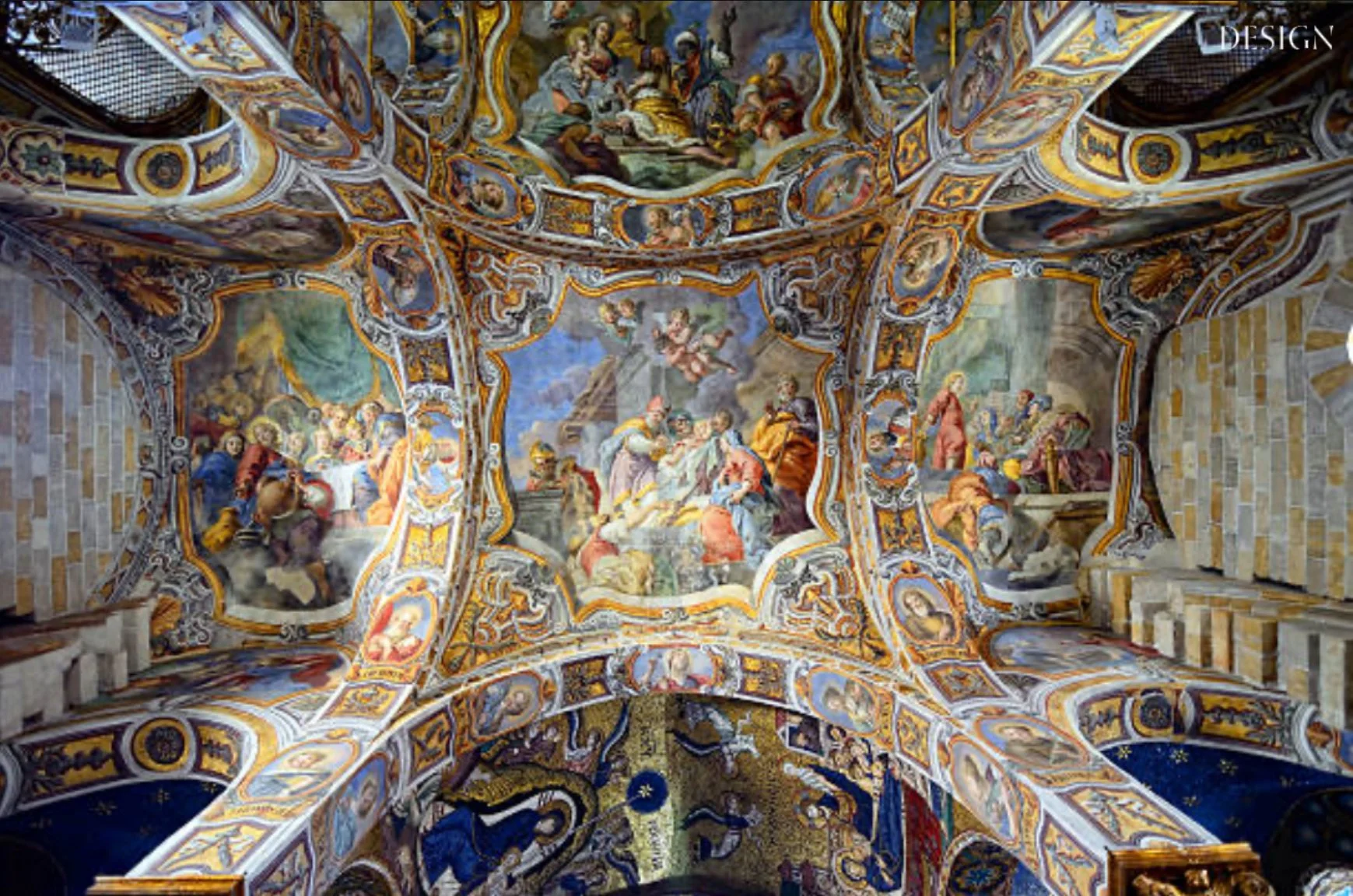
Southern Italian painting
In Seoul, a couple who have been collecting together for twenty-five years speak about the domestic collection as a form of shared language — works acquired during periods of their life that have embedded in the objects something that is now, necessarily, about memory and time as much as about aesthetics. "We don't know what this painting is worth," one of them says, gesturing at a large canvas over the sofa. "We know what it was. We know what it is now. These are very different things."
What these collectors share is not wealth — the range of economic resources is wide — and not taste, in any unified sense. They share a practice: the practice of continuous looking, of returning to the same works in different states of mind and different qualities of light, of allowing the relationship between yourself and an object to develop at the pace that relationships actually develop, which is slow.
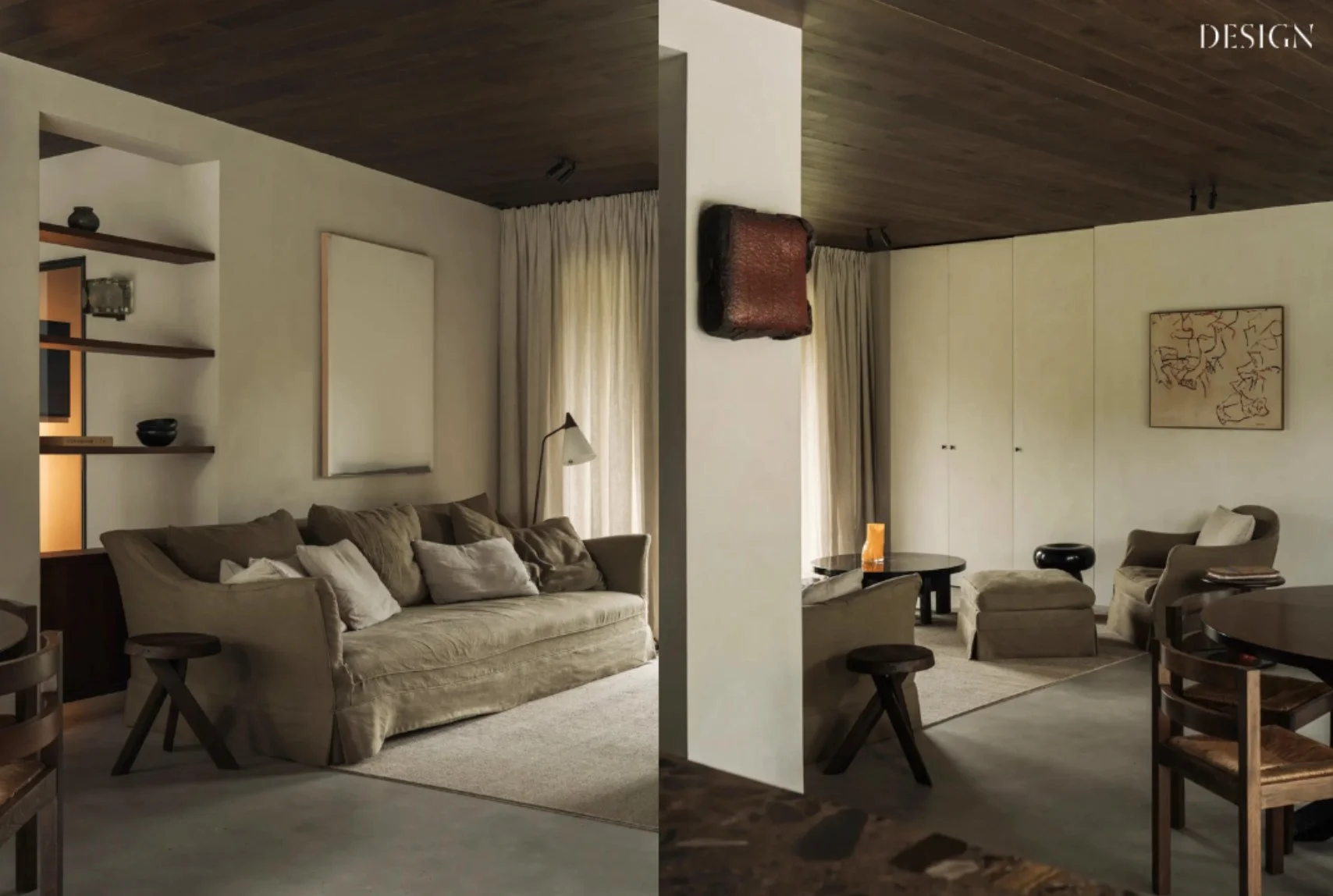
antwerp collector home
The white wall of the gallery is a provisional space: it shows the work to the maximum number of people under the most neutral possible conditions. It is a democratic gesture, and a valuable one. But it is not how the work was made to be seen. Most paintings — most great paintings, from the Flemish cabinet pieces to the Rococo ceilings to the abstract works of the twentieth century — were made to be lived with. To be seen repeatedly, in the peripheral vision, across the table, from a particular chair in a particular corner of a room. To be part of the texture of a life.
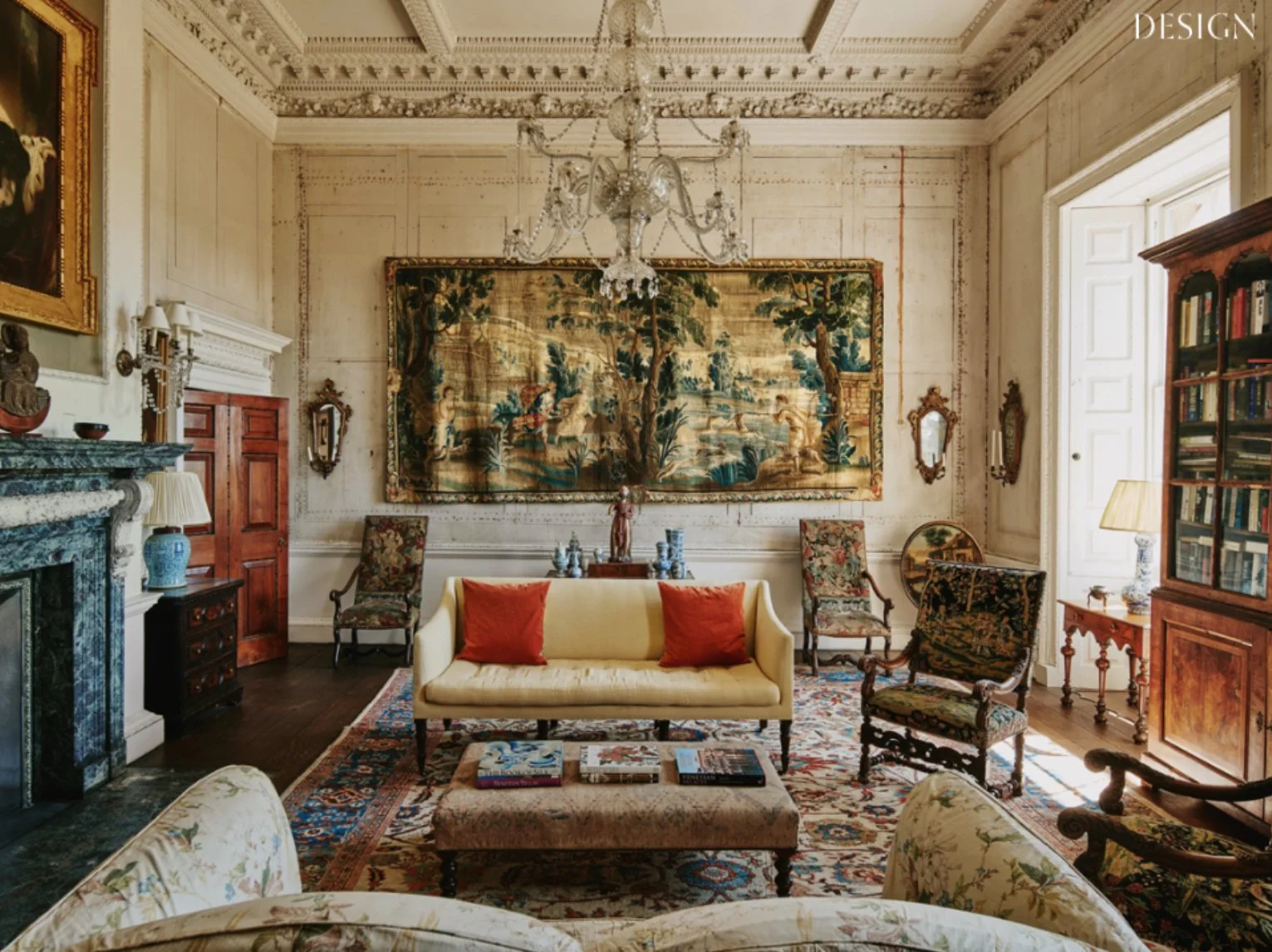
18th century hall in Norfolk
The dining room in Antwerp has a painting over the mantelpiece that she bought in 1994, by a Belgian artist who died in 2003. She has spent thirty years with it. She knows, she says, every square centimeter of its surface — not intellectually but physically, the way you know the faces of the people you love.
When I ask what the painting is of, she hesitates. "It is of a woman in a chair," she says. "But mostly it is of time."
BY OONA CHANEL
