

The New Black: How a Generation of Designers Is Building Fashion's Most Radical Proposition
Not trends. Not seasons. A permanent, considered, utterly contemporary wardrobe — and the designers in four cities making it possible.
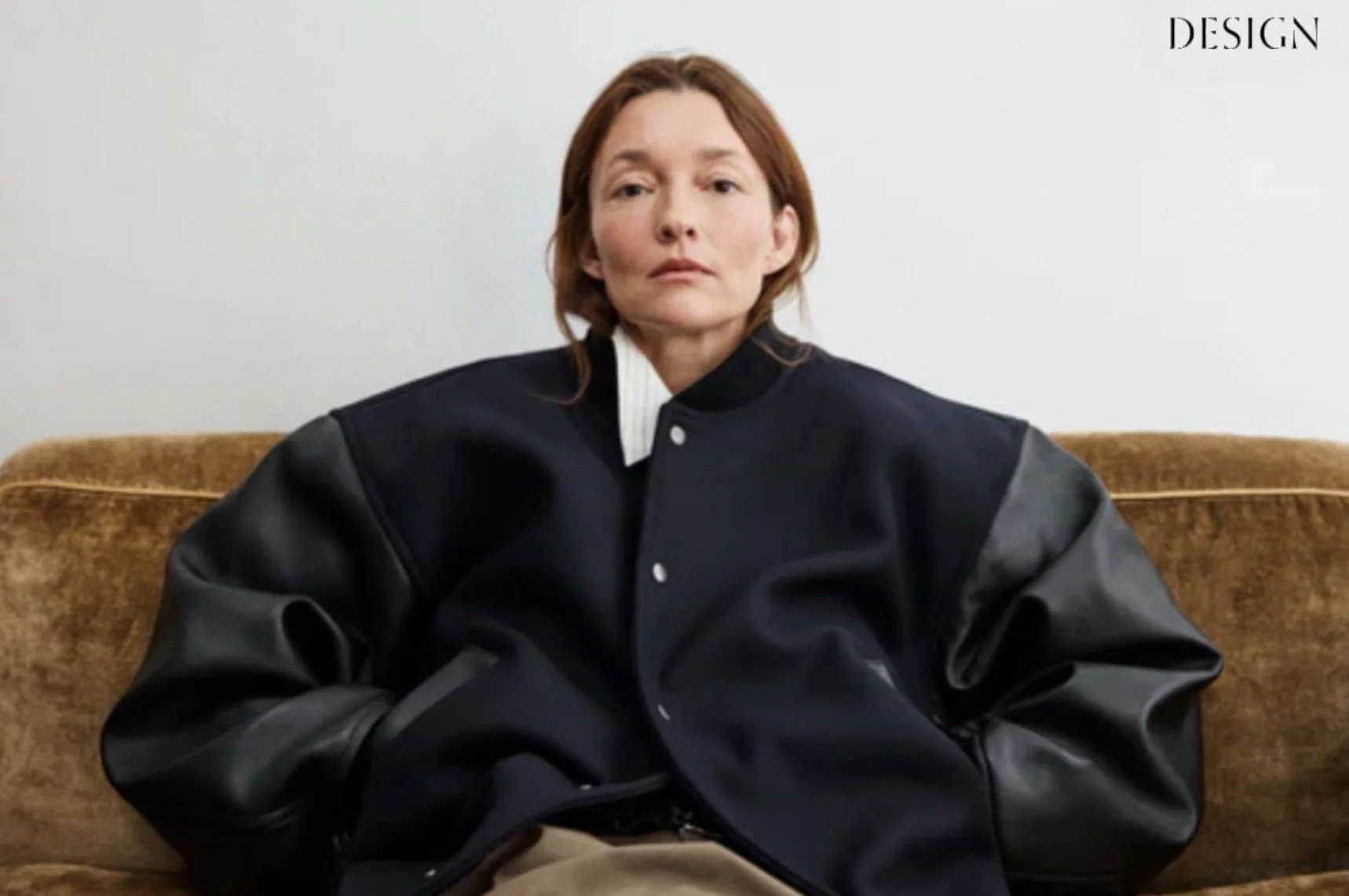
Studio Nicholson
“The value of a garment is inseparable from the quality of thought that went into it. And quality of thought requires time — time to source the fabric, to arrive at the cut, to make the decision about whether the thing is genuinely ready.”
There is a woman in Copenhagen who has not bought a trend garment in nine years. This is not asceticism. She is extraordinarily well dressed. Her wardrobe is, by her own account, approximately forty pieces, each of which she bought with the same level of consideration she would bring to an architectural decision, and each of which she still wears with the same frequency and satisfaction as the day it arrived.
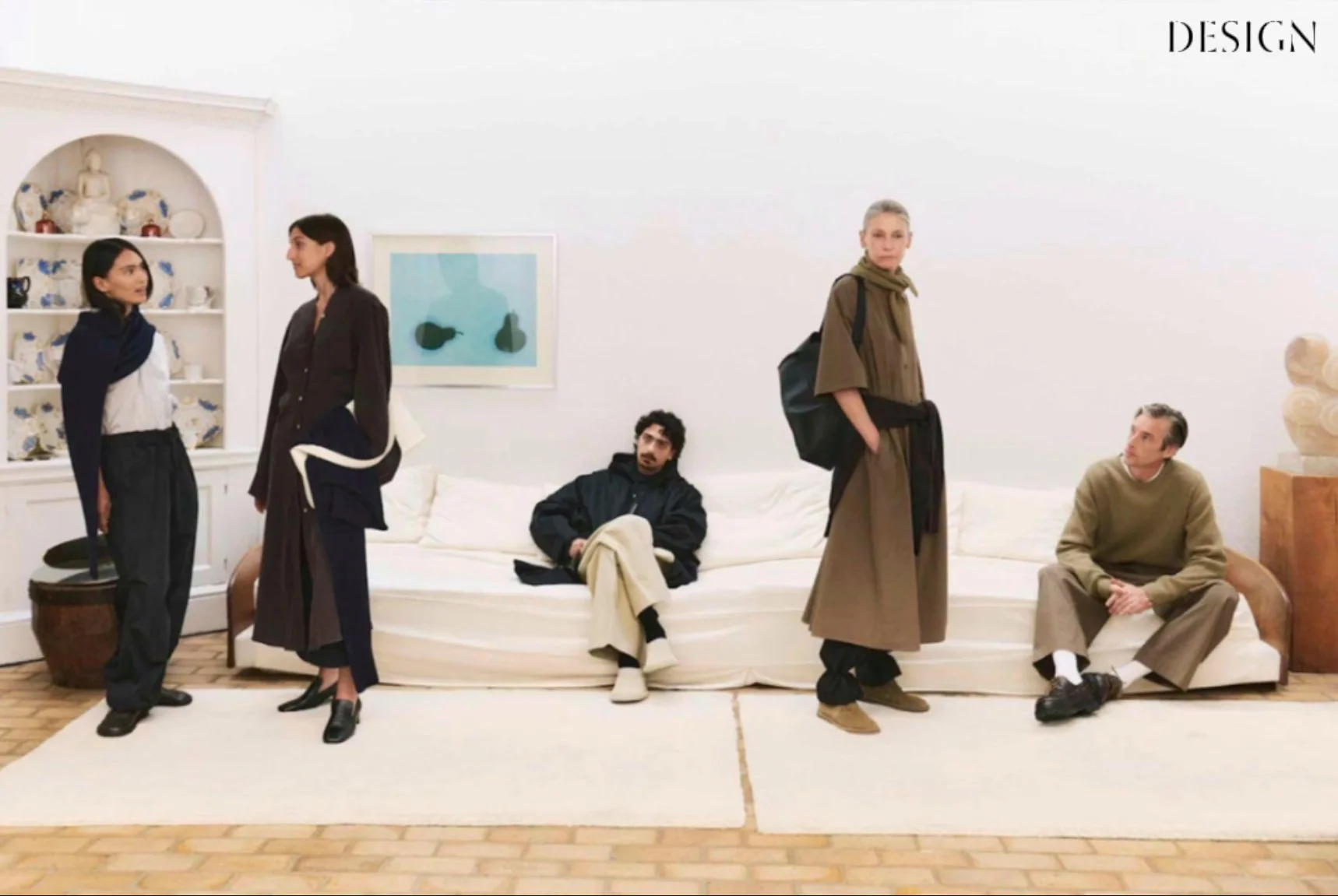
Studio Nicholson
She is not a minimalist, in the strict aesthetic sense. The pieces are not all white or all black or identically structured. They are, rather, unified by a quality of resolution — the sense that the designer, when making them, had arrived at a final answer rather than a provisional one. She wears Auralee. She wears Studio Nicholson. She wears a Japanese brand called Comoli whose annual output is so deliberately limited that acquiring pieces requires effort. She wears things she found in archives and things she had made to measure and things that are, technically, menswear. The wardrobe is, as a whole, a portrait of a specific intelligence applied to clothing over time.
This is the conversation that the fashion industry is not having, because it cannot afford to. The industry runs on novelty: on the proposition that what exists now is not sufficient and that what arrives next will be better. This proposition is, for a growing number of the most thoughtful dressers in the world, simply not credible. They have found the things that work. They are not waiting for something new.
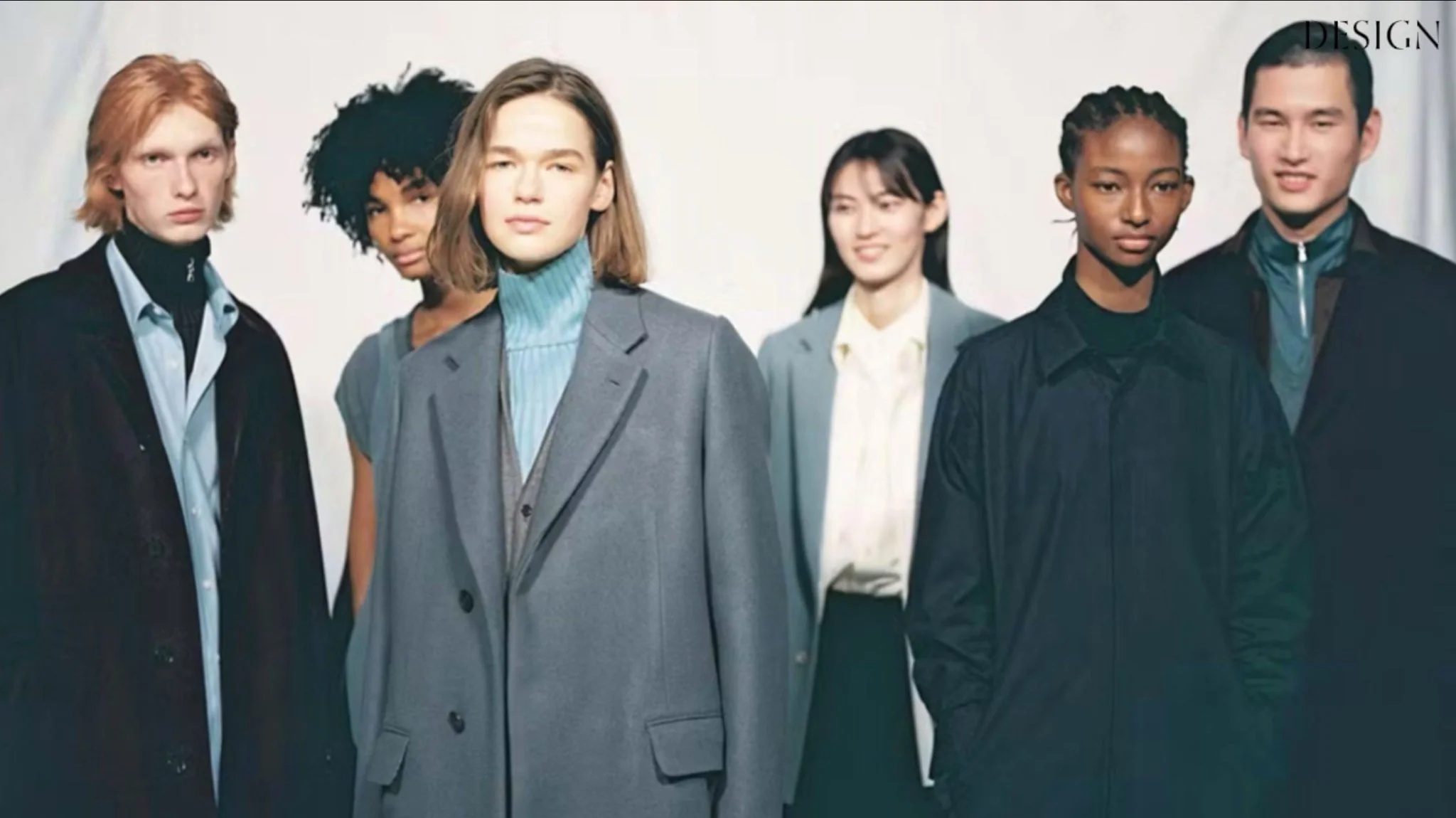
Auralee
The designers who serve these people are not household names, largely because household names require a scale of production and a pace of output that is incompatible with what they are doing. Auralee, founded in Kyoto in 2015 by Ryota Iwai, produces small runs of fabric-forward pieces in natural materials chosen with an obsessiveness that borders on the theological. The touch of the cloth is the point. Not the silhouette, not the reference, not the season. The cloth.
Studio Nicholson, founded in London by Nick Wakeman, operates on a similar premise: that the value of a garment is inseparable from the quality of thought that went into it, and that quality of thought requires time — time to source the fabric, to arrive at the cut, to make the decision about whether the thing is genuinely ready. Collections are small. They sell out slowly. They remain in use for decades.

Auralee
The Japanese designers in this conversation — Comoli, Outil, Auralee, and a handful of others whose names do not translate well into international press — operate within a tradition of clothing philosophy that has no direct equivalent in Western fashion. It proceeds from the principle that a garment is a relationship between maker, material, and wearer, and that this relationship has a dignity requiring care at every stage. You do not rush it. You do not compromise the material for the deadline. You do not make something you would not wear yourself.
The conversation extends to Europe: Margaret Howell in London, whose practice has been making the same essential argument since 1970; Norse Projects in Copenhagen, which approaches the Nordic wardrobe tradition with the same intellectual seriousness; the Paris-based Officine Générale, whose founder Jean-Michel Millot trained at Charvet and brings a shirt-maker's precision to the whole vocabulary of dressed life.
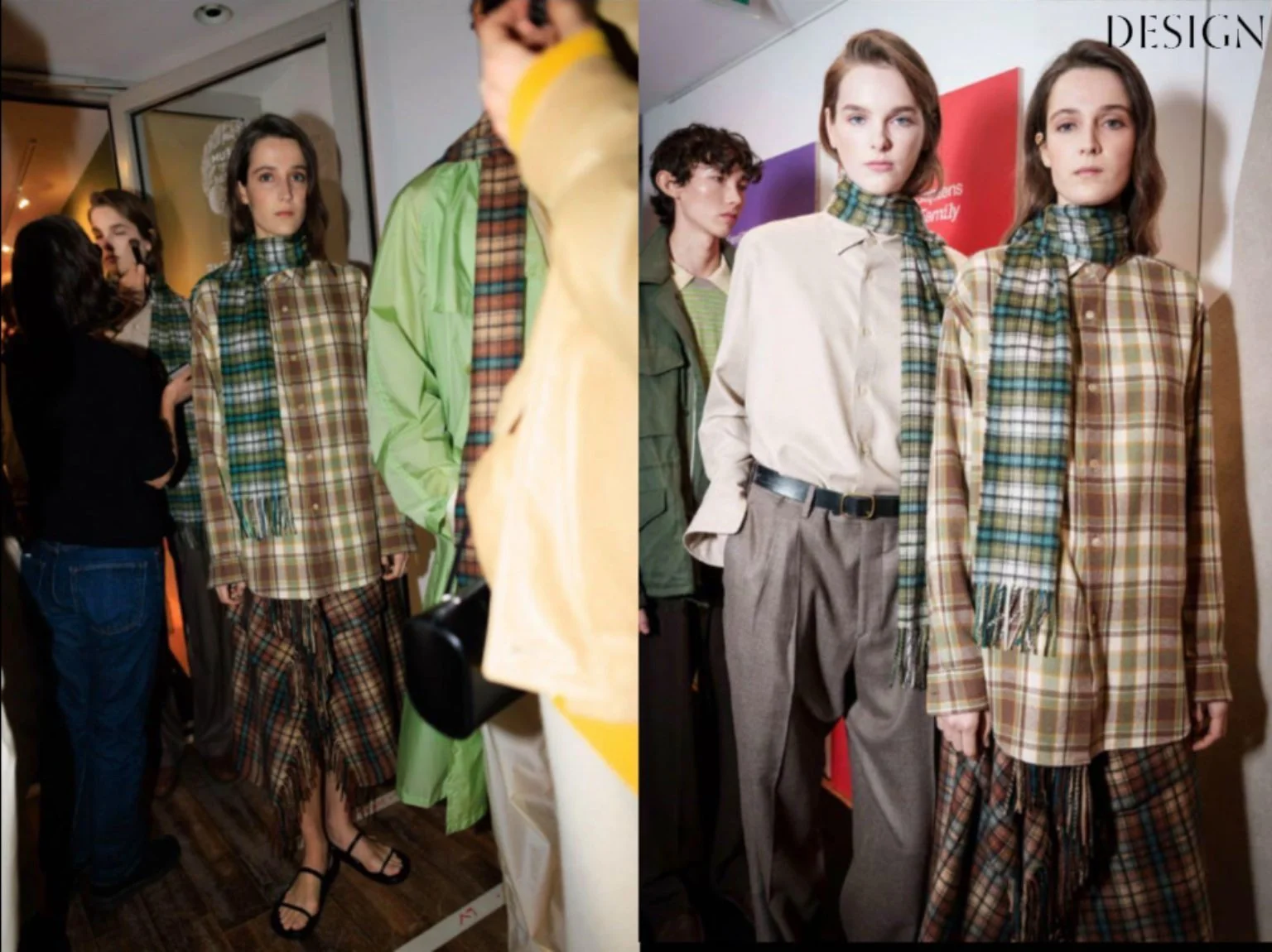
Auralee
What these designers share is not a visual aesthetic — the work spans a considerable range of looks — but an approach to the problem of making. They are, in different ways and from different traditions, asking the same question: what is the most honest version of this garment? And then, crucially, making it.
The commercial model is, in each case, different. Some work with retail partners. Some sell direct. Some produce so few pieces that their entire output could fit in a single room. What they have in common is financial sustainability without scale: they have found the number of people in the world who want what they make, and they make that amount, and they are not trying to grow beyond it.
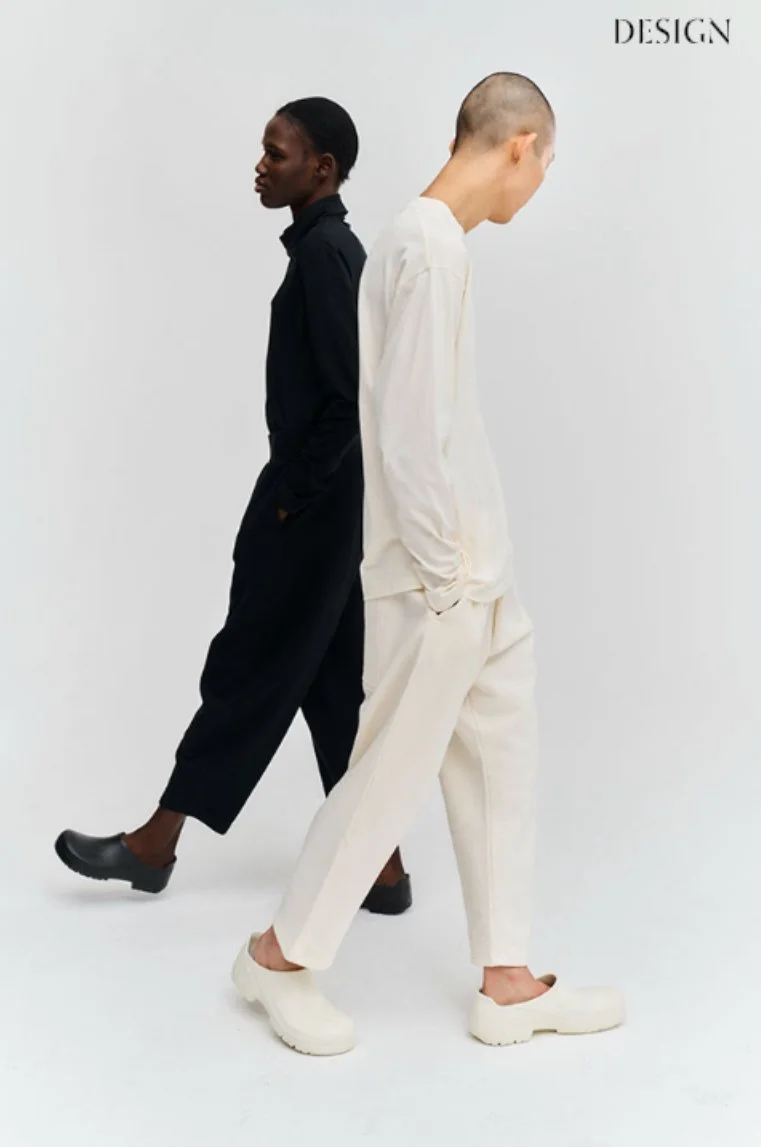
Studio Nicholson
This is, for the fashion industry, a revolutionary proposition. The industry is built on the premise that more is always available and always better. These designers are making the case — with their practices, their materials, and their results — that less, done with absolute commitment, is the more powerful argument.
The woman in Copenhagen has been approached by several of these designers, who found her through the slow accumulation of her public appreciation for their work. She has met some of them. She says, of these encounters: "They dress exactly the way I thought they would." This is, in the context of what we are discussing, the highest possible compliment.
By Oona chanel
