

The Christopher Kane Era at Mulberry: Why This Appointment Is More Interesting Than It Appears
The British designer who redefined what intellectual fashion could look like from London has been named creative director of one of Britain's most heritage-laden houses. The combination has a specific kind of promise — and a specific kind of challenge.
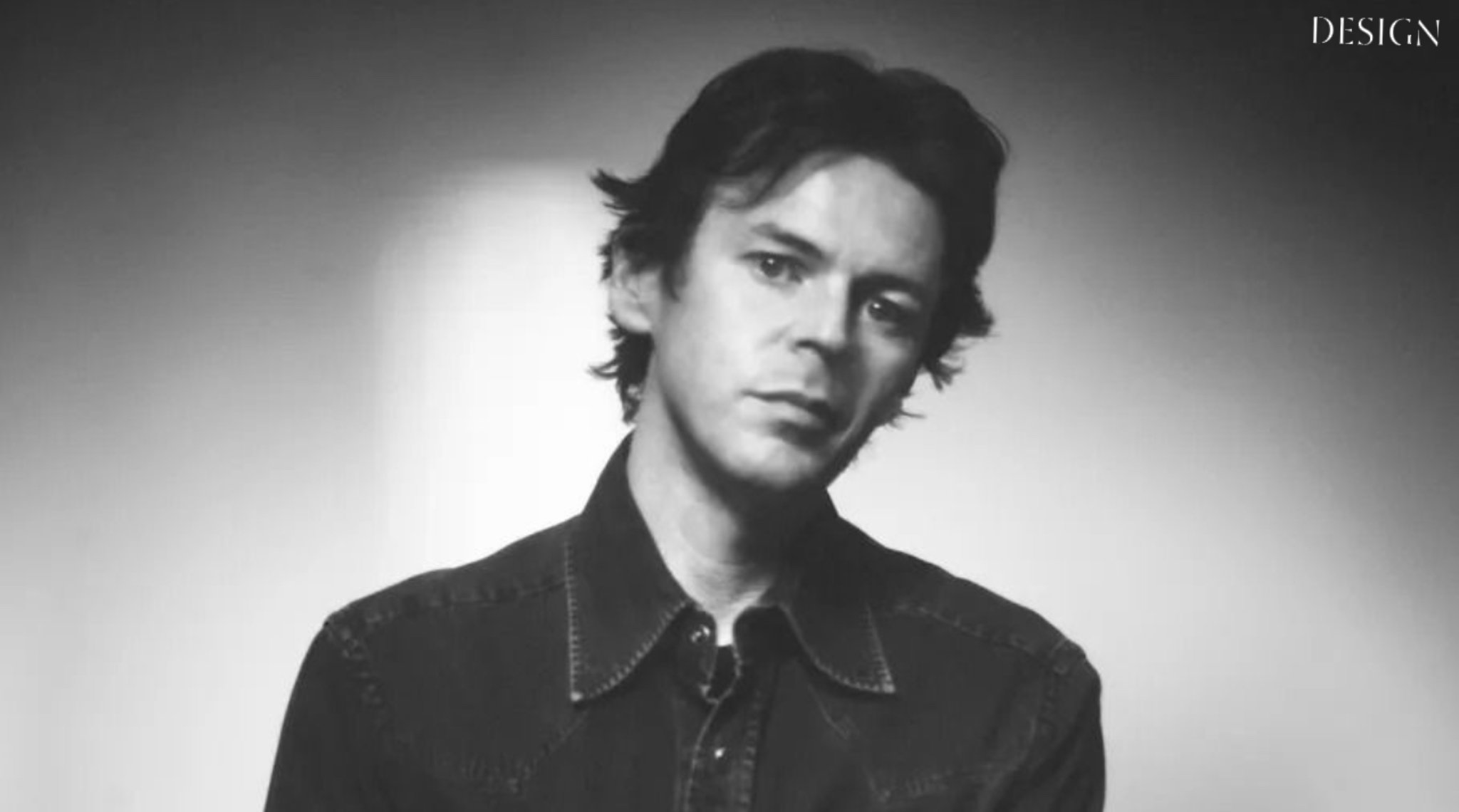
“Kane is one of the few British designers who has maintained a relationship to materiality that is neither nostalgic nor trend-driven — finding the formal intelligence inside a cultural material rather than using cultural material as decoration. This is exactly the skill Mulberry needs.”
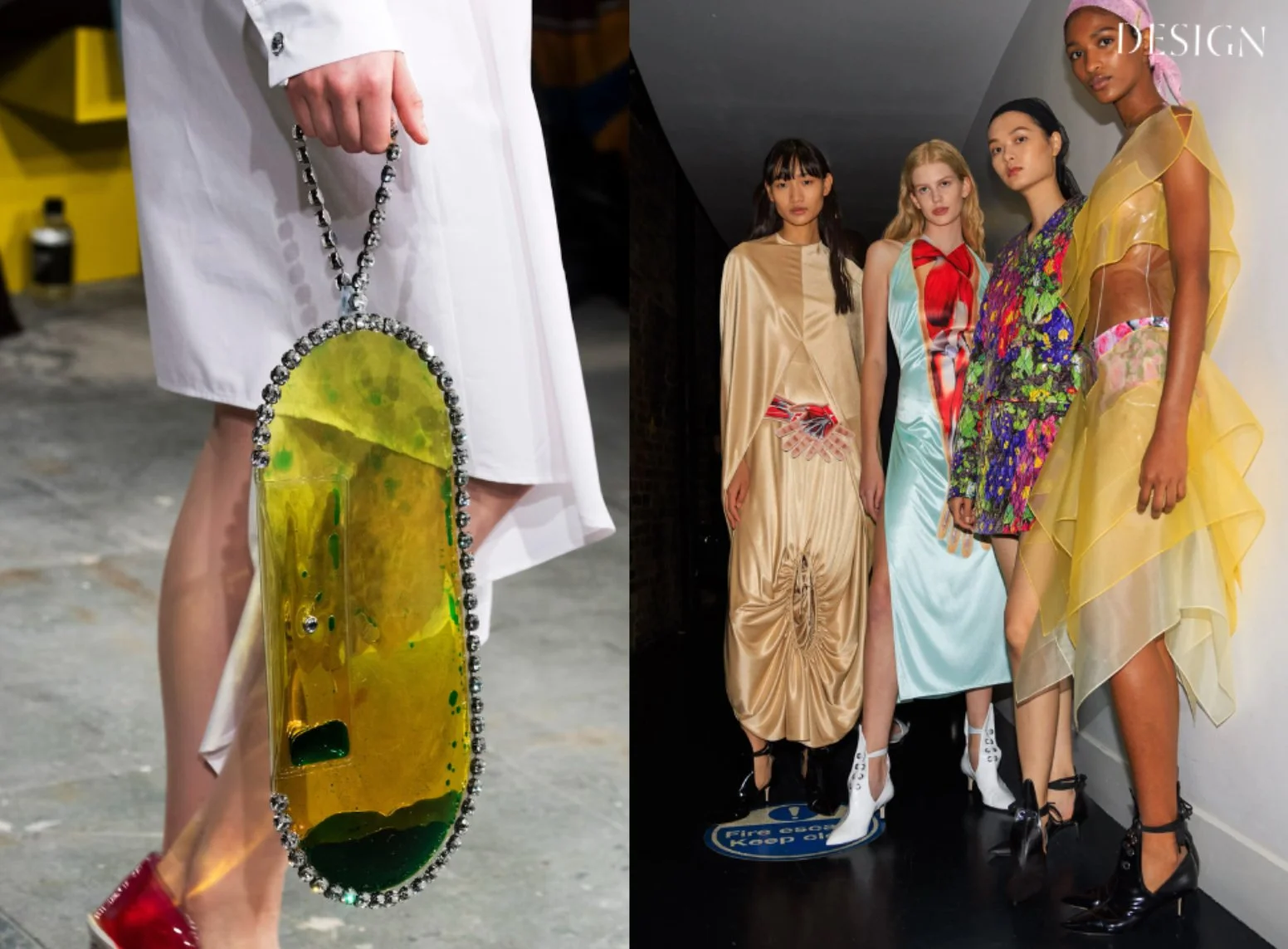
Christopher Kane has been named the new creative director of Mulberry, with his first collection set to debut at London Fashion Week in September 2026. The announcement was received with the cautious optimism the British fashion world extends to appointments at British heritage houses — cautious because the recent history of such appointments is mixed, and optimistic because Kane is, whatever else he is, genuinely surprising.
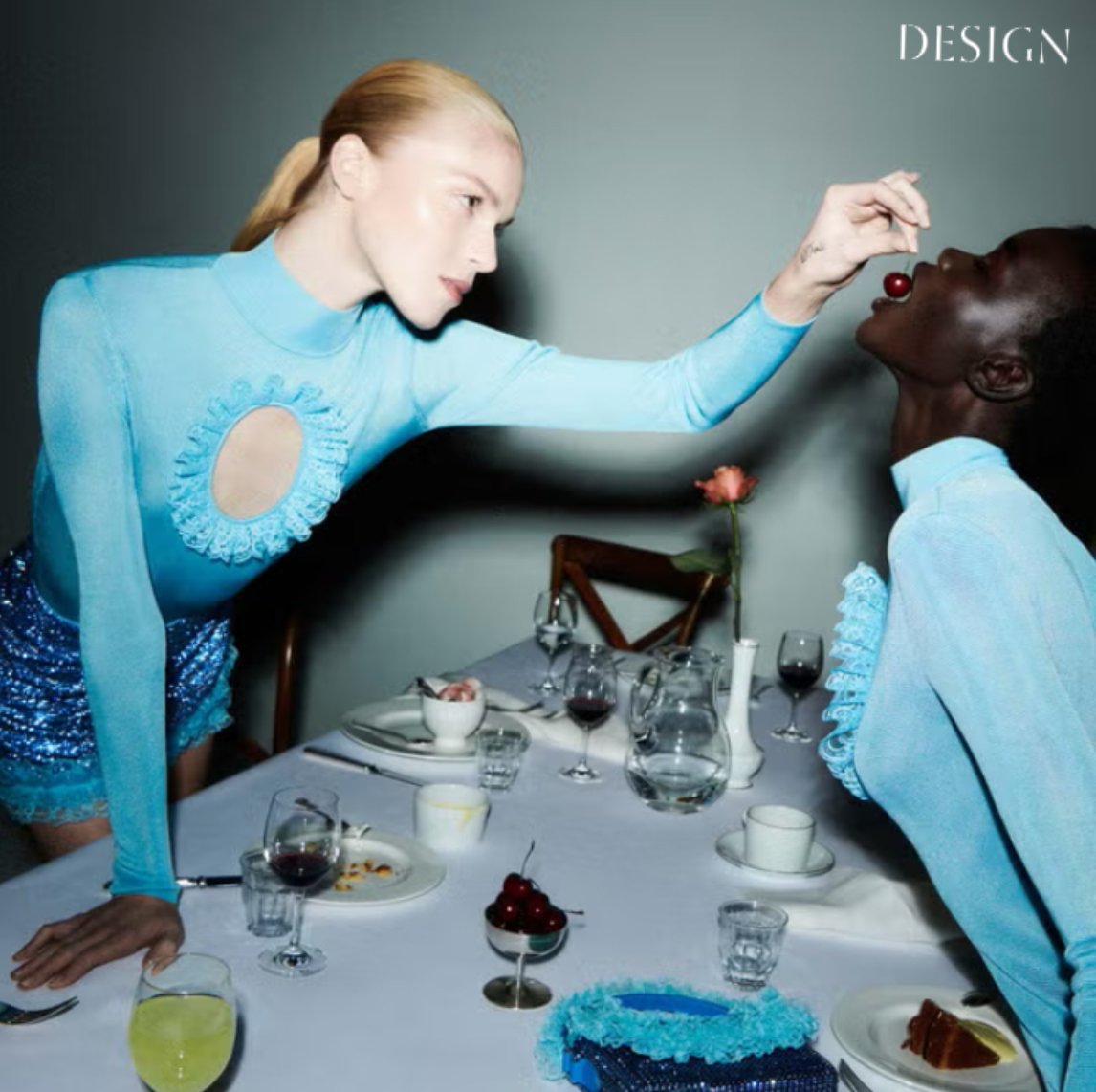
The case for Kane at Mulberry is specific and worth making explicitly. He is one of the few British designers of his generation who has maintained, across twenty years of practice, a relationship to the body and to materiality that is neither nostalgic nor trend-driven. His work at his own label — the lace, the pleating, the specific references to Scottish industrial heritage and the biology of the body that recur throughout his archive — was always about finding the formal intelligence inside a cultural material rather than using cultural material as decoration.
Mulberry's situation is one that several mid-market British heritage brands have shared in recent years: a brand identity so thoroughly associated with a specific aesthetic moment — the Alexa bag, the Cara Delevingne era, the early 2010s British cool girl moment — that the subsequent decade has felt like a negotiation between the identity and the changed culture it sits within. The brand is not damaged. It is paused. It is a house with genuine craft credentials, a British manufacturing commitment that is one of the most sincere in the industry, and a customer relationship built over decades.

Kane's relationship to British manufacturing is biographical rather than rhetorical: he grew up in Glasgow, trained at Central Saint Martins, built his label on collaborations with British factories and British textile traditions. He understands what British making is at the level of material knowledge rather than brand communication. This understanding is, at a house like Mulberry, the prerequisite for everything else.
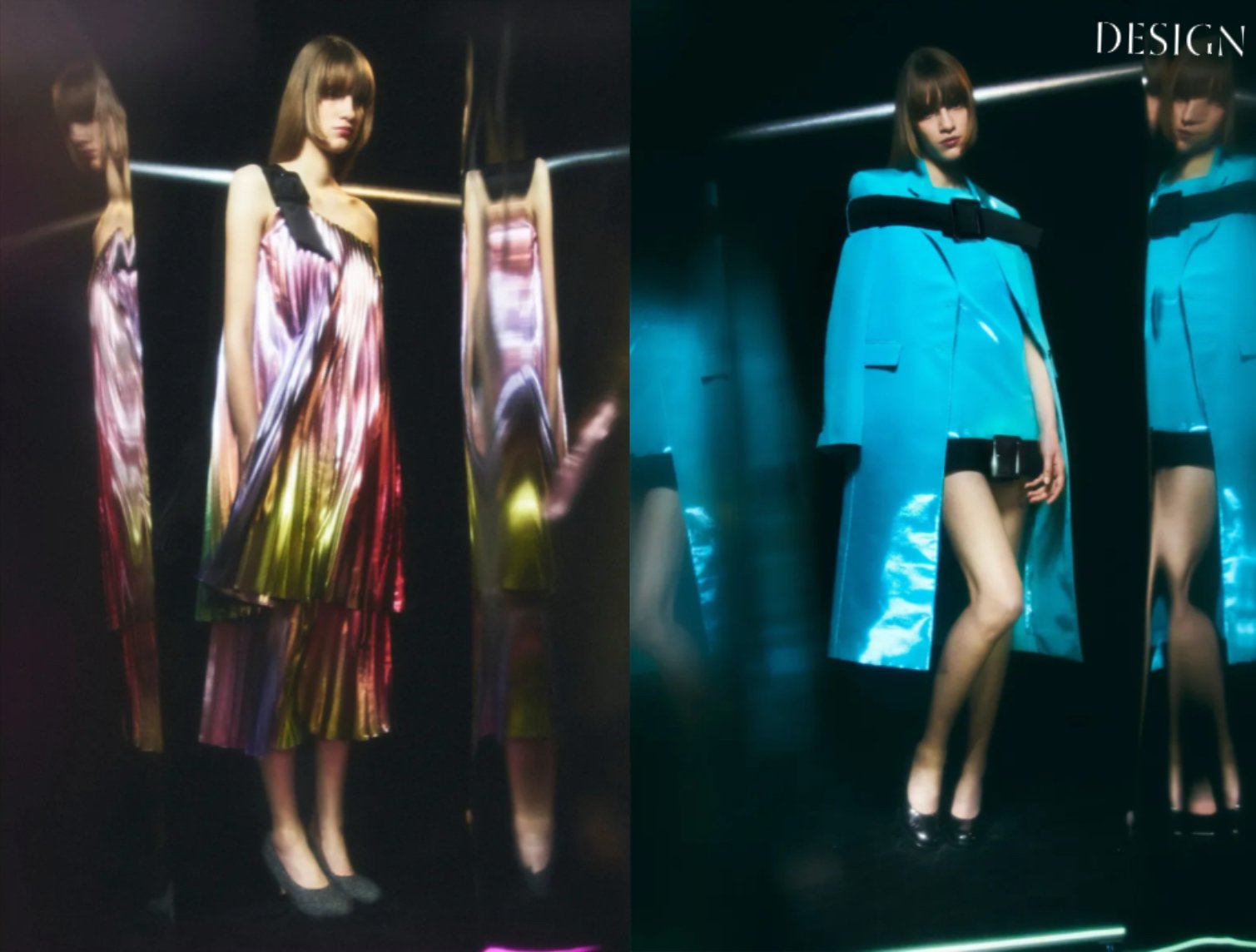
The challenge is real and worth naming. Kane's formal vocabulary — which has always been slightly strange, slightly bodily, slightly preoccupied with what happens at the edges of things — does not immediately translate to the wardrobe of the Mulberry customer, whose relationship to the brand is warmer and more accessible than Kane's work has typically been.
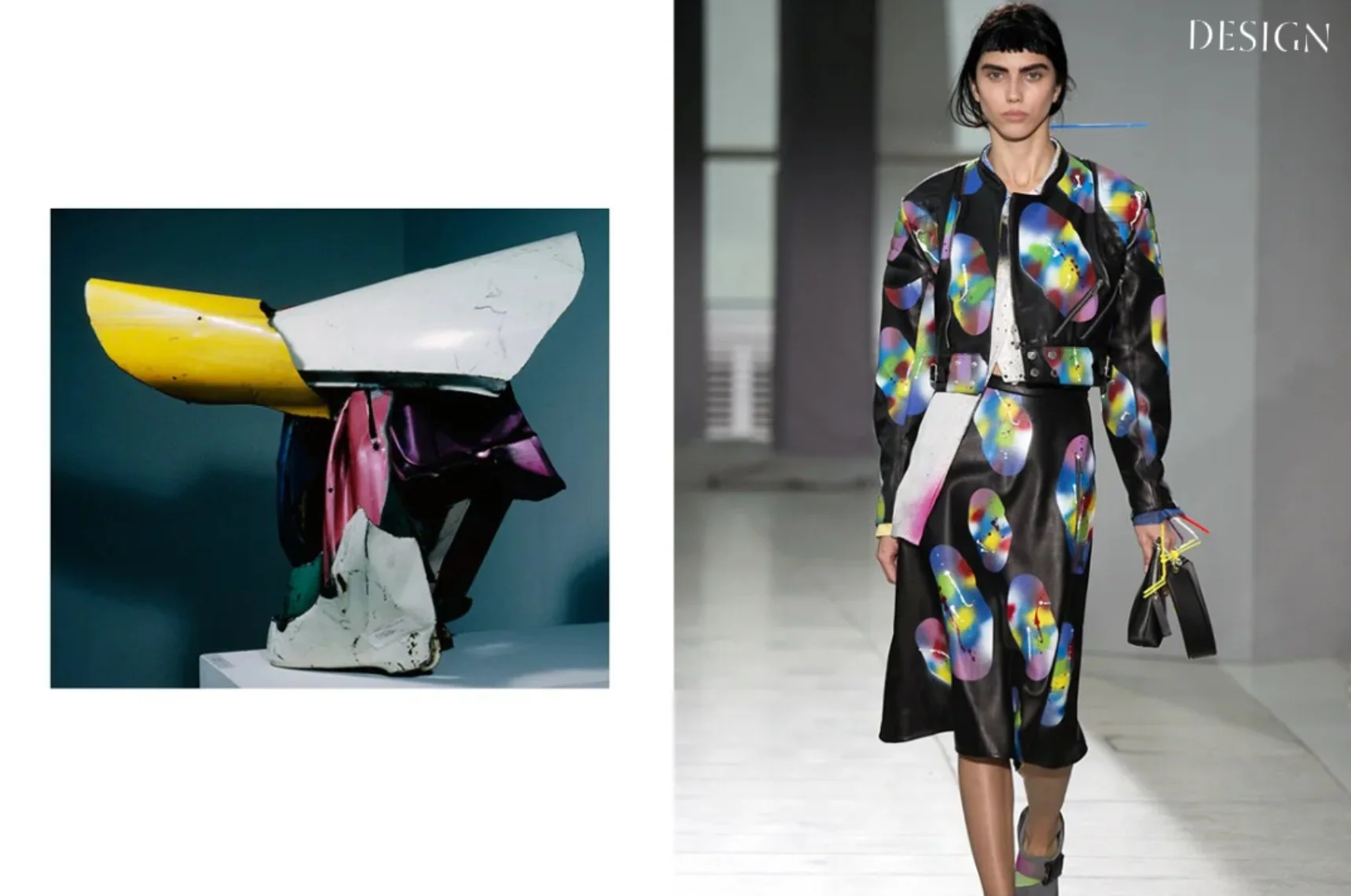
The opportunity is equally real: Kane's strangeness, applied with care to a house with genuine heritage, might produce exactly the combination of the familiar and the surprising that heritage houses are always trying and rarely managing to achieve.
The bags will be the early commercial test. The Bayswater, the Lily, the Postman's Lock — Mulberry's bag archive is one of the best in British fashion, and what Kane does with it will tell us more about his vision for the house than any runway look.
The September show is the most interesting single fashion week appointment on the London calendar. Watch for it.
BY OONA CHANEL
