

Loewe at the Crossroads: What Mc Collough and Hernandez Inherit —and What They Must Invent
Jonathan Anderson left. Jack McCollough and Lazaro Hernandez arrived. The most watched handover in fashion right now — and what it means for the house that craft built.
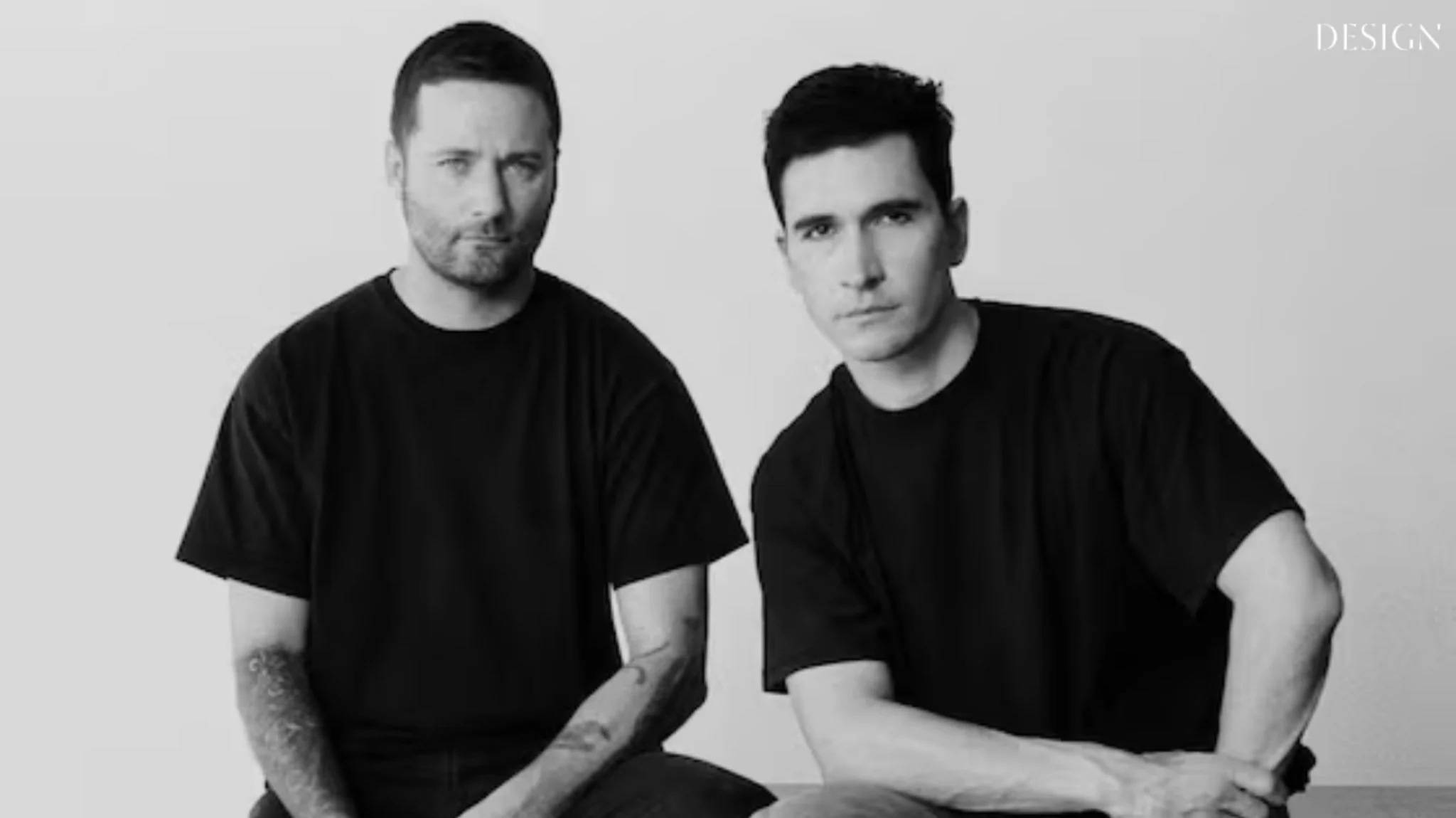
Mc Collough and Hernandez
“Anderson organized the house around craft, around art, around the idea that fashion could be a site of genuine intellectual curiosity. This is the rarest form of luxury brand-building — and the most difficult to replicate.”
The exit was graceful and the entrance is careful. This is, in fashion, the best possible combination — and it is not always available. When Jonathan Anderson announced in March 2025 that he was leaving Loewe after eleven years, the industry had the unusual luxury of knowing what came next: Dior, where he is now Creative Director of both women's and men's collections, writing what will be one of the most scrutinized chapters in the house's history. And at Loewe, effective April 7, 2025: Jack McCollough and Lazaro Hernandez, the Parsons-trained American duo who built Proenza Schouler from a graduation collection into one of New York's most respected fashion names over twenty years.
The handover matters beyond the personnel because of what Anderson built and what it will now be asked to sustain. In eleven years, he took a Spanish leather goods house founded in 1846 — respected within the industry, essentially unknown outside it — and made it one of the most culturally alive brands in fashion. The strategy was not conventional: rather than chasing trend velocity or celebrity adjacency, Anderson organized the house around craft, around art, around the idea that fashion could be a site of genuine intellectual curiosity. The Loewe Craft Prize, which he established in 2016, was not a marketing gesture. It was a philosophical position: this house believes that the knowledge held in skilled hands is among the most valuable things in the world.
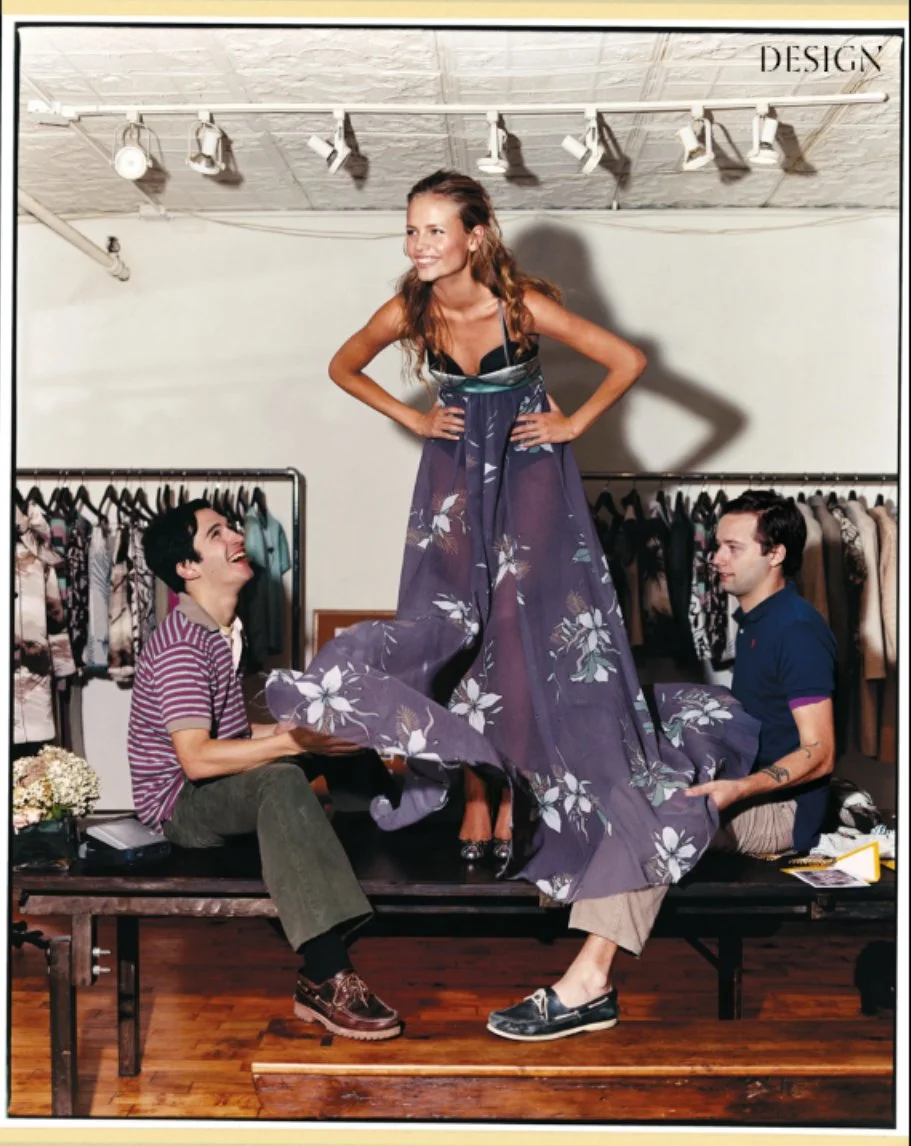
Mc Collough and Hernandez
The results were commercial as well as critical. Revenues multiplied more than seven times over his tenure, approaching two billion euros. The Puzzle bag became one of the most coveted objects in contemporary fashion. The shows — which referenced William de Morgan tiles, Bloomsbury textiles, the work of Donald Judd — were among the most discussed of each season. The house went from peripheral to central not by becoming louder but by becoming more serious. This is the rarest form of luxury brand-building, and it is the most difficult to replicate.
McCollough and Hernandez are serious people. Their twenty years at Proenza Schouler produced a body of work that was consistently, intelligently itself: the PS1 bag, the woven leather and textile collaborations with Jack Lenor Larsen, the downtown New York cool that never tipped into irony or emptiness. They left their own house in January 2025 — their twentieth anniversary, they said, prompting "a deep reflection" — and arrived at Loewe two and a half months later. The speed of the transition suggests either very efficient conversations or conversations that began some time before the official announcements.
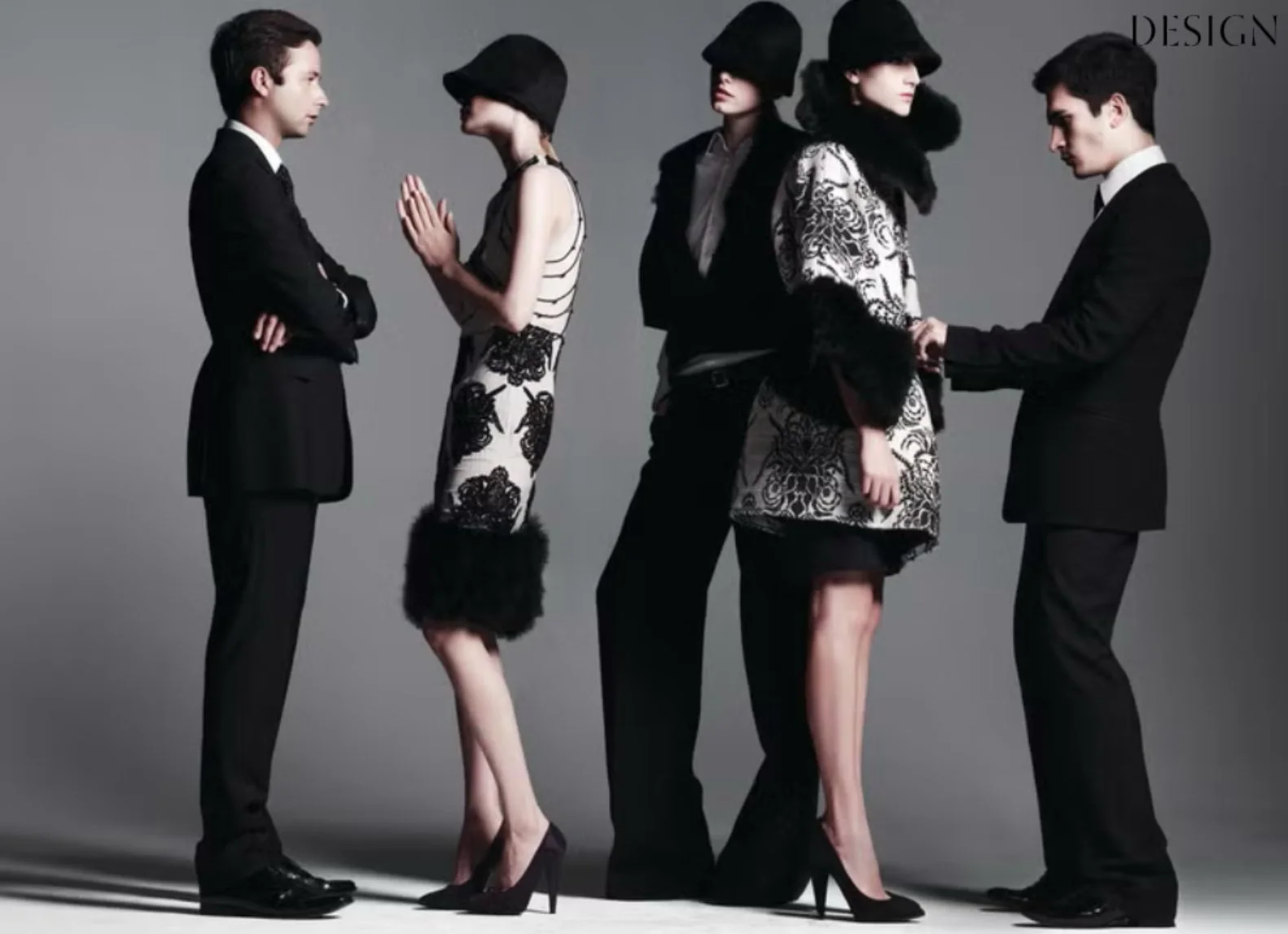
Proenza Schouler
The open question — which the industry is discussing with a level of engagement that reflects how much Anderson's Loewe meant to it — is not whether McCollough and Hernandez are good enough. They are. The question is whether the specific thing Anderson built at Loewe is transferable or whether it was, in the deepest sense, his: the product of a singular sensibility operating in a specific cultural moment, which produced a specific result that cannot simply be continued by new hands, however skilled.
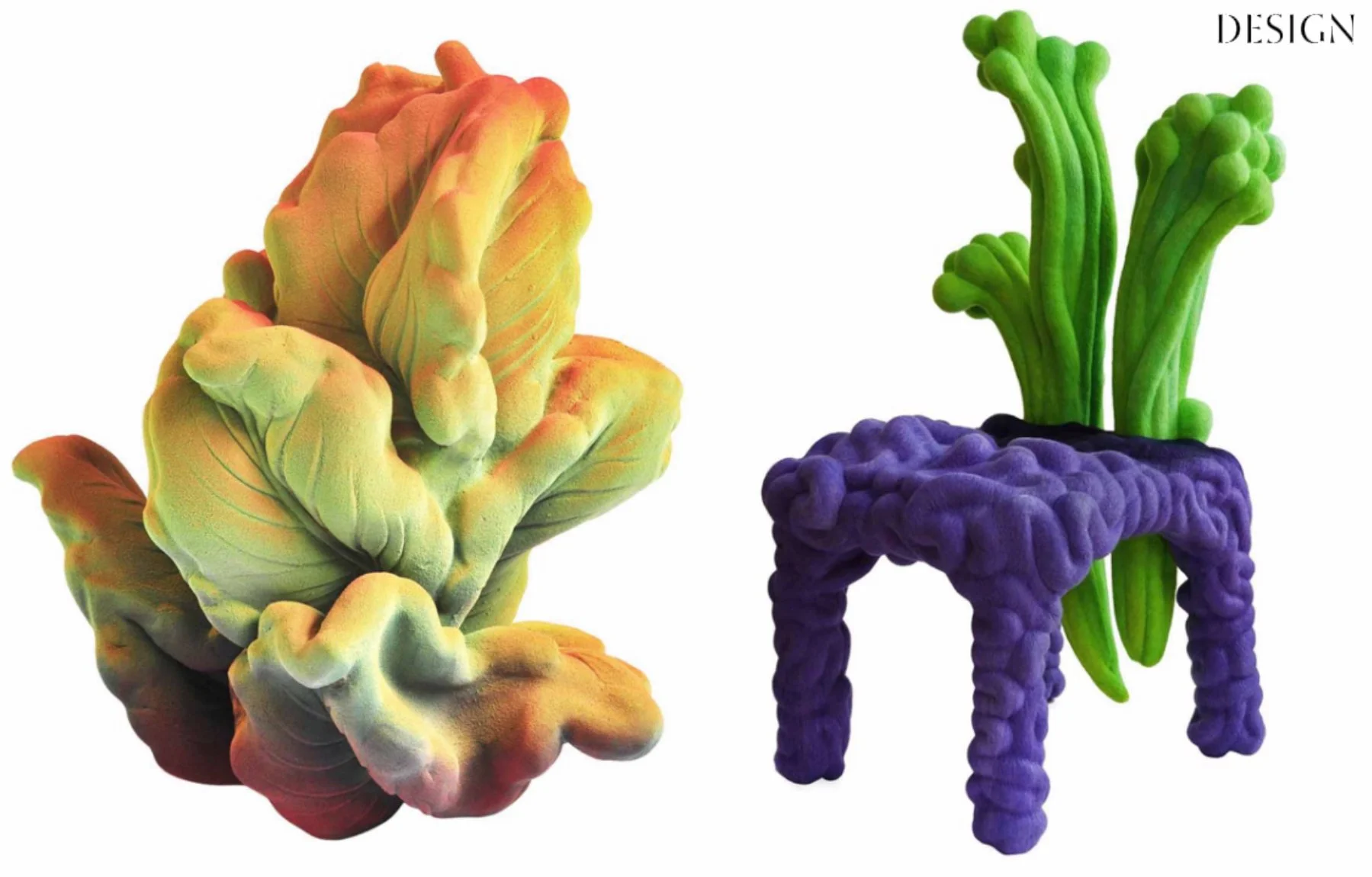
Loewe foundation craft prize
The Loewe Foundation's CEO Pascale Lepoivre, speaking at the announcement, was careful: the new directors will carry the creative responsibility for all collections, but the house's cultural infrastructure — the Craft Prize, the Casa concept, the foundation's art program — is larger than any individual creative director and will continue. This is true and also insufficient as an answer to the deeper question. The Craft Prize without the sensibility that made it mean something is a grant program. The cultural program without the fashion to give it context is philanthropy. The question is whether the new directors can make the connections feel necessary rather than institutional.
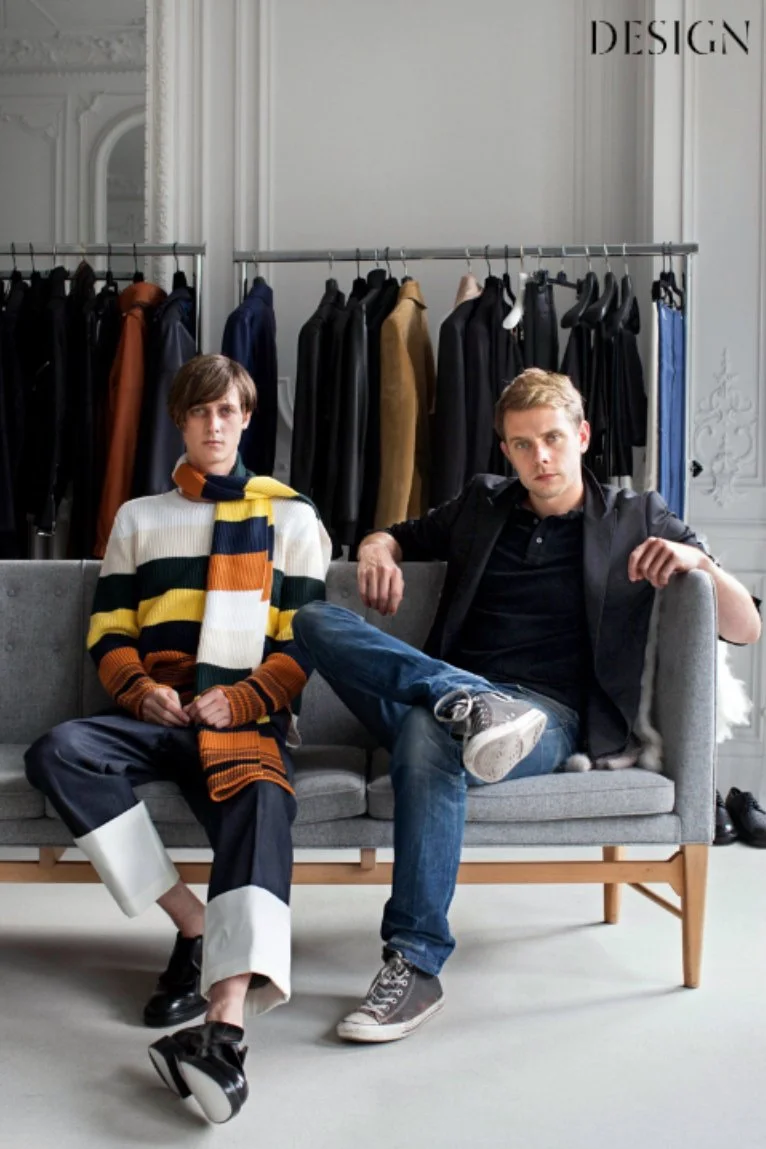
Jonathan Anderson In Loewe
What McCollough and Hernandez bring that Anderson did not have — and that is genuinely valuable at a house this size — is the specific knowledge of running a business independently for twenty years, of making every decision with full accountability, of understanding the relationship between creative vision and commercial reality without the buffer of a large group structure. They know what it costs to make things. They know what craft means when you have had to negotiate for the budget to do it properly.
Their first collection, expected in Paris this September, will be the first real evidence of what the new chapter looks like. Until then, the house is in the most interesting state available to a luxury brand: between stories, carrying the weight of everything that has been built, navigating toward something that does not yet have a name.
This is, in its own way, a form of craft: the making of something that does not yet exist, from materials that have to be understood before they can be used. McCollough and Hernandez have been doing this their whole careers.
The question is whether they can do it here.
By Oona chanel
