

The Japanese House: An Education in How Space Can Be Thought
The machiya row house. The sukiya tearoom. The engawa threshold. A vocabulary of space that the Western world is still learning to read.
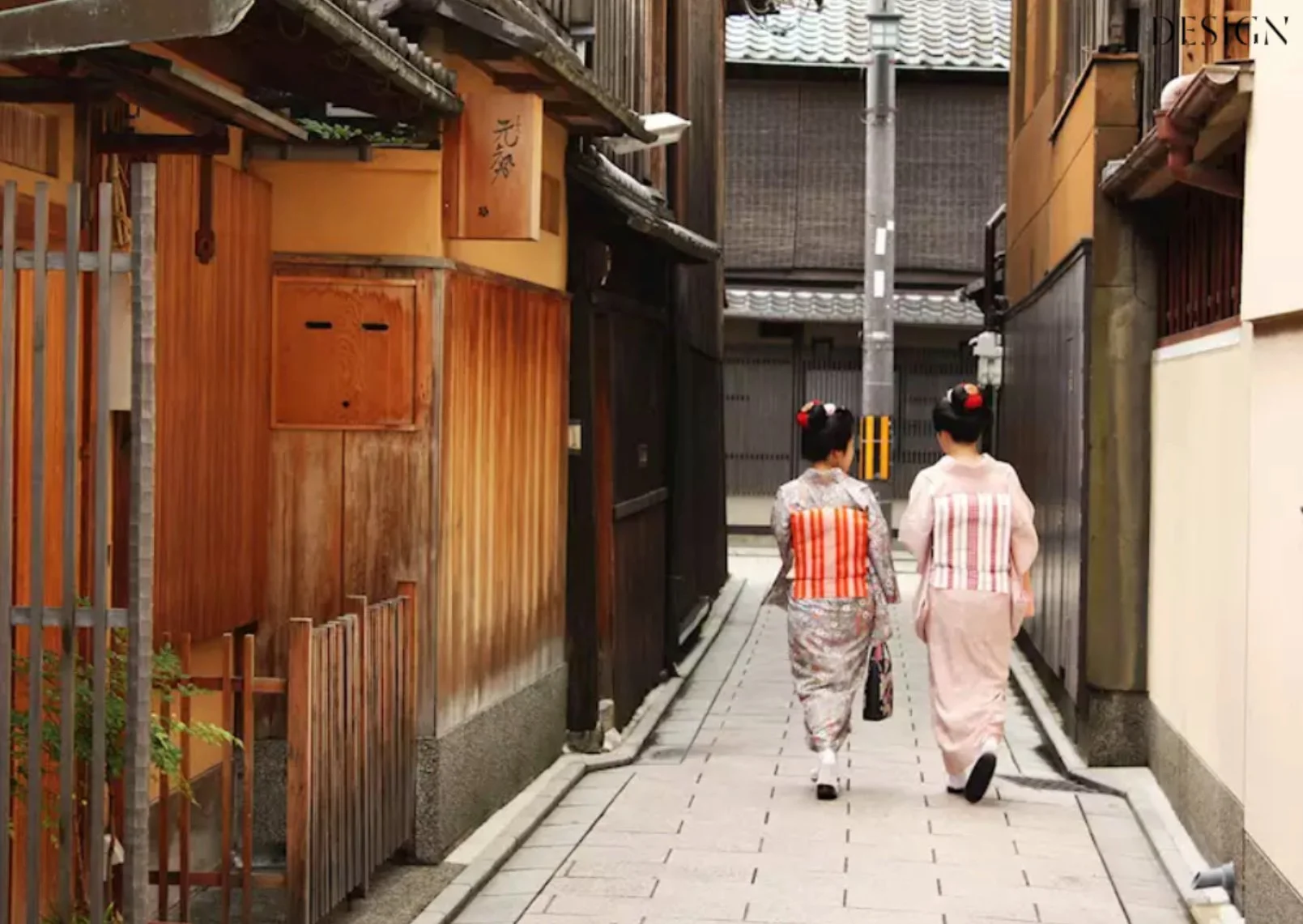
The boundary between inside and outside is not a wall. It is a negotiation. The architecture creates a grammar of approach and withdrawal, and within that grammar, the person is always making choices.”
The first time you step into a traditional Japanese house, something happens in the body before the mind has organized a response. The threshold — the genkan, the entrance where you remove your shoes and transition from the social world to the domestic — is not merely a practical convention. It is a perceptual instruction: you are entering a space that operates by different rules. The rules are spatial, material, and temporal, and they are all, at every scale, the product of a coherent philosophy.
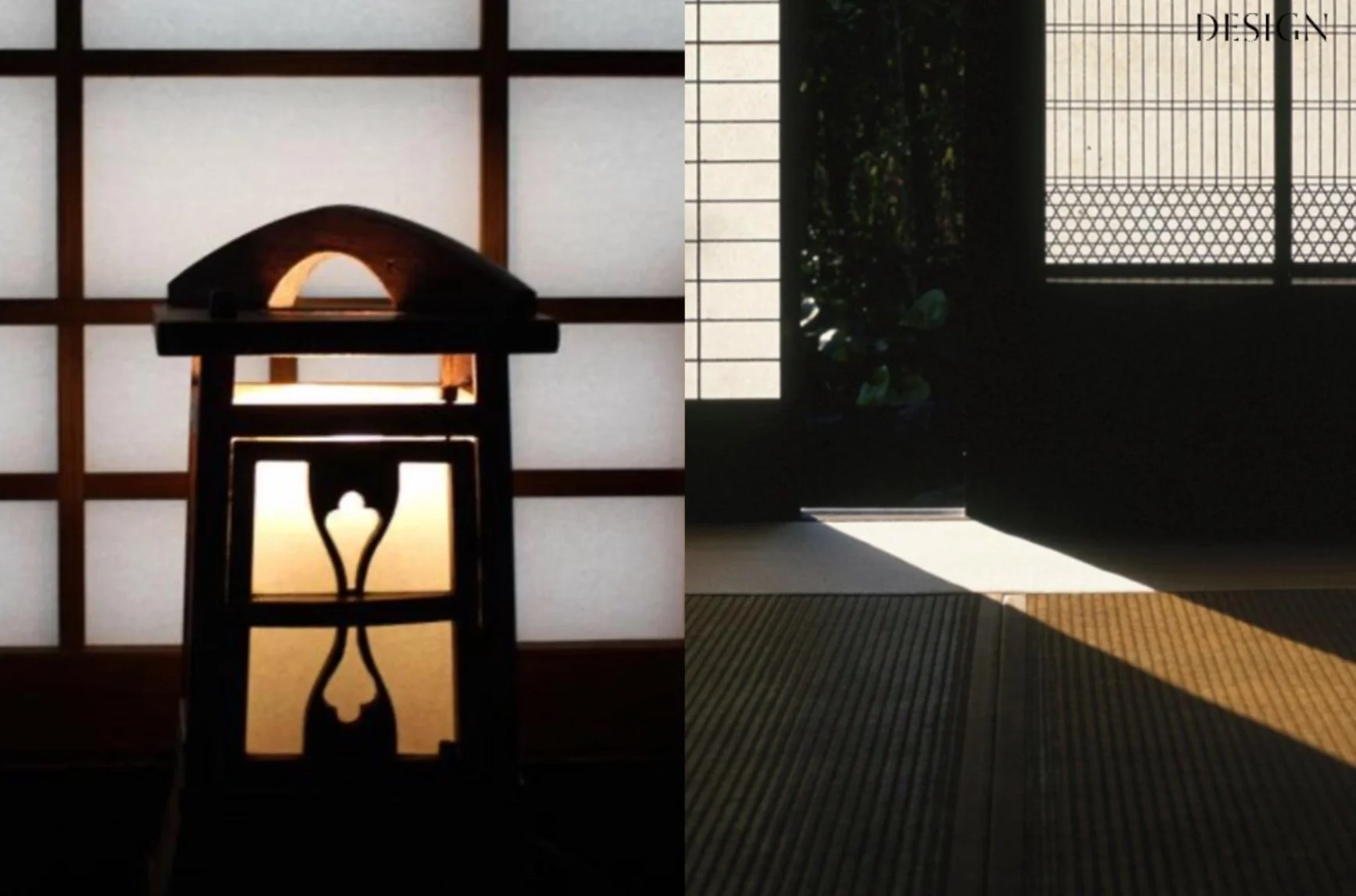
This philosophy does not have a single name in Japanese. It is distributed across concepts that require accumulation rather than summary: ma (the meaningful interval between things), wabi (the beauty of imperfection and impermanence), sabi (the beauty that comes with time and wear), iki (the elegant restraint that is the highest form of taste), shakkei (the principle of "borrowed scenery," by which the garden incorporates the landscape beyond its walls). These concepts are not independent. They are facets of a single way of understanding the relationship between space and time, making and meaning, the human body and the world it inhabits.
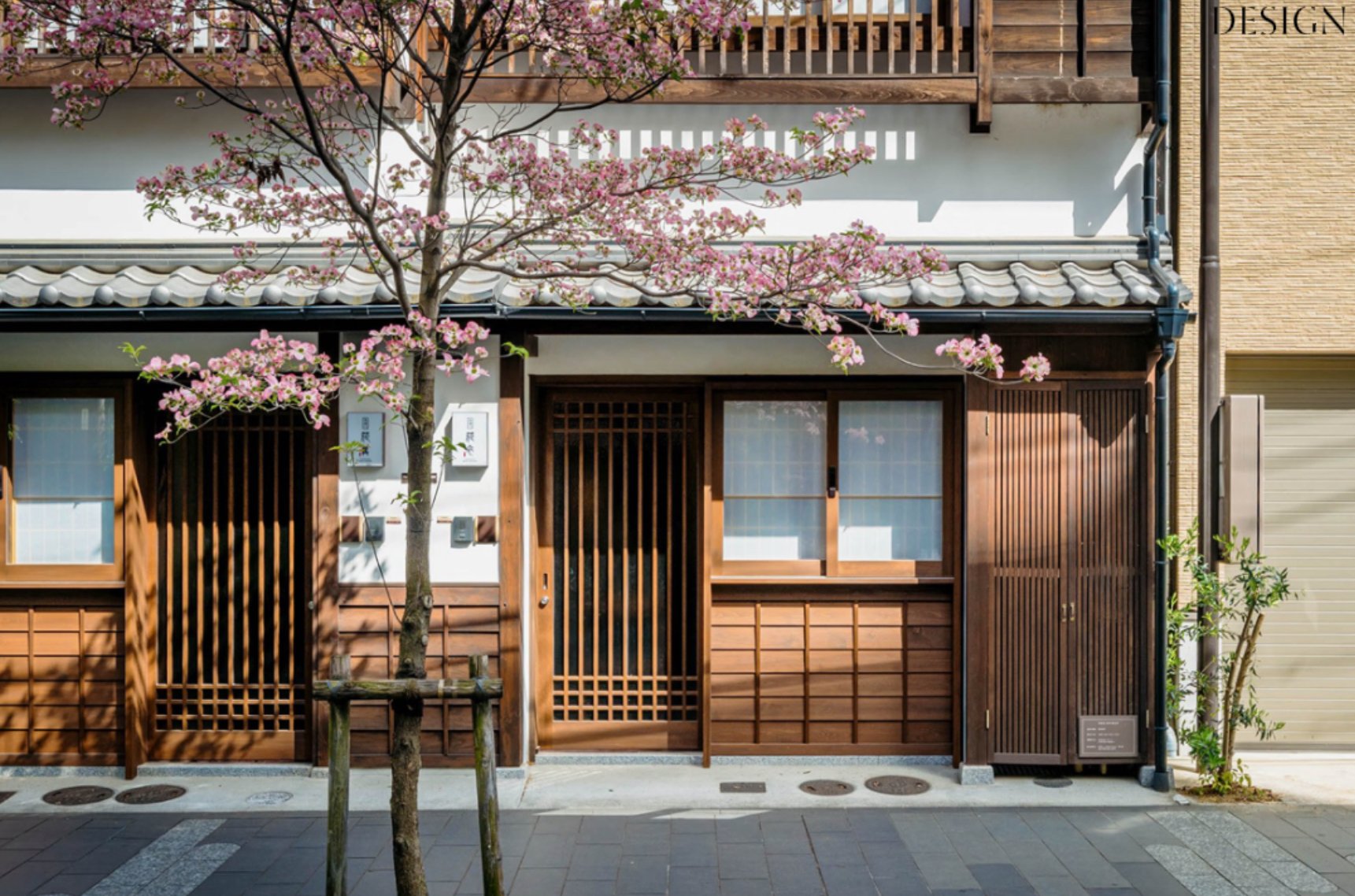
The machiya — the traditional townhouse of Kyoto, which still survives in significant numbers in the old commercial districts of the city — is the most accessible introduction to this way of understanding. It is narrow (frontages were taxed by the street in medieval Kyoto, so houses ran deep into the block), built around a series of transitional spaces that mediate between public and private, interior and exterior, the business of the street and the intimacy of the family. The facade is timber. The floors are tatami or polished cedar. The shoji screens divide and reveal simultaneously: closed, they create privacy and filter light; open, they dissolve the boundary between adjacent spaces.
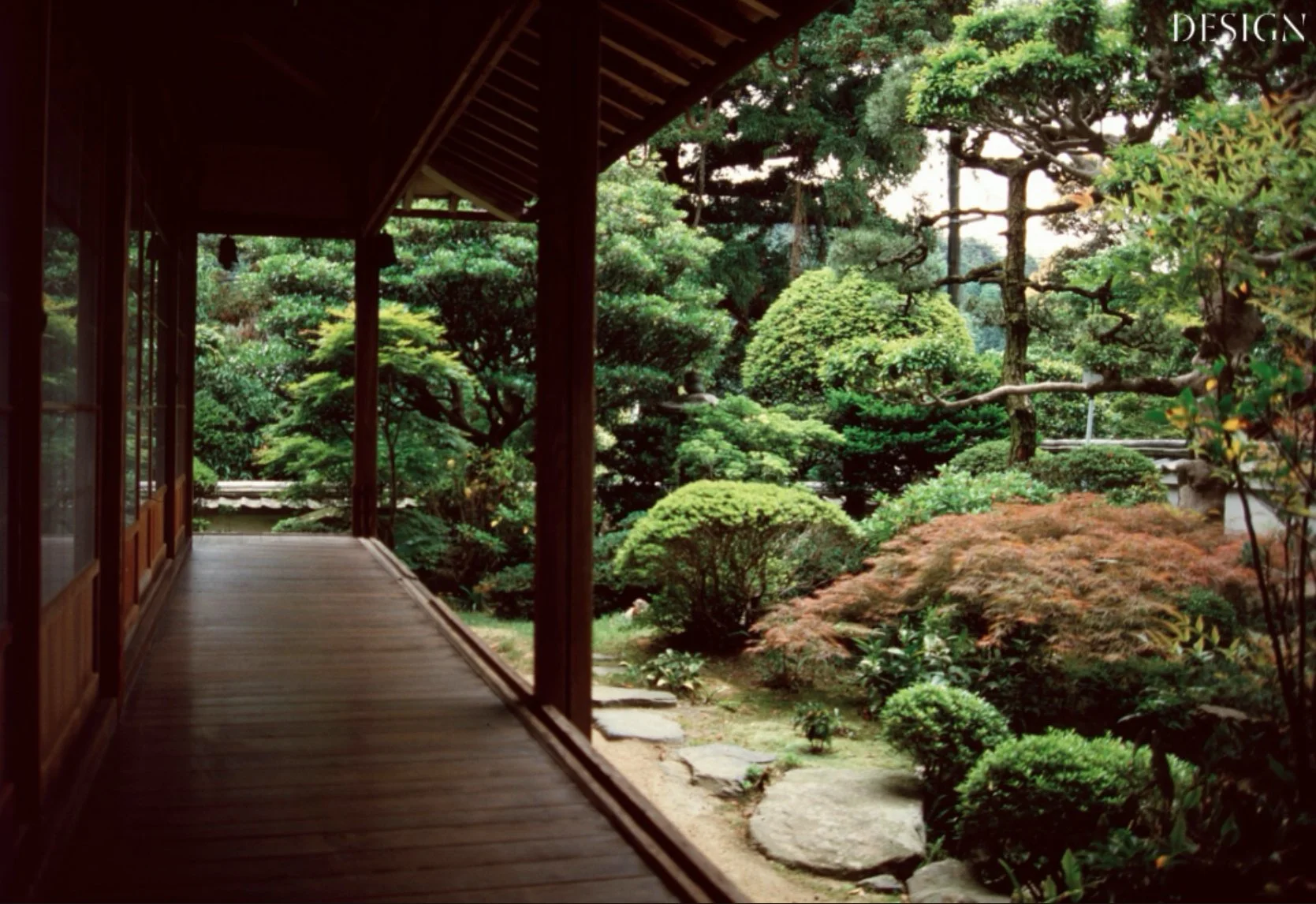
The quality of light in a machiya is the thing that Westerners most reliably cannot prepare for. Junichiro Tanizaki, in his 1933 essay In Praise of Shadows, articulated what Japanese architecture had known for centuries: that beauty in these spaces is inseparable from indirection. The light comes through multiple layers of shoji and engawa before reaching the interior, losing its directness and gaining, in exchange, a quality he calls "the glow of gold in shadow." The effect is of a space illuminated from within rather than from without — which is, in a quite precise way, what occurs.
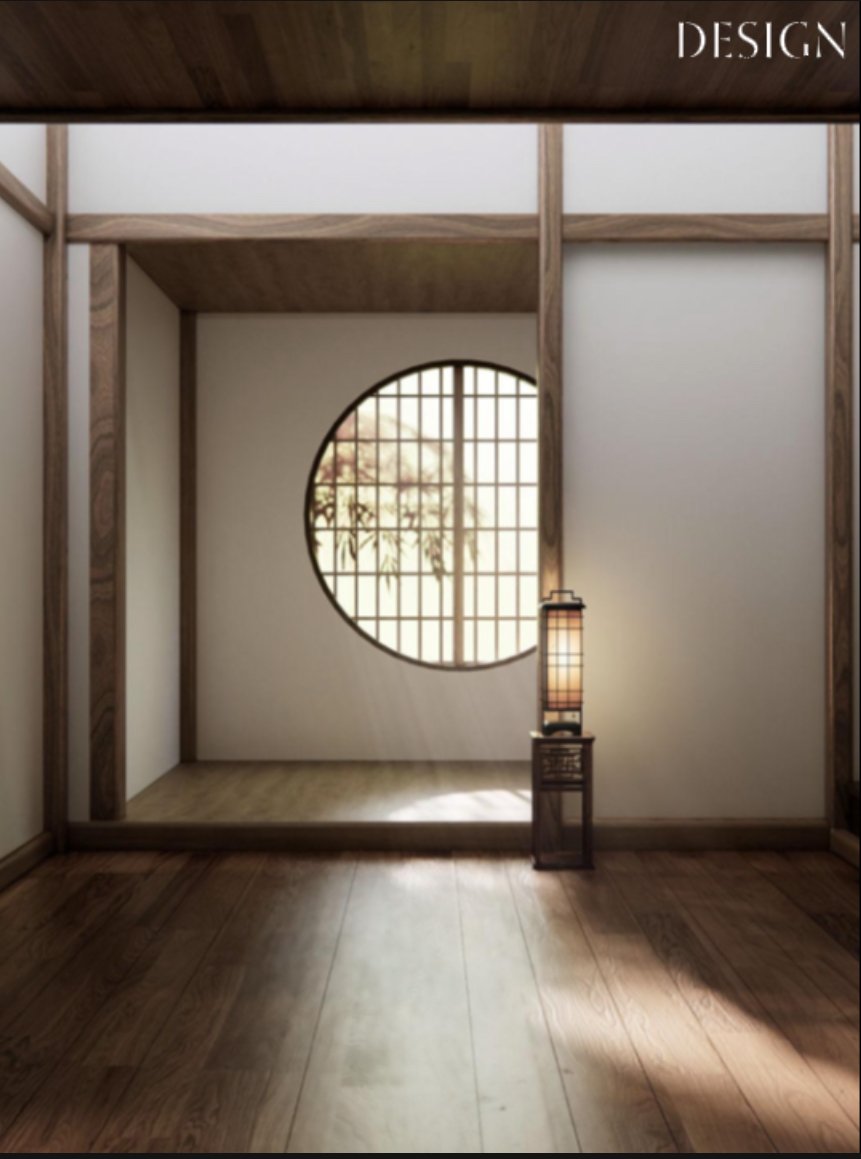
We spent three weeks in Japan — in Kyoto primarily, but also in Nara and in the rural Nantan area where several well-preserved minka farmhouses can be understood in their original landscape context — studying the relationship between these historic spaces and the contemporary Japanese architectural practice that has grown from them.
The architects working in this tradition — Kengo Kuma, certainly, but also Junya Ishigami, Sou Fujimoto, and a generation of younger practitioners whose work has not yet had the international exposure it deserves — are not engaged in nostalgia. They are working with a spatial vocabulary that is, in their assessment, more sophisticated than the one Western modernism developed, and more capable of answering the questions that contemporary life poses to architecture. The questions of density, of privacy, of the relationship between interior and exterior, of how space can affect the quality of attention and the quality of time: Japanese architecture has been answering these questions for a thousand years.
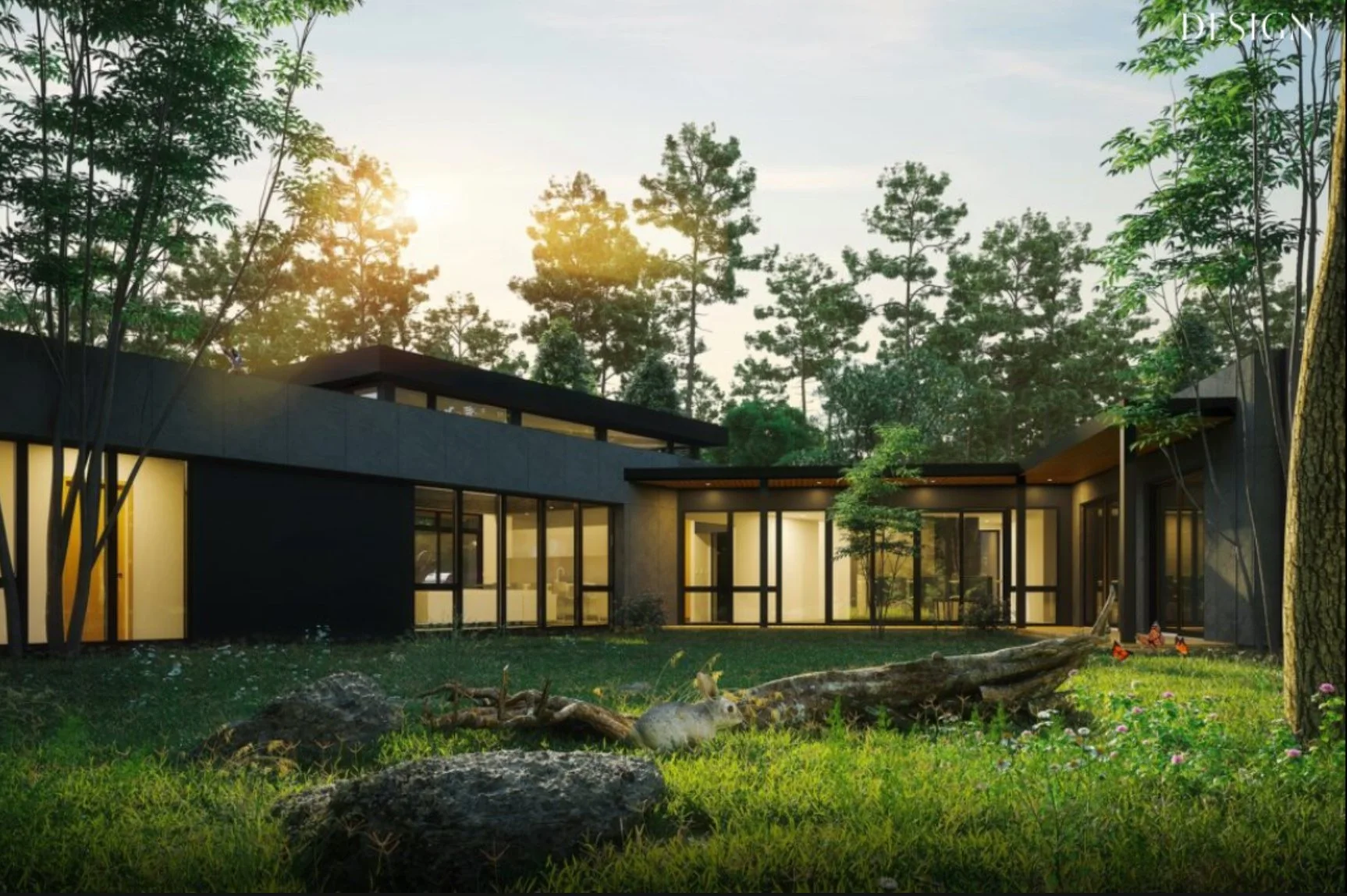
Sou Fujimoto, whose work combines the traditional Japanese interest in threshold and transition with a formal language that owes nothing to historic precedent, speaks about the influence of the machiya in terms of principle rather than form: "What I learned from traditional Japanese space is that the boundary between inside and outside is not a wall. It is a negotiation. The space is always asking: how close are you willing to be? How far? The architecture creates a grammar of approach and withdrawal, and within that grammar, the person is always making choices. You feel, in a good Japanese space, that you are the one deciding where you are."
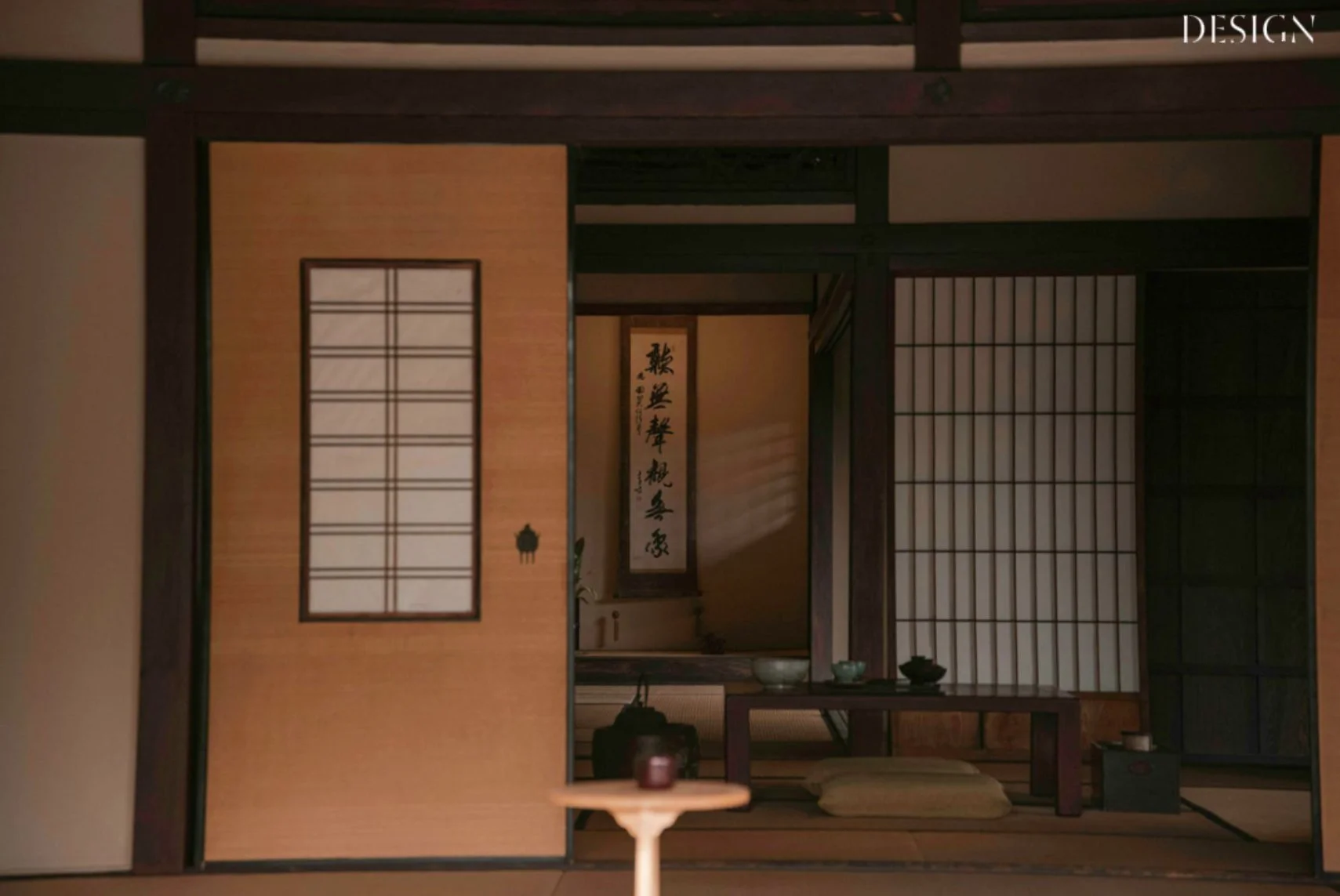
This — the sense of agency within a spatial grammar, the feeling that the space is offering you possibilities rather than constraining you within a plan — is what the great historic spaces actually do. The tearoom, which reduces the world to approximately three tatami mats and a tokonoma alcove with a single flower, is not a room for humility in the penitential sense. It is a room for the specific kind of attention that can only happen when there is nothing else present. The reduction is not denial. It is clarity.
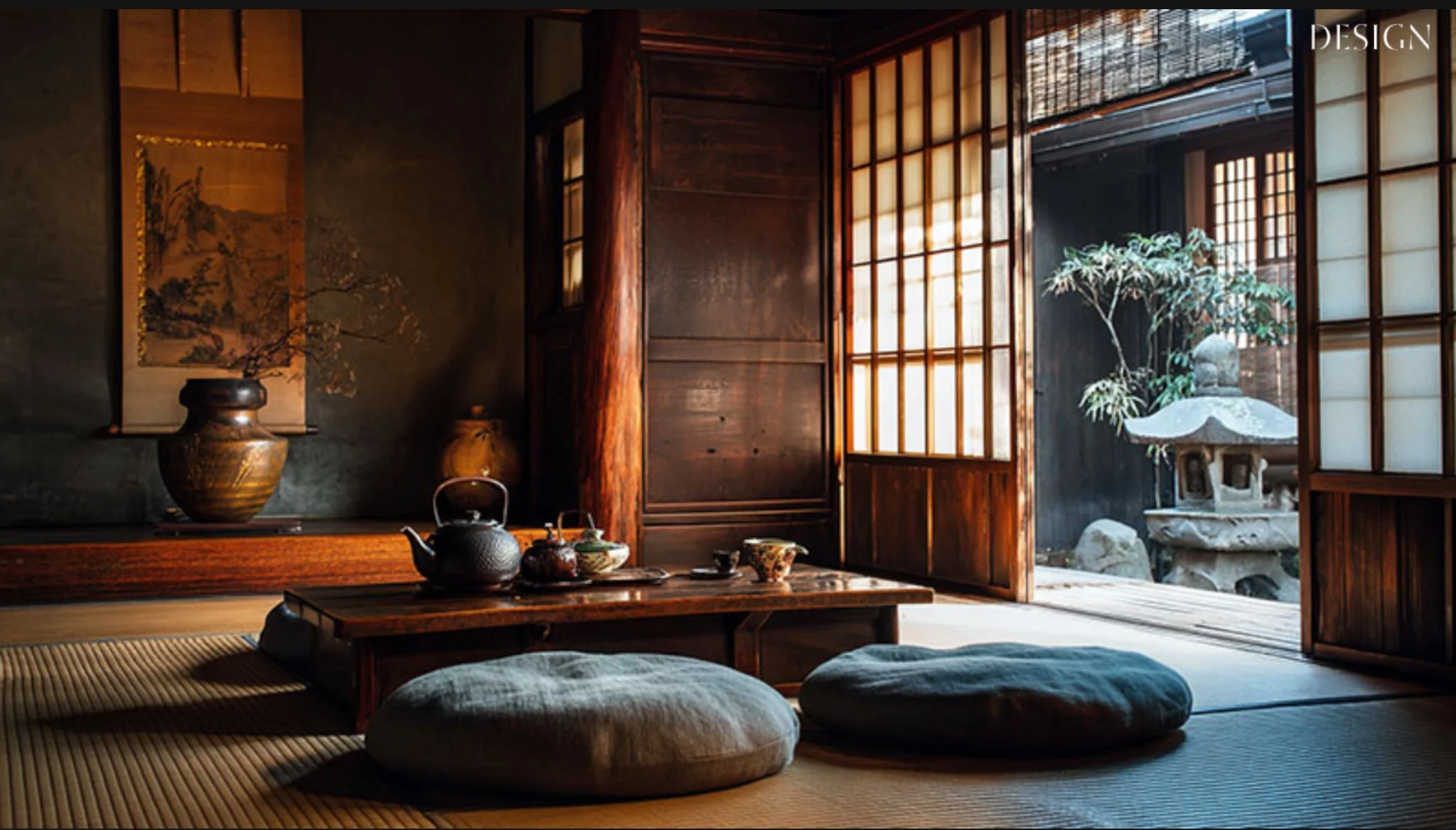
Contemporary Japanese architects have found ways to translate this into high-rise apartments, public libraries, museums, and private houses that range from the extremely traditional to the formally radical. What they share is the underlying question: what does this space make possible in the person who inhabits it? The answer, at the level of great Japanese architecture, is consistently the same: it makes attention possible. And attention, in a world that attacks it from every direction, is the most luxurious thing that space can give.
BY OONA CHANEL
