

The Couture Client: An Intimate Portrait of the Women Who Still Commission Clothes to Be Made
Fewer than four thousand women in the world are couture clients. Here, for the first time, three of them speak.
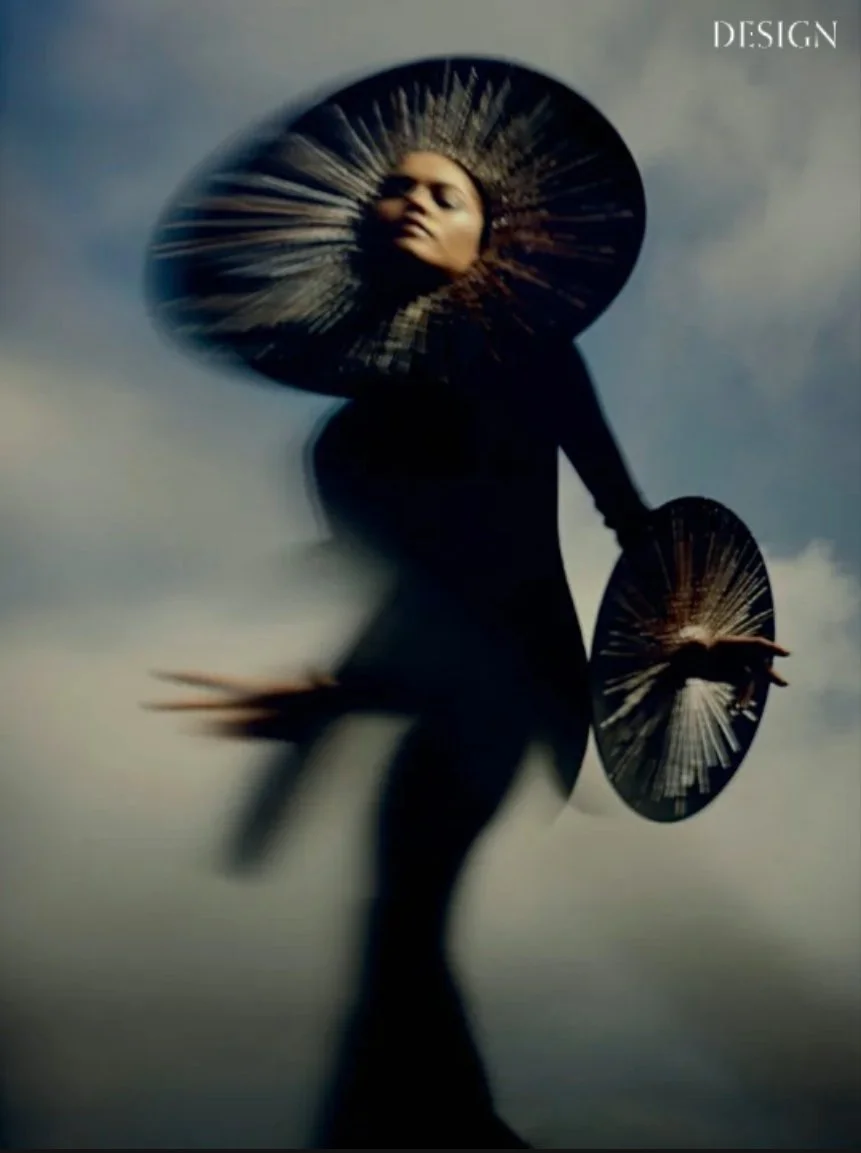
“The garment knows me. My proportions, my posture, the specific way I carry my weight. There is a precision in the fit of a couture piece that is not about vanity. It is about truth.”
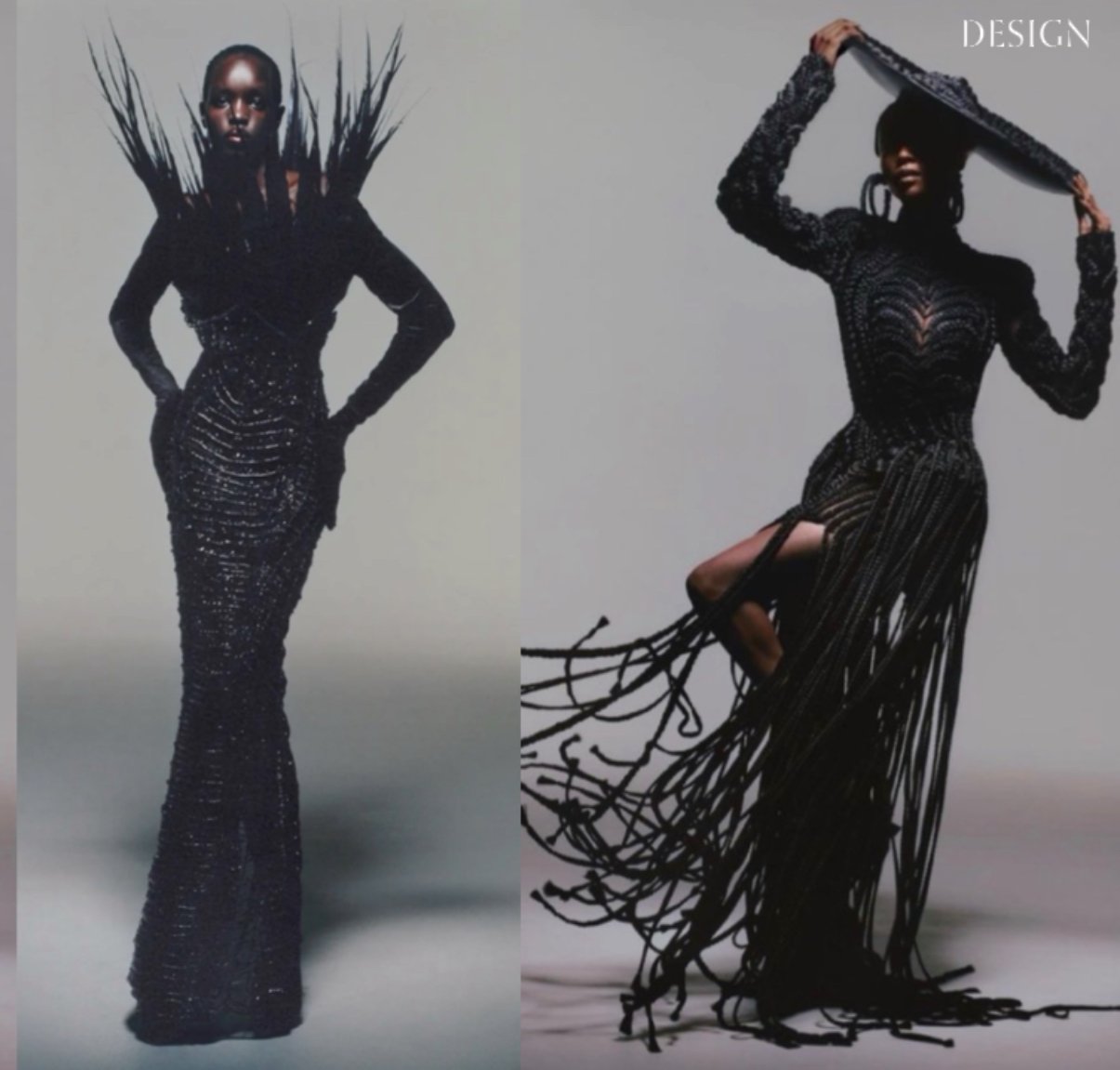
She requested that we not describe her apartment. She was specific about this — not coy or vague, but precise: "The apartment is not part of the story." This is itself part of the story, and part of why we agreed: the women who commission haute couture at the level we are discussing have a relationship with privacy that is not about hiding but about proportion. They understand that the way a thing is framed determines how it is understood, and they have spent their lives controlling the framing.
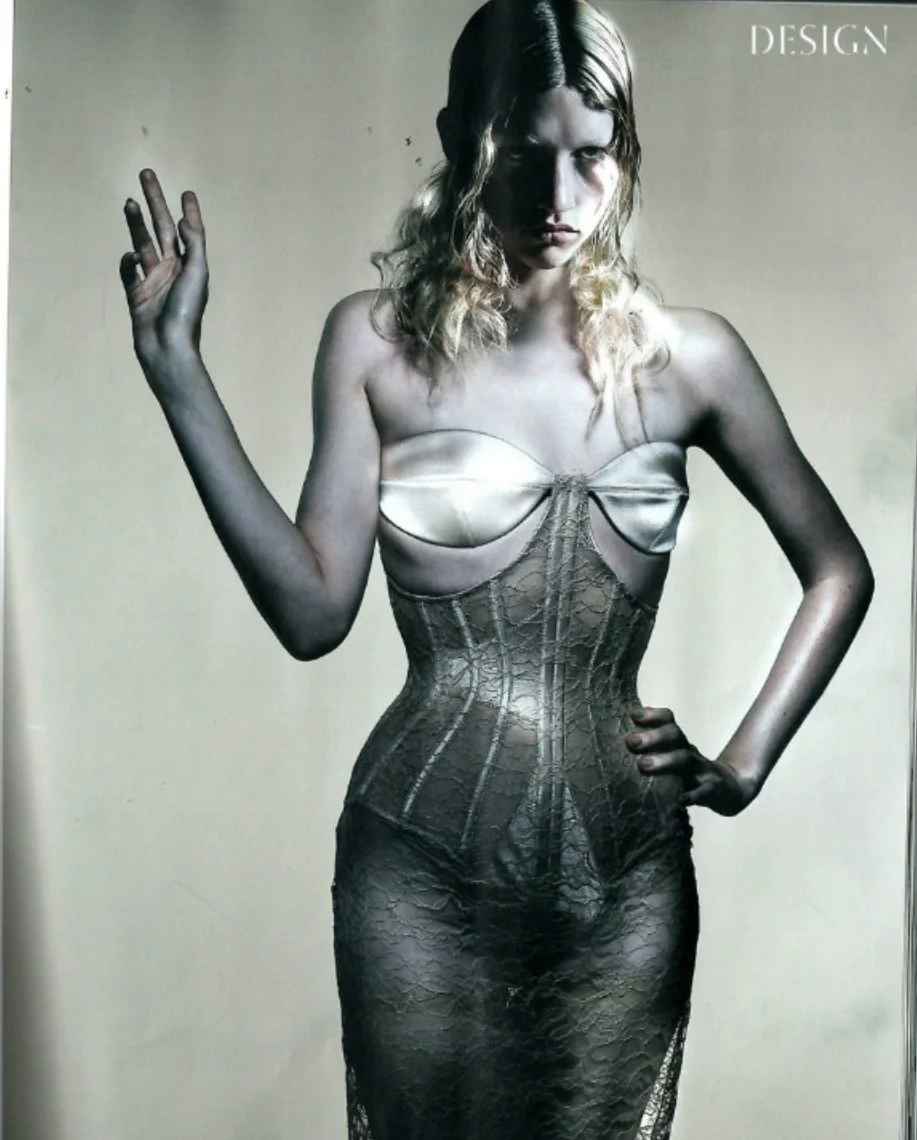
The three women we spoke with for this piece are, between them, clients of at least five Parisian houses. Their combined annual couture expenditure is, in the language of the houses themselves, "significant." They are not the youngest clients — none is under fifty — and they are not the most famous, which is partially by choice and partially by the logic of a world that reserves its largest couture budget for women who came to it through inheritance, extended relationship, and the particular kind of commitment that the houses describe, with diplomatic understatement, as "loyalty."
What they share is harder to describe than their differences. They are, as individuals, extraordinarily unlike each other: a Mexican gallerist in her early sixties who began commissioning couture after a period of illness that she describes as "the thing that clarified my relationship to beauty"; a Japanese businesswoman in her late fifties who has worked with a single house for twenty-two years and has attended every show in that time; and a European woman of considerable inherited wealth who asked us not to specify her nationality and who speaks about her relationship with couture with the directness of someone who has long since stopped being self-conscious about it.
We did not ask them about the cost. The cost is, in this context, genuinely not the point — not because they do not know it, which they do, but because the relationship between the cost and what the garments represent is not a financial relationship. It is, as the European woman puts it, "the relationship between time and form. You are paying for the time of very skilled people over many months. What you receive is not a garment. It is an object that contains those months."
The Mexican gallerist speaks about her commissions in terms she would also use for the works she acquires for her gallery: provenance, intention, the relationship between the maker and the made. "When I think about why I buy couture rather than the very best ready-to-wear," she says, "it comes down to this: the garment knows me. My proportions, my posture, the specific way I carry my weight, the shoulder that is slightly lower than the other. The garment has been made for these facts. No off-the-rack garment, however expensive, has been made for those facts. There is a precision in the fit of a couture piece that is not about vanity. It is about truth."
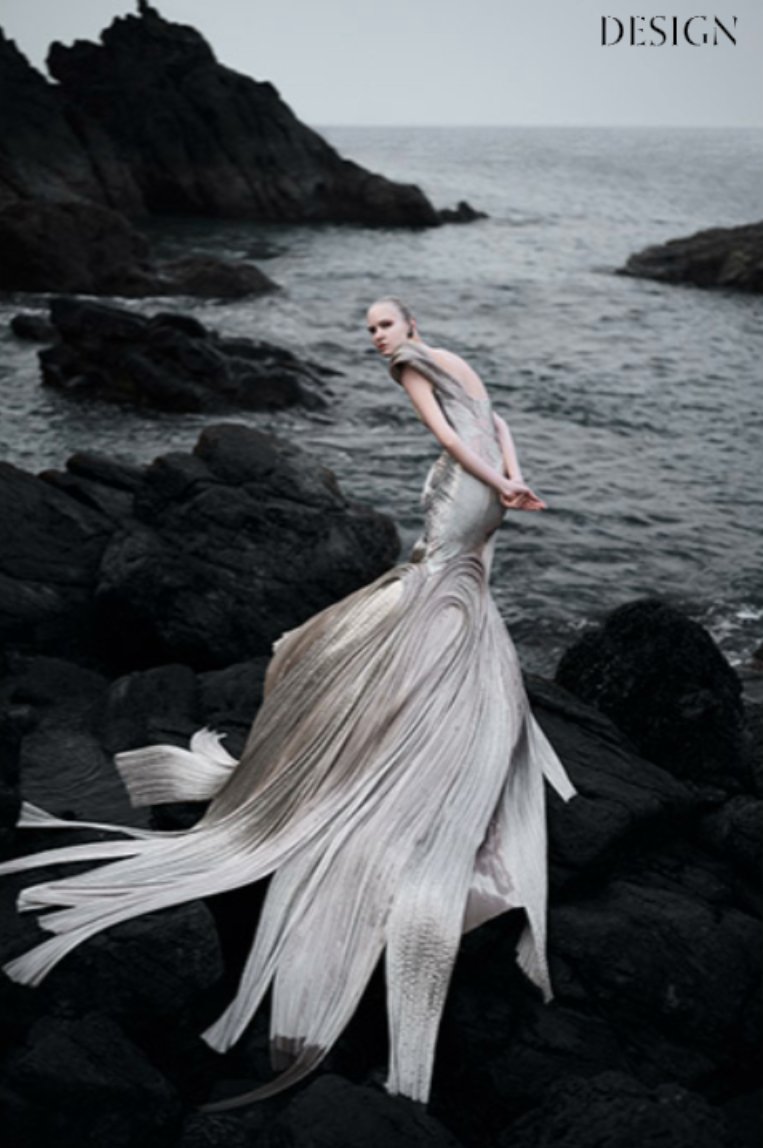
The Japanese client speaks about the relationship with the house in terms of obligation — the Japanese concept of on, which implies a debt of gratitude for care received that is repaid through loyalty and attention — and about the shows as something approaching a ritual. "I go to the show to understand what the designer has been thinking for the past six months," she says. "Then I go to the fitting to understand which of those thoughts speaks to me. It is a conversation. Not a transaction."
The European woman is the most expansive on the subject of time. She owns pieces from forty years of commissioning, most of which she still wears. She can describe, without reference, the circumstances in which each significant piece was made, who was at the fittings, what was happening in her life. "A couture garment," she says, "is a document of a period of your life. Not just of the body you had at that time — though it is that, and it is strange and moving to try on a piece from twenty years ago and feel the difference — but of where you were in yourself. The houses know this. The best ateliers understand that they are not just making a garment. They are making a moment."
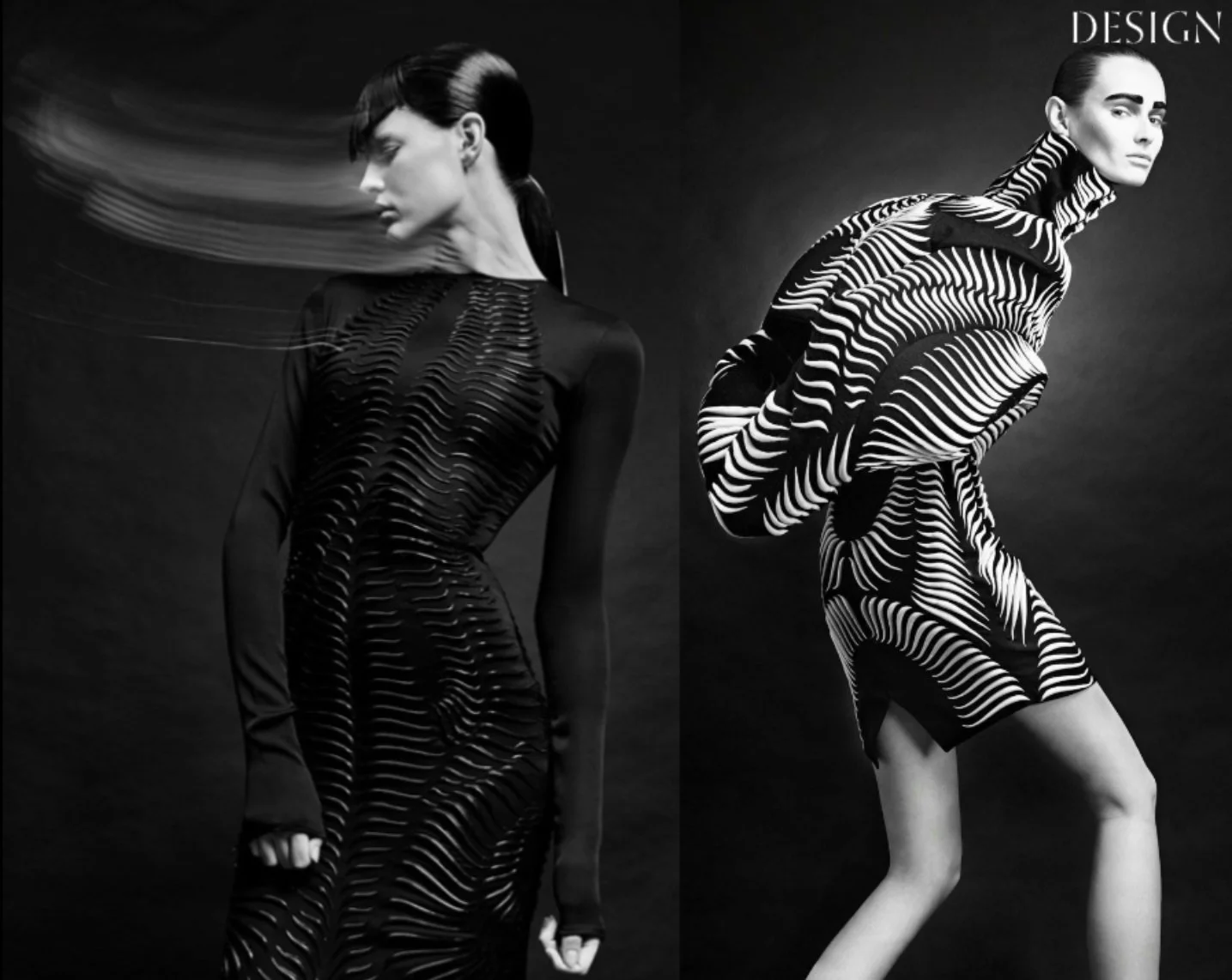
We asked all three women the same closing question: what do they feel, in the final fitting, when the garment is ready? The gallerist said: "Recognition. Like meeting someone you had imagined but never seen." The Japanese client said: "Peace. A very specific peace." The European woman thought for a long time. Then she said: "I feel that I was right to want this. I feel that the wanting was justified."
This is, perhaps, the deepest function of couture: not the garment itself, but the justification of the desire for it. The confirmation that beauty, pursued with seriousness over time, produces something that deserves the pursuit.
BY OONA CHANEL
