

Hemmerle: The Munich House That TreatsEvery Gemstone as a Problem to Be Solved
The family firm has been making jewellery in Munich since 1893. It combines traditional goldsmithing with materials that conventional fine jewellery ignores - rusted iron, aluminium, waxed cotton - and produces work the major auction houses have begun placing alongside Van Cleef and Cartier.
"The gemstones in Hemmerle pieces are chosen for unusualsaturation, specific inclusions that produce visual interest, stones from deposits no longer producing. A raw diamond with a surface that would be unacceptable in a conventional commercial setting is, in the Hemmerle context, the most interesting material decision in the piece."
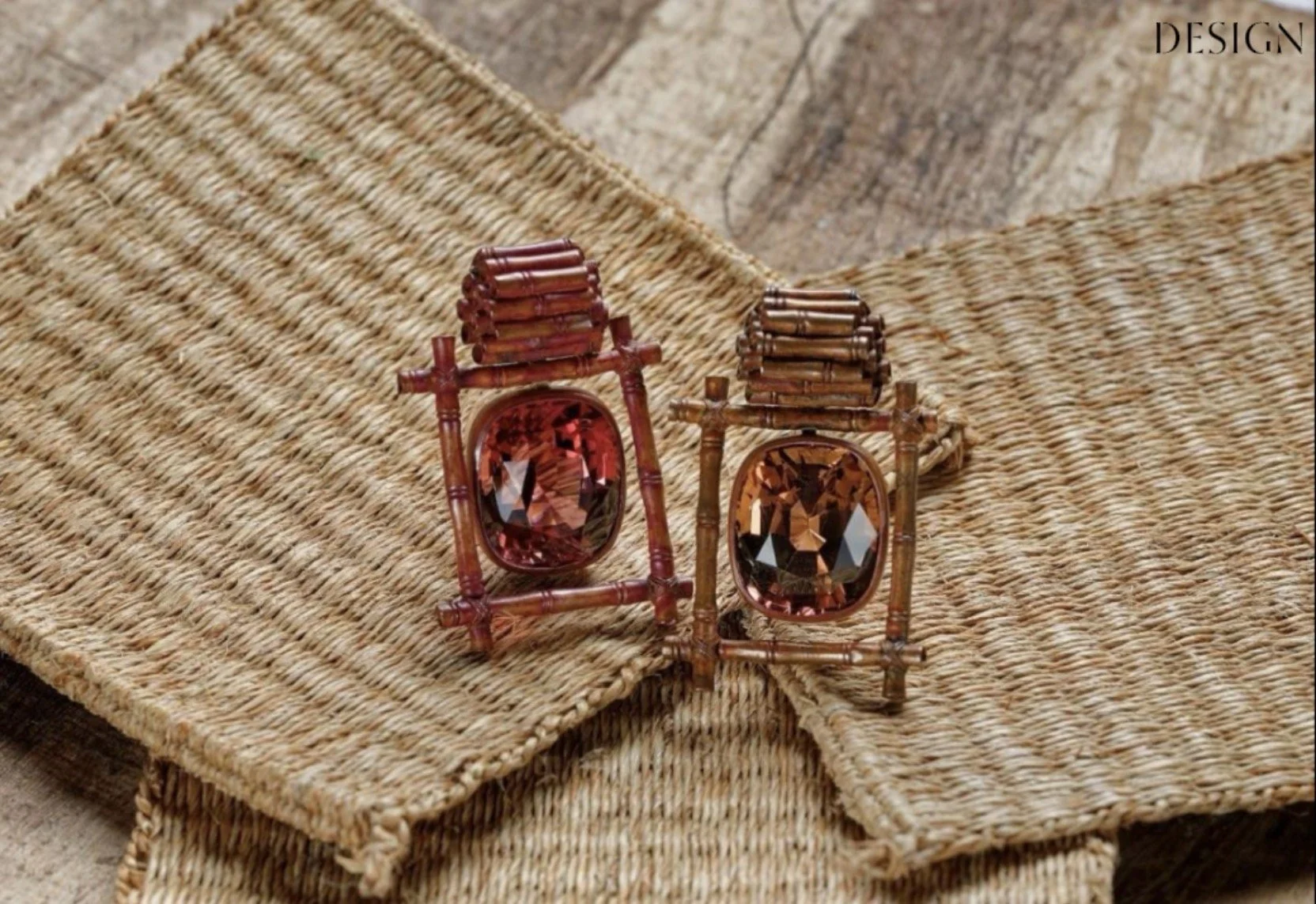
Hemmerle operates from a single location in Munich - the Maximilianstrasse atelier that has been the family's base since the nineteenth century - and produces, annually, a small number of jewels that combine traditional goldsmithing and gemstone work with materials that no other jeweller working at comparable quality levels has found a way to use: rusted iron, aluminium treated to produce specific surface qualities, waxed cotton cord, river stones, concrete.
The combinations are not eccentric in the sense of being arbitrarily unusual. They are the result of a specific formal enquiry into what happens when a precious material is placed next to a material whose value is not monetary.
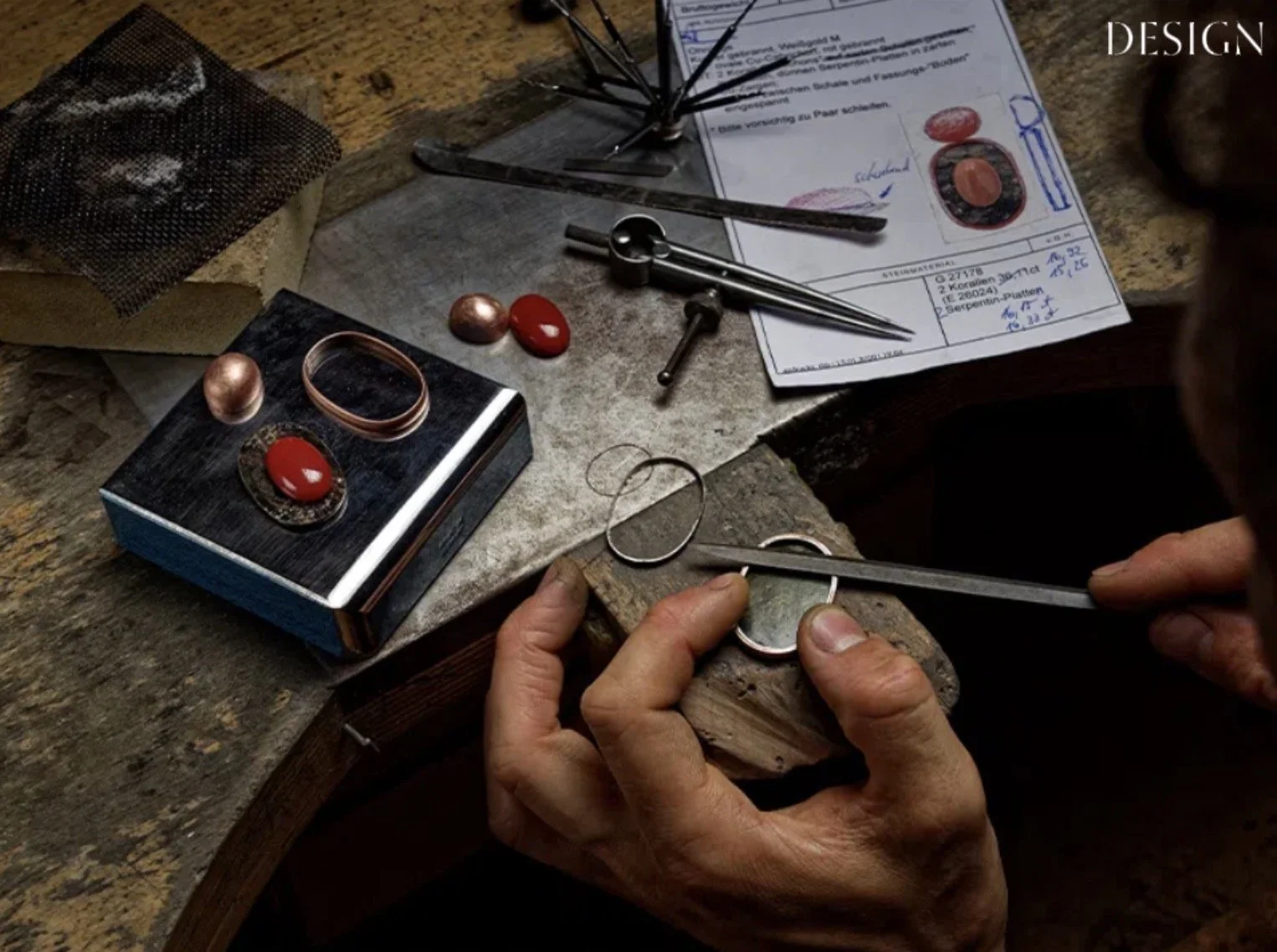
The house was founded by Joseph Hemmerle in Munich in 1893. The creative and philosophical transformation began in the 1990s when Christian Hemmerle and his wife Sylveli began developing the material approach that now defines the house. The transition from a conventional high-end jewellery maker to a practice with a specific and identifiable formal intelligence was gradual and has been complete for approximately twenty years.
The technical dimension of the work is worth establishing before the aesthetic dimension, because the aesthetic is produced by the technical rather than being independent of it. The ironwork that appears in their pieces is oxidised to specific surface qualities that require the goldsmith to understand the behaviour of iron under controlled corrosion - a knowledge set that has nothing to do with conventional jewellery making and that the Hemmerle atelier has had to develop from first principles. The aluminium work, which anodises to specific colours depending on the acid bath composition and temperature, requires the same kind of process knowledge.
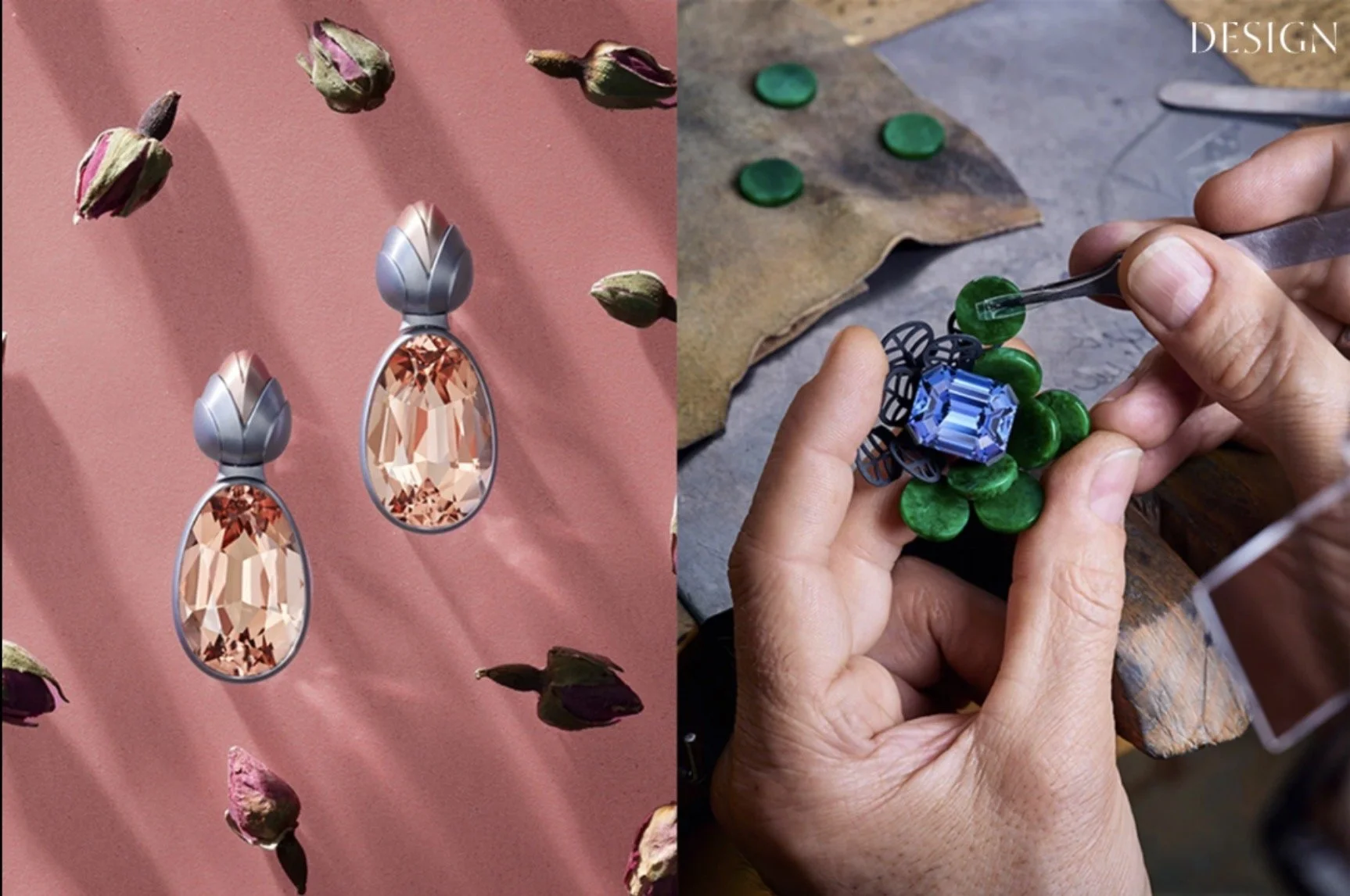
The gemstones in Hemmerle pieces are chosen for specific qualities the market does not necessarily prioritise: unusual colour saturation, specific inclusions that produce visual interest rather than reducing clarity grades, stones from deposits no longer producing or from historical collections. A Hemmerle piece may contain a very fine Montana sapphire, a Victorian demantoid garnet, or a raw diamond with a surface that would be unacceptable in a conventional commercial setting and that is, in the Hemmerle context, the most interesting material decision in the piece.
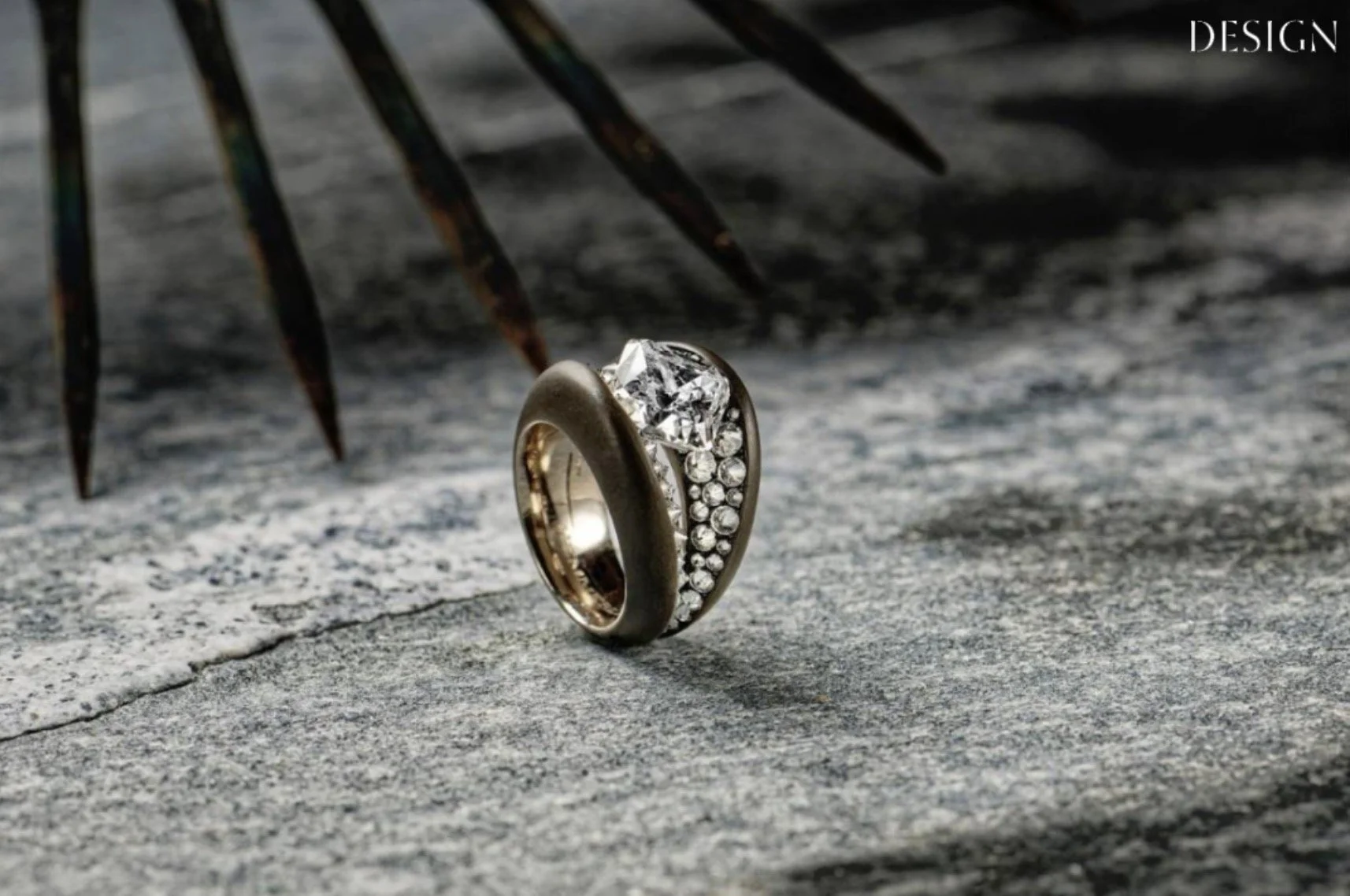
The market recognition has been building steadily. Christie's Geneva and Sotheby's Geneva
- the premier venues for important fine jewellery - have placed Hemmerle pieces in their highest-profile sales. The asymmetry between the level of critical and curatorial recognition the house has received and the level of market recognition is an opportunity that will close over the next decade.
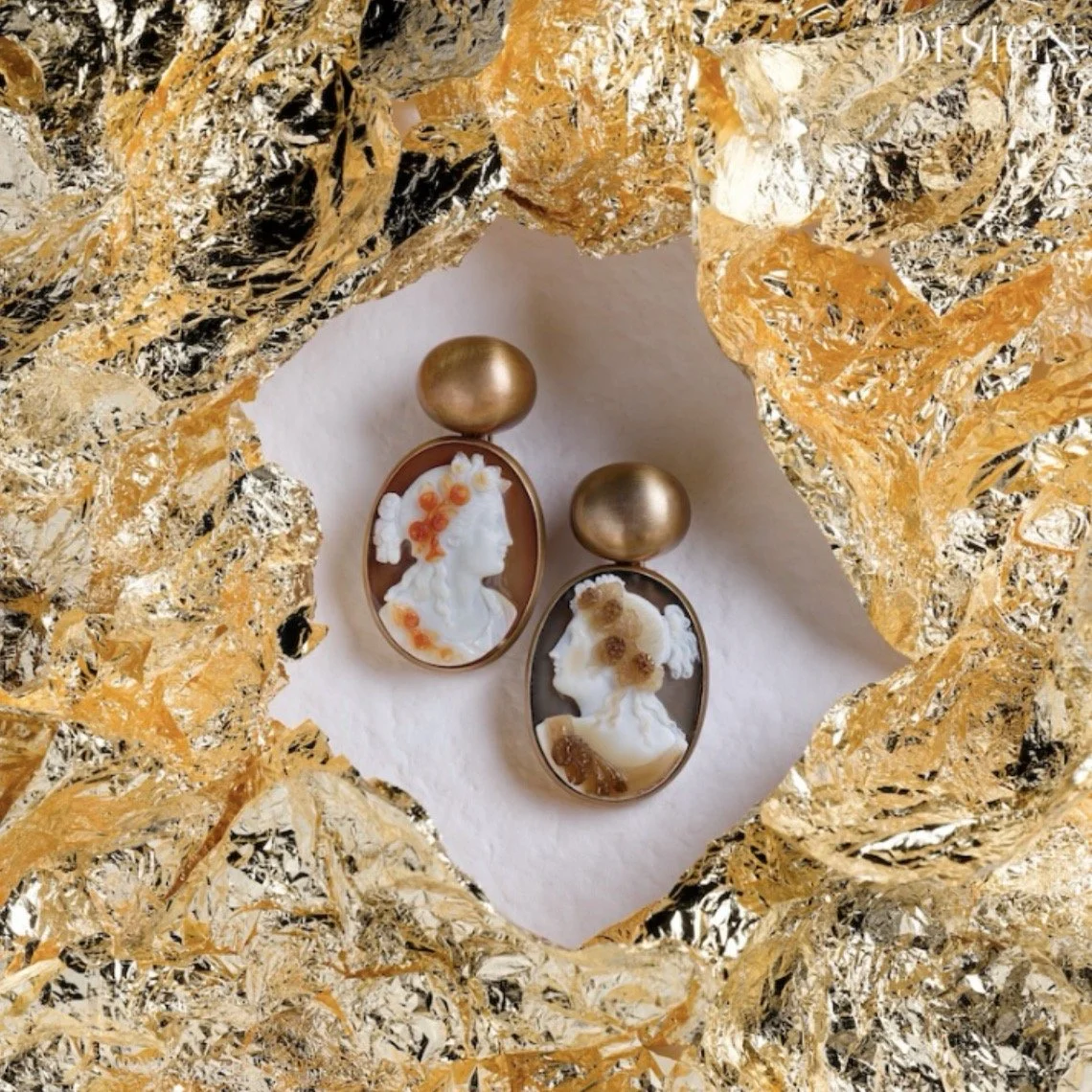
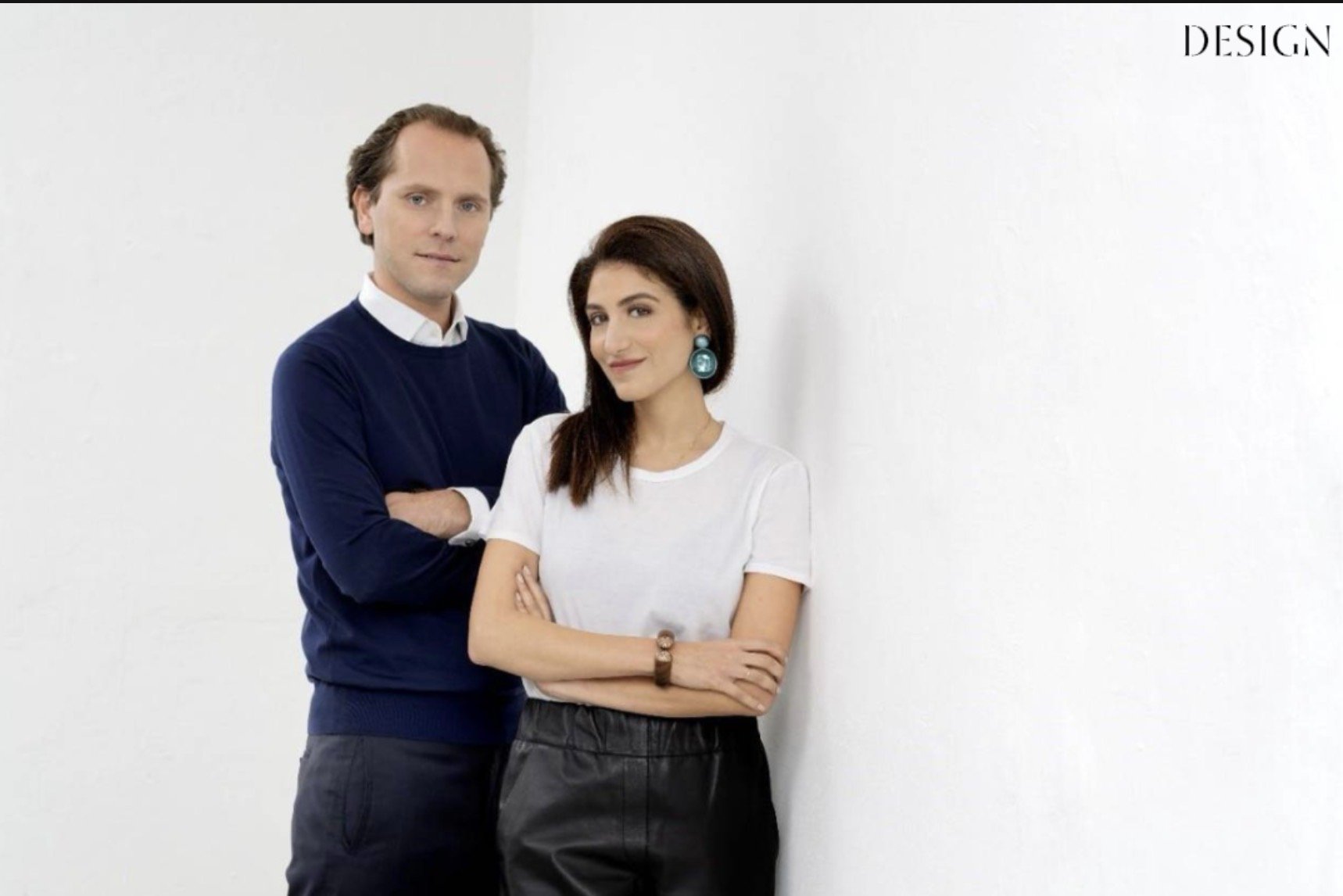
Christian and Sylveli's children - Yasmin and Christian III - are now working in the atelier
and producing work that extends the formal programme rather than repeating it. The aluminium work has developed in new colour directions. The iron pieces have become more structurally complex.
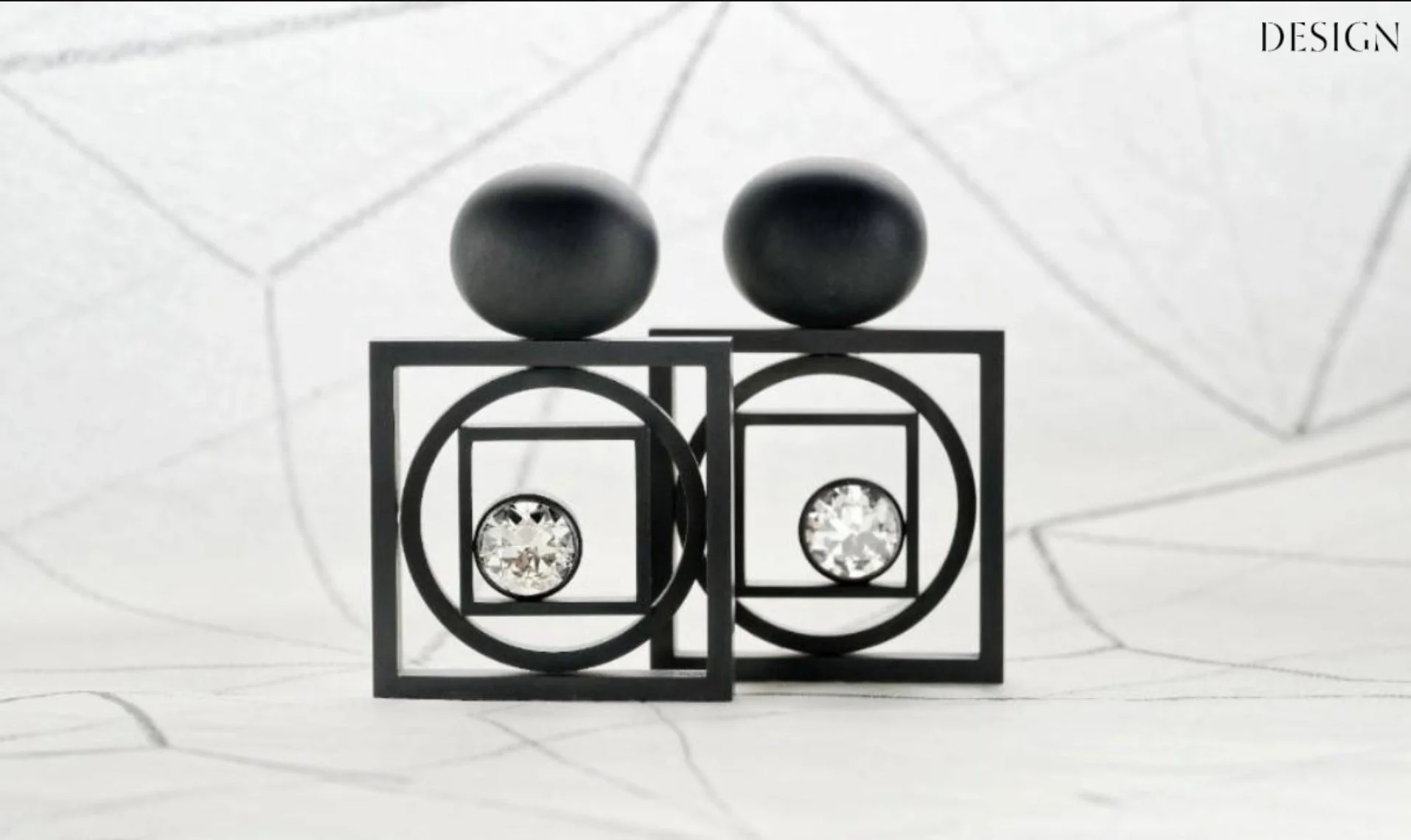
For the collector: the primary market is exclusively through the Munich atelier. An introduction is preferable to a cold approach.
The secondary market is building at Christie's Geneva and Bonhams.
BY OONA CHANEL
