

Five nights at d3, designers from more than a dozen countries, and a young fashion week deciding what it wants to be. Author Daily was there for every minute of it.
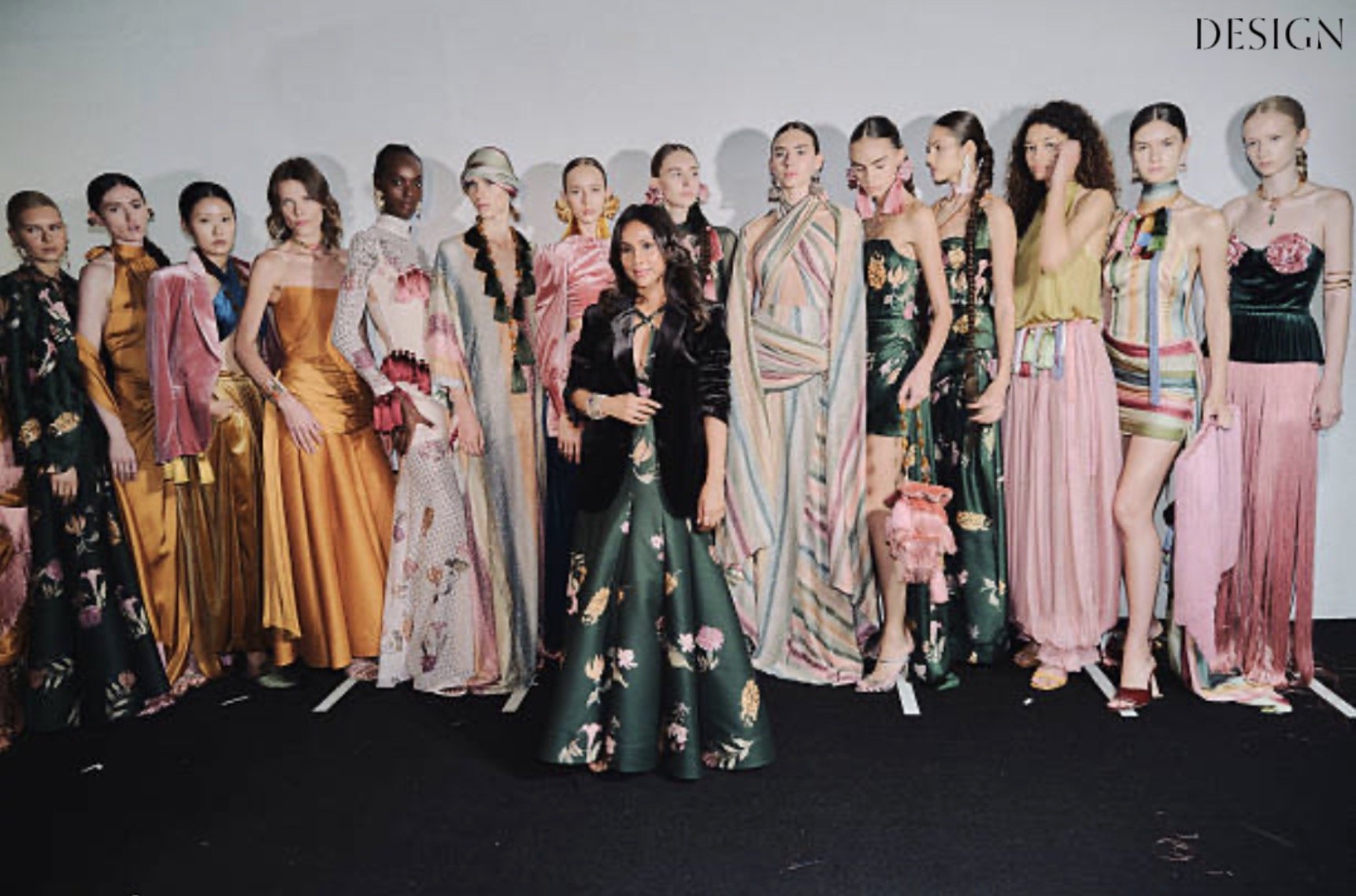
Dubai Fashion Week is still young enough to count its seasons on two hands. It took the name in 2023, grown out of the Arab Fashion Week that began in 2015, and every edition since has carried the same question underneath the clothes: what does a fashion capital look like when it is being built in public? Spring/Summer 2027, held at Dubai Design District from 22 to 26 October, gave its clearest answer yet. This was a week of arrivals.
Thursday started in the showrooms. Bahrain's Touchless brought 3D-printed bags that Selfridges and Level Shoes already know well. Cairo's Amr Saad made eyewear like jewellery, gold and silver frames worked along the arms and bridge. Tunisia's Balga hammered metal into its heels, and Kuwaiti label Kochylia finished tuxedo jackets with porcelain buttons made from Kuwaiti mud.
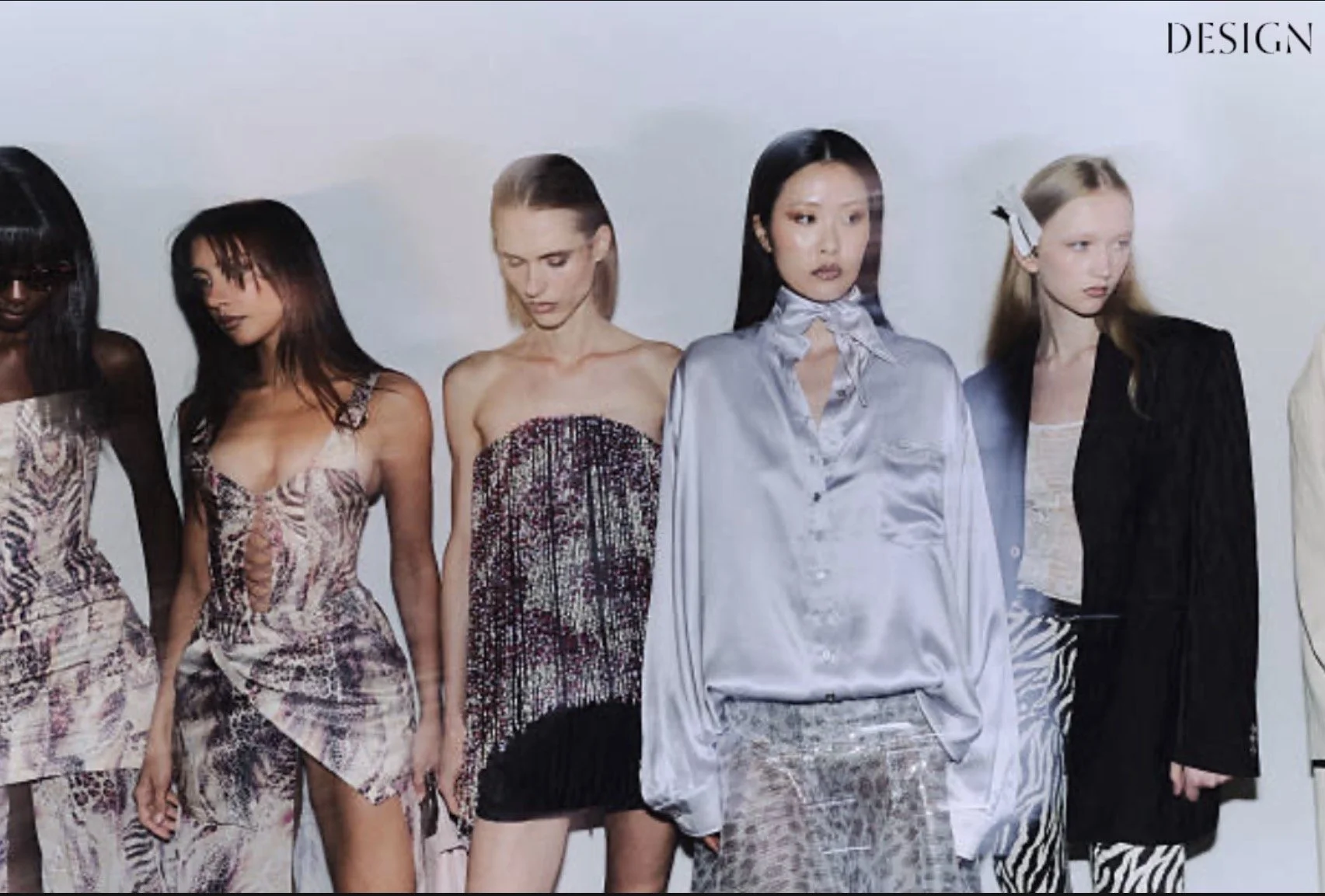
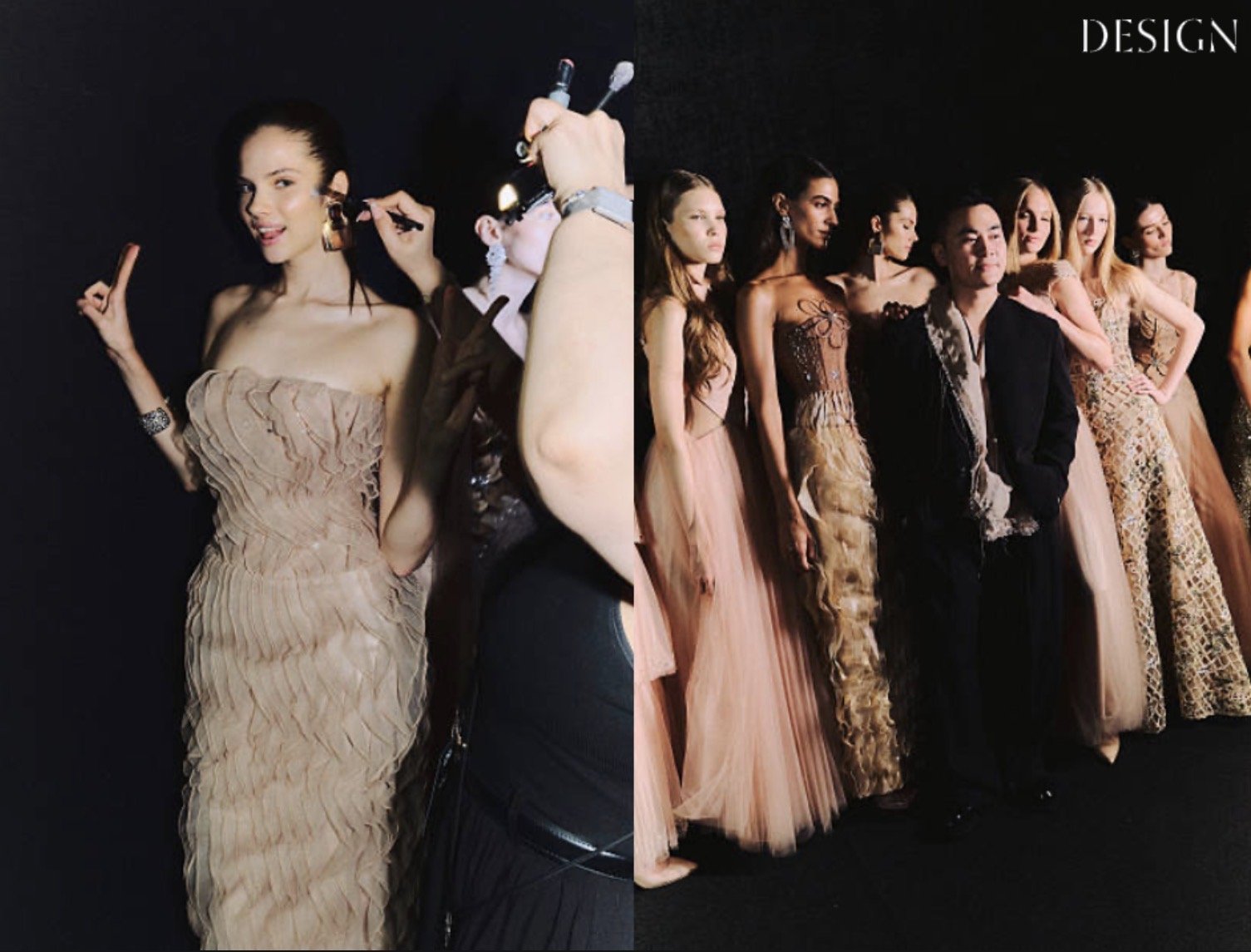
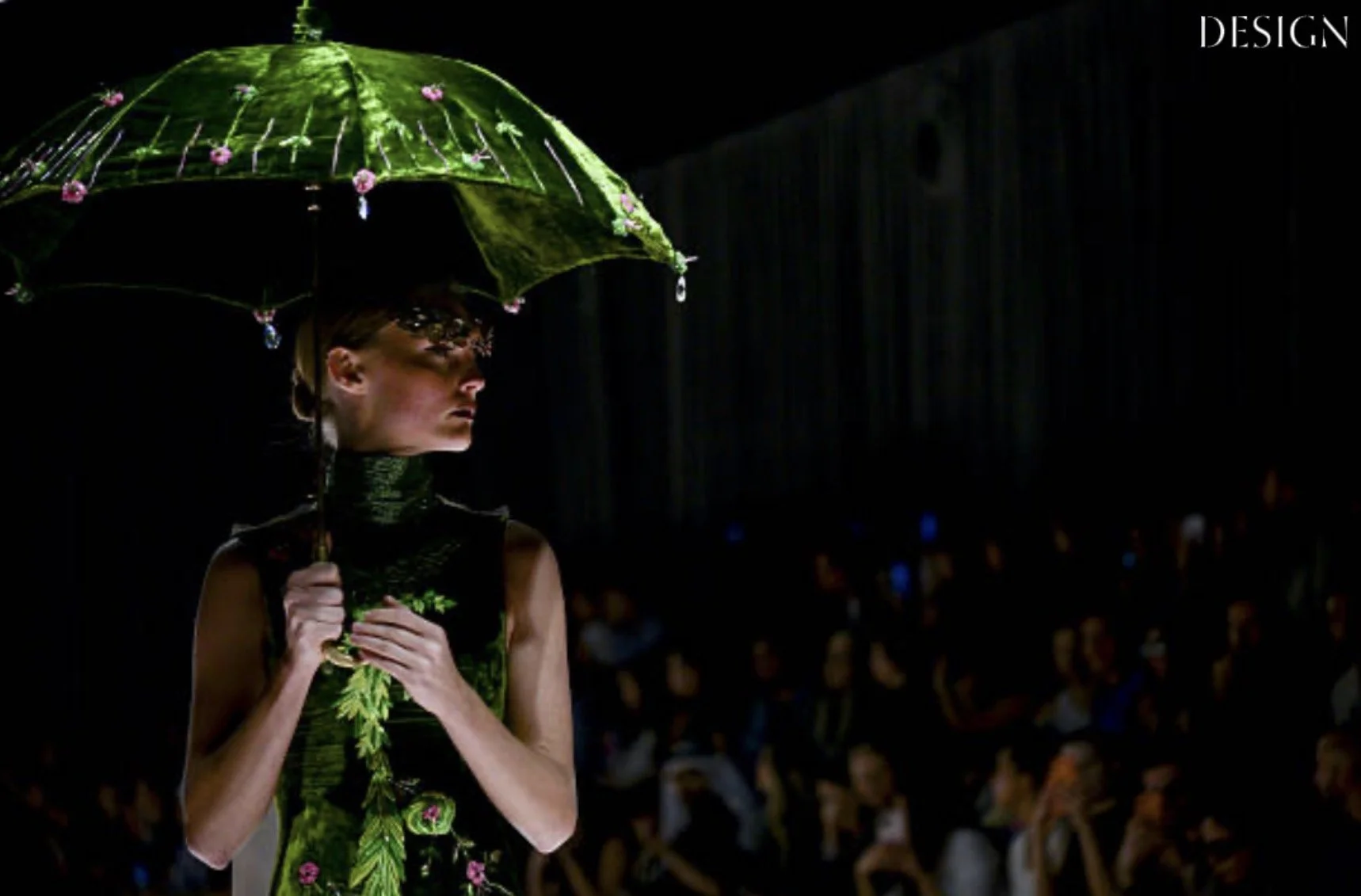
By evening the runway belonged to couture. Yousef Aljasmi, the Kuwaiti designer who has dressed Lady Gaga, made his Dubai Fashion Week debut in black, cream and silver, crystals pouring from shoulder to floor over sheer, close-cut skirts. Sara Pedram followed with Simurgh, named for the mythical bird of Attar's Conference of the Birds, and it was the most personal collection of the week. A ballerina opened the show. Shoulders grew wings. A Prussian-blue velvet gown trailed a Swarovski Tree of Life down its train, and a full skirt of rough hessian carried a hand-painted scene from Hafez. Pedram spoke backstage about rebirth and rising again, and nobody in the room needed it explained.
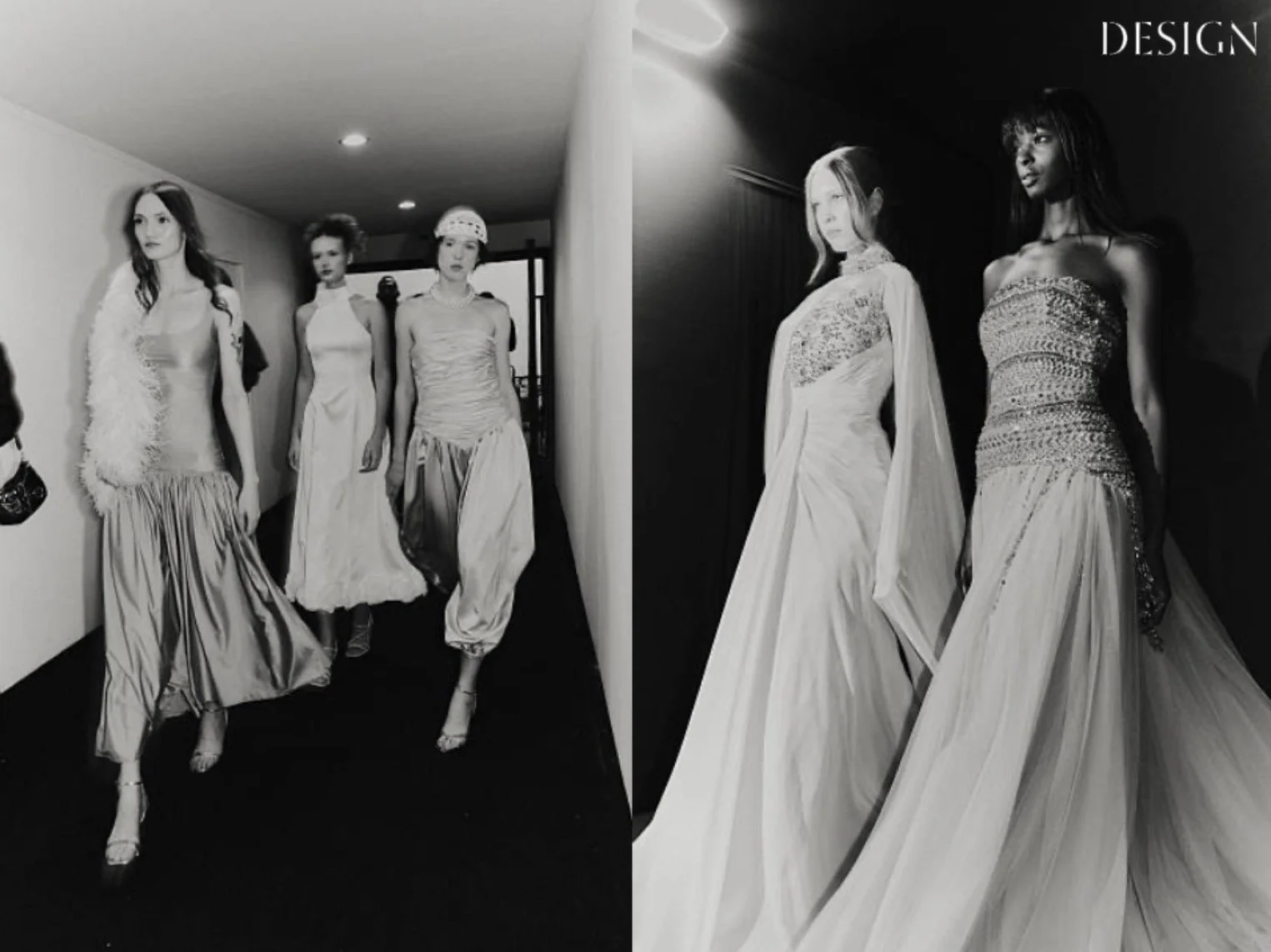
Pallavi Puri's debut, Beyond Borders, was fifty looks made by more than 150 artisans: Indian beadwork rethought for the women of the Gulf, with horses running through the embroidery as a nod to Dubai's equestrian culture. Lisa Haydon opened, Cyrine Abdelnour closed in bridal. Then Krésha Bajaj, a returning favourite, ended the night with Alok Lodha Jewels. Beadwork crept over crochet tops and tank tops for day, then turned into zebra stripes and latticed torsos for night. Glamour, with teeth.
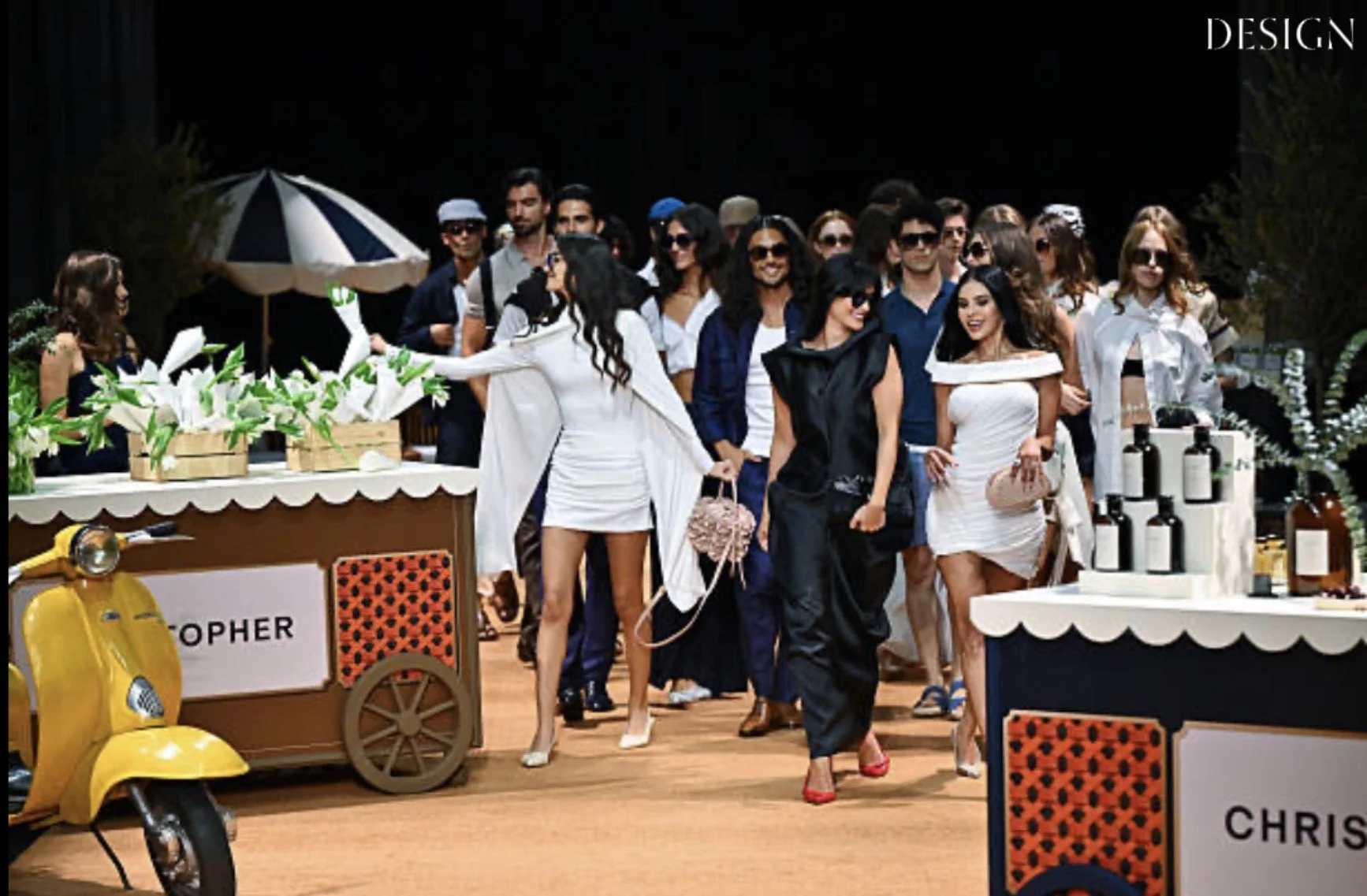
Friday was about structure. Ukraine's KEL' sent out Genesis, a butterfly worked through corsetry and sculpted tailoring, tulle and velvet, three-dimensional appliqués stitched by hand. Vietnam's L'Scarlett answered with Aurea, gold-toned crystals and lily-shaped florals on fluid skirts. GNL Couture, the Baku house that opened its Jumeirah showroom in June, went into the garden for Le Jardin Enchanté, in mint, blush, pistachio and ivory. Sisters Nafsika and Stephanie Skourti closed the night with Resort 2027, a love letter to the friends who become family: florals against metallics, softness held firmly in shape.
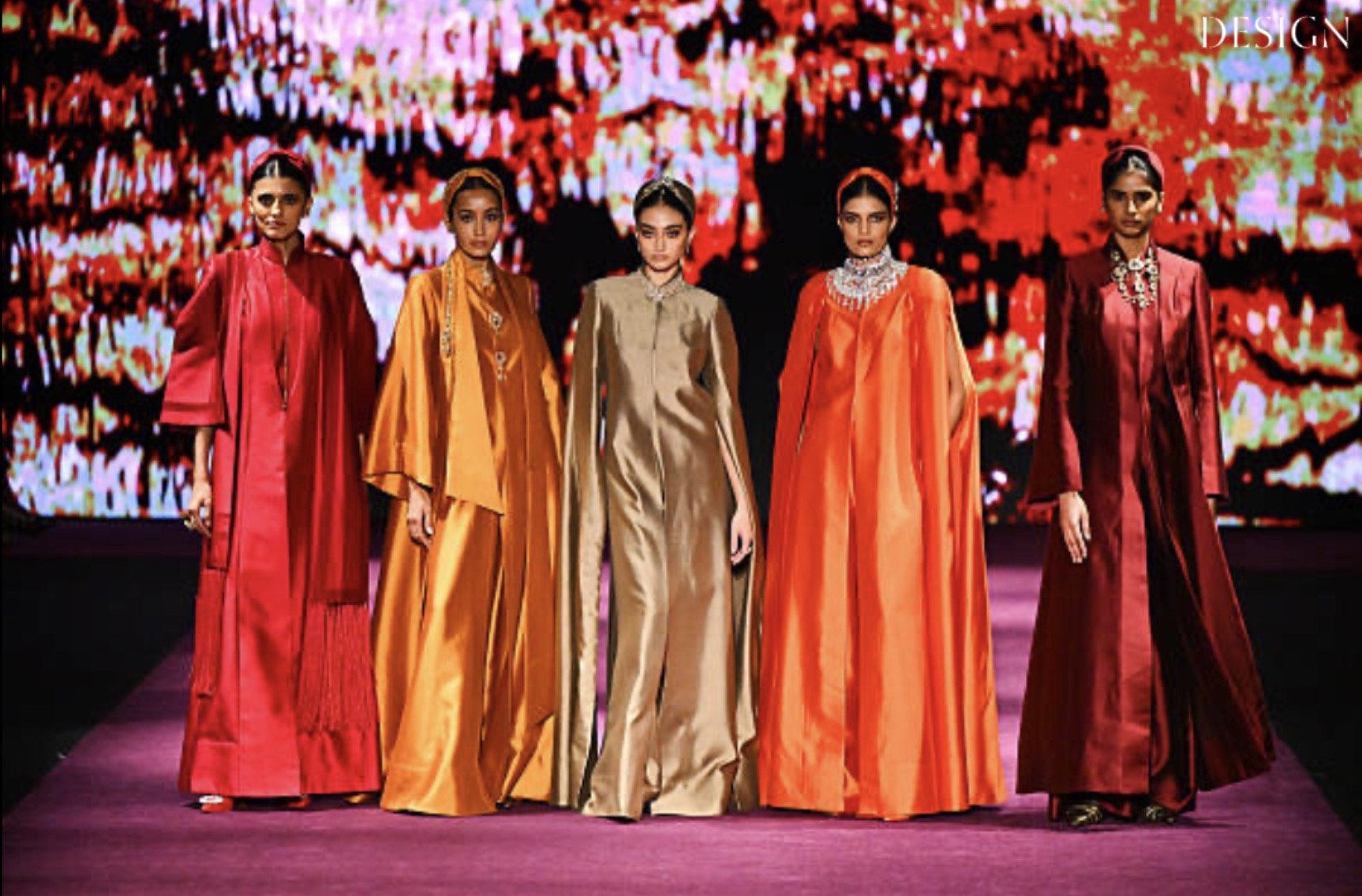
Saturday was Colombia's night, hosted by the Bogotá Chamber of Commerce. Laura Aparicio opened with Nanda in saturated yellow, red and blue. Adriana Capasso took the coffee country of Quindío and turned it into volume and manipulated textile for Trace. ODA brought pieces built with 3D design, and Mónica Schuster closed the showcase with Eclipse, couture eveningwear on celestial themes.
The evening's real charge came at the end. FADTalents marked ten years of FAD, the school that lives inside d3, with more than twenty young designers on one runway. It was a crowd favourite for us last September, and it was again. If you want to know where this city's fashion is heading, watch the students.
Sunday belonged to the UAE. Lili Blanc, Sabrina Mouhieddine's d3-based label and a fixture of this calendar, returned with Soleil d'Âme: fluid fabrics, asymmetric gowns and sharp suiting cut with flashes of leather. Onori, the label of Emirati designer Sharifa Al Hashemi, made its runway debut with 1950s Sardinia as its muse. Kuni, the Abu Dhabi couture house of architect-turned-designer Sara Mousa, debuted too; its name means "be" in Arabic. An Emirati label stepping onto the official calendar for the first time is exactly what a home-grown fashion week exists for. Shoma brought hand-painted prints from Trinidad and Tobago, and Victor Weinsanto, Paris's favourite provocateur and a regular here, closed the night.
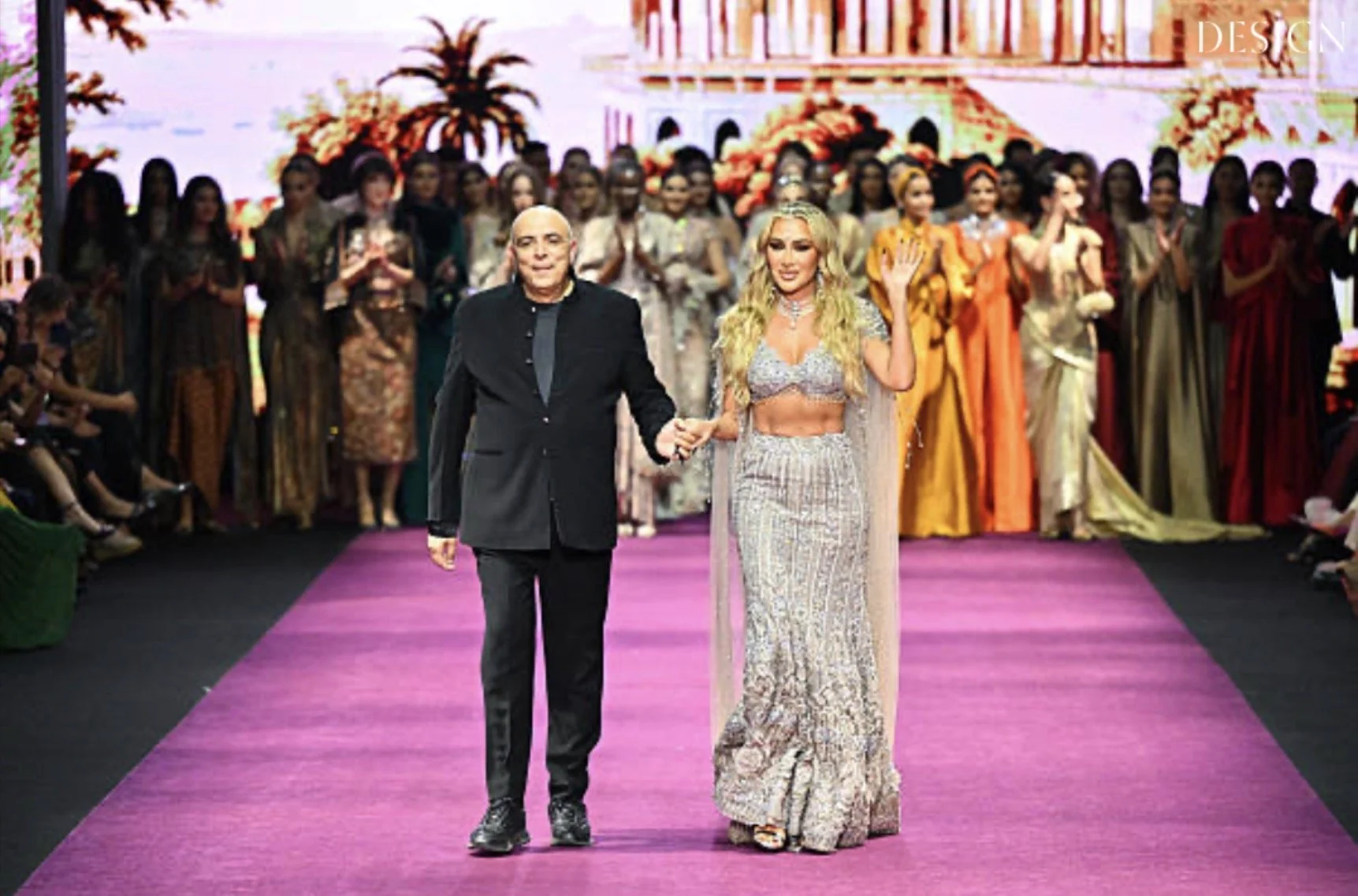
Monday brought the finale. Tarun Tahiliani, the first Indian designer ever to show at Milan Fashion Week, closed with The Many Moods of TT, three decades of Indian craft folded into Arab couture: fluid drapes, deep detail, silhouettes cut for the women of this region. Maya Diab walked in a silver lehenga. He is about to open his first Dubai store, which says more about the week than any speech could. A veteran putting down roots in a city the younger designers are still mapping made for the right ending.
Away from the runway, the business kept moving. The Buyers Programme ran all week, putting designers in front of retailers, and Harvey Nichols at Mall of the Emirates opened a pop-up carrying Pallavi Puri, Onori and Nafsika Skourti through to 31 October. Clothes that walked on Thursday were on a shop floor by the weekend.
A year ago we wrote that Dubai was not simply joining fashion's conversation but shaping it. This season it did something more grown-up. It made room: for first-timers from the Emirates, for students on their first runway, for a couturier with thirty years behind him choosing this city for his next chapter.
BY OONA CHANEL.
