

The twelfth edition of Dubai Design Week has closed after five days in d3. It was a more focused and confident festival than in previous years, with some outstanding work and a few things still to refine.
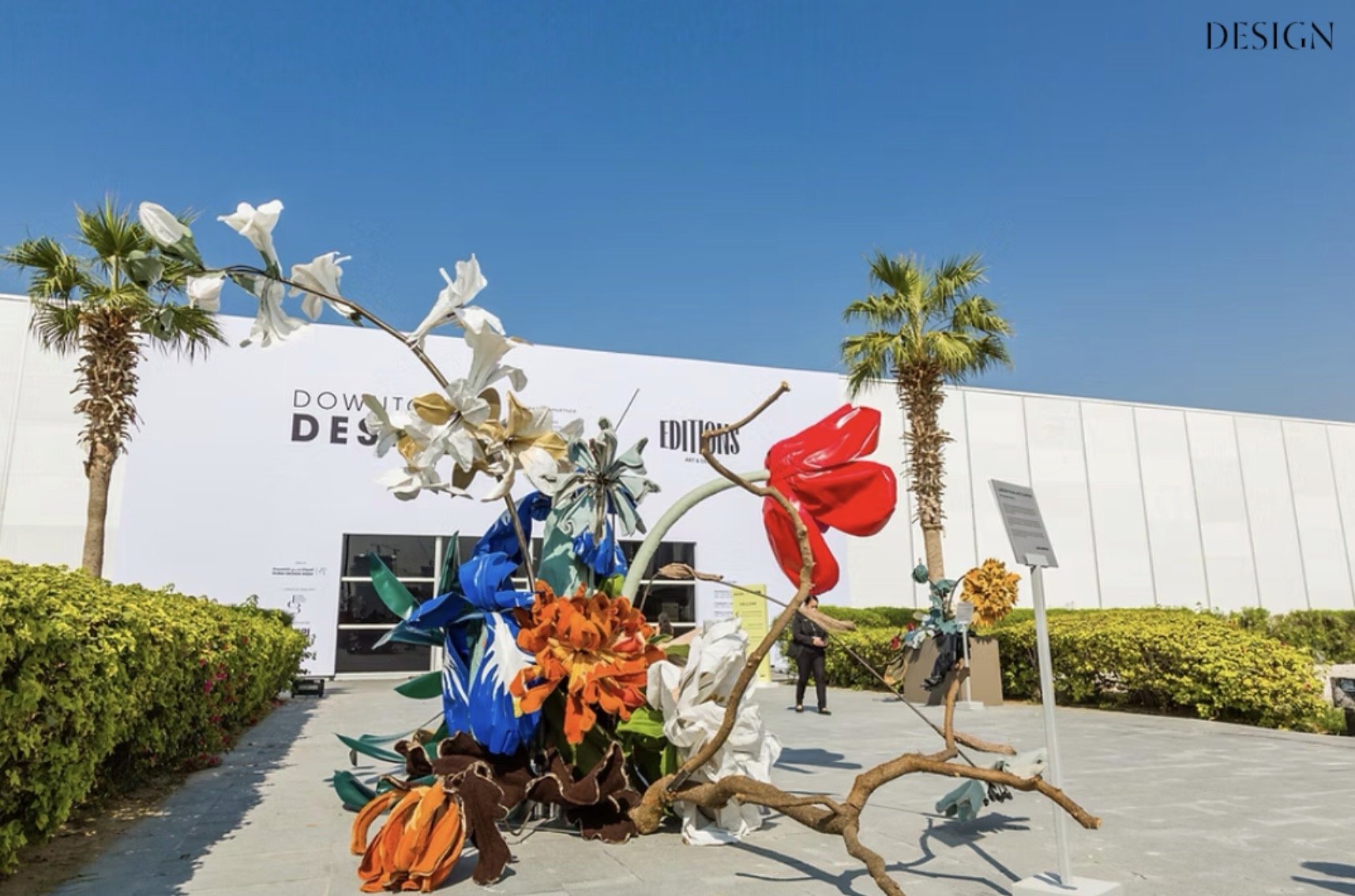
Dubai Design Week ran from 4 to 8 November at Dubai Design District, with more than 40 installations, exhibitions and commissions, and more than 300 brands at Downtown Design, its anchor fair. I spent two days there. What stayed with me most was the seriousness of the programme. In several places this year, the festival felt less like a showcase and more like a considered conversation about what design in this region is for.
That matters to anyone who collects, commissions or builds in the Gulf. Dubai Design Week is where the region's design economy shows what it is investing in, and which young studios are ready for larger projects. Much of what appeared in d3 this week is likely to reach homes, hotels and public spaces over the next few years.
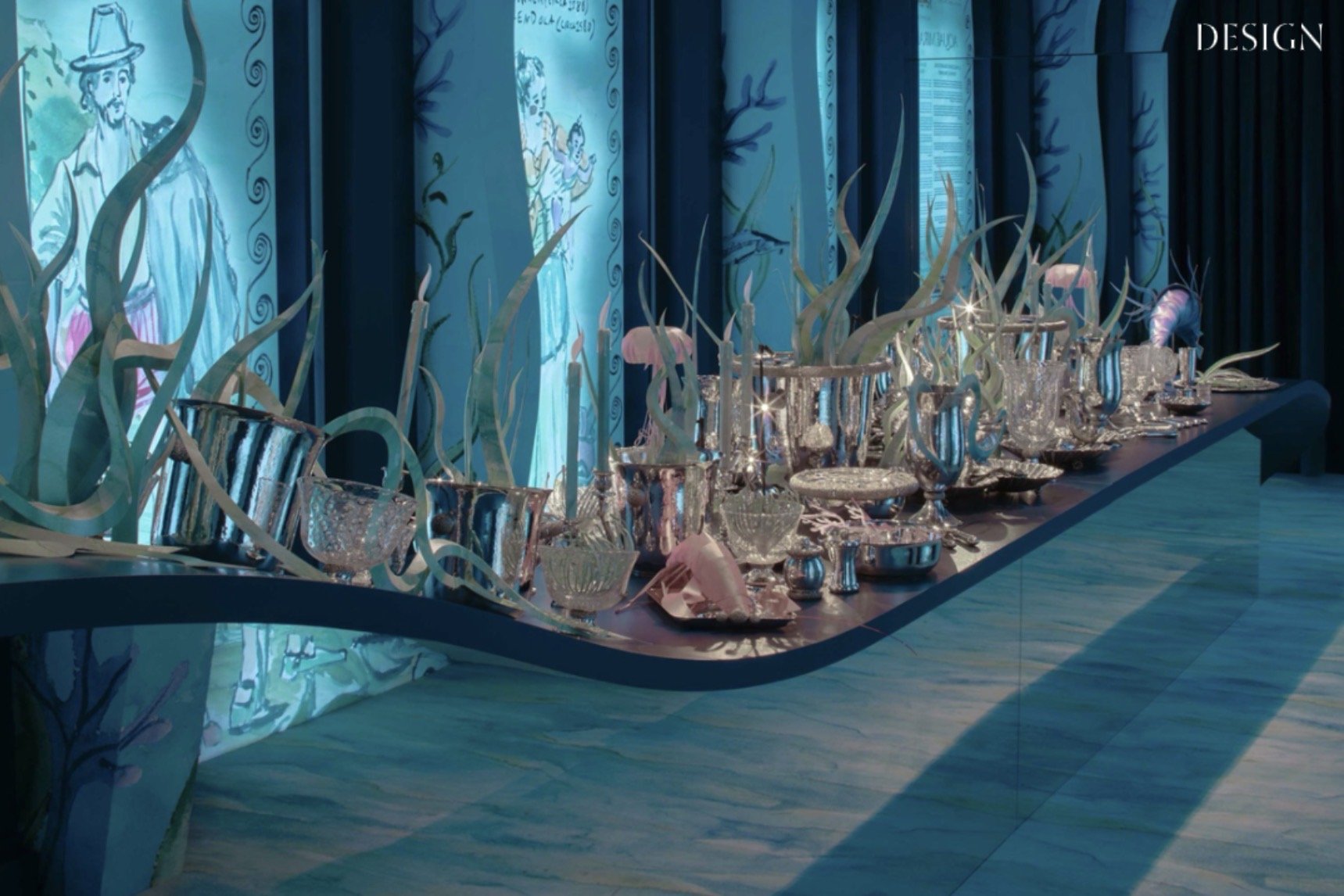
The most rewarding part of the programme was Abwab, the festival's long-running commissioning platform for practitioners from across Asia and Africa. After years of individual pavilions on the plaza, it moved indoors this year into a group exhibition, In Other Words, built around how knowledge and meaning are carried. Dalia Rafeh's Shhhhhhhh rendered the Arabic letter , shin, seven metres tall in red light, a quiet gesture towards silence; standing beneath it, visitors naturally lowered their voices.
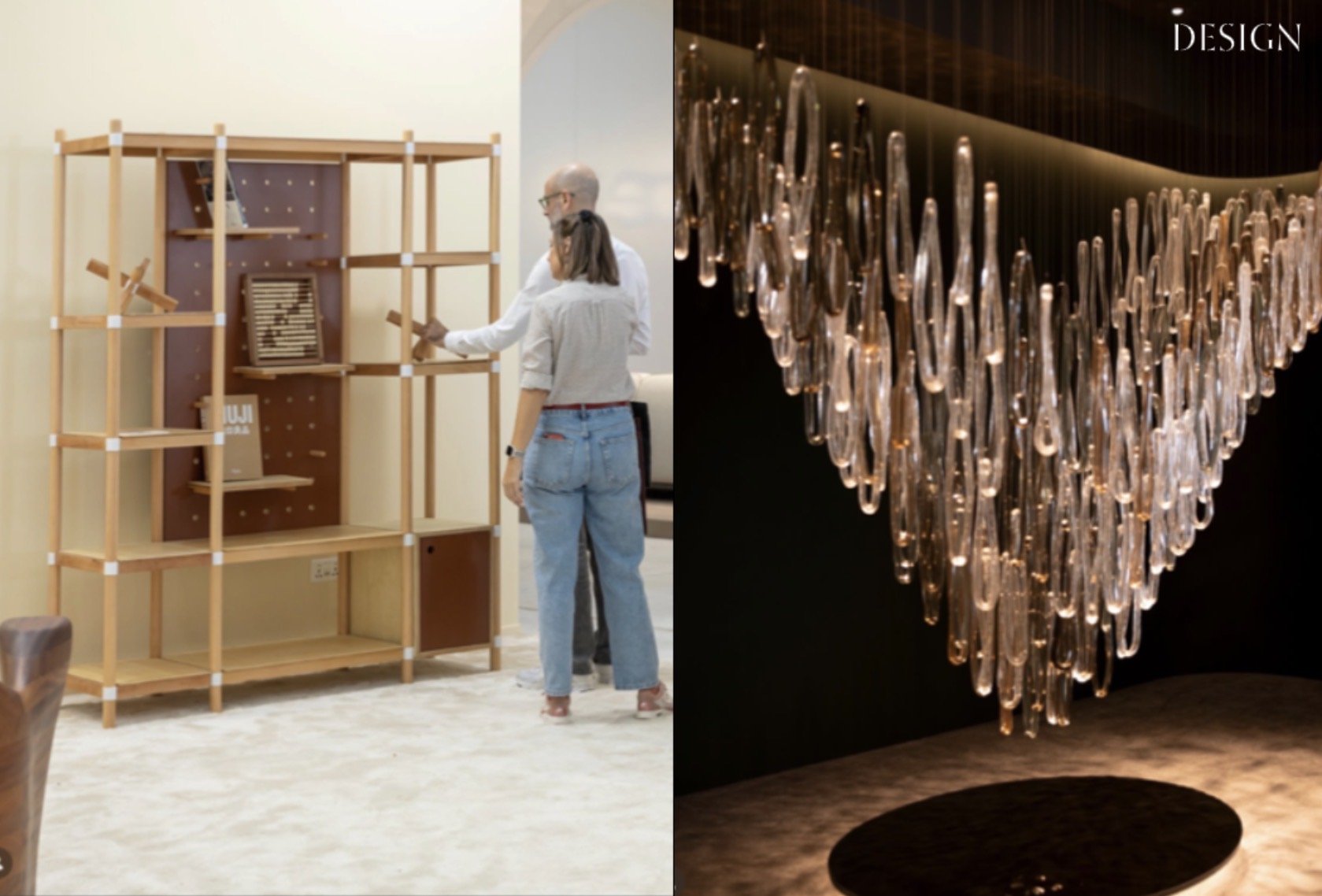
VARUSSI's Taleem drew on the coded notation used in Kashmiri carpet and Kani shawl weaving. Kanaka Raghavan rebuilt Devanagari letterforms in layered textiles, Grace Shieh explored handmade paper as a carrier of memory, and UBIK's Non/Sense looked at translation and mistranslation. The indoor format gives up some of the open visibility of the pavilions, but it gains focus, and the result was the most coherent exhibition of the week.
Urban Commissions, the festival's competition for the public realm, was equally strong.
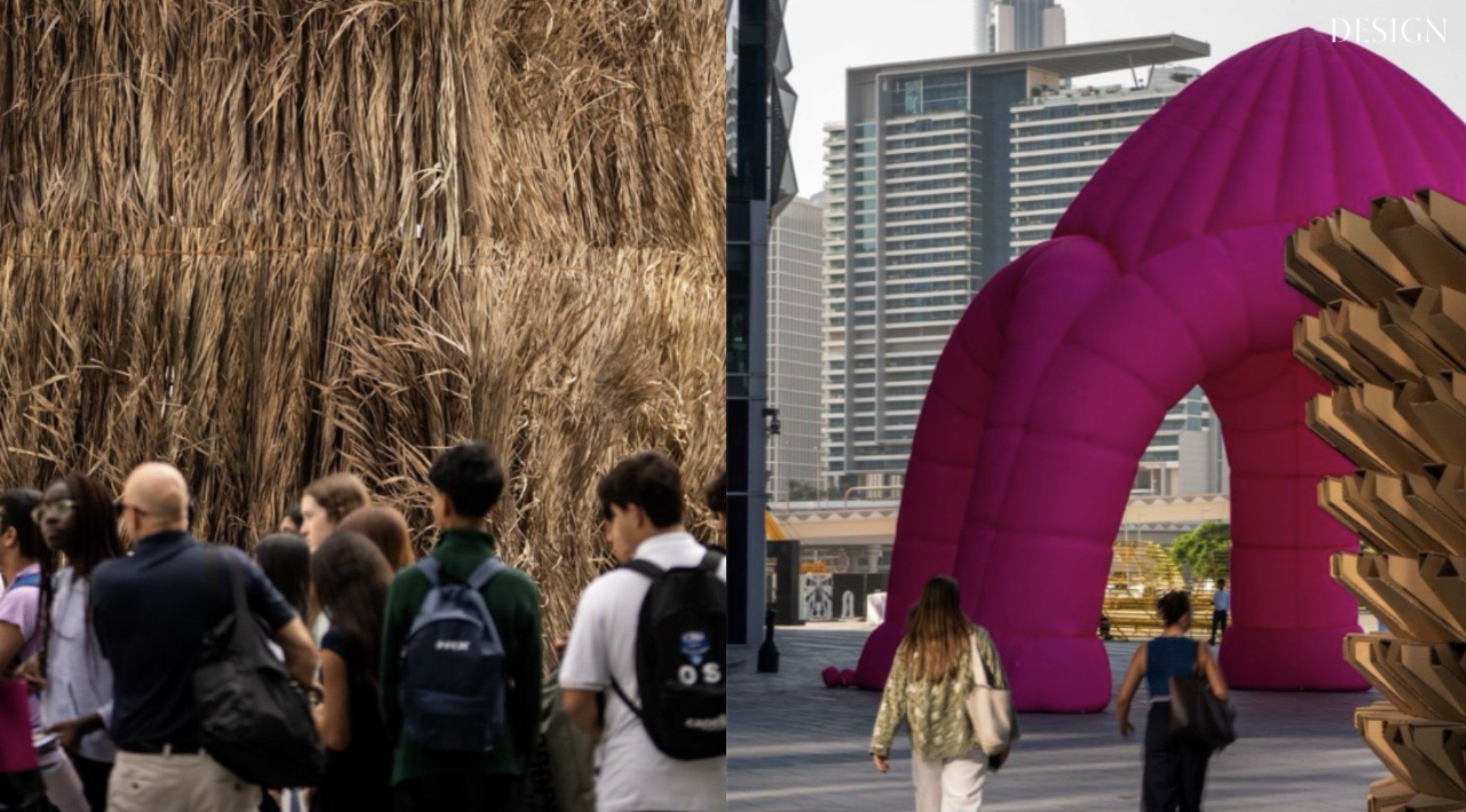
Under this year's theme, Atmospheres, the Dubai practice NAO Architects, founded by Reem Nassour, won with Three Gardens and a Room: three gardens arranged around a shared central space, each using planting, shade, colour and filtered light to create a different microclimate. Moving through it, you felt the temperature and light change from one garden to the next. In a city where time outdoors depends so much on the season, it was a thoughtful proposal about how people might comfortably share public space, and one that deserves a life beyond d3.
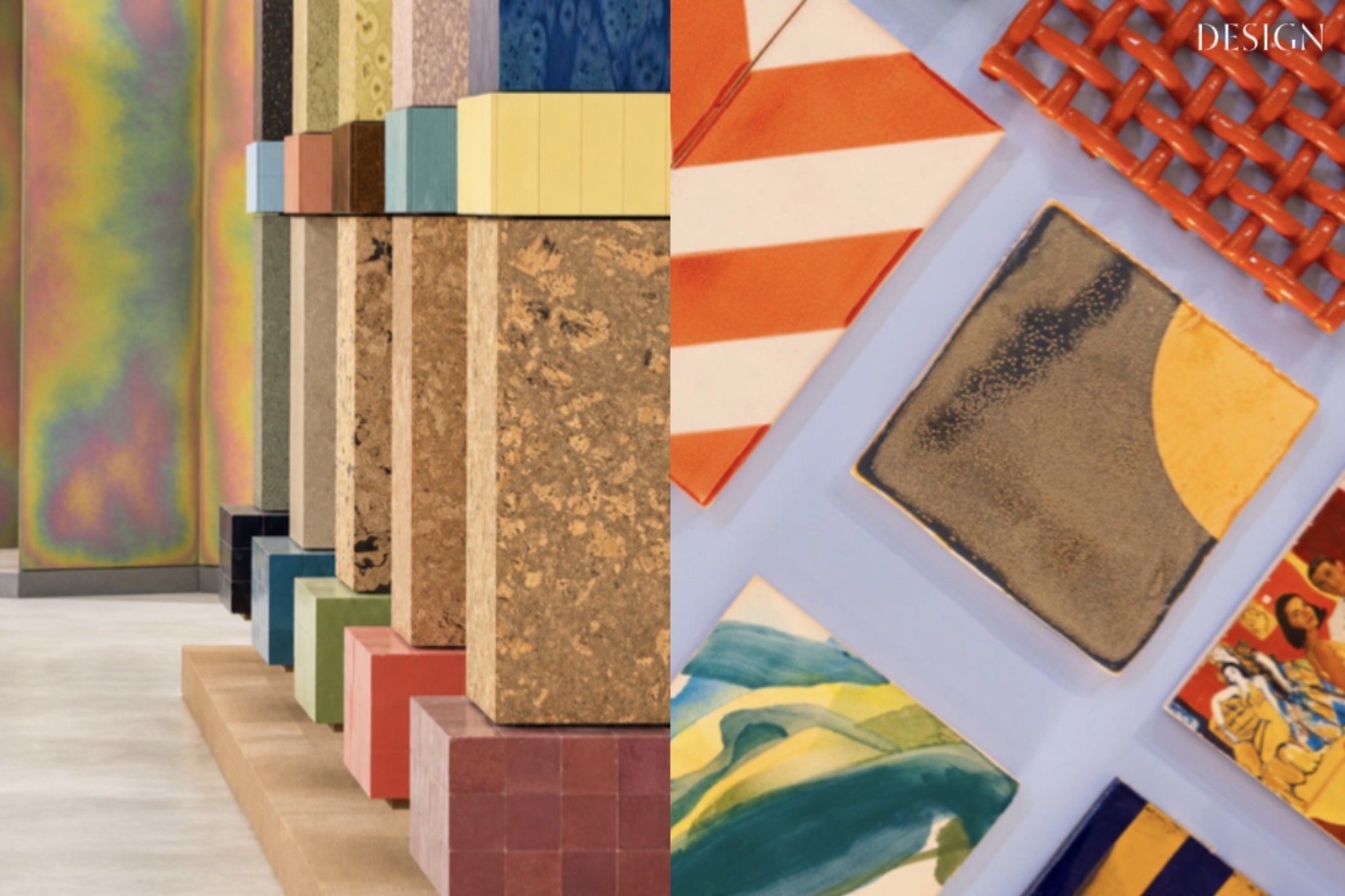
Heritage was the week's most visible thread. The UAE Designer Exhibition, curated this year by AlZaina Lootah under the title Inherited Futures, brought together 30 UAE-based creatives working with agricultural waste, local clay and reclaimed wood, alongside calligraphy, traditional dressmaking and the majlis. At Iwan Maktabi, Nadine Kanso and Omar Al Gurg presented new pieces drawing on calligraphy and memories of the majlis, and Rasha Saffarini's Tagleem explored discarded palm fronds as a building material. The approaches varied. Some projects treated tradition as a working method, testing local materials and techniques for contemporary use. Others drew on it more as atmosphere, as in the hospitality experiences built around Arabic coffee. Both have their place, but the material-led work felt the most forward-looking, and it would be good to see it given even more room in future editions.
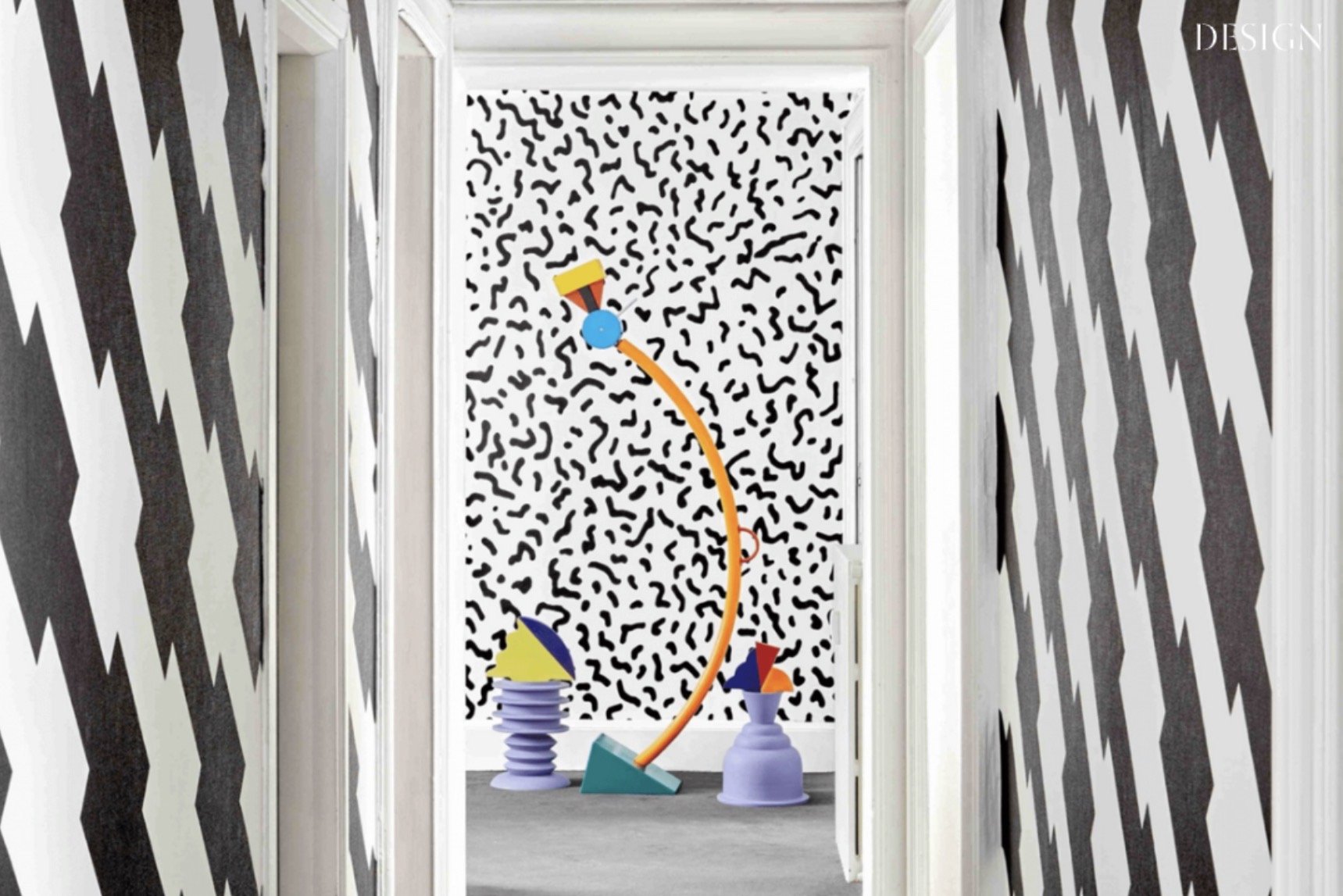
Downtown Design remained the commercial centre of the week, with new collections from international houses and a dedicated Memphis Milano exhibition presented by HMA Living, featuring works by Ettore Sottsass and the movement he founded in 1981.
Buccellati presented Aquae Mirabiles with Luke Edward Hall, and Veuve Clicquot opened a café designed by Yinka llori. For me, the most interesting stands were the regional ones:
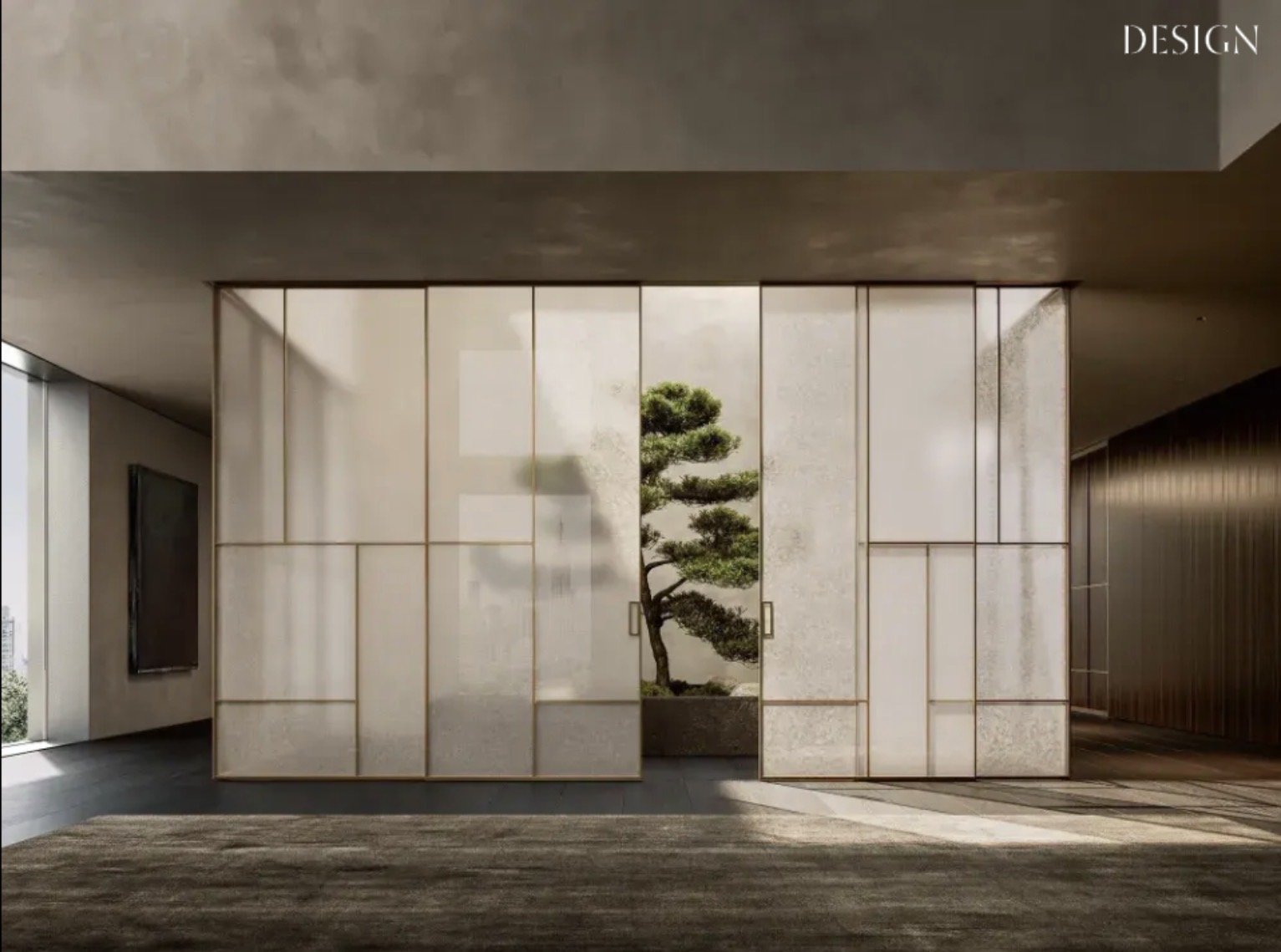
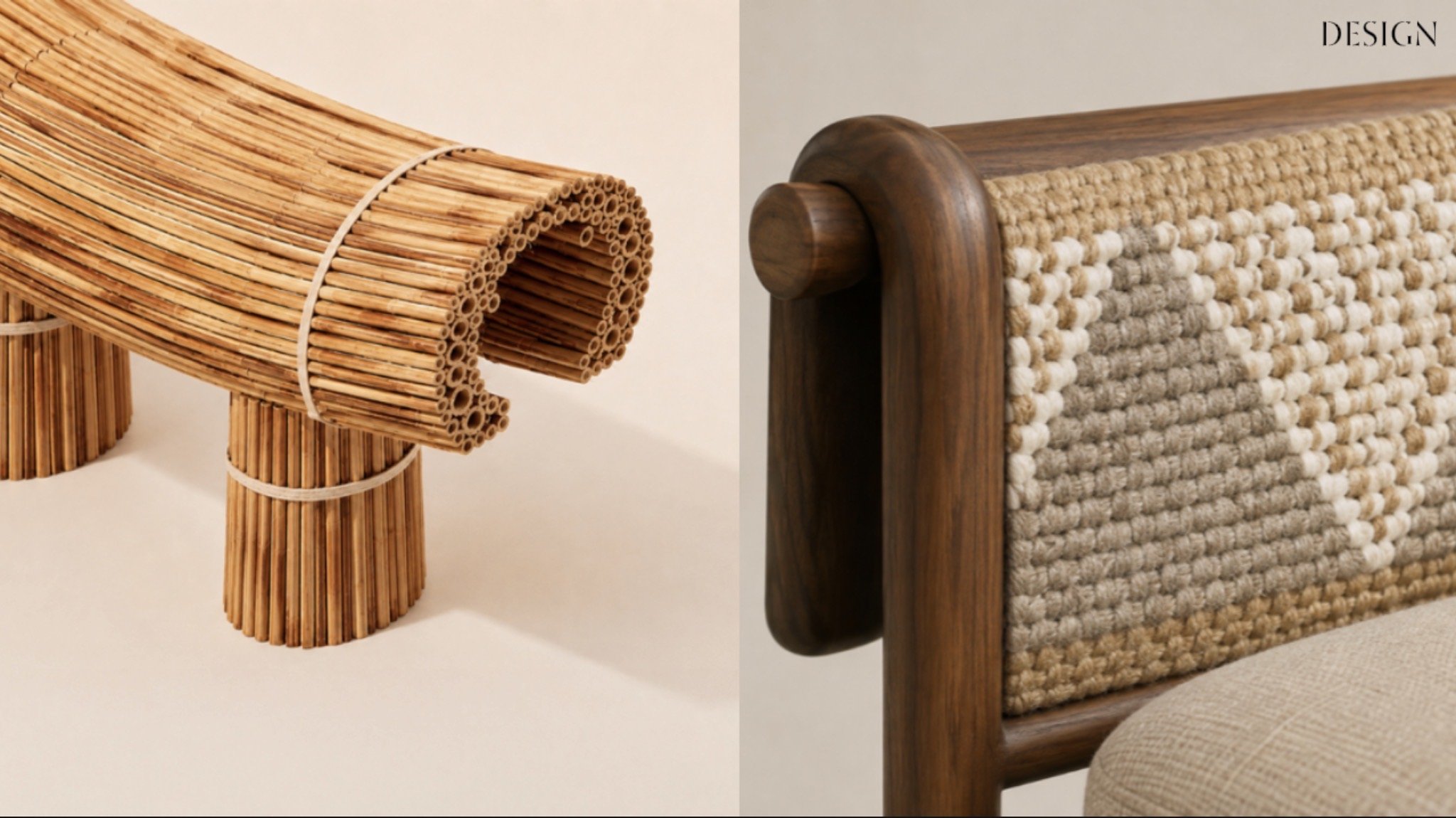
Tashkeel's Tanween programme, the Athath Fellowship prototypes from MAKE in Abu Dhabi, and Contemporary Spaces, the new furniture studio founded by Alya, Maitha and Obaid Al Suwaidi. This is where a regional design industry is visibly taking shape.
Across d3, the strongest exhibitions shared an interest in how things are made. L'ÉCOLE Middle East, supported by Van Cleef & Arpels, used experimental archaeology to recreate an Iron Age gold necklace. Noora Jabir and Moufida Mohideen's Everyday Artifacts, winner of the Christo and Jeanne-Claude Award, took its form from an ancient fishing hook. Alter reimagined ludo with handmade recycled cement tiles, FLTRD's Borrowed from Earth included a working ceramics studio, and the Dubai Institute of Design and Innovation asked What remains human? in an exhibition on design choices in a technology-driven world. Each made its process visible, which is exactly what the festival set out to do this year.
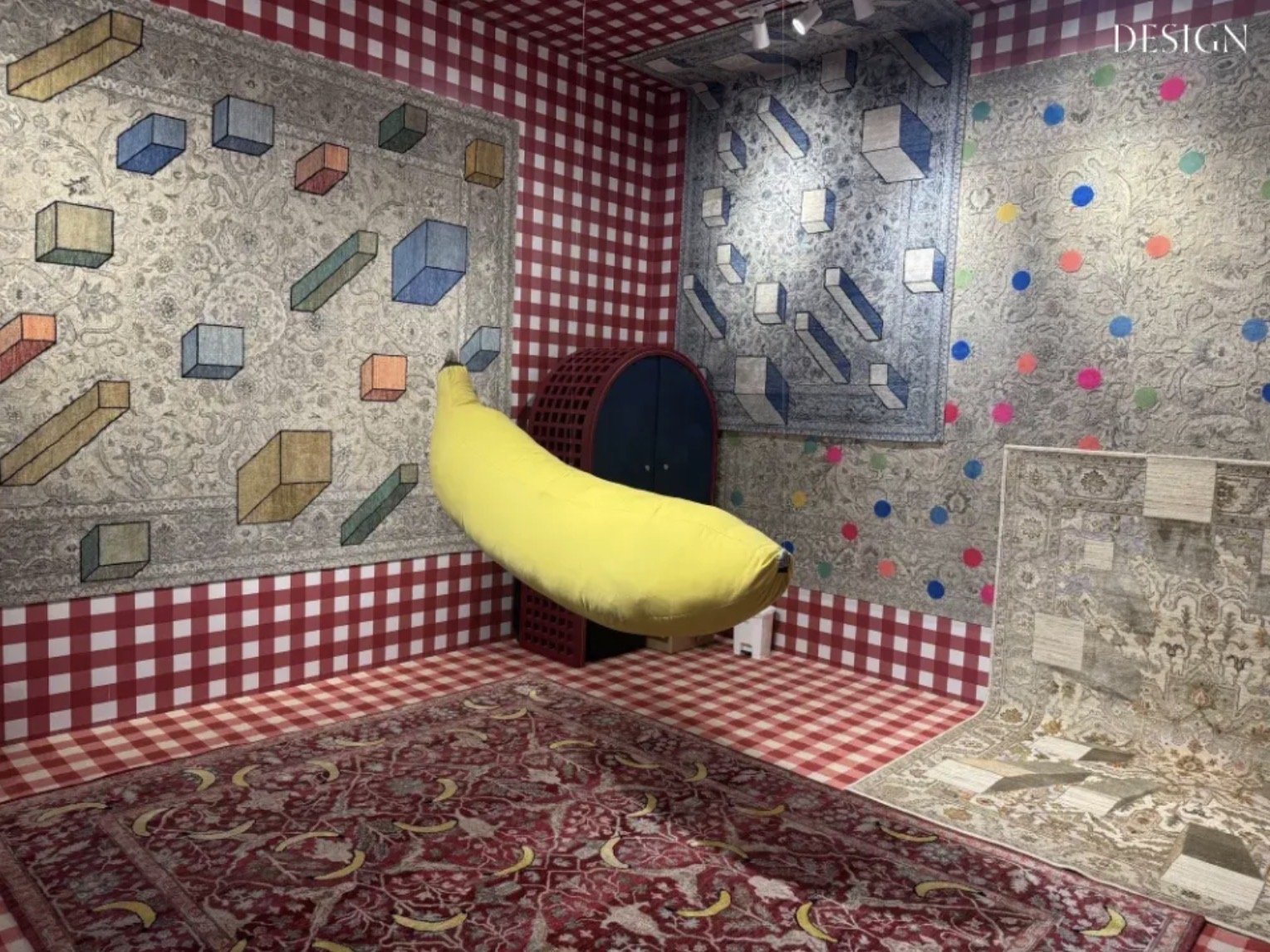
Compared with last year, the progress is clear. In 2025, Abwab centred on a single winning project; this year it presented five commissions around one idea. The UAE Designer Exhibition moved from a mentorship format to a curated exhibition with a clear theme.
Urban Commissions shifted from the courtyard, a traditional form, to atmosphere and climate, a more pressing question for the city today. The programme also felt slightly more edited, with around 25 installations across d3 and just over 300 brands at the fair, compared with more than 30 installations and 330 brands in 2025.
There is still room to refine. The programme is large, and with so much on offer, the strongest commissions can be easy to miss; a continued move towards a tighter selection would serve visitors well. Partner activations, which are essential to any design week and included some enjoyable spaces, currently sit alongside the commissioned work with similar prominence. Presenting the two more distinctly would help visitors plan their time and allow both to be appreciated on their own terms.
Several names from this edition are worth following. Dalia Rafeh, for the clarity and restraint of Shhhhhhhh. Reem Nassour of NAO Architects, whose work on shade and comfort is relevant to any hotel, school or public space in the Gulf. Rasha Saffarini, for her research into palm waste as a material. VARUSSI, the practice of Owais Asif Khan and Samreen Junaid Wani, for translating a weaving code into architecture. Contemporary Spaces, a young Emirati furniture studio at the start of what looks like a promising path.
And AlZaina Lootah, who showed with Inherited Futures that she is as strong a curator as she is a designer.
Overall, this was one of the festival's strongest editions. Dubai Design Week has long since proved its scale; this year it showed growing curatorial confidence, and a clearer sense of what it wants to say. If one work summed up the week for me, it was Rafeh's red letter, a reminder that the most memorable design often says the most with the least. On this evidence, the festival is well placed for its next chapter.
BY OONA CHANEL
