

Suzanne Belperron: The Jeweller Who Refused to Sign Her Work and Was Forgotten for Forty Years
She designed for Chanel, Schiaparelli, and the Duke and Duchess of Windsor. She said her style was her signature and refused to mark her pieces. When the estate was discovered after her death, it redefined the market for twentieth-century jewellery.
“The jewels in major collections that were Belperron were listed for forty years as ‘French, mid-century, unsigned.’ A piece that sold for under twenty thousand dollars in the 1990s sold for four hundred thousand in 2018, after attribution. The difference between those two prices is what forty years of anonymity and ten years of scholarship looks like.”
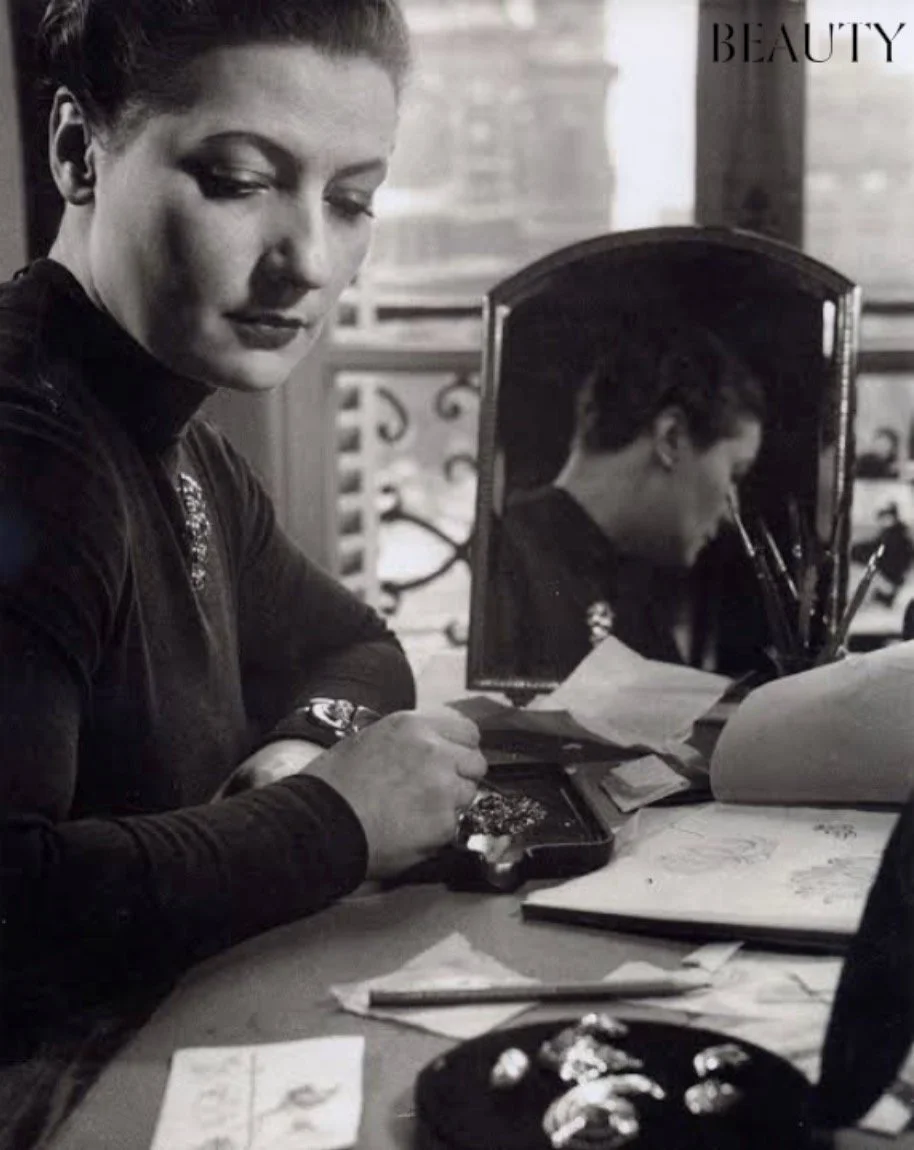
Suzanne Belperron died in 1983 having spent fifty years producing some of the most formally original jewellery of the twentieth century without signing a single piece. This was a deliberate philosophical position: ‘My style is my signature,’ she said, and the statement was both accurate and, for the four decades following her death during which her work was largely unattributed, a significant commercial liability. The jewels in major collections that were Belperron were listed in inventories as ‘French, mid-century’ or ‘unsigned, attributed to various.’ The recovery of her identity as their maker — beginning in the early 2000s as jewellery scholarship caught up with the attribution — produced one of the most significant market corrections in the history of fine jewellery.
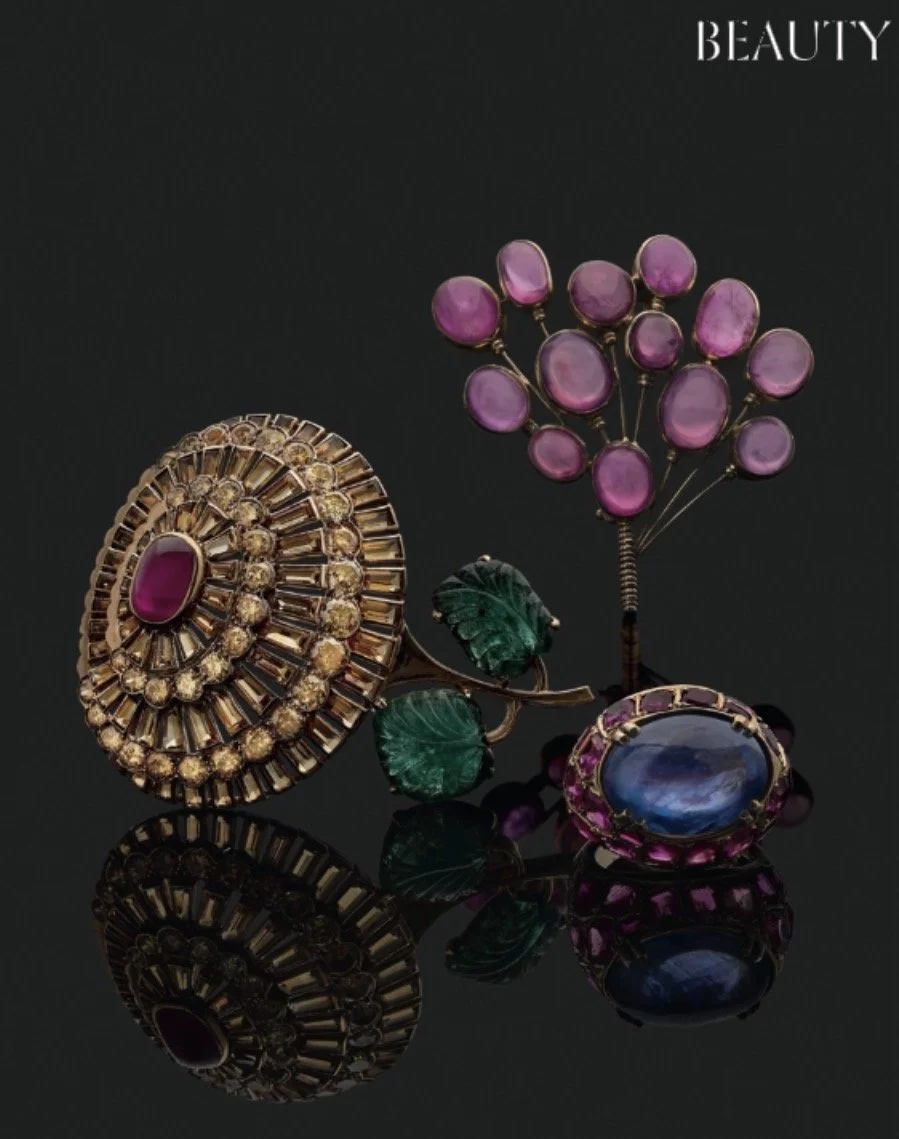
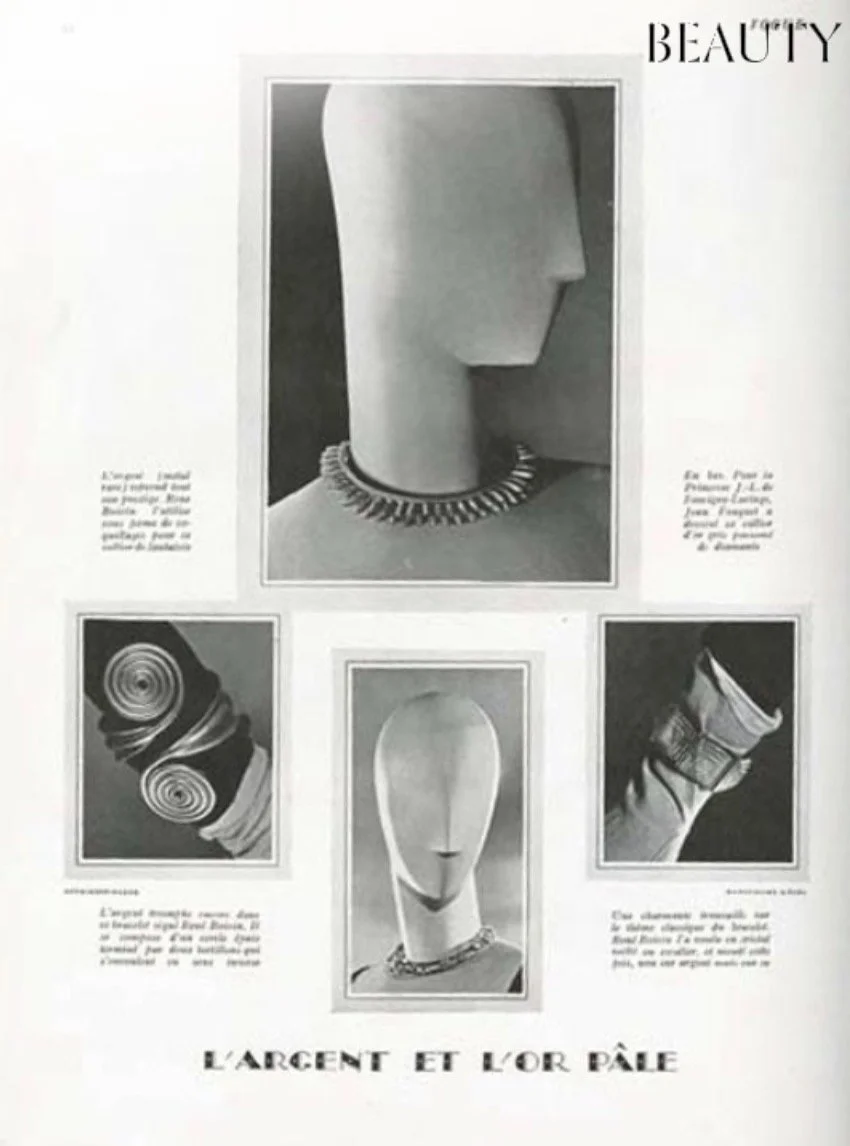
She was born in Saint-Claude in the Jura in 1900 — the watchmaking and jewellery-making district of France. She trained at the Ecole des Beaux-Arts in Besançon, moved to Paris in 1919, and joined the jewellery house Maison René Boivin, where she worked as a designer for fifteen years before establishing her own practice in partnership with Bernard Herz in 1932. The Boivin years produced the formal vocabulary that would define her career: the voluminous three-dimensional forms, the unusual material combinations, the use of chalcedony, quartz, and semi-precious stones in settings of unexpected technical sophistication.
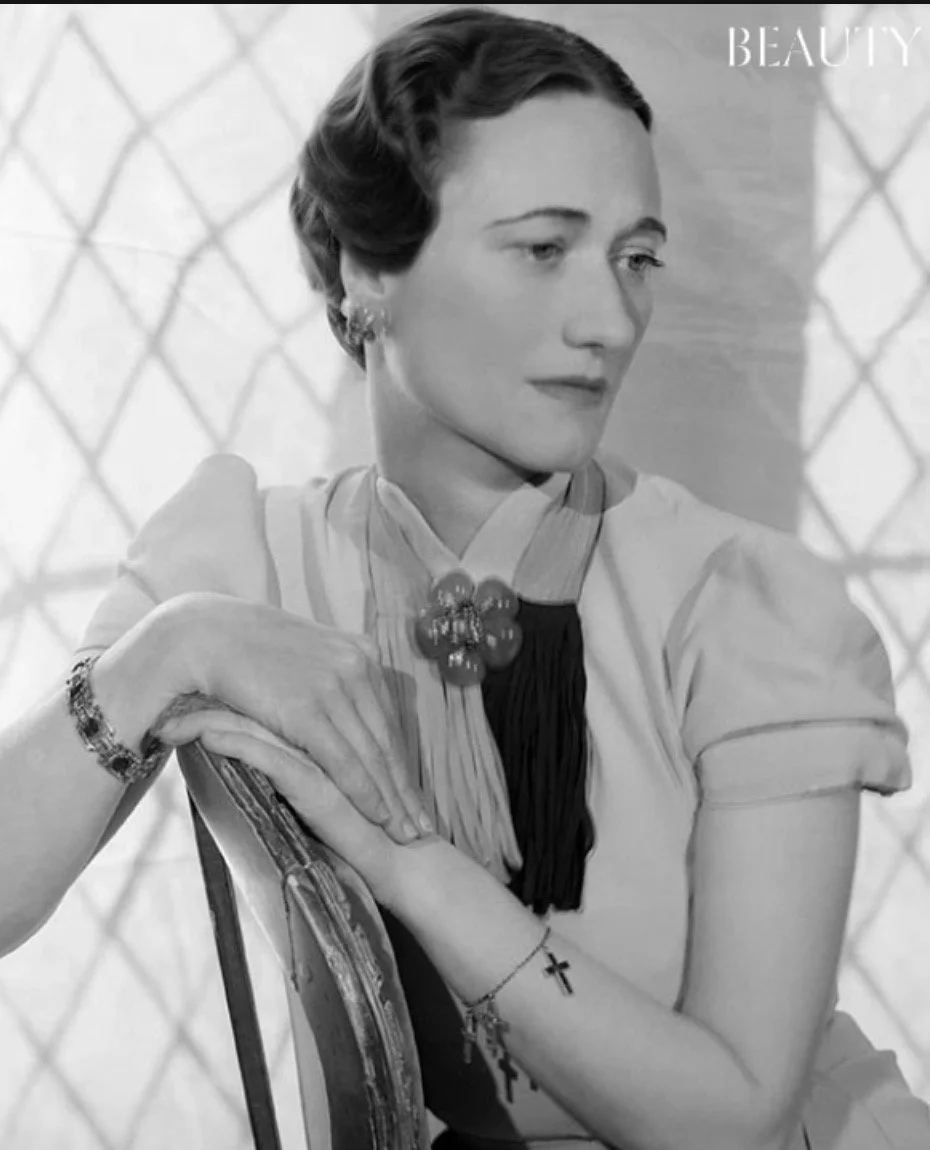
The clients who found her during the 1930s and 1940s were the clients looking for something the conventional houses were not making. Coco Chanel, who had a precise and largely correct eye for what would last. Elsa Schiaparelli, whose own relationship to unusual materials made her attuned to someone working in the same register. The Duke and Duchess of Windsor, whose jewellery collection remains the most documented record available of the taste of people who had the means to acquire anything and the intelligence to choose specifically.
The formal intelligence: she worked primarily with forms derived from nature — shells, coral, rocks, organic shapes — but processed through an abstraction that removed the botanical or geological specificity while retaining the organic structural logic. A Belperron bracelet does not look like a shell, but it has the specific kind of three-dimensional curvature that only a shell or similar organic form produces. The relationship between the piece and the body that wears it is specifically considered: her pieces fit the wrist or the neck or the finger in ways that straight geometric jewellery cannot.
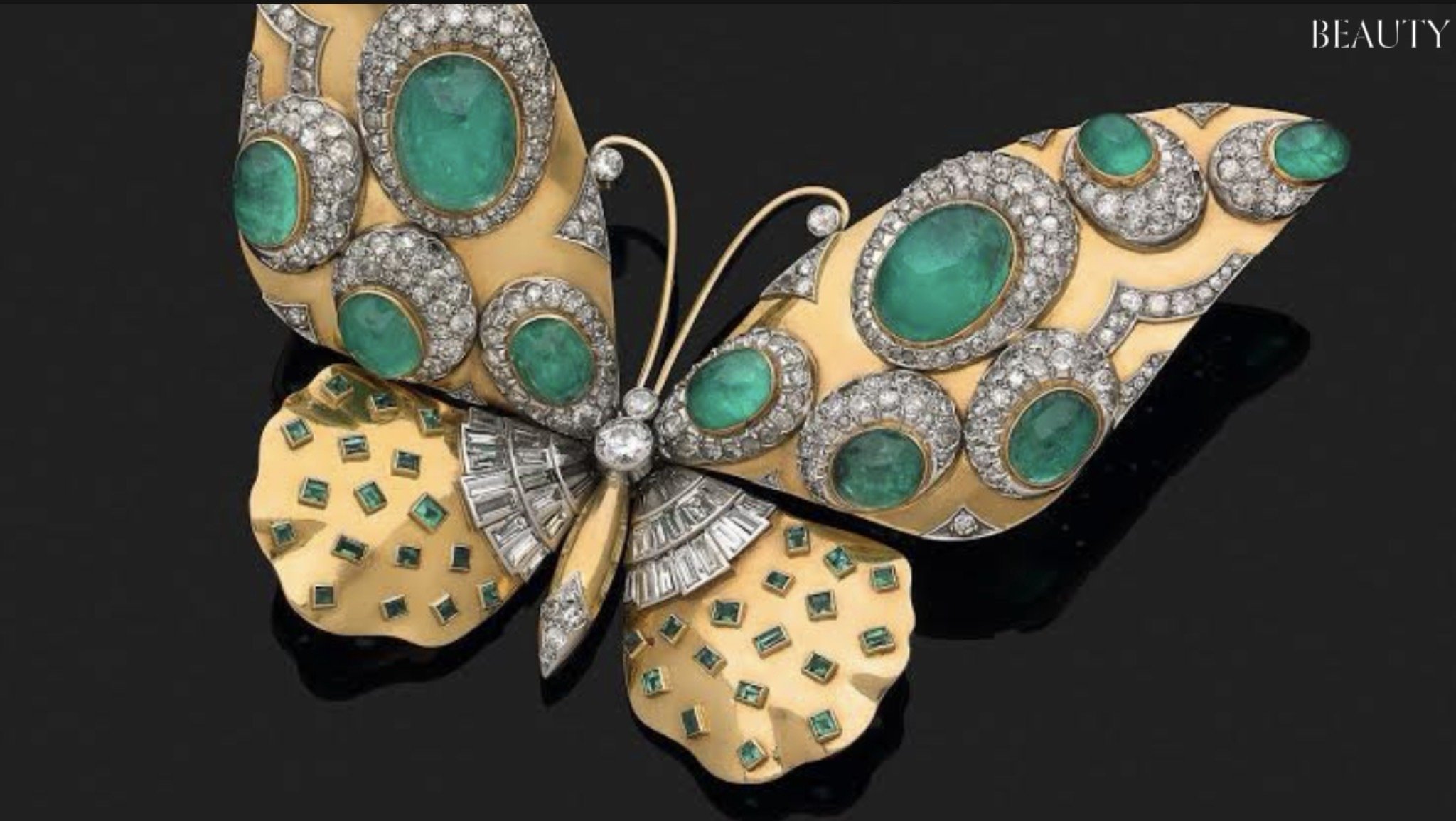
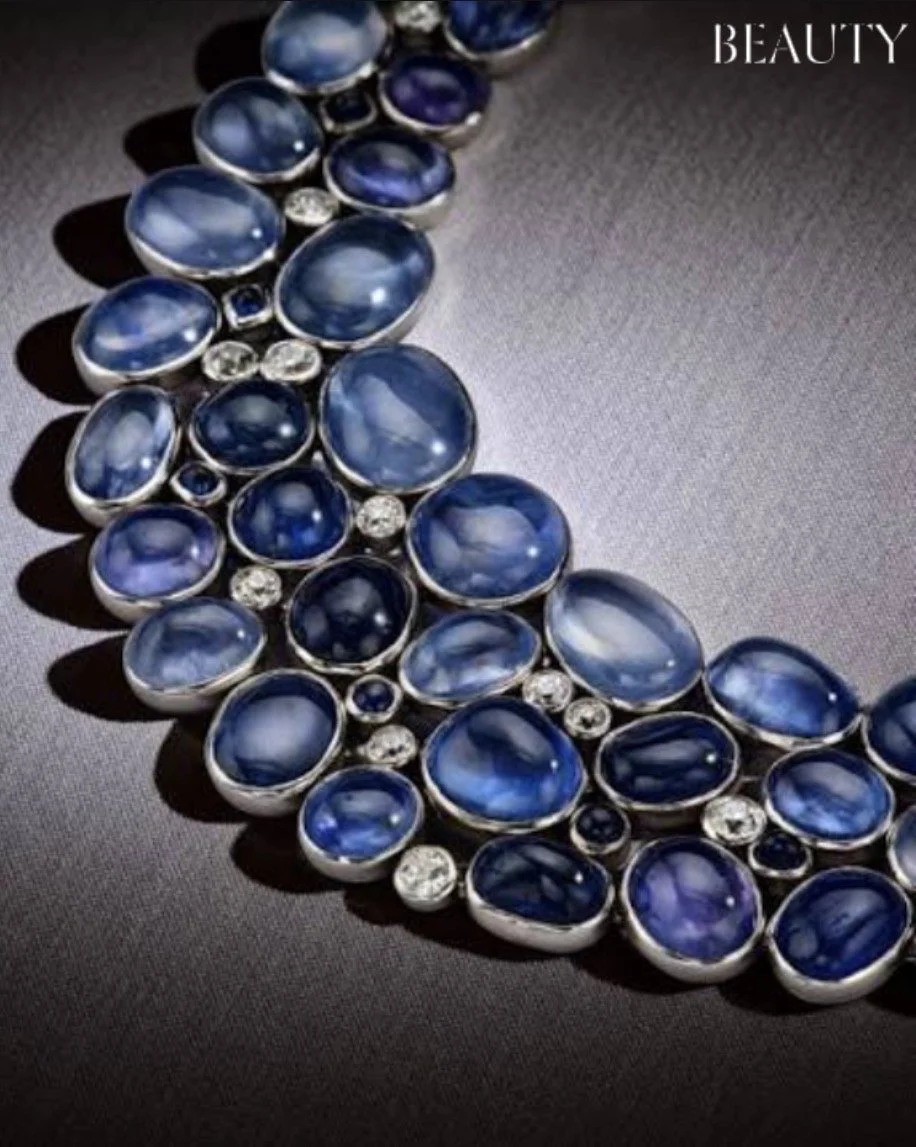
The materials she used most distinctively: chalcedony, the waxy translucent quartz she used in carved settings that allowed light to move through the stone in ways transparent faceted gems do not; rock crystal, similarly carved and lit; and unusual combinations of precious metals with semi-precious materials that gave her work a visual weight that the more expensive all-precious combinations of her contemporaries at Cartier and Van Cleef & Arpels could not always achieve.
The auction market correction began at Christie’s Geneva in 2004 and has continued steadily since. A Belperron chalcedony and gold cuff that sold for under twenty thousand dollars in the 1990s — when listed as unsigned — sold for four hundred thousand dollars at Sotheby’s New York in 2018, after attribution. The attribution process, developed by Ward Landrigan, who acquired the archive of original designs and documentation from the Belperron estate, is the most rigorous application of jewellery scholarship to market correction available as a case study.
For the collector: the attribution is now established and the market is responding.
The entry points for Belperron remain below the levels that her formal significance justifies relative to her contemporaries at the major houses.
BY OONA CHANEL
