

SPF Demystified: The Chemical vs Mineral Question, What the Reef Data Actually Shows, and Why PA++++ Matters More Than Factor
Sun protection is the most evidence-supported intervention in skincare. Most people are using it incorrectly and many are choosing formulations based on marketing rather than mechanism. Author on how UV filters actually work, what the reef data shows, and what the numbers and symbols actually mean.

“The SPF rating is determined at 2mg per square centimetre. The average consumer applies 0.5 to 0.75mg per square centimetre. At this concentration, the effective SPF of an SPF 50 product is approximately SPF 7 to 12. The most important thing the label does not tell you is how much product to use.”
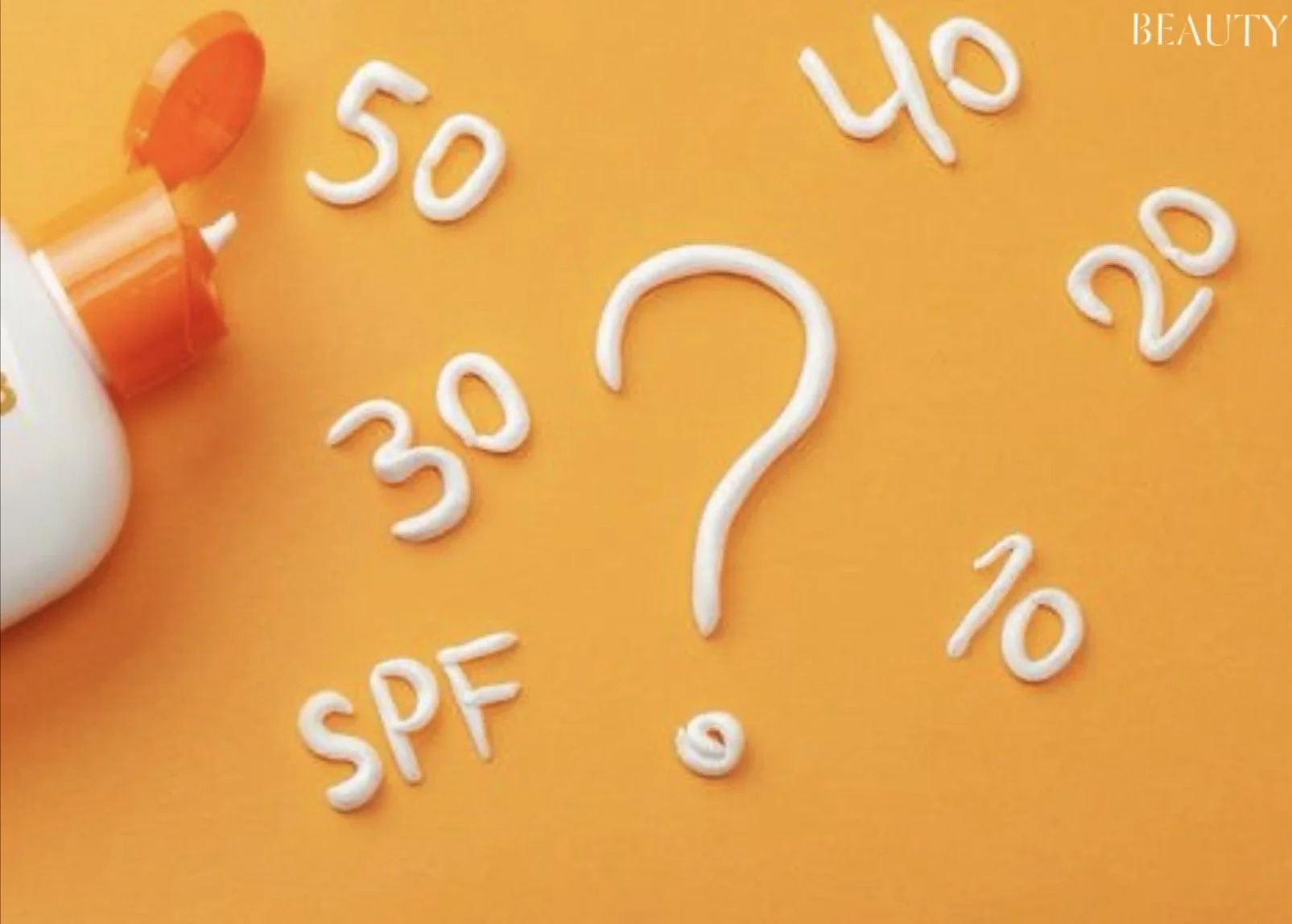
The sun protection factor rating on a sunscreen product is a measure of a single specific thing: how much longer a person can be exposed to UVB radiation — the wavelength primarily responsible for sunburn and a significant driver of squamous cell carcinoma — before experiencing erythema (redness) compared to unprotected skin. An SPF 30 product, applied at the test concentration, allows thirty times more UVB exposure before erythema than unprotected skin. The factor is not a percentage of radiation blocked, and it does not address UVA radiation, which penetrates more deeply into the dermis, causes the majority of photoaging, and is the primary driver of melanoma risk.
The UVA question is where most SPF-focused consumer education falls down. UVA radiation makes up approximately ninety-five percent of the UV radiation reaching the earth’s surface. It penetrates glass. It penetrates cloud cover. It is present throughout daylight hours at relatively constant intensity, unlike UVB which peaks at solar noon and is reduced at higher latitudes in winter. The PA system — developed in Japan and now mandatory on cosmetic sunscreens in several Asian markets — is the most consumer-legible way of communicating UVA protection: PA+ through PA++++ (four plus signs) indicates the product’s persistent pigment darkening (PPD) ratio, with PA++++ representing a PPD of 16 or higher. A product with SPF 50+ and PA++++ is providing meaningful protection across both UV spectra. A product with SPF 50 and no PA rating or star system rating may provide excellent UVB protection and inadequate UVA protection.

The chemical vs mineral question: chemical UV filters (also called organic filters) — oxybenzone, avobenzone, octinoxate, octisalate, and more recent compounds including tinosorb S, tinosorb M, and mexoryl SX and XL — work by absorbing UV radiation and converting it to heat. Mineral filters (inorganic) — zinc oxide and titanium dioxide — work primarily by reflecting and scattering UV radiation, though more recent research has confirmed that absorption also plays a role. The practical differences: mineral filters are photostable (they do not degrade in UV exposure), they are less likely to cause contact sensitisation in reactive skin, and they are the only filters currently approved by the US FDA as generally recognised as safe and effective, pending further data on systemic absorption of chemical filters.
The reef toxicity data that Author covered in a previous volume (Volume 2, August 2026) established that oxybenzone and octinoxate have demonstrated toxicity to coral larvae in laboratory conditions and have been banned in several Pacific jurisdictions including Hawaii, Palau, and the US Virgin Islands. The question of whether concentrations sufficient to cause this damage occur in real reef environments is contested in the peer-reviewed literature. The precautionary position — avoiding these two specific filters in reef environments — is defensible regardless of the open scientific question. The substitution is straightforward: tinosorb-based chemical filters or zinc oxide mineral filters.
The application question is the most important one that never appears on a label: the SPF rating is determined by a test conducted at 2mg per square centimetre of skin. The average consumer applies approximately 0.5 to 0.75mg per square centimetre. At this concentration, the effective SPF of an SPF 50 product is approximately SPF 7 to 12. The practical instruction: apply more than you think you need. For the face, a quarter teaspoon. For the full body, approximately one shot glass. Reapply every two hours in direct sun exposure.
The formulations with the strongest clinical evidence for compliance (because compliance is where SPF protection is actually lost in real-world settings): lightweight fluid textures, tinted formulations that double as colour correction, and products that combine SPF with other active skincare ingredients. The consumer who enjoys using a product uses it daily. The consumer who dislikes the texture does not.
The most evidence-supported SPF-containing formulations available in 2026 without prescription: EltaMD UV Clear SPF 46 (niacinamide + zinc oxide, particularly effective for acne-prone and reactive skin), Altruist Dermatologist SPF 50 (mineral, accessible price point, consistent formulation), La Roche-Posay Anthelios UVMune 400 Invisible Fluid (contains Mexoryl 400, one of the most effective broad-spectrum filters available, UVA-PF 27).
The single most evidence-supported thing you can do for your skin over the long term is apply SPF 50+ with PA++++ or a four-star UVA rating every morning, regardless of weather or season. Everything else in skincare sits on top of this foundation.
BY OONA CHANEL
