

Viviane Sassen: Where FashionPhotography Ends and Something HarderBegins
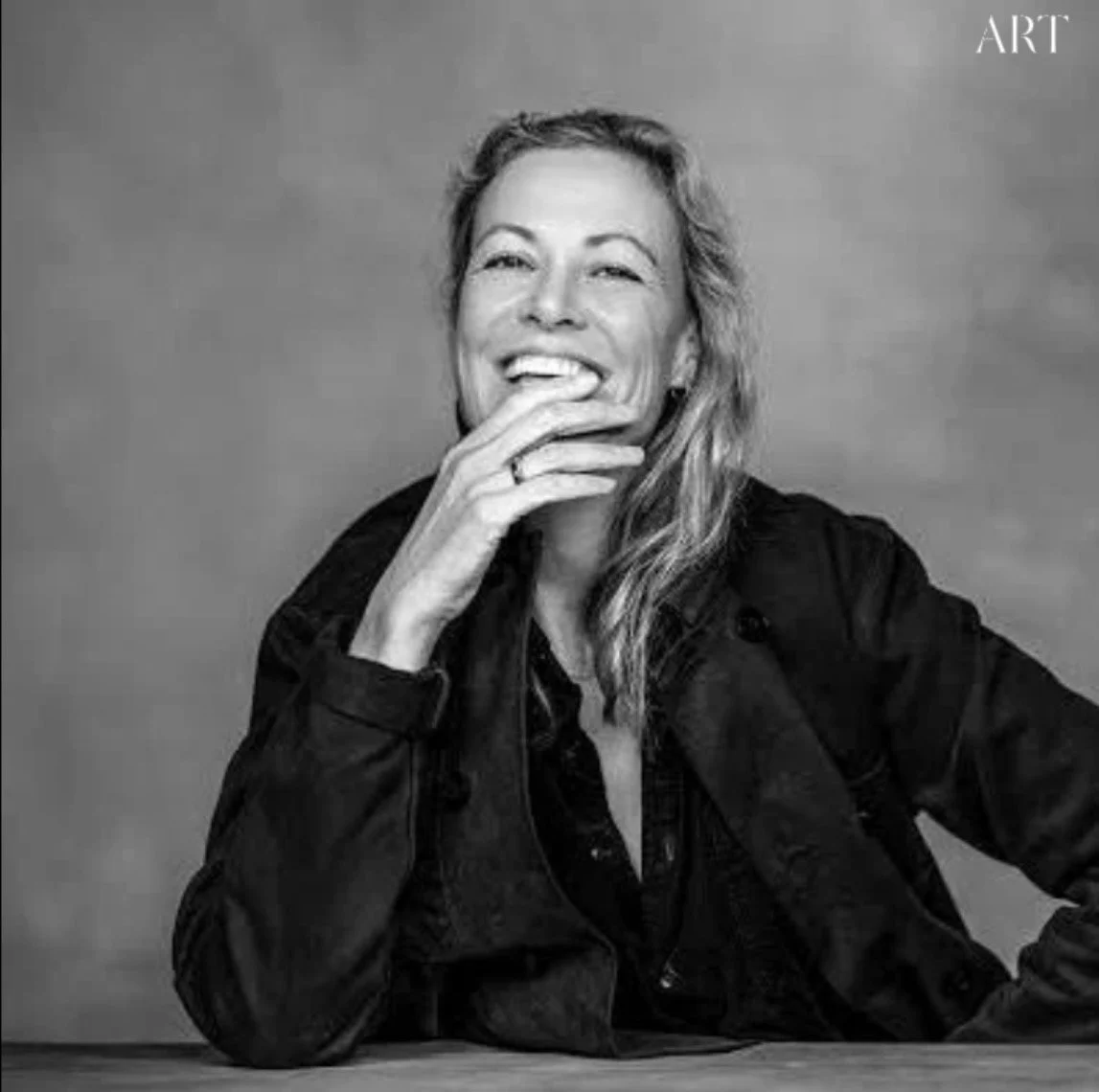
She makes fashion images for Miu Miu and Valentino. She makes fine art photographs of Sub-Saharan Africa where she grew up. The two bodies of work are more related than they initially appear and both are more radical than their respective contexts suggest.
"She does not produce the aspirational comfort that fashion photography usually provides. The Miu Miu campaigns crop the face and frame the shadow. They are formally related to colour field painting. This is not an accident of style. It is the fashion brief being used as a formal laboratory for a question the magazine did not commission but is paying for."
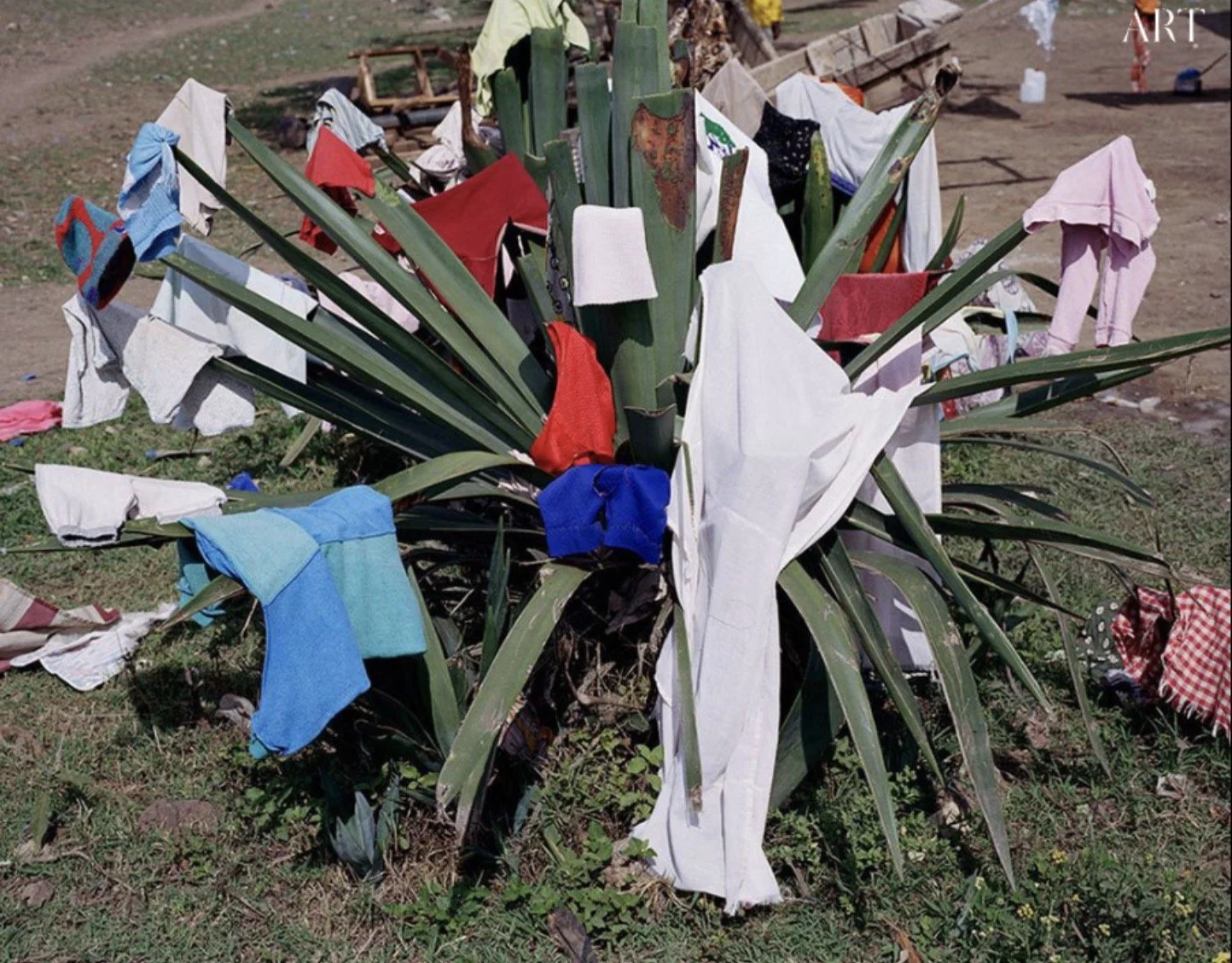
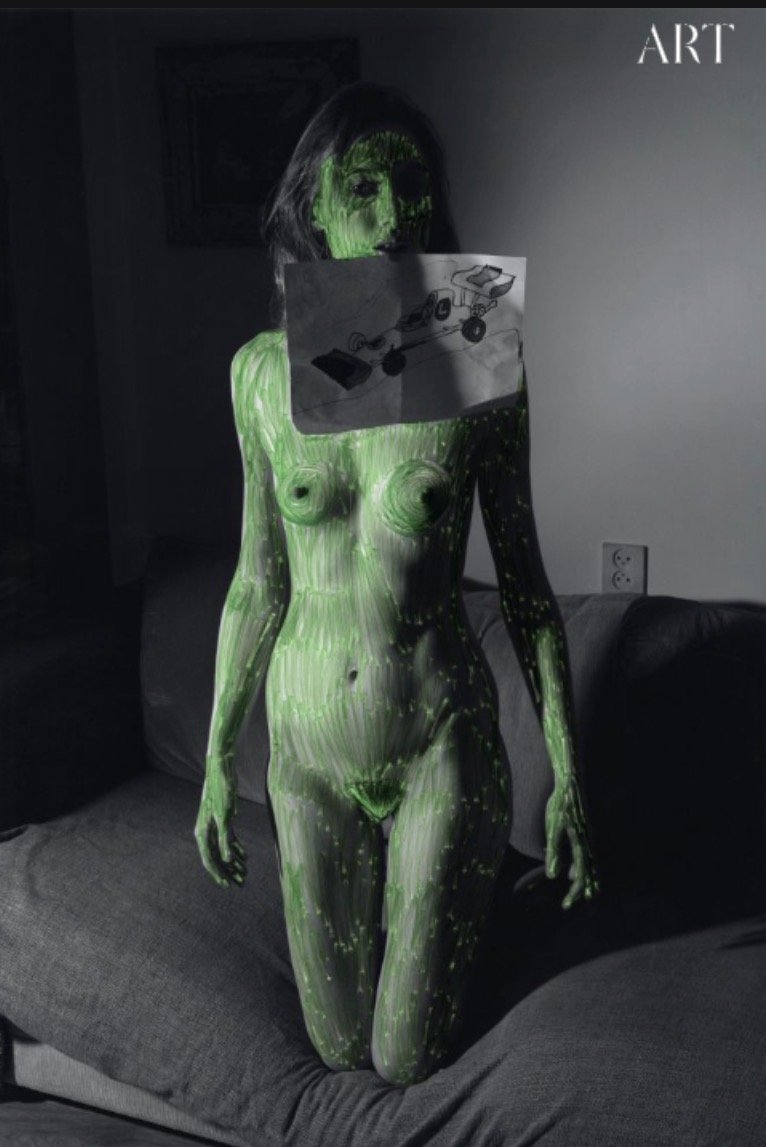
Viviane Sassen makes fashion photographs that look like they are from a body of fine art work and fine art photographs that look like they might have been made in the service of something she has not yet disclosed. The blurring is deliberate and is the most formally interesting quality of her practice - the refusal to respect the categorical boundary between the image made for the magazine and the image made for the gallery, not as a claim that they are equivalent but as an investigation into what separates them.
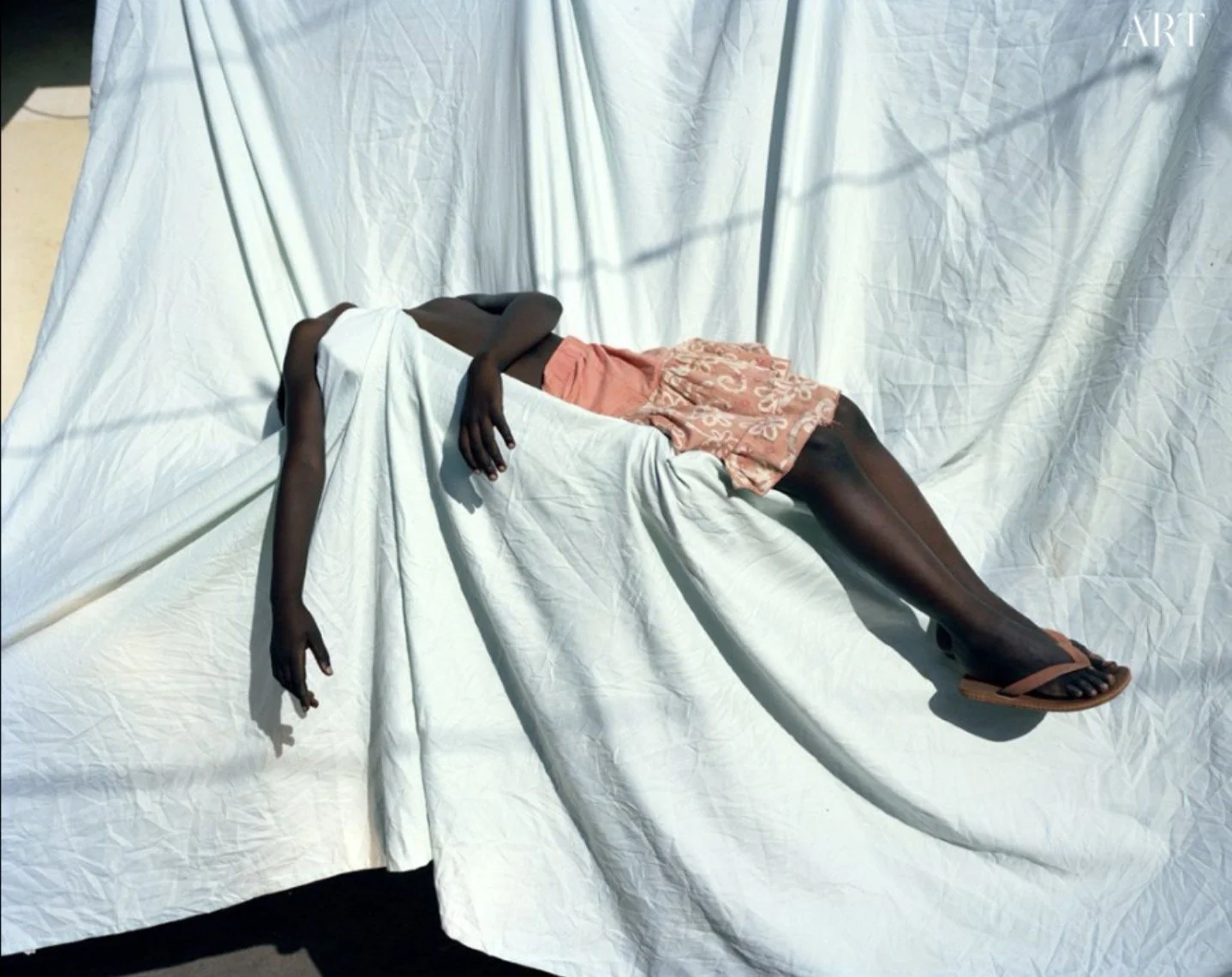
She was born in Amsterdam in 1972 and spent her early childhood in Kenya, where her father worked as a doctor. She returned to the Netherlands at age five but the formative visual experience of those early years — the specific quality of equatorial light, the specific relationship between the body and the landscape in that light - has been the material she has been working with ever since. Her fine art practice, which has produced the series Parasomnia, Flamboya, and the Pikin Slee work made in Suriname, is built around the question of what the European eye sees when it looks at African and Afro-Caribbean bodies and landscapes.
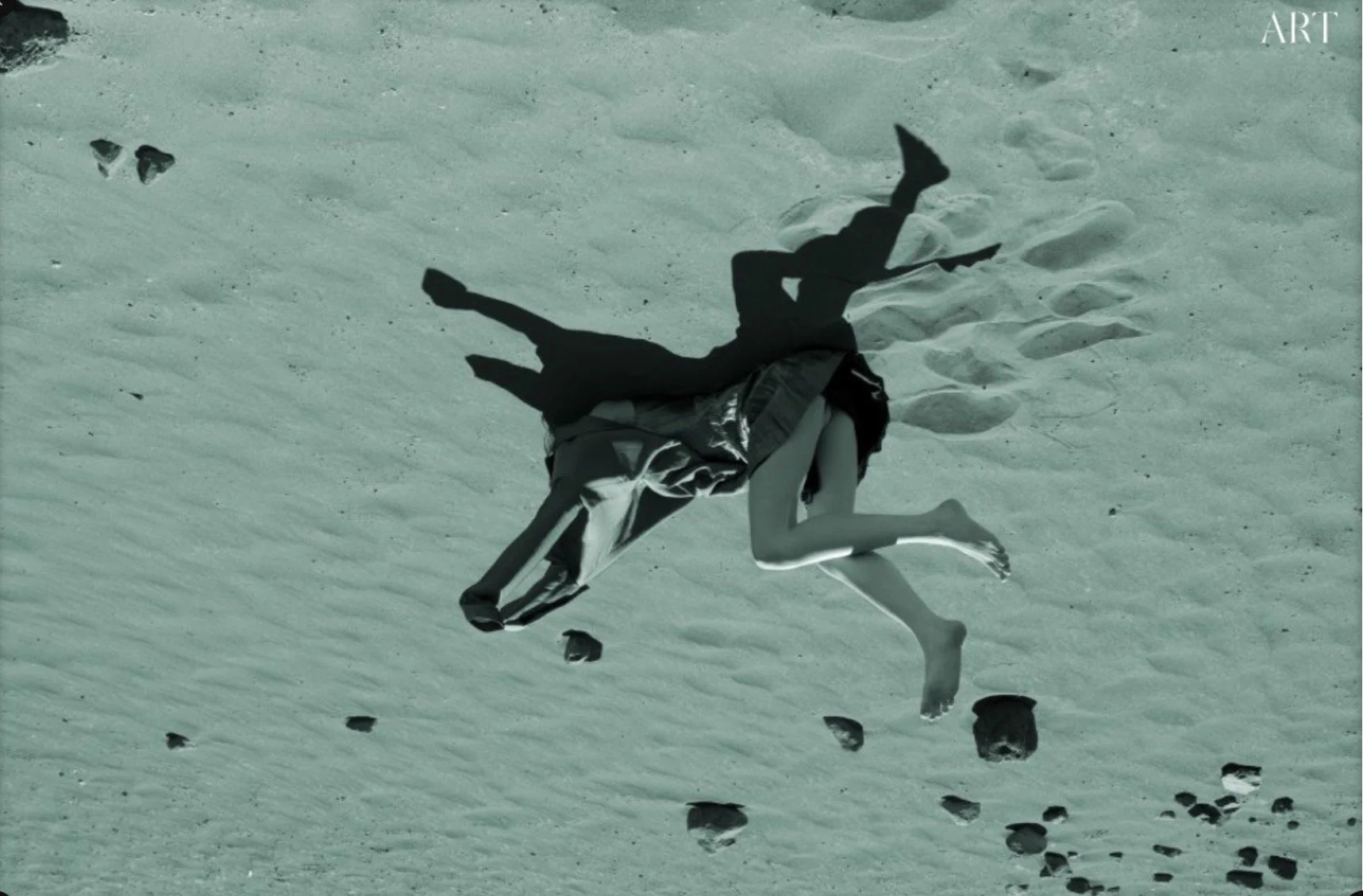
The fashion work she makes for Miu Miu, Valentino, Missoni, and international publications including i-D, Another Magazine, and Dazed does not answer this question but runs alongside it, using the commercial image as a formal laboratory for the same concerns
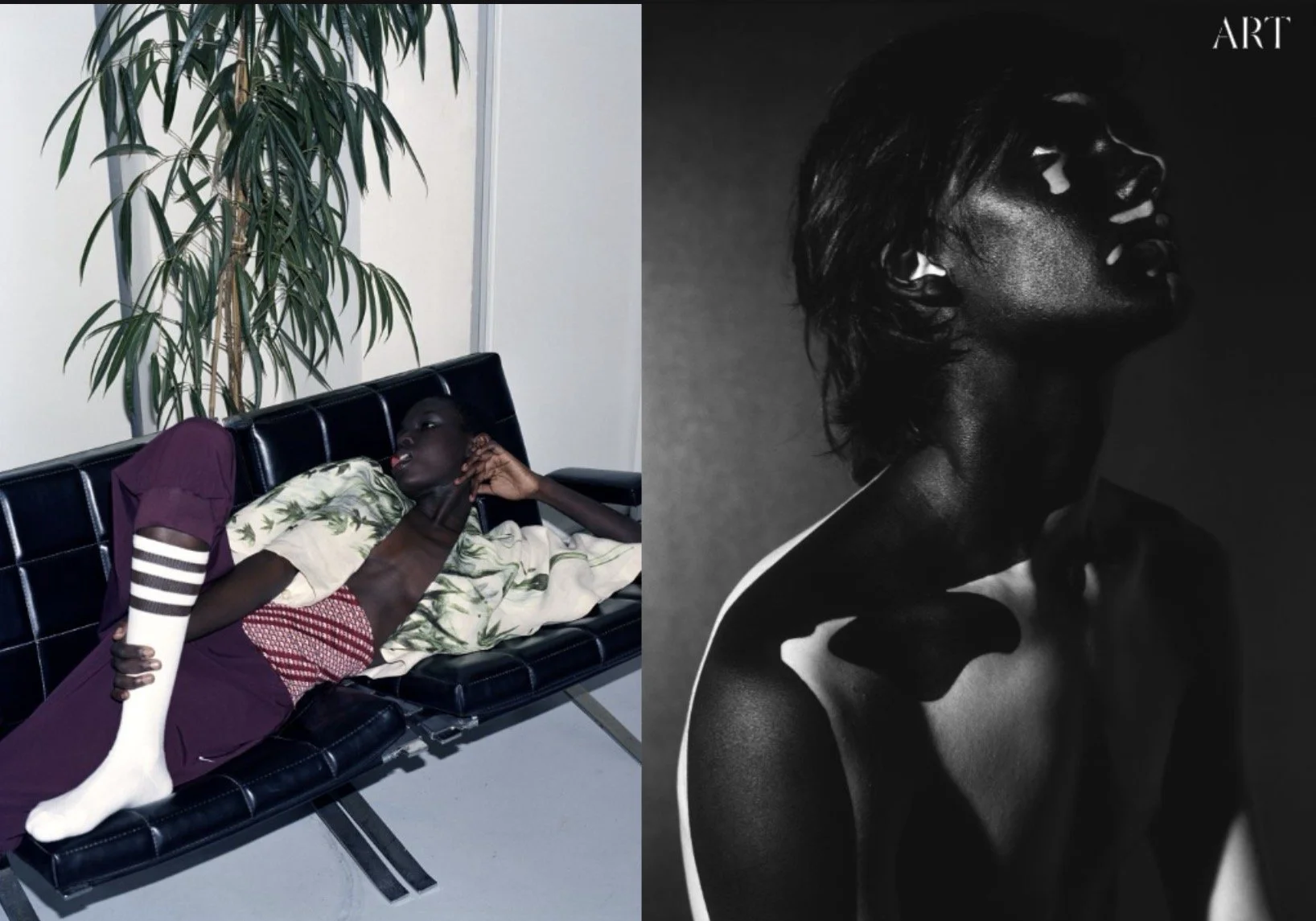
- the relationship between colour and light, the relationship between the body and the frame, the specific quality of an image that is simultaneously beautiful and uncomfortable.
The Miu Miu campaigns she has produced are among the most discussed in recent fashion photography precisely because they do not produce the aspirational comfort that fashion photography usually provides.
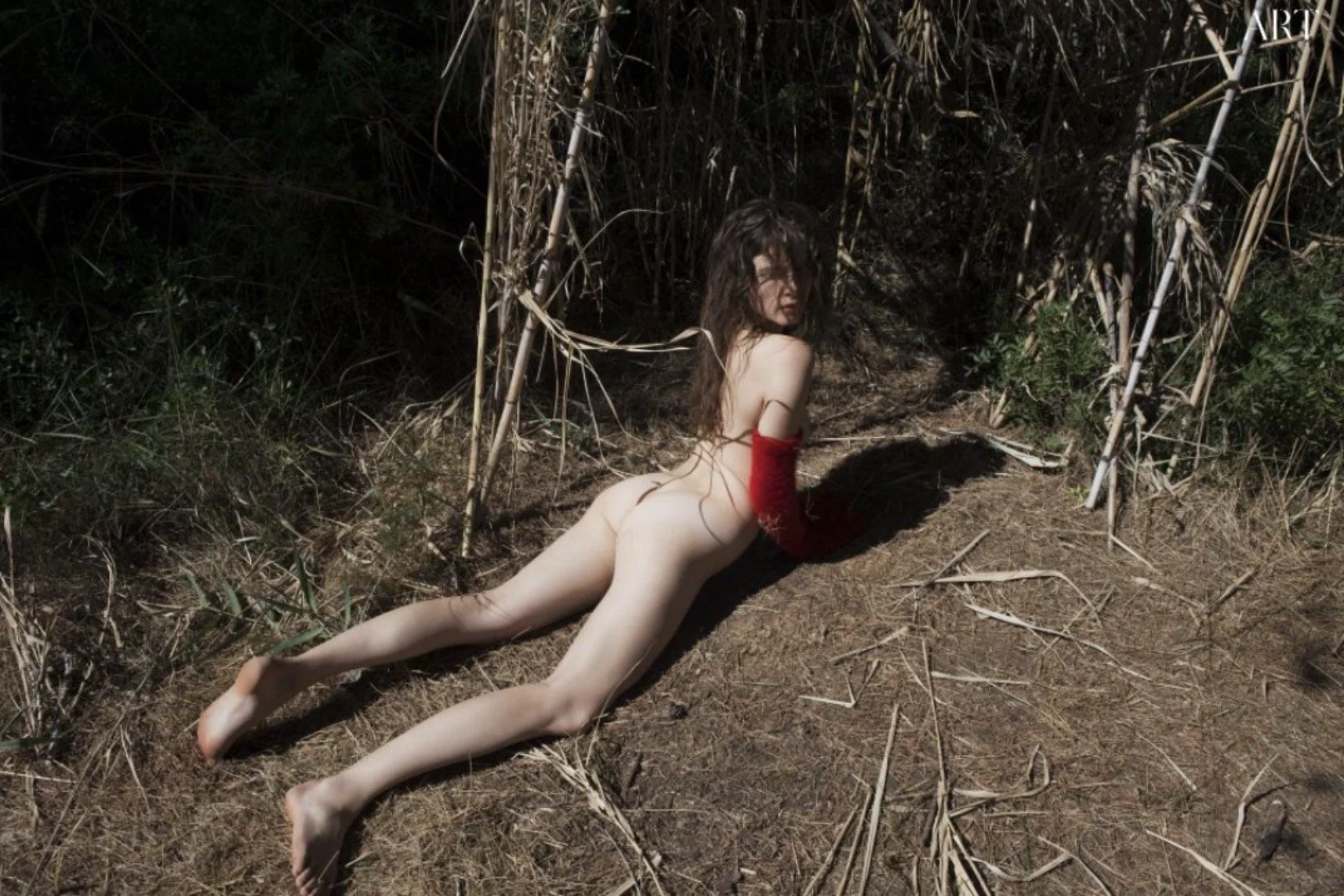
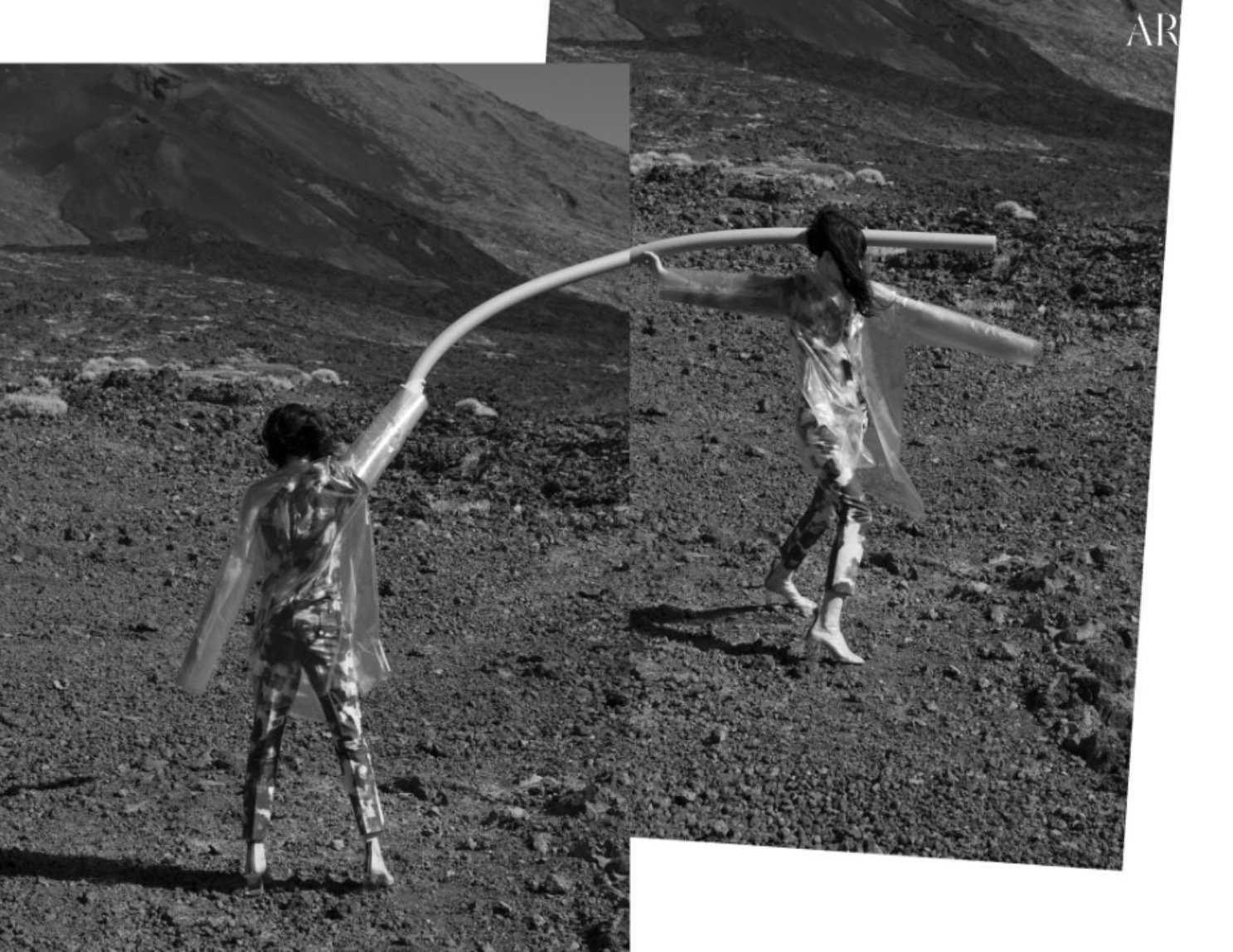
Her technical approach is immediately identifiable: the flat, high-contrast colour produced by shooting in direct equatorial or Southern light; the cropping that removes the face or the expected focal point of a fashion image and replaces it with a part of the body or the landscape that the conventional image would treat as background; the shadow as compositional element rather than the absence of light. These decisions produce images ormally related to colour field painting and to the specific tradition of Europea hotography that engaged with non-European subjects in the mid-twentieth century - anc they are aware of that relationship in ways that the earlier work in that tradition was not.
She has won the Foam Paul Huf Award, the Deutsche Börse Photography Foundation Prize, and has been exhibited at the Foam Museum in Amsterdam, the Huis Marseille in Amsterdam, and major European festivals including Unseen Amsterdam and Les Rencontres d'Arles.
For the collector: she is represented by Stevenson Gallery in Cape Town and Johannesburg, and by Studio Viviane Sassen in Amsterdam for editorial work. The fine art prints are available at price points that reflect the early stage of her auction market development relative to her institutional recognition.
The specific recommendation: begin with the Flamboya series, which is available as a monograph and contains the images that most directly demonstrate the relationship between the formal approach and the conceptual programme.
Then follow with the fashion work - the Miu Miu campaigns in particular - to understand how the same formal intelligence operates in a different register.
BY OONA CHANEL
