

Lorna Simpson: The Artist Who Dismantled the Portrait Before Anyone Had Named What She Was Dismantling
She began making work in the mid-1980s in which text and image sat in deliberate, unsettled relationship to one another, refusing the assumptions of both documentary photography and conceptual art. Forty years on, she is one of the most important artists working in any medium. Author on the practice.
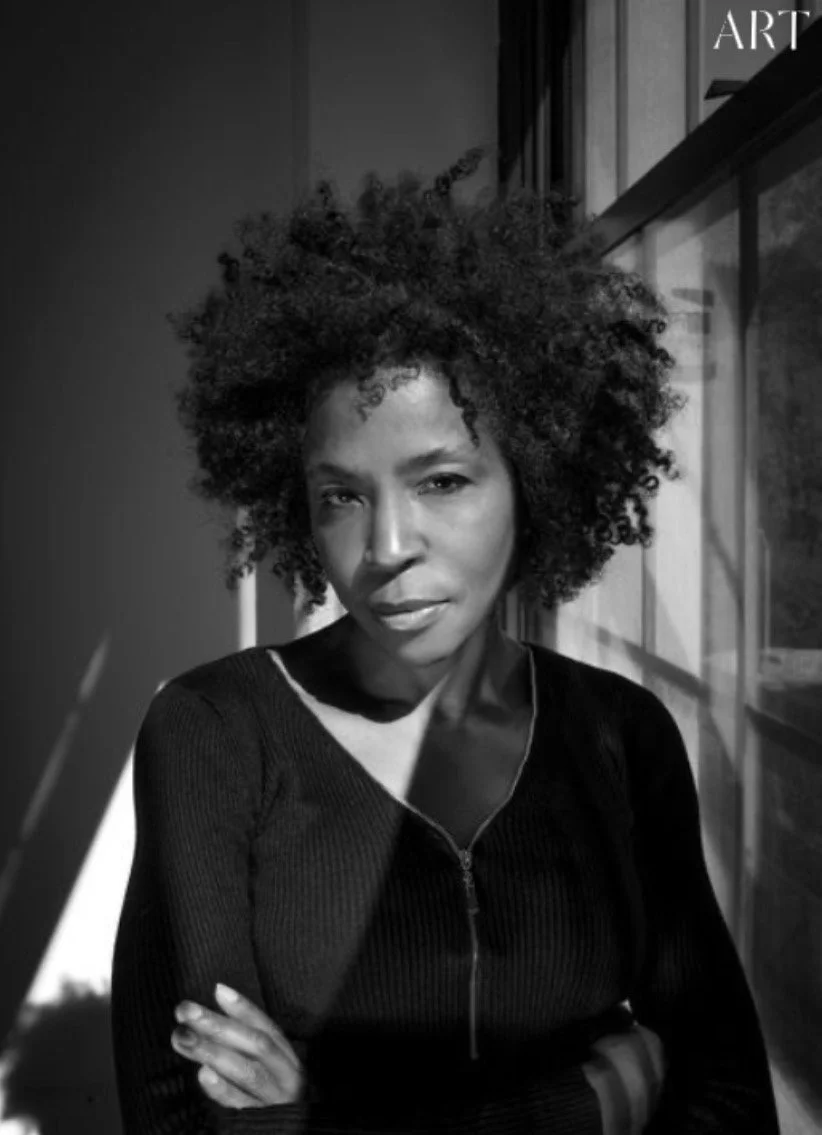
“The viewer is denied the conventional pleasure of the photographic portrait — the legible face, the readable expression, the psychological access that portraiture promises. What they are given instead is the awareness of that denial. Simpson was making that argument in 1985 before anyone had the critical vocabulary to name what it was.”
Lorna Simpson began making the work she is known for in 1985, at a moment when the art world had recently decided that photography was a legitimate fine art medium and had not yet decided what to do with Black women who were using it. Her early work — the large-scale pieces that pair photographic images with text panels in configurations that refuse the viewer the comfort of a stable reading — arrived in a space that had no adequate critical category for what they were doing, and proceeded to make that inadequacy the subject.
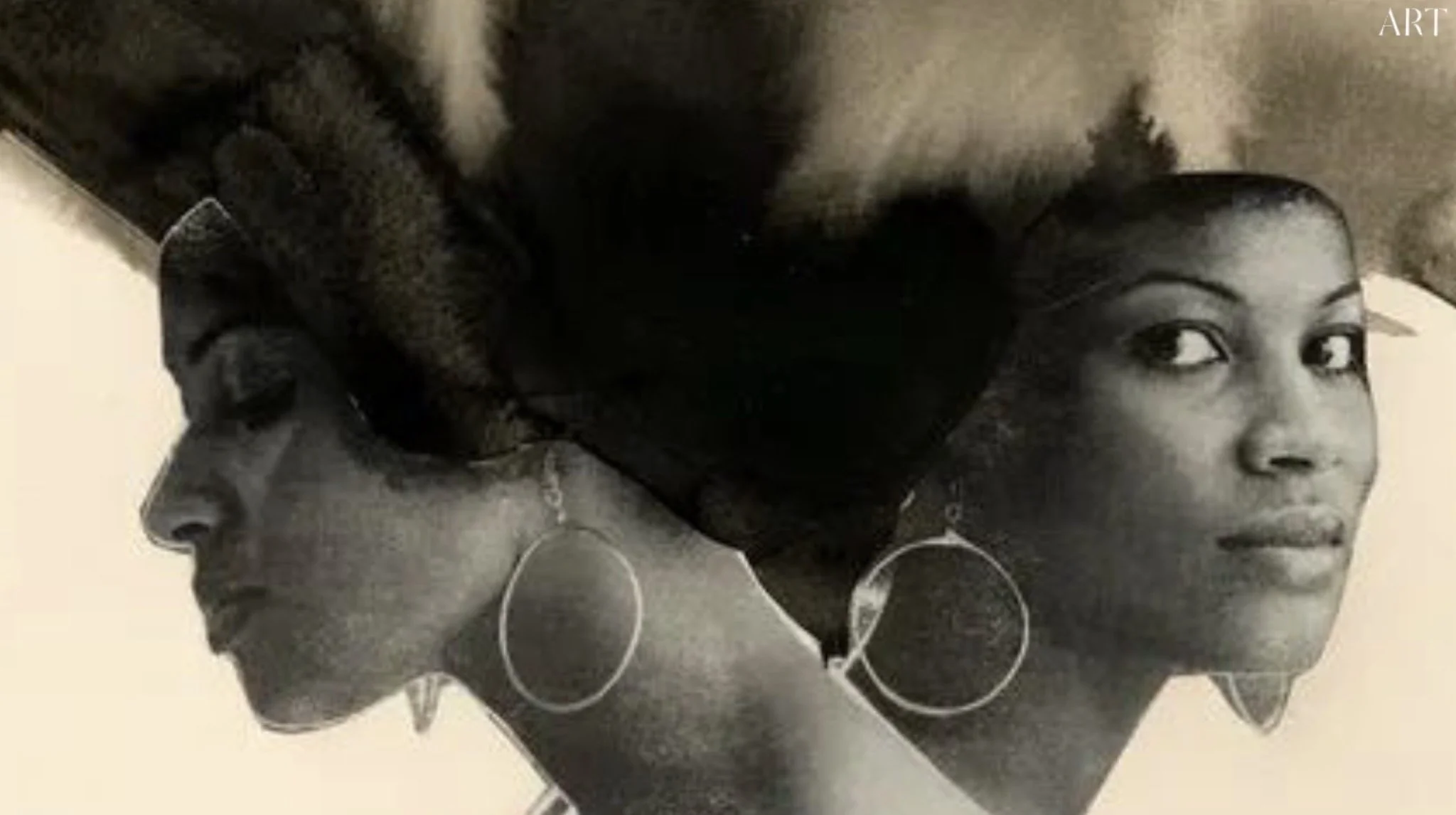
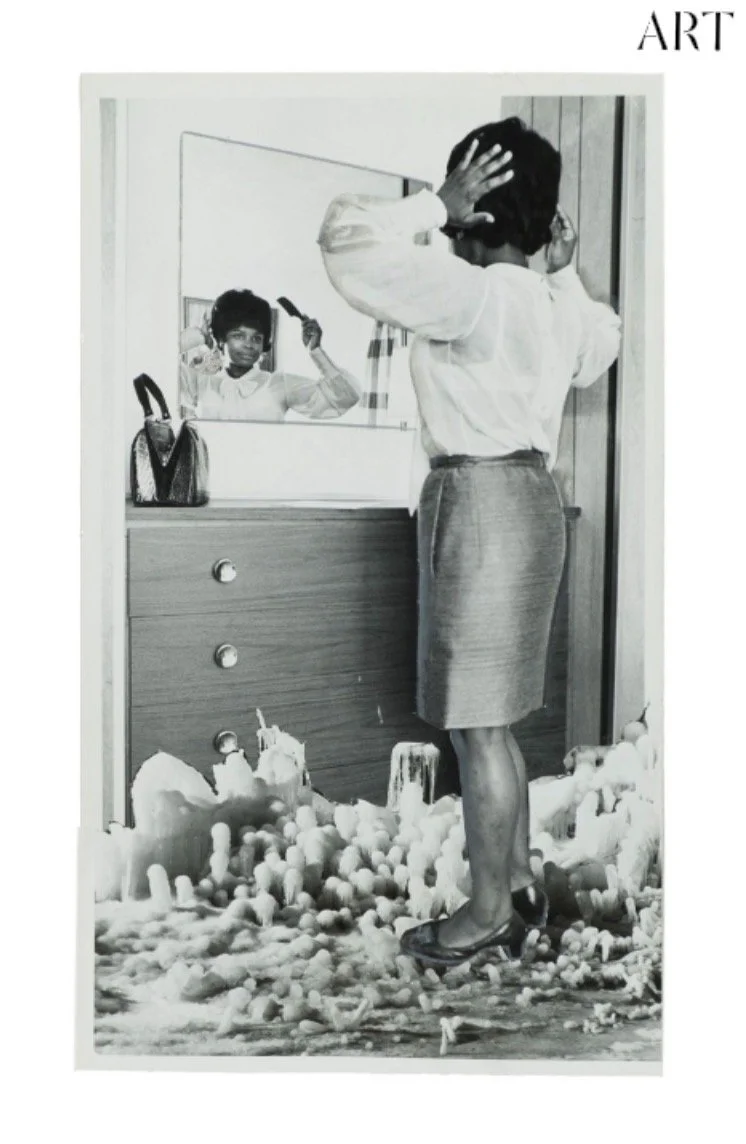
The formal approach is immediately legible and permanently resistant to simple description. A Simpson work from the late 1980s or early 1990s typically presents a photograph of a Black woman — often from behind, often cropped to remove the face, often the same figure repeated — alongside text that neither describes nor captions the image but enters into a relationship with it that is productive precisely because it is not resolving. The viewer is denied the conventional pleasure of the photographic portrait: the legible face, the readable expression, the psychological access that portraiture promises. What they are given instead is the awareness of that denial — the recognition that the conventions of portraiture serve certain kinds of bodies and not others.
She was born in Brooklyn in 1960 and studied photography at the School of Visual Arts and then at the University of California San Diego, where she was part of a generation of artists — including Fred Wilson and Glenn Ligon — who were developing what would become the dominant critical vocabulary of American art in the 1990s: the examination of how institutions, conventions, and visual languages construct racial identity and determine whose experience is considered universal. Simpson was doing this before the vocabulary existed for it.
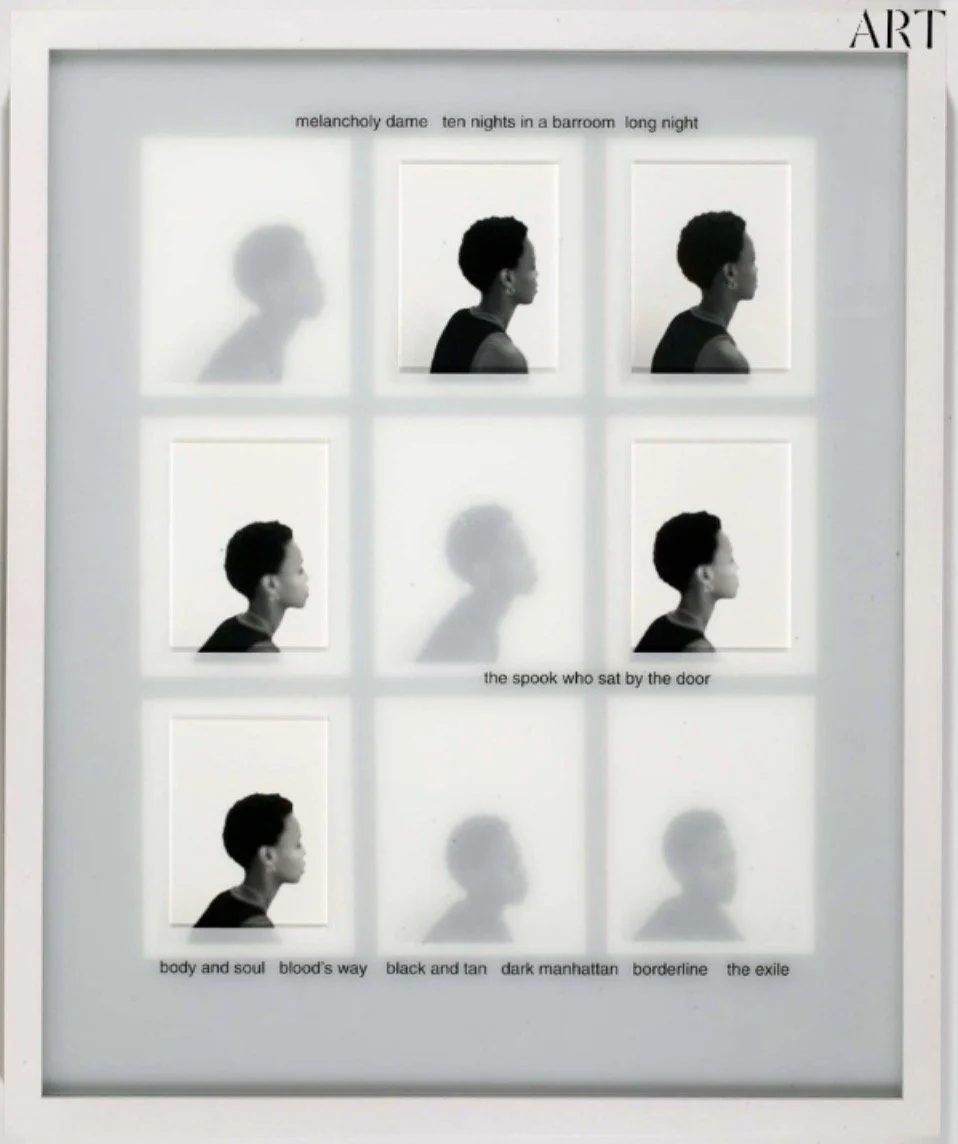
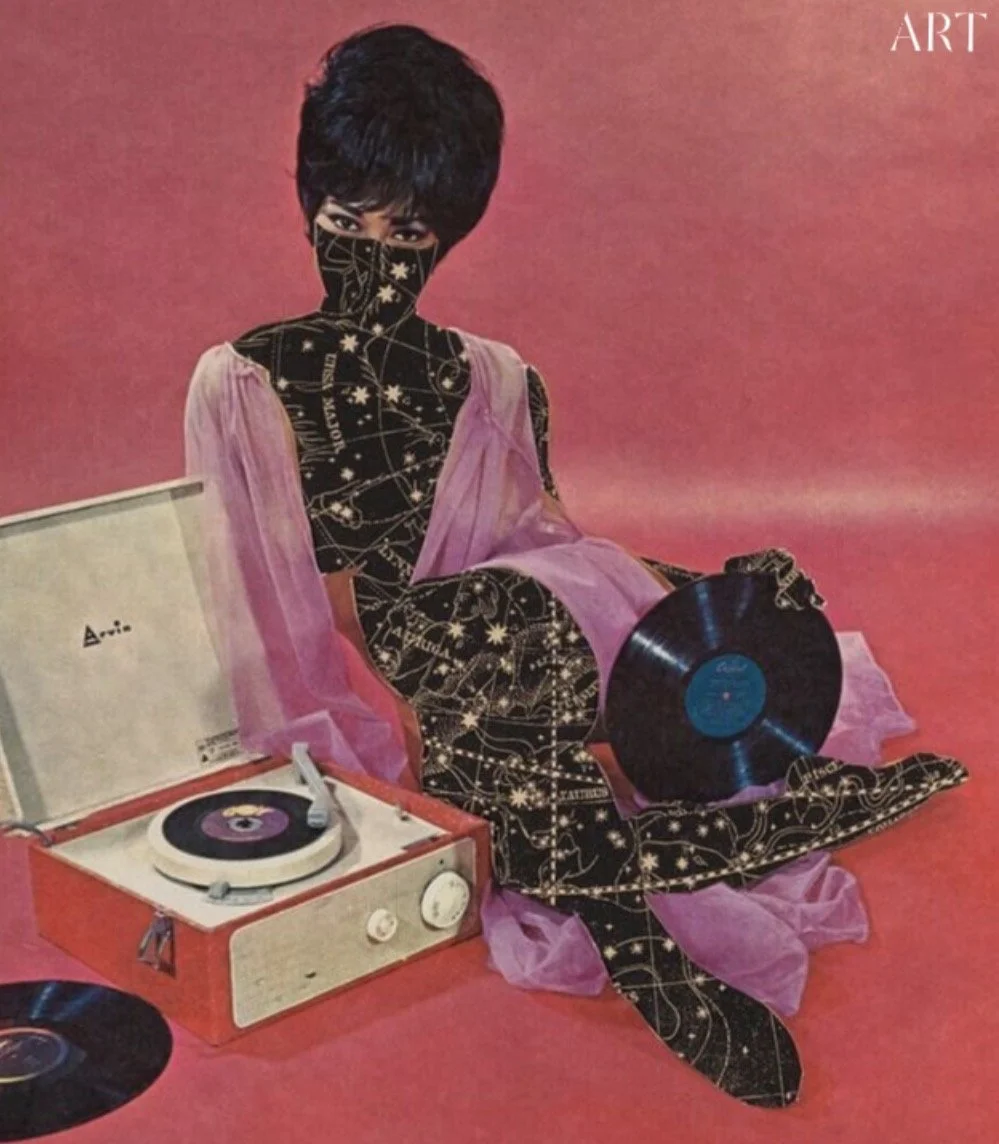
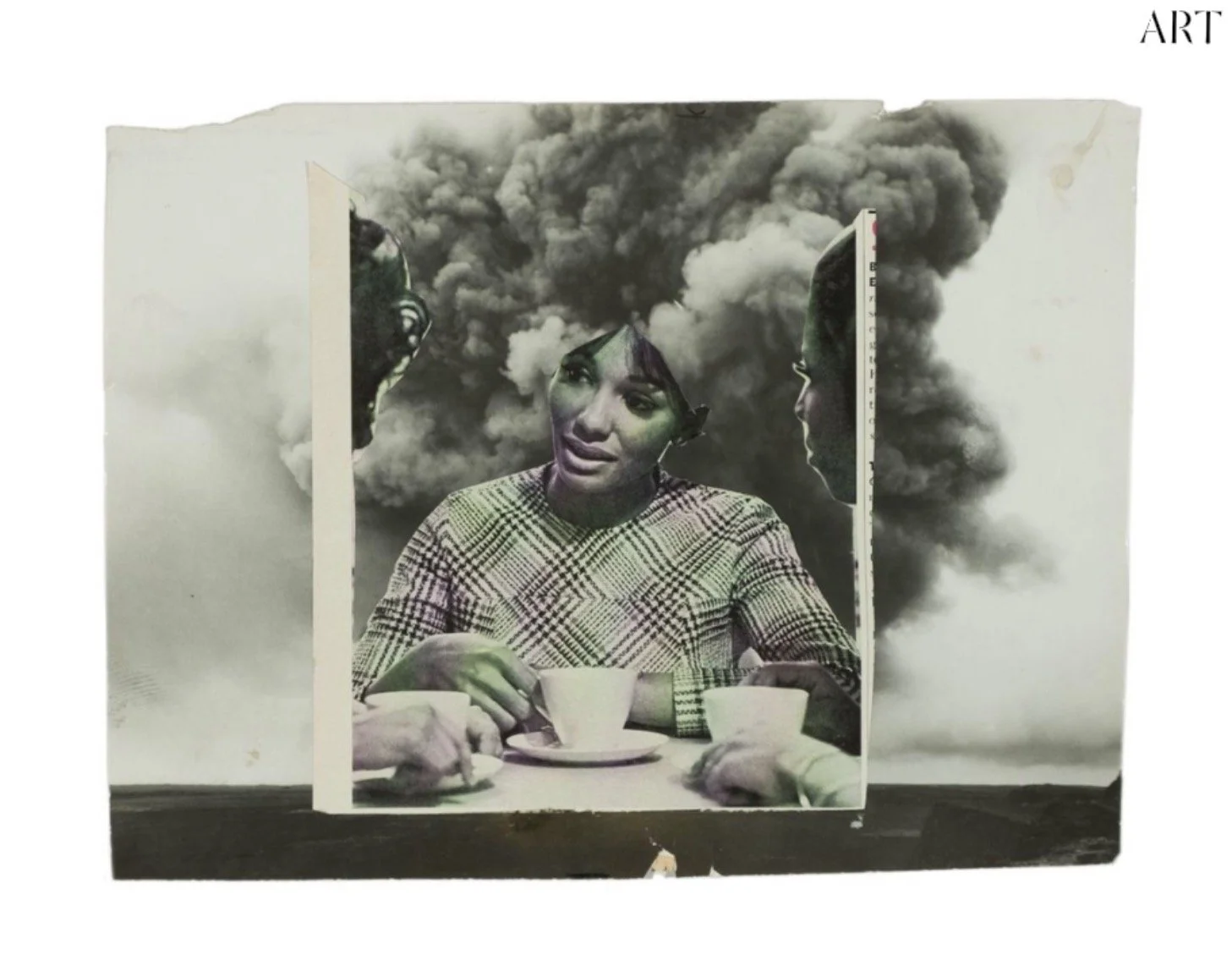
The work has evolved significantly across four decades without losing its formal consistency. The early photographs and text panels have given way to large-scale paintings, film installations, collage works, and multimedia pieces that incorporate archival imagery from Ebony and Jet magazines — a visual record of Black American life that she has used, with Theaster Gates and a small number of other artists, to build an alternative archive to the mainstream cultural record. Her Ebony and Jet collages — cutting, repainting, and recombining images from the magazines’ decades of publication — are among the most formally complex things she has made and among the most politically specific.
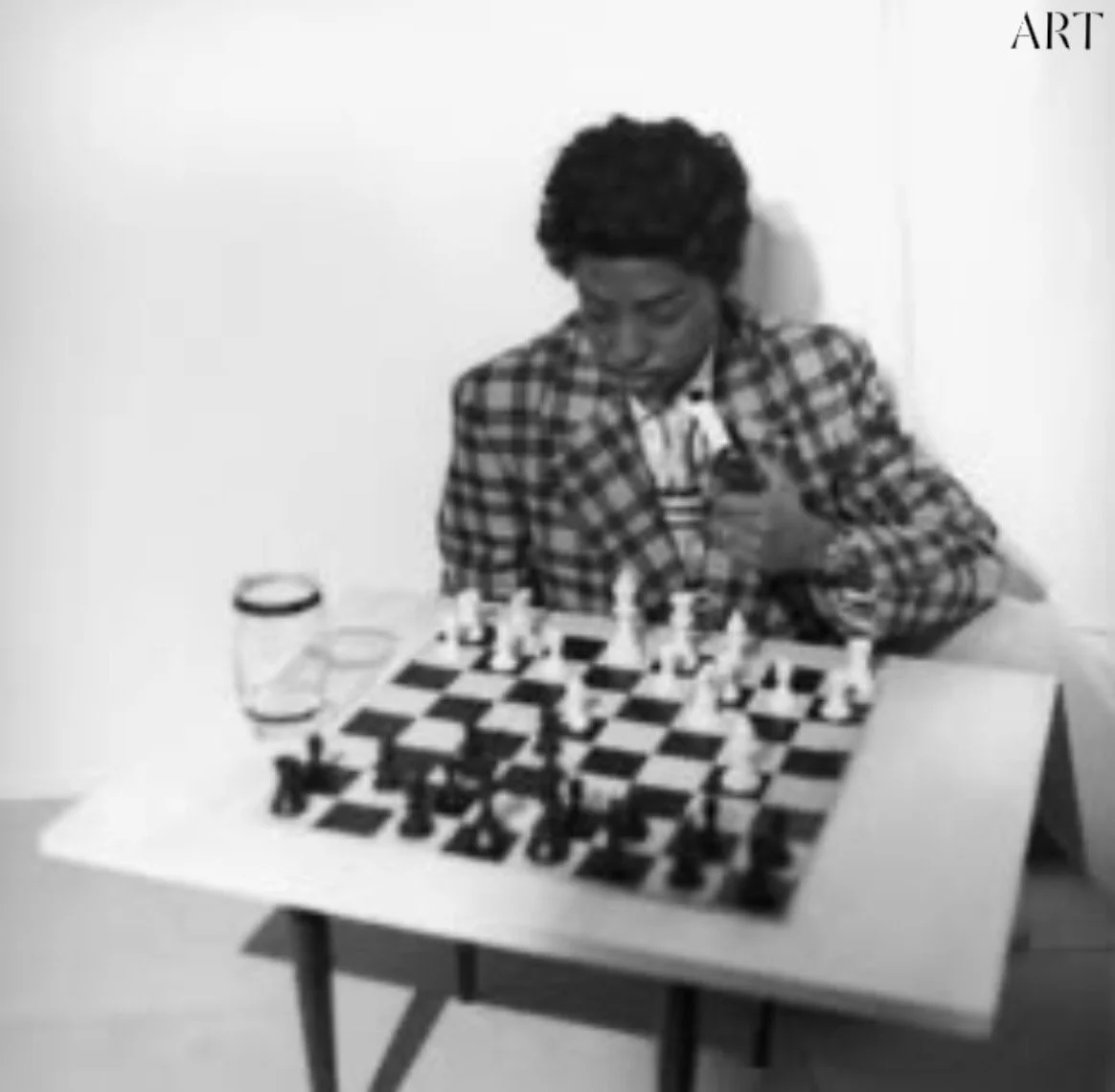
Her film work — which she has been developing since the 1990s and which has become central to her practice — operates in the same register as the photographs: the image is there, it is technically accomplished, and it withholds something. The specific quality of withholding is not withholding as refusal. It is withholding as an argument about what the image has always already withheld when the subject is Black and female, and what the conventions of looking have trained the viewer not to notice.
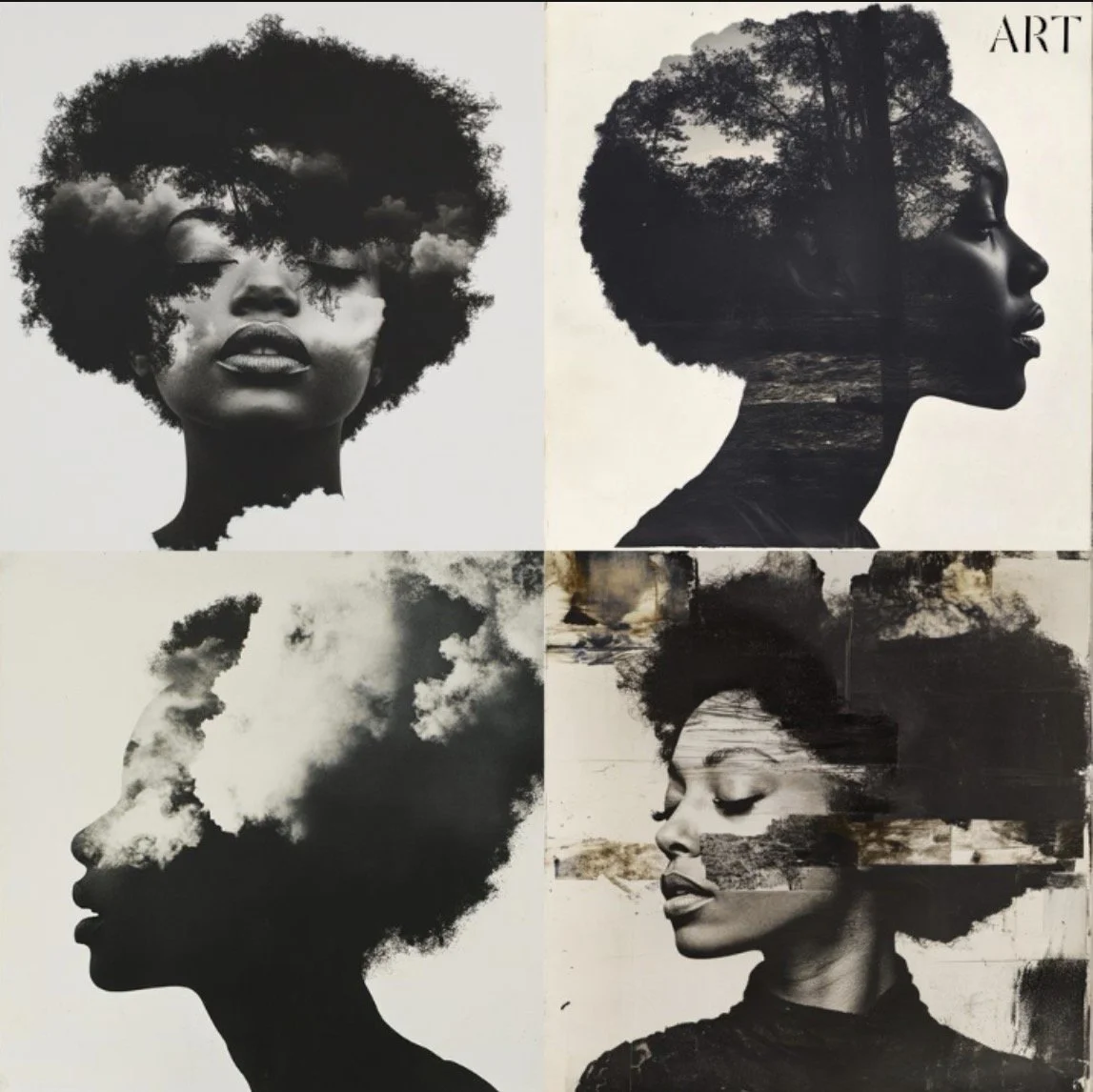
She is represented by Hauser & Wirth in New York, Los Angeles, London, and Zurich, and by Salon 94 in New York for specific works. She was the first Black woman to represent the United States at the Venice Biennale, in 1990, and the subsequent critical consensus around her work has been one of the most sustained in American art.
The secondary market for her work has been one of the most consistently active in American contemporary art across the past decade. Christie’s, Sotheby’s, and Phillips have all placed major works in their flagship sales.
For the reader approaching the work for the first time: find the 1989 piece Guarded Conditions in reproduction or in person at the San Diego Museum of Contemporary Art, where it is in the permanent collection. Stand in front of it long enough to notice what it is not giving you. That noticing is the beginning of the work.
BY OONA CHANEL
