

Lynette Yiadom-Boakye: Portraits of People Who Do Not Exist — and the Truth They Tell
She paints invented figures with the authority of someone who has known them for years. The results are among the most psychologically acute portraits in contemporary art.
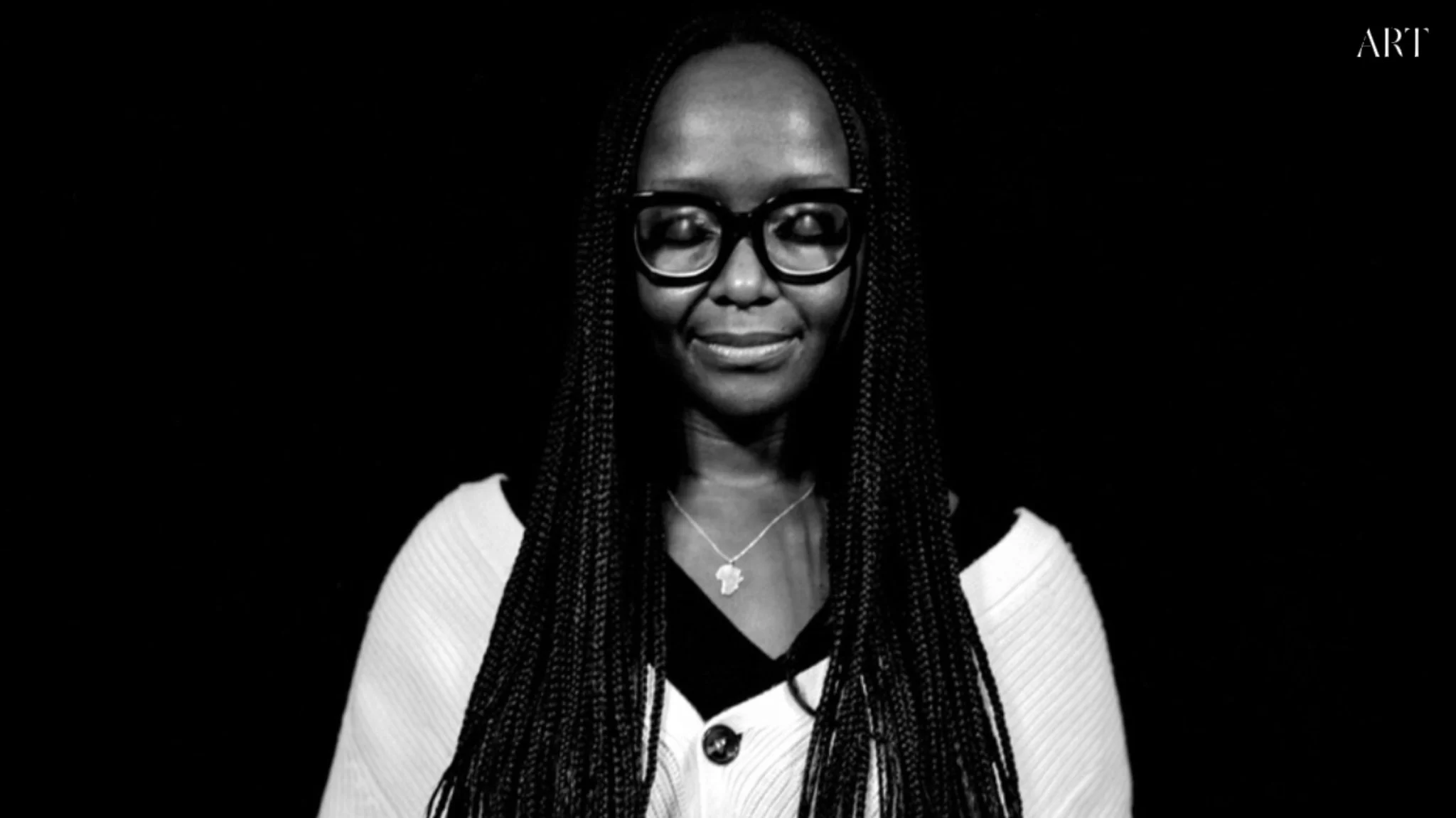
Lynette Yiadom-Boakye
The figures in Lynette Yiadom-Boakye's paintings are not real. She has been asked about this so consistently, across a career of now more than twenty years, that she has developed a considered answer: "They are not portraits of specific people, but they are portraits of real states of being." The distinction matters, and not just philosophically. It explains why paintings of entirely invented subjects can feel, consistently and sometimes overwhelmingly, like you know these people. Like you have met them in a room that you can almost but not quite remember.
She works fast, by the standards of painting — most canvases in a day or two, some in hours — which gives the work a quality of immediacy that very slow painting does not have. The figures emerge from the process rather than from preparatory sketches or photographic reference. She begins with a form, a color, a posture, and discovers the person through the act of painting rather than executing a pre-formed idea. The psychological depth of the work is not the product of extended contemplation. It is the product of a very fast and very deep kind of seeing.
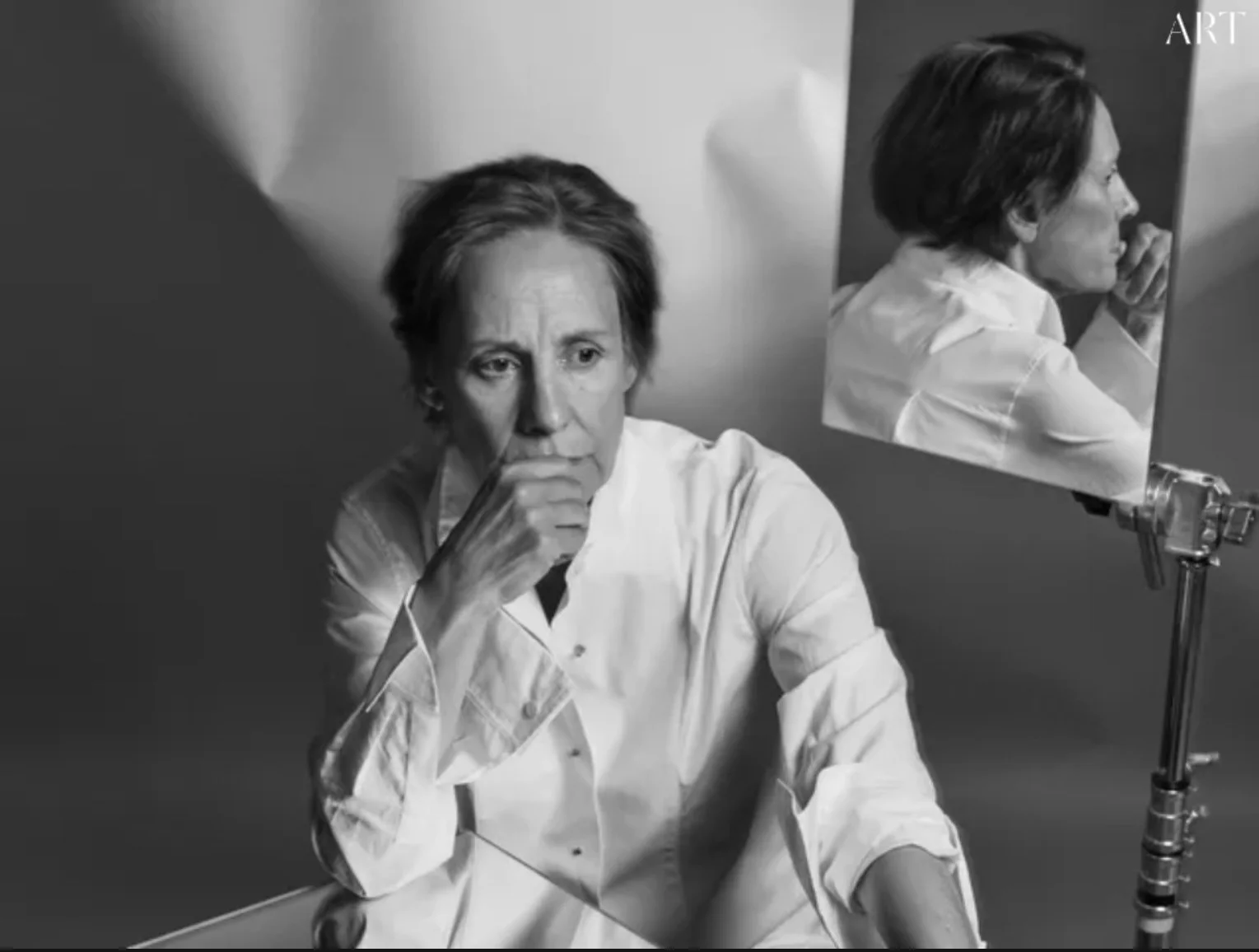
Lynette Yiadom-Boakye‘s Imaginary portrait
We met at her studio in London, in a building she has occupied for eight years and which has, as a result, the accumulation of a painter's practice inscribed everywhere: paint on the floor, canvases in various states of completion on every surface, books stacked with the slightly chaotic organization of someone who reads in order to think, not in order to organize what they know.
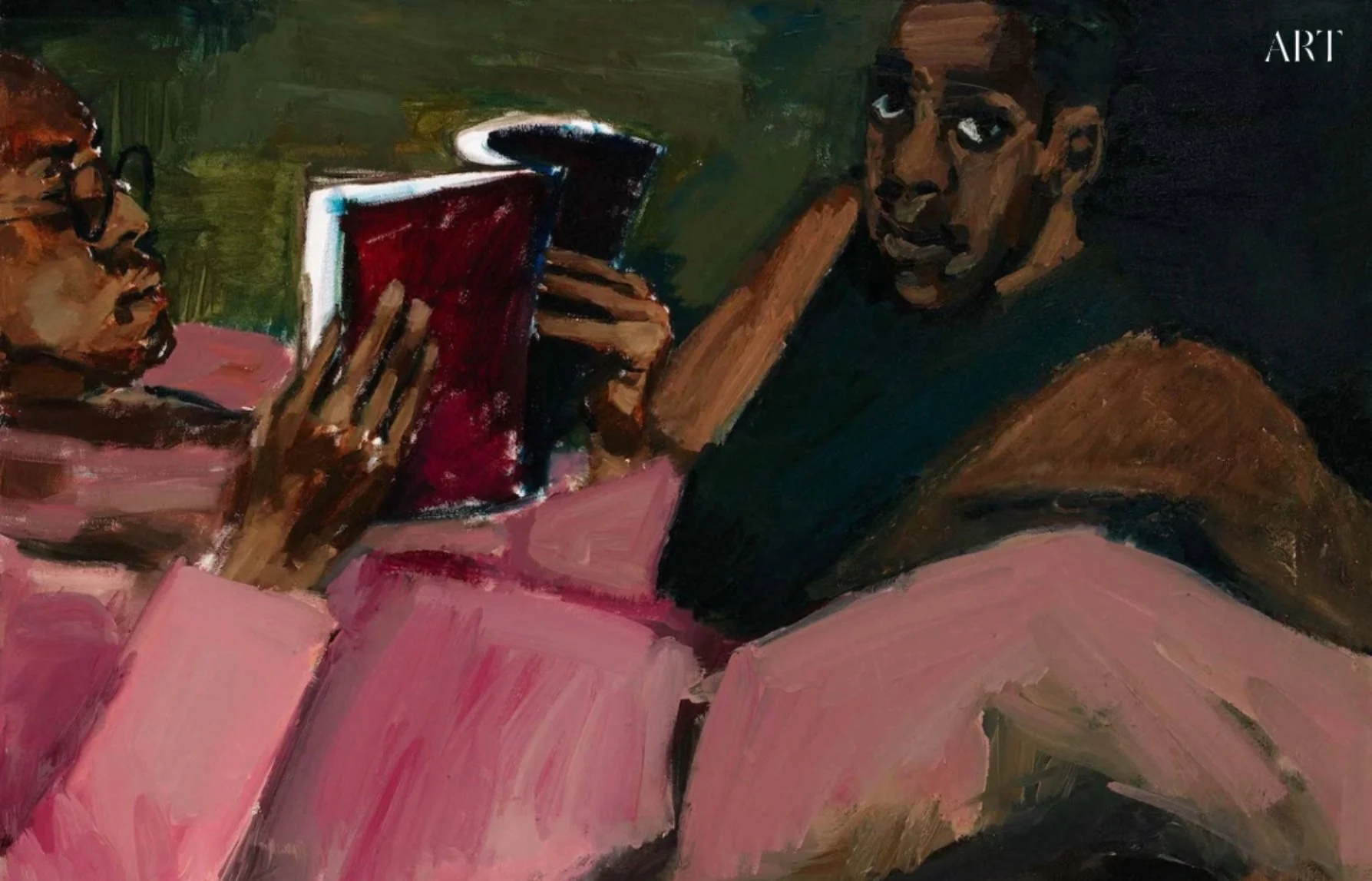
No Twilight Too Mighty
She is unhurried in conversation in a way that is unusual in the London art world, where speed and currency of reference are the social currency. She thinks before she speaks. She changes her mind in the middle of sentences. She is, in person, extraordinarily kind — which is not something you would necessarily predict from the work, which is serious and demanding and occasionally, in its stillness, faintly ominous.
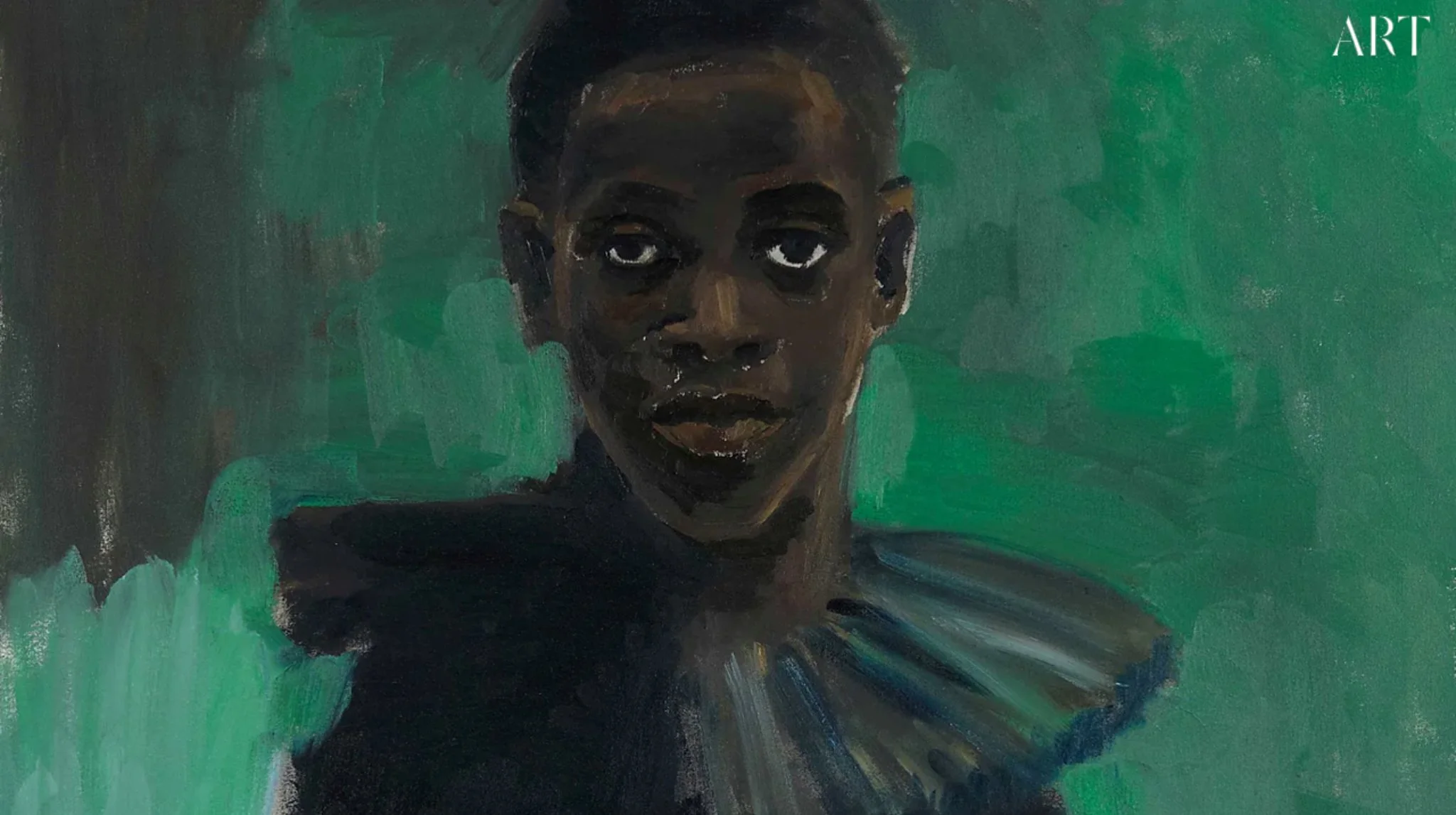
A Passion Like No Other (2012)
"The question I am always asked," she says, "is what the figures are feeling. People look at a painting and immediately want to know: is this person sad? Is this person waiting for something? Is this person in love? And the question reveals something important about how we relate to images of people — we want to resolve them into a state that we can name. I am not interested in giving people that resolution. I am interested in the moment before it. The state of being that has not yet become a feeling with a name."
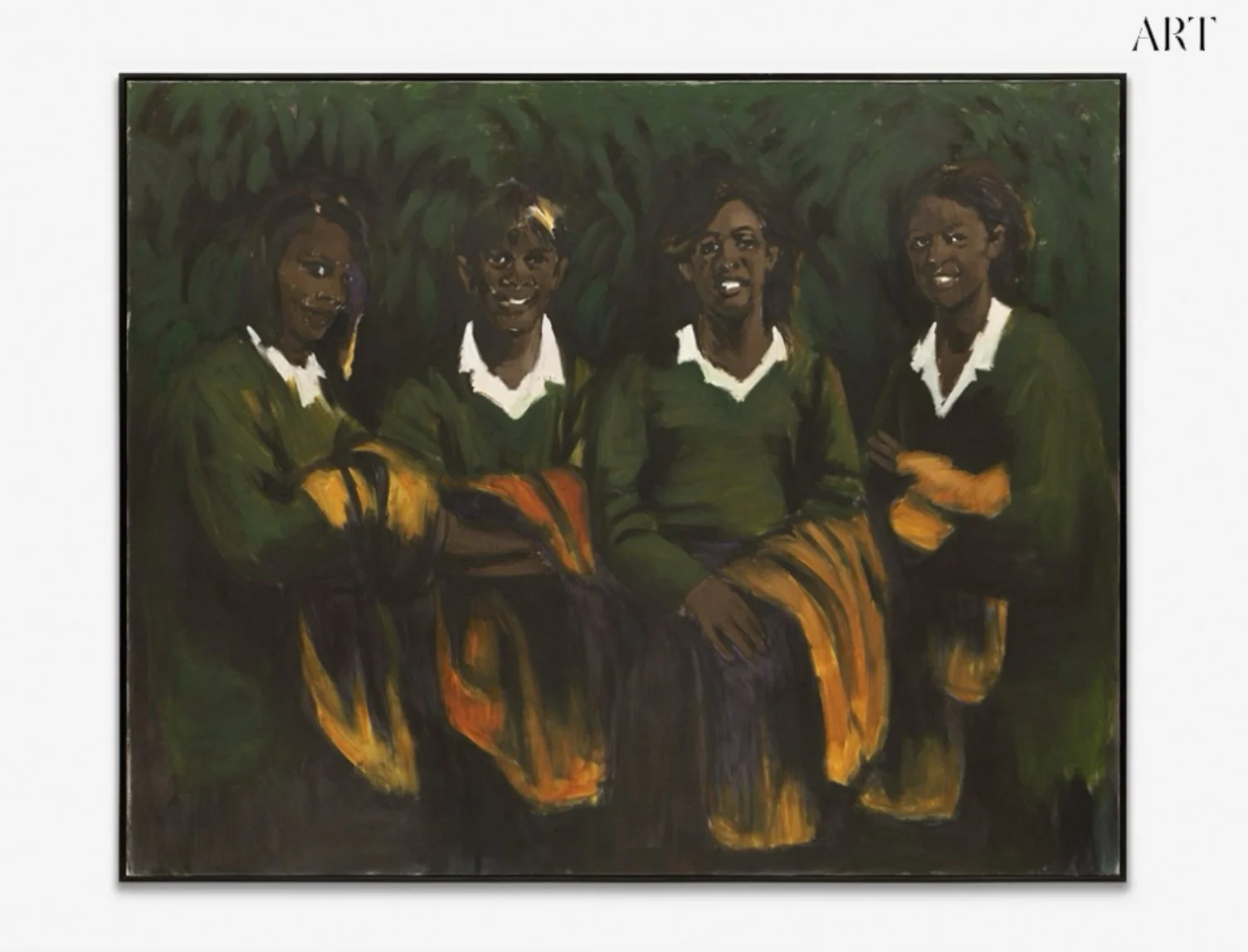
Brutality by Any Other Name
This is, in contemporary painting, an unusual position. Most figurative work — and there is a great deal of figurative work being produced right now — either tells you what the subject is feeling (which is sentimental) or refuses to engage with feeling at all (which is cold). Yiadom-Boakye does something more difficult: she presents people in states of emotional specificity that resist verbal articulation, which is, in the most precise sense, what painting can do that language cannot.
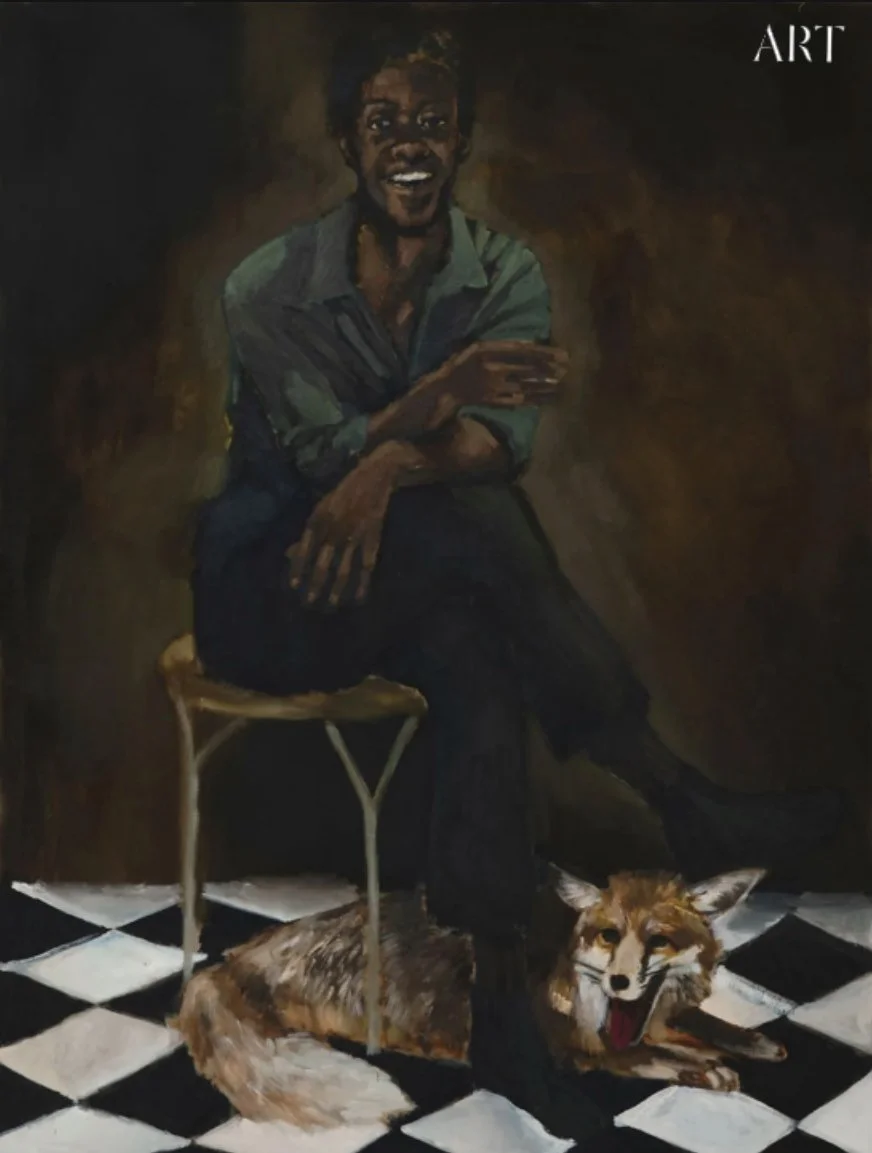
Black Allegiance to the Cunning (2018)
The figures are almost always Black, which has generated a discussion about representation that she engages with directly and carefully. "The absence of Black figures in Western portraiture is not just a historical fact," she says. "It has a continuing effect on how we imagine the interior life of Black people. When you see a white person sitting quietly in a painting, you think: they are contemplating something. When you see a Black person sitting quietly, that contemplation has, historically, not been assumed. My paintings are, in part, an insistence on that interior. On the right to be complex."
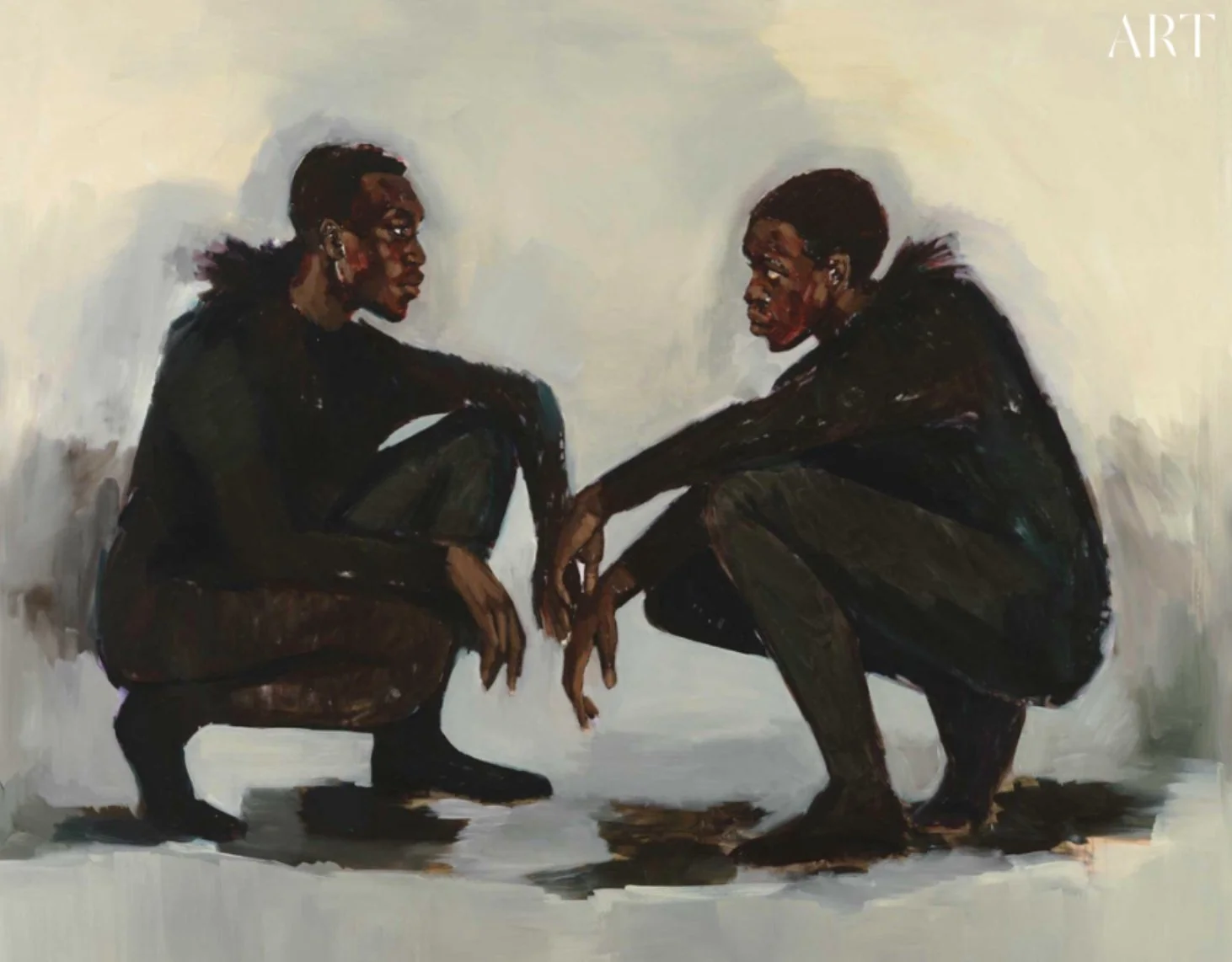
No Need of Speech, 2018. Carnegie Museum of Art.
Her 2023 retrospective at Tate Britain — 'Time Only Swells the Song' — was one of the most significant exhibitions of British art in recent memory: not because of its scale, though it was large, but because of the sustained argument it made about what figurative painting can do when the painter has something to say.
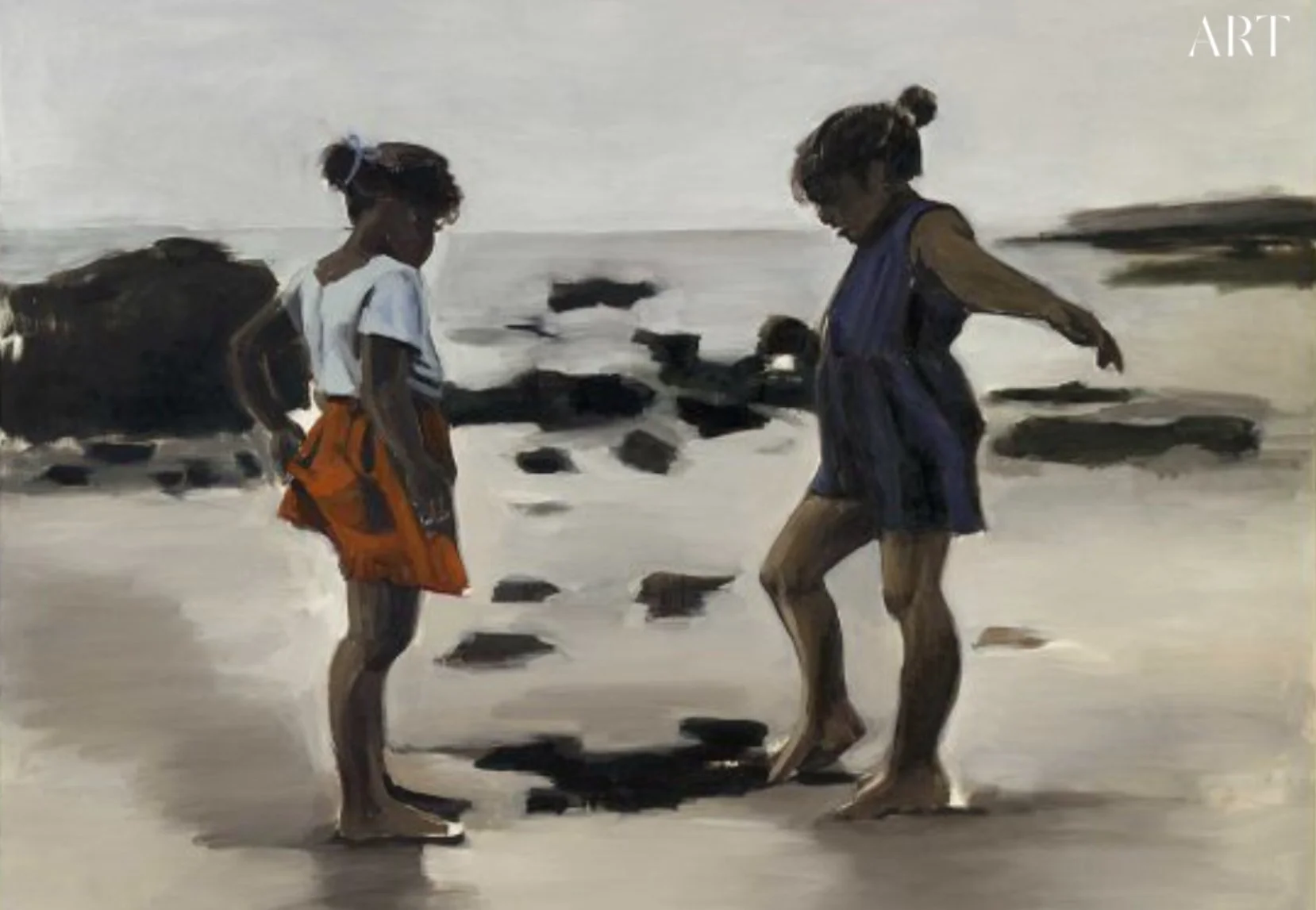
LIFE OUTSIDE THE MANET PARADISE RESORT
The current work, which we were shown in progress, is darker in palette and more psychologically compressed than her earlier pieces. The figures are more interior, less outward-facing. She says she has been thinking about solitude — "not loneliness, which is a complaint, but solitude, which is a practice" — and about the specific quality of presence that a person has when they believe themselves to be unobserved.
This, too, is a Yiadom-Boakye subject: the moment before the performance of self begins. The person as they are before the world asks them to be something.
By Oona chanel
