

One Frame, Every Day
Photographer Zhong Lin spent 365 consecutive days making one image within a strict 24-hour window. What she discovered was not merely a body of work — but the architecture of her own creative mind.
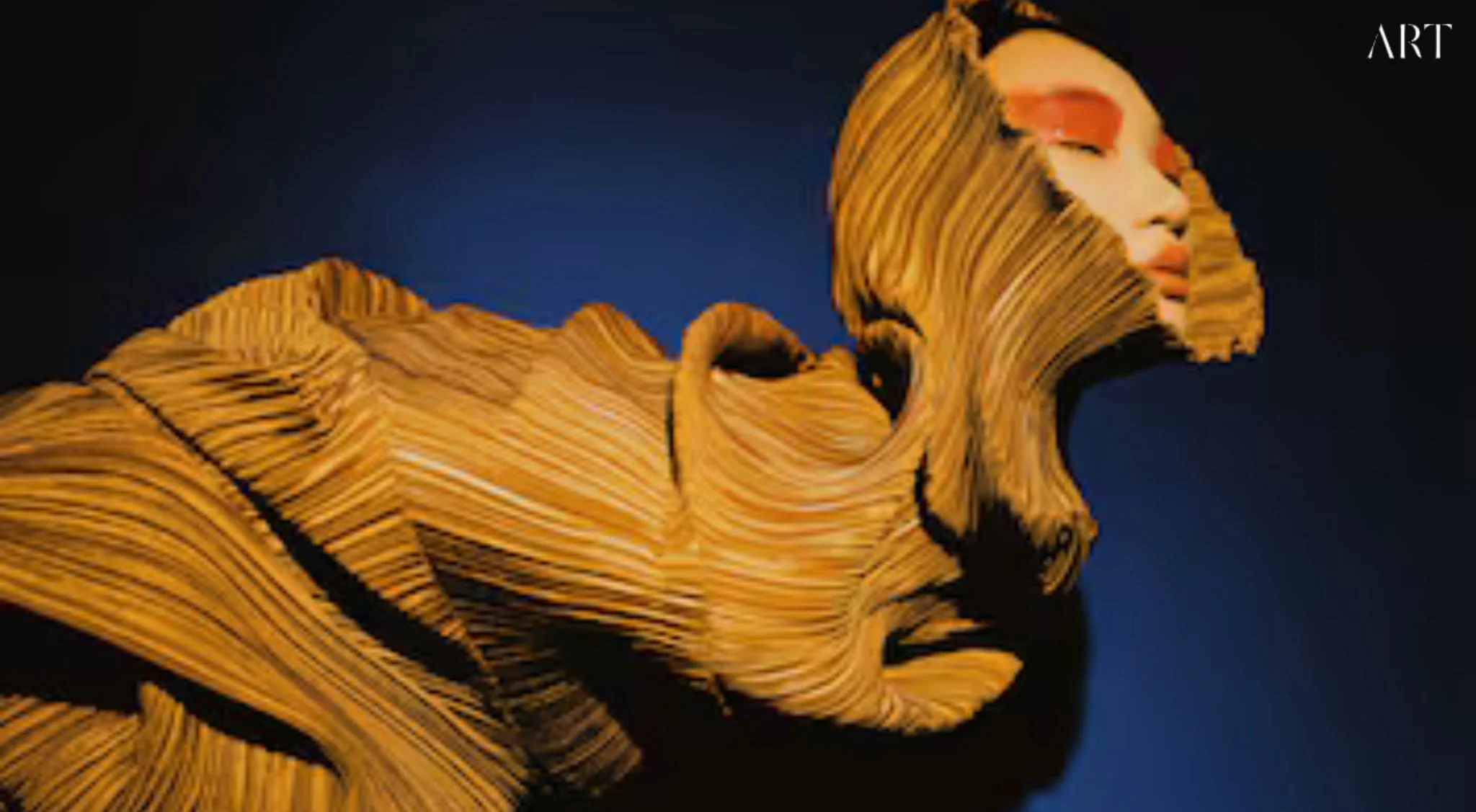
Photography by Zhong Lin
What begins as constraint becomes structure.
What becomes structure becomes language.
And what becomes language — if you commit to speaking it every day for a year — becomes yours.
The most disciplined thing a photographer can do is also the most ordinary: pick up the camera. Not when conditions are ideal. Not when the concept is fully formed or the light is obedient or the day has decided to cooperate. But now. Today. Before the hour runs out.
This is the quiet radicalism at the centre of Zhong Lin’s Project 365 — a year-long undertaking that asked not for greatness on command, but for presence, daily and without negotiation. One image. Twenty-four hours. Three hundred and sixty-five times. The parameters read like a constraint. What they became was something closer to a confession: this is who I am when no one is watching, when the work cannot be deferred and the excuses have nowhere to land.
I have spent years inside the world of photography — studying it, writing about it, building a magazine around the belief that image-making is one of the most complete forms of human expression available to us. In that time, I have encountered many projects that announce themselves as important. Fewer reveal themselves as necessary. Project 365 belongs to the second category. It is the record of a photographer learning, in real time and under genuine pressure, who she is.
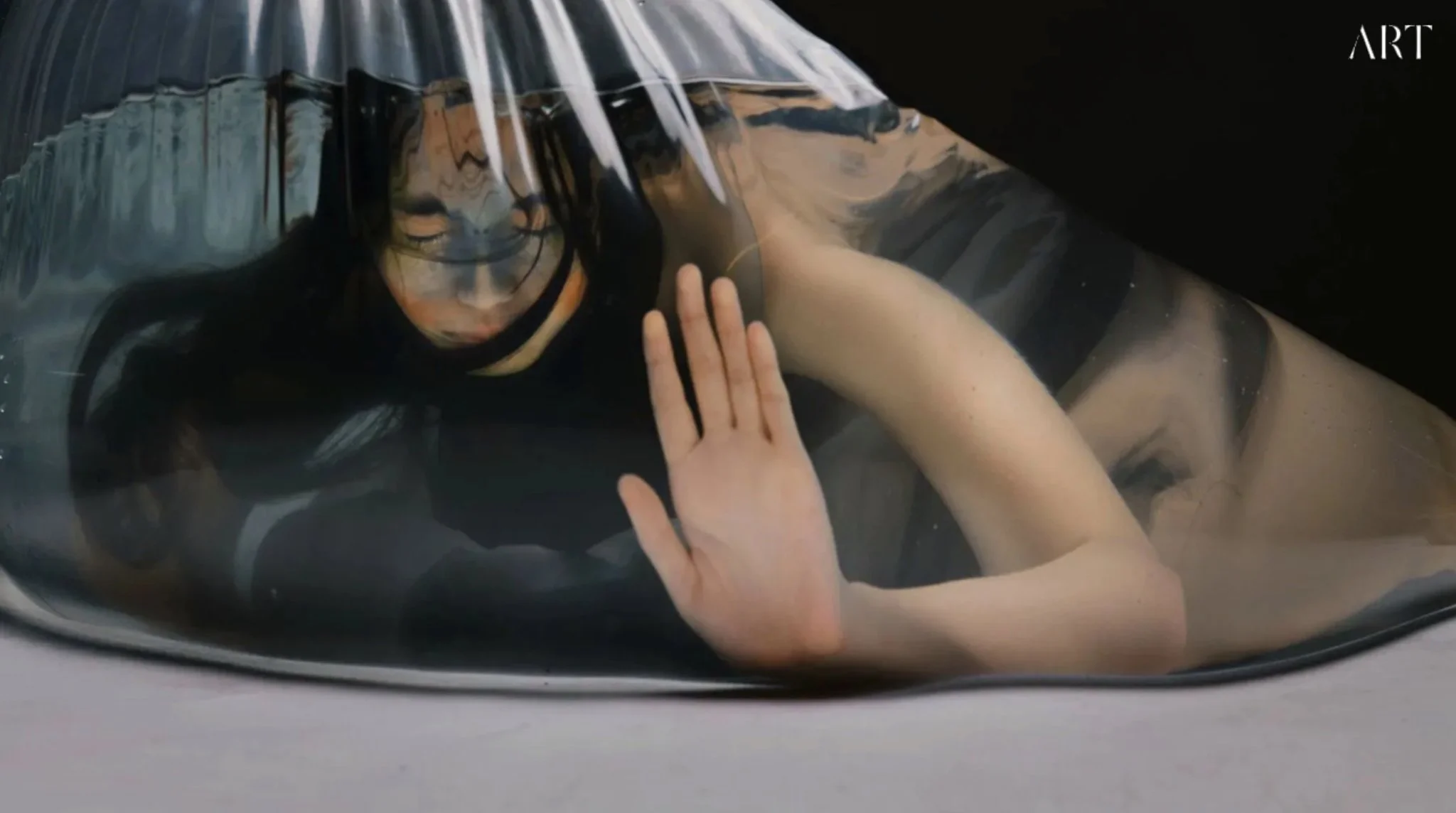
Photography by Zhong Lin
THE CLOCK STARTS NOW
Zhong Lin is a Malaysian Chinese photographer whose work moves fluidly between conceptual fashion, portraiture, and still life — a range that speaks less to restlessness than to a particular quality of attention. She looks at things slowly. She waits. Her images do not announce themselves; they accumulate, gathering meaning in the spaces between elements rather than in the elements themselves. Hers is a practice built on subtraction — on the radical act of asking, again and again, what the image can do without.
Project 365 began in April 2020. The world was in the early weeks of a stillness it had not chosen, and Zhong Lin found herself in Taiwan, far from the studios and teams and productions that had structured her professional life. The editorials she had been commissioned for were postponed or cancelled. The collaborative machinery of fashion photography — with its stylists and models and art directors and carefully scouted locations — had gone silent. What remained was the photographer alone with what photography had always, at its origin, been: a single person, a single frame, a decision about what matters.
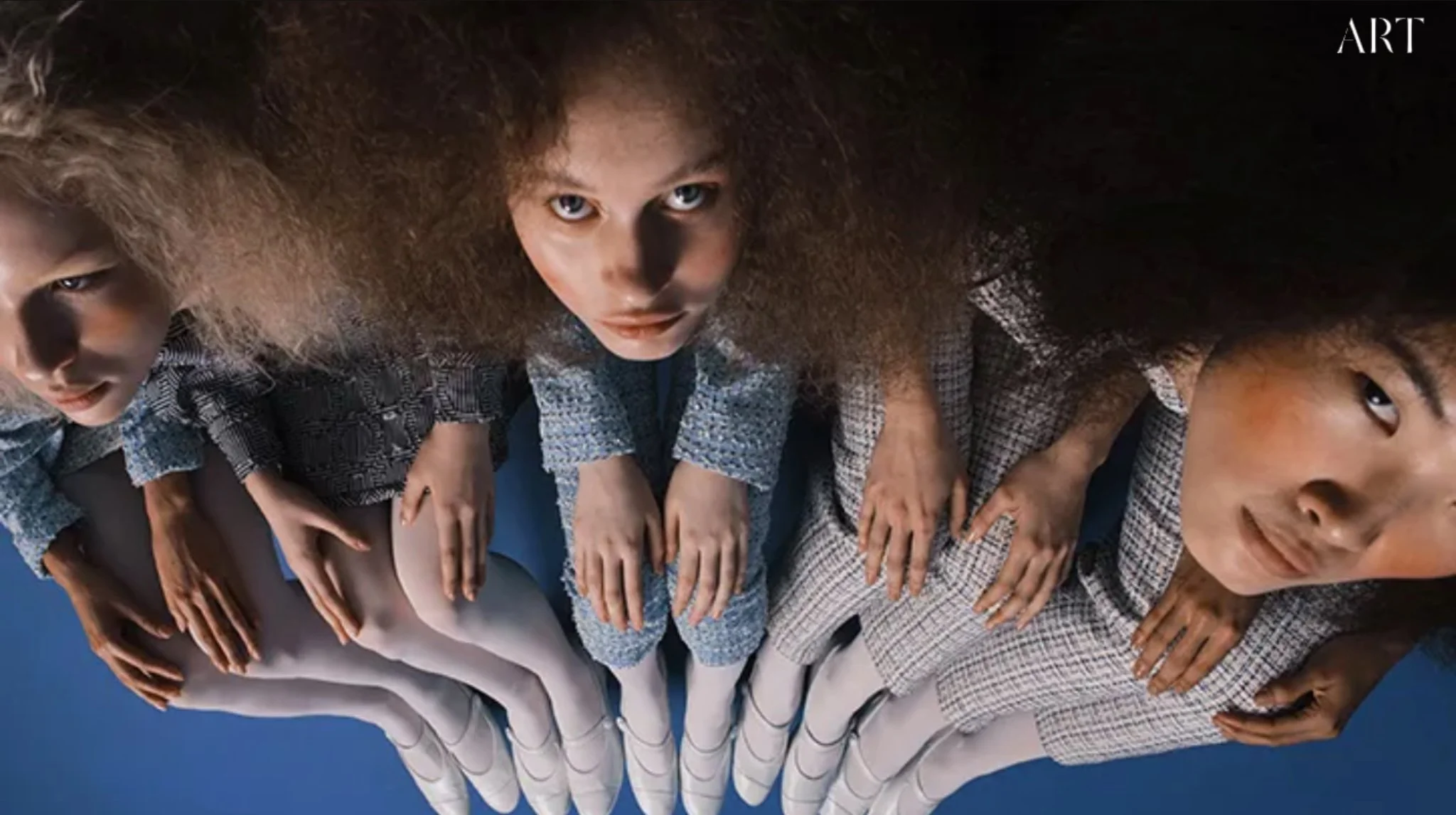
Photography by Zhong Lin
She set the rule herself, which matters. The 24-hour limit was not imposed from outside but chosen from within — an act of self-governance that carries its own significance. To choose a constraint is to refuse the paralysis of infinite possibility. It is to say: I will work within this, and what emerges from within this will be mine in a way that nothing assembled under more comfortable conditions could be.
“To choose a constraint is to refuse the paralysis of infinite possibility. What emerges from within it will be yours in a way nothing assembled under more comfortable conditions could ever be.”
— Oona Chanel
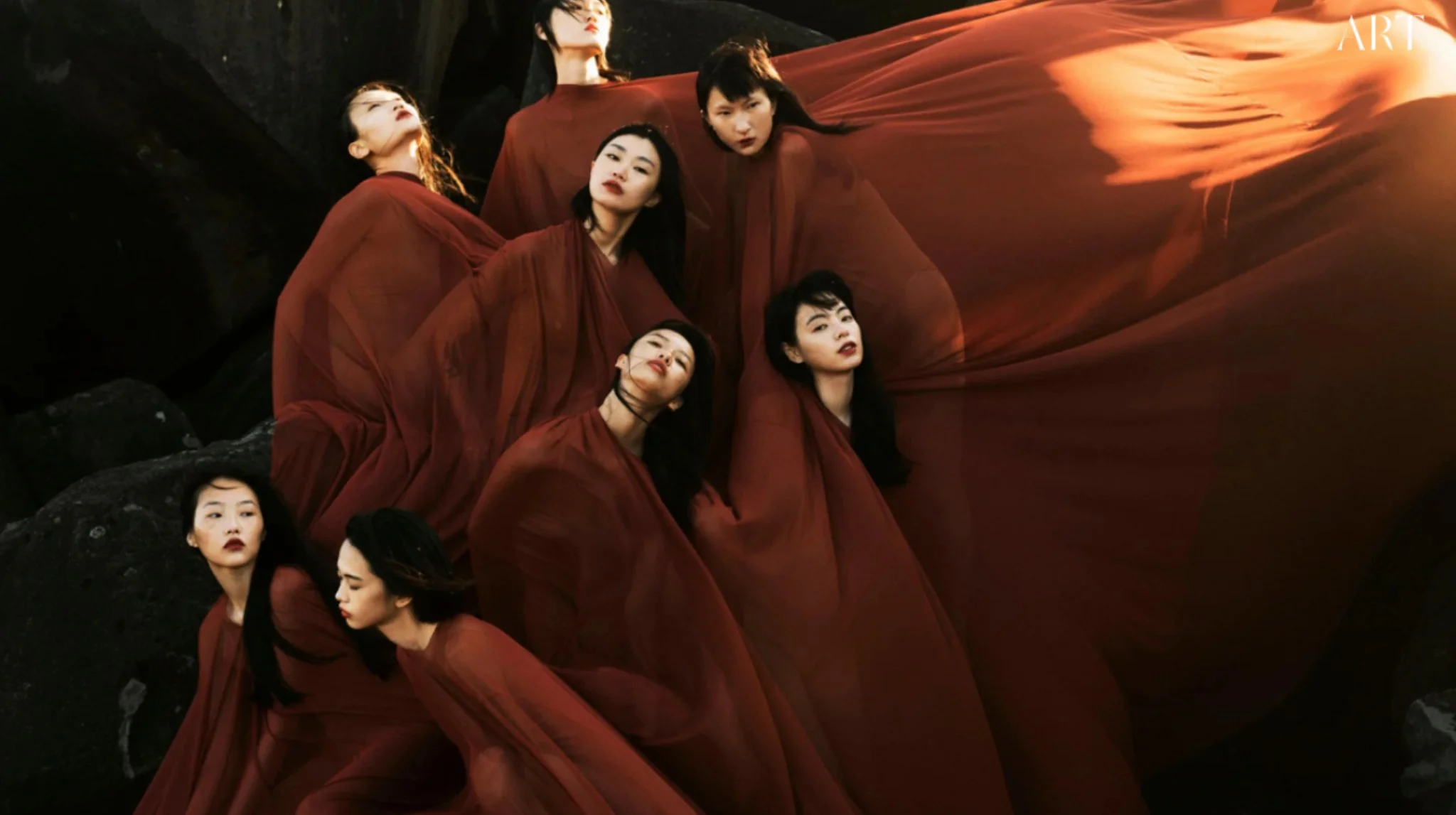
Photography by Zhong Lin
THE GRAMMAR OF CONSTRAINT
There is a particular kind of creative freedom that does not announce itself. It arrives quietly, after the ego has exhausted its objections, after the internal critic has run out of things to say. Somewhere around the fortieth day of Project 365 — by Zhong Lin’s own reckoning — something shifted. The daily question of what to make stopped feeling like a demand and began feeling like an invitation. The constraint had become, against all expectation, a kind of home.
This is not an unusual arc for artists who commit to sustained practice. What is unusual is the precision with which Project 365 documents it. Because the work was made daily and in sequence, the evolution is visible in a way that a conventional portfolio — curated, edited, arranged for effect — could never be. You can watch the eye calibrate. You can see the instincts form. You can trace the exact moment when Zhong Lin stopped making images and started speaking in them.
What the 24-hour rule dismantled, above all else, was the comfortable fiction that the best work requires the best conditions. It does not. The best work requires the most honest conditions — conditions in which there is no time to perform, no room to substitute intention for execution, no possibility of waiting until the idea is good enough to be worth the effort. Every day was the only day. Every image had to justify its existence in the present tense.
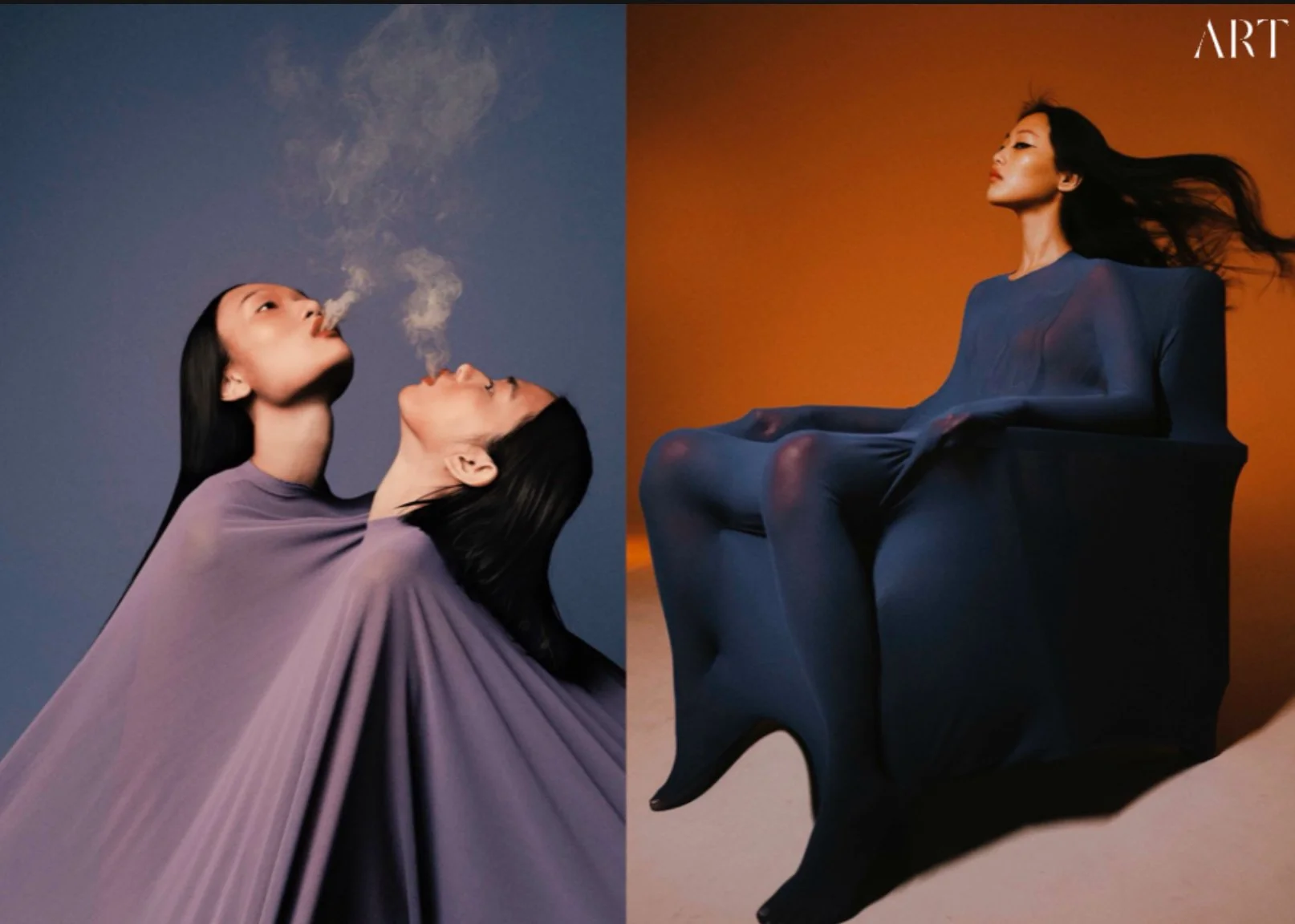
Across a year of working predominantly within the quiet geometries of Taiwanese domestic interiors and the stripped-back stillness of its landscapes, Zhong Lin built what I would describe as a visual grammar: a set of recurring decisions — about light, about distance, about the relationship between figure and ground — that accumulated into something unmistakably hers. Shadows that pool with intent. Skin rendered as a surface for illumination rather than a subject for display. Objects divorced from their utility until they become pure presence. None of this was planned. All of it was found.
Photography by Zhong Lin
PORTRAIT OF THE PHOTOGRAPHER AT WORK
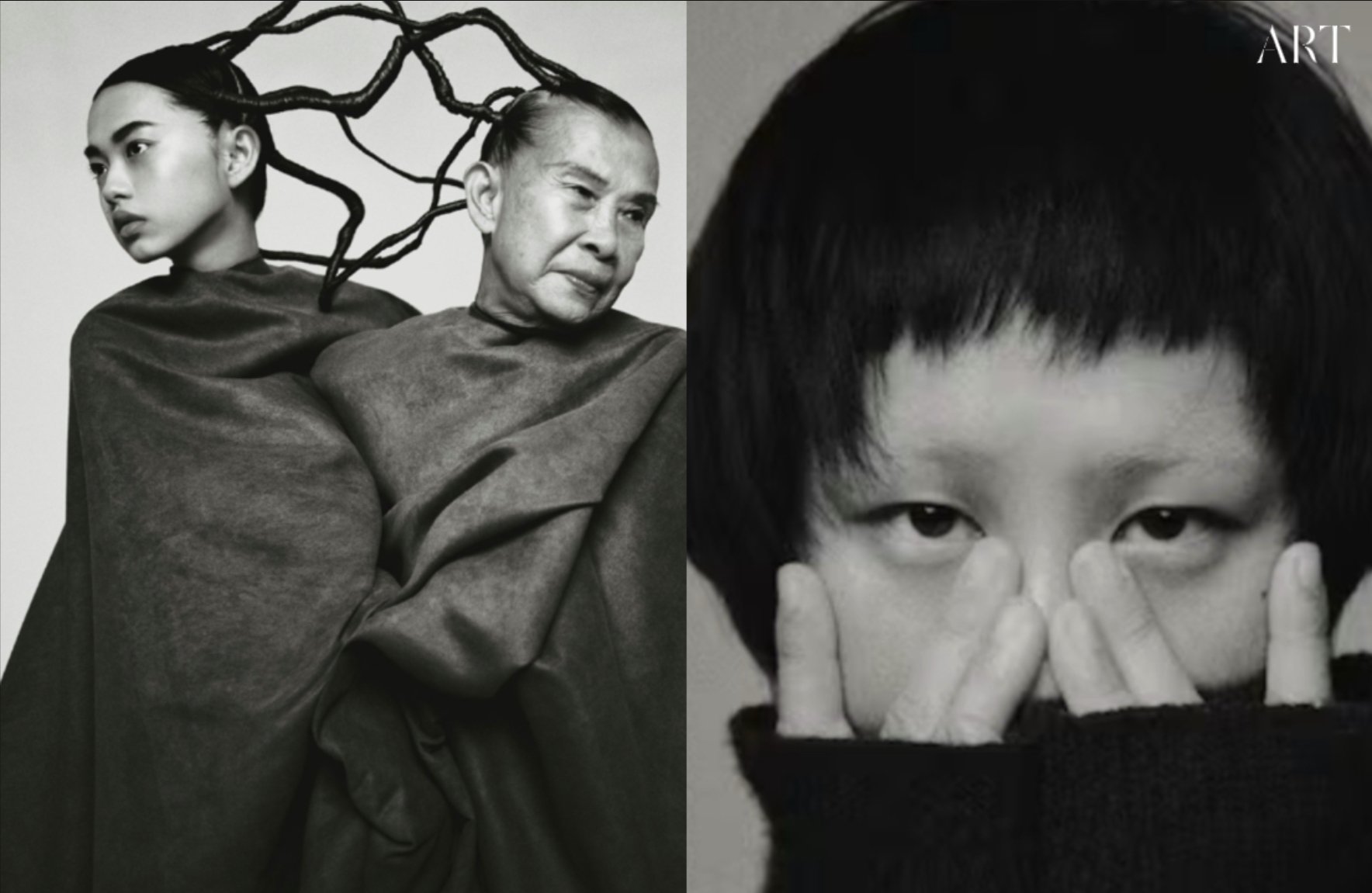
To speak of Zhong Lin’s practice is to speak of patience as a form of precision. She does not force a frame. She waits for the moment when the image becomes inevitable — when the elements in front of her have arranged themselves into the only composition that makes sense. This is rarer than it sounds. Most photographers, under pressure, reach. She holds.
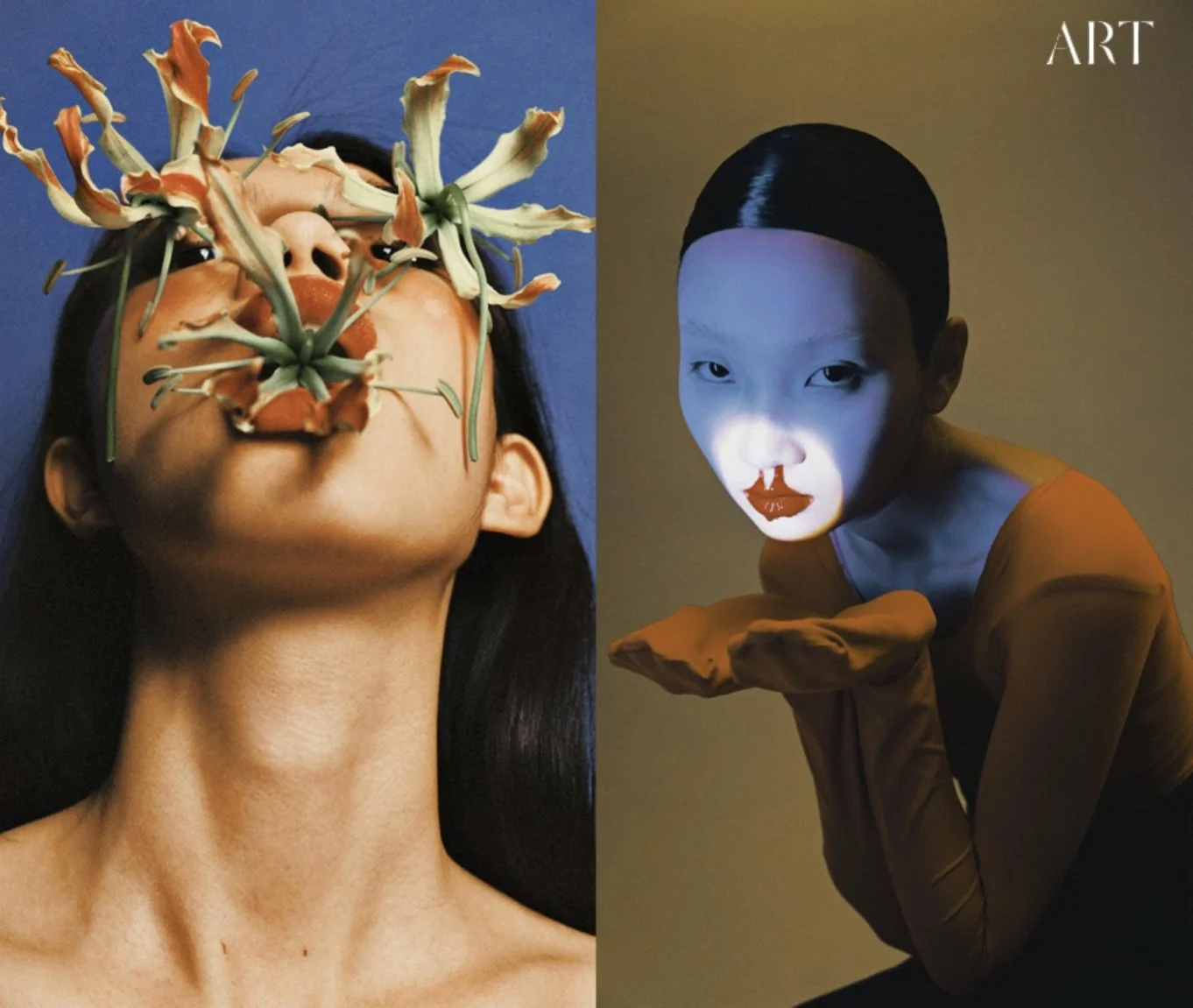
Her portraiture is, in this regard, revelatory. Where other photographers construct mood through accumulation — more light, more texture, more deliberate artifice — she arrives at it through removal. A session with Zhong Lin is, by most accounts, a quietly intense experience: minimal direction, long silences, and then a sudden, almost imperceptible shift in her posture that signals she has found what she came for. The subject rarely knows the decisive moment has passed. The image always does.
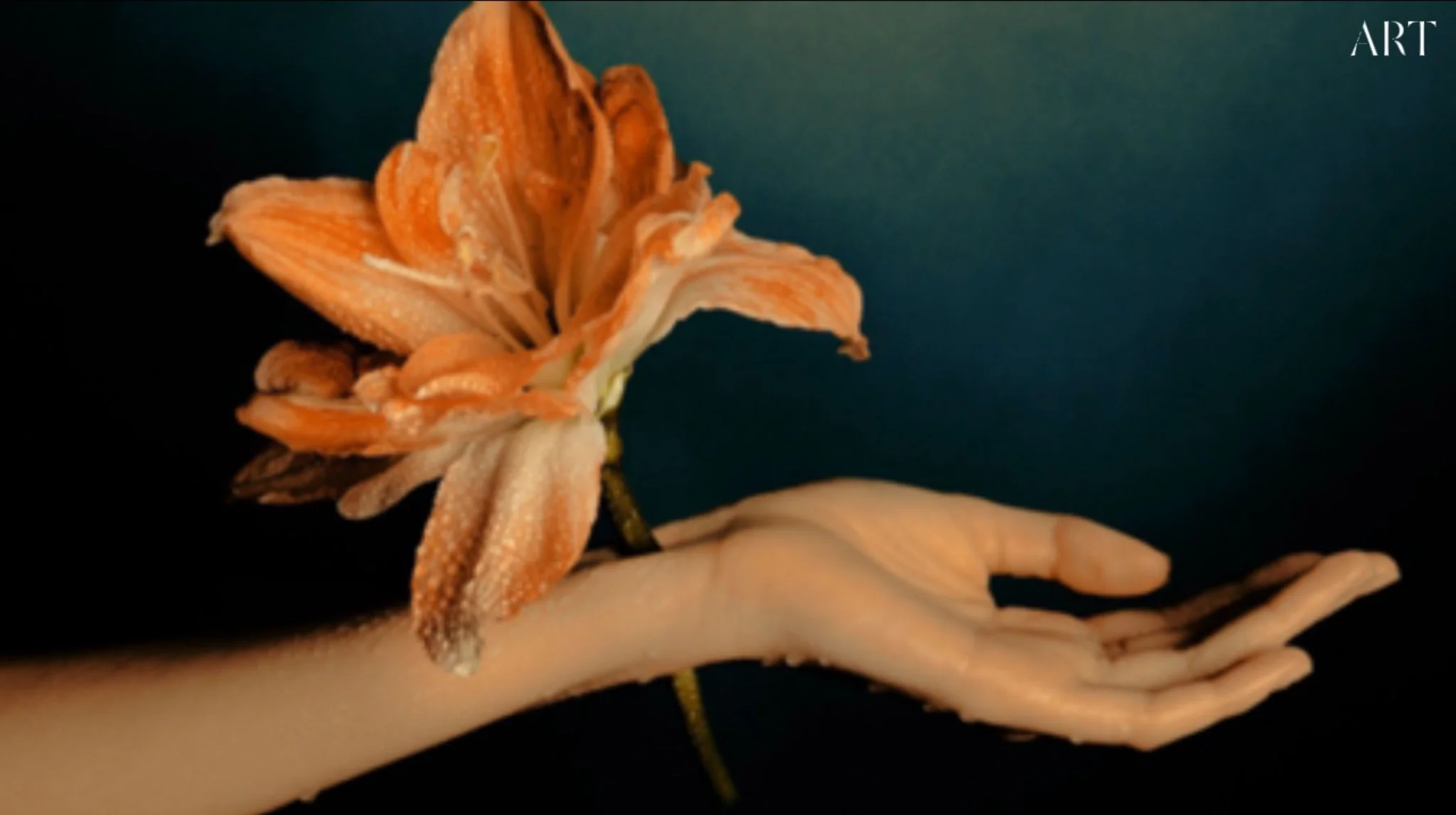
Her still life work operates on similar principles, though the negotiation is different. Objects cannot be directed; they can only be placed and then waited upon. Zhong Lin’s still lifes are remarkable for what they withhold. A vessel. A length of fabric. A piece of fruit at the exact moment before it tips from ripe to past. These are not beautiful arrangements. They are philosophical propositions — quiet arguments about time, about impermanence, about the way ordinary things become extraordinary the moment we decide to really look.
It is this quality of looking — sustained, deliberate, unafraid of silence — that Project 365 both tested and deepened. Three hundred and sixty-five consecutive days forced her to look when she did not feel like looking, to find when she was not sure there was anything to find. That she succeeded, day after day, is not a testament to talent alone. It is a testament to a kind of creative character: the willingness to show up without guarantee.
Photography by Zhong Lin
“She does not force a frame. She waits for the moment when the image becomes inevitable — when the elements have arranged themselves into the only composition that makes sense.”
Photography by Zhong Lin
INSIDE THE TWENTY-FOUR HOURS
I want to be specific about what a 24-hour creative cycle actually demands, because the romance of the constraint tends to obscure its difficulty. It is not a soft deadline. It is an absolute one — and the distinction is everything. A soft deadline can be renegotiated. It can be extended by one day, then another, until the urgency that was supposed to generate the work has dissipated entirely and the work, somehow, still has not been made. An absolute deadline cannot be renegotiated. It simply arrives, and then it passes, and either the image exists or it does not.
For Zhong Lin, the daily cycle began with a question that could not be postponed: what is today’s image? On certain days the answer was immediate — a quality of light she had noticed on waking, a composition she had been turning over in her mind since the previous evening, an instinct so clear it felt less like an idea than a discovery already made. On other days — the ones that make this project worth studying — there was nothing. The afternoon arrived heavy and indistinct. The setups failed. The compositions dissolved before they coalesced. The light went wrong, or right, and it did not matter either way.
And then, in the hours before the deadline, something gave. Not always something large. Not always something that announced itself as significant. But something: a shadow that fell differently than it had an hour before, a gesture caught without being directed, a framing that asked a question the photographer had not thought to ask. The day’s image existed. The constraint had done what extended freedom so rarely does: it had forced a decision, and in forcing the decision, it had forced the work.
It is worth noting — because it surprises people, and it should not — that many of the most compelling images in the series emerged from precisely these resistant days. Not the days when everything aligned, but the days when nothing would, until it did. Pressure is not the enemy of art. Unchallenged comfort is.
Photography by Zhong Lin
WHAT A YEAR ACTUALLY CHANGES
There is a version of this story that reaches for transformation — the photographer who began Project 365 as one artist and completed it as another, the year that broke everything open and rebuilt it more beautifully. That version is tidier than the truth, and less interesting. What actually changed in Zhong Lin across 365 days of consecutive image-making is more subtle, more structural, and more durable than a dramatic reinvention.
What changed was the relationship between what she intends and what she knows. In the early weeks of any demanding creative practice, intention leads. The artist arrives at a decision consciously: I will make this kind of image, in this kind of light, with this quality of mood. Over time, as the practice deepens and the hand and eye grow calibrated to each other, something more interesting begins to happen. The decision precedes its own articulation. The photographer moves toward certain light before she has named why. The frame resolves itself in a particular way because some deeper part of the visual intelligence has already determined what it wants. Intention has not disappeared — it has simply gone underground, where it does its best work.
By the final months of Project 365, Zhong Lin was not making photographs within a constraint. She was making photographs from within a creative system she had spent a year constructing without knowing she was constructing it. The 24-hour rule had done its quiet work: it had stripped away the elaborate scaffolding of deliberate decision-making and left behind something more valuable — an instinct refined to the point of fluency. A visual language that no longer required translation.
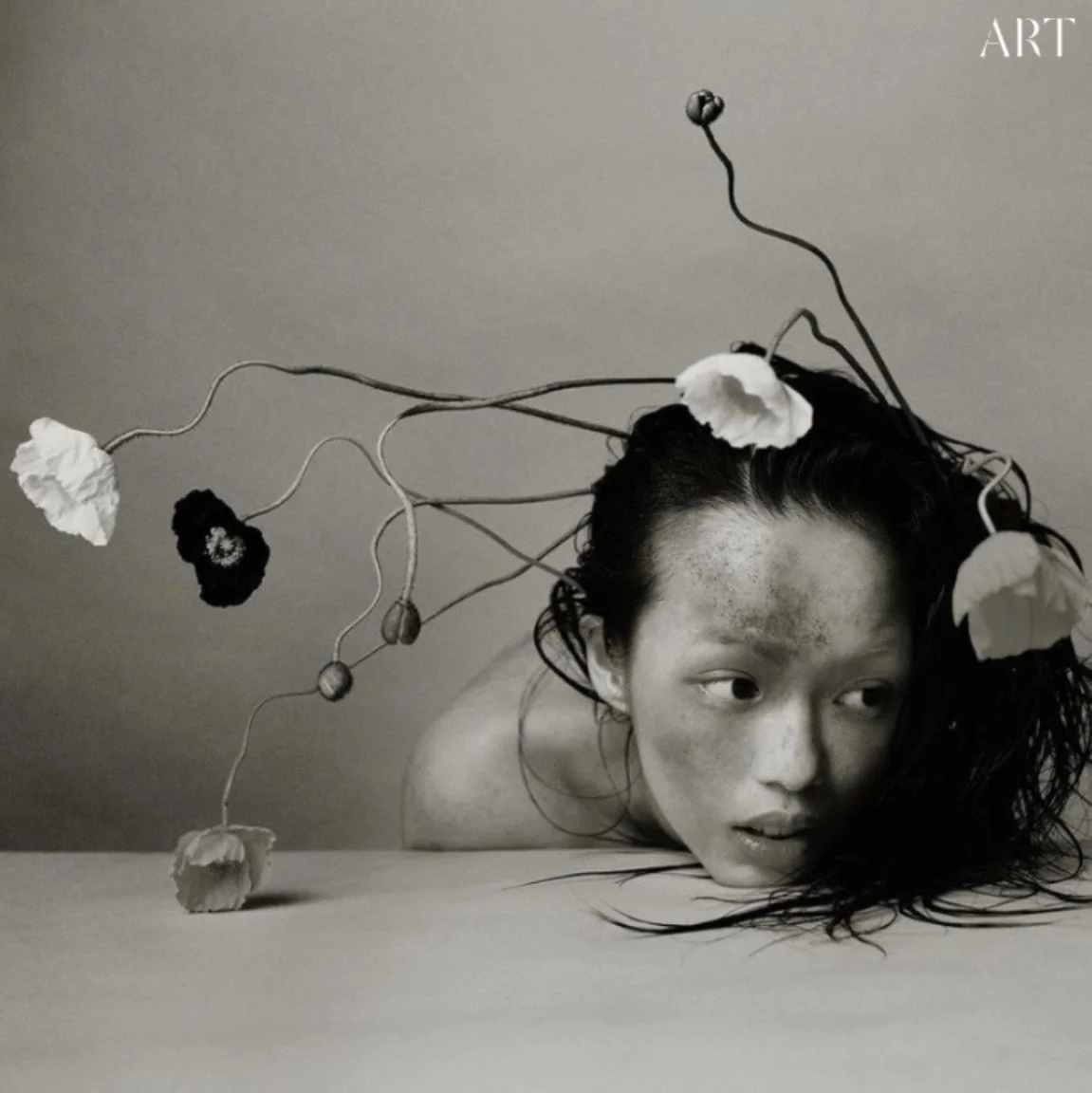
Photography by Zhong Lin
THE ARGUMENT FOR CONSISTENCY
We have constructed, in contemporary creative culture, an elaborate mythology around the singular breakthrough — the image, the series, the project that changes everything. This mythology serves criticism well. It gives us clean narratives, decisive turning points, moments of rupture we can point to and say: here, this is where it shifted. What it does not serve is the actual practice of making, which is not structured around ruptures but around returns. The return to the studio. The return to the camera. The return, each morning, to the fundamental question: what will I make today?
Project 365 is, among other things, a rigorous argument against the mythology of the breakthrough. Its power is cumulative, not explosive. No single image in the series would justify, on its own, the attention the project commands. The series earns that attention through its totality — through the sheer, undeviating fact of 365 images made in 365 days without exception, without postponement, without the relief of a pause. This is not a small thing. It is, in many ways, the largest thing a photographer can do: to show up, daily, and to make.
For those of us who think seriously about photography — who study it, teach it, build institutions around it — Project 365 offers a model that is both practical and philosophical. Practically, it demonstrates that the capacity for sustained creative production is not a gift distributed unevenly at birth but a discipline developed through repeated exercise. Philosophically, it proposes that the most honest self-portrait an artist can make is not a single image but a practice — the accumulated record of every day they chose to make something rather than wait for the conditions to become more favourable.
Zhong Lin chose to make something. Three hundred and sixty-five times, without exception, she chose to make something. The work that resulted is not simply a year of photographs. It is a portrait of what creative discipline looks like from the inside — its resistance and its reward, its difficulty and its strange, hard-won grace.
By Oona Chanel
