

He has converted an abandoned bank into a cultural centre on Chicago's South Side. He has produced albums, sculptures, and performances. His primary material is not clay or paint but the neglected infrastructure of Black American urban life.
"The waste material of a system that has stopped valuing something is the raw material of the practice that intends to reassign that value. The ceramics use salvaged building materials. The banks use salvaged buildings. The archive preserves what the mainstream archive did not value enough to keep. The material in every case is neglect."
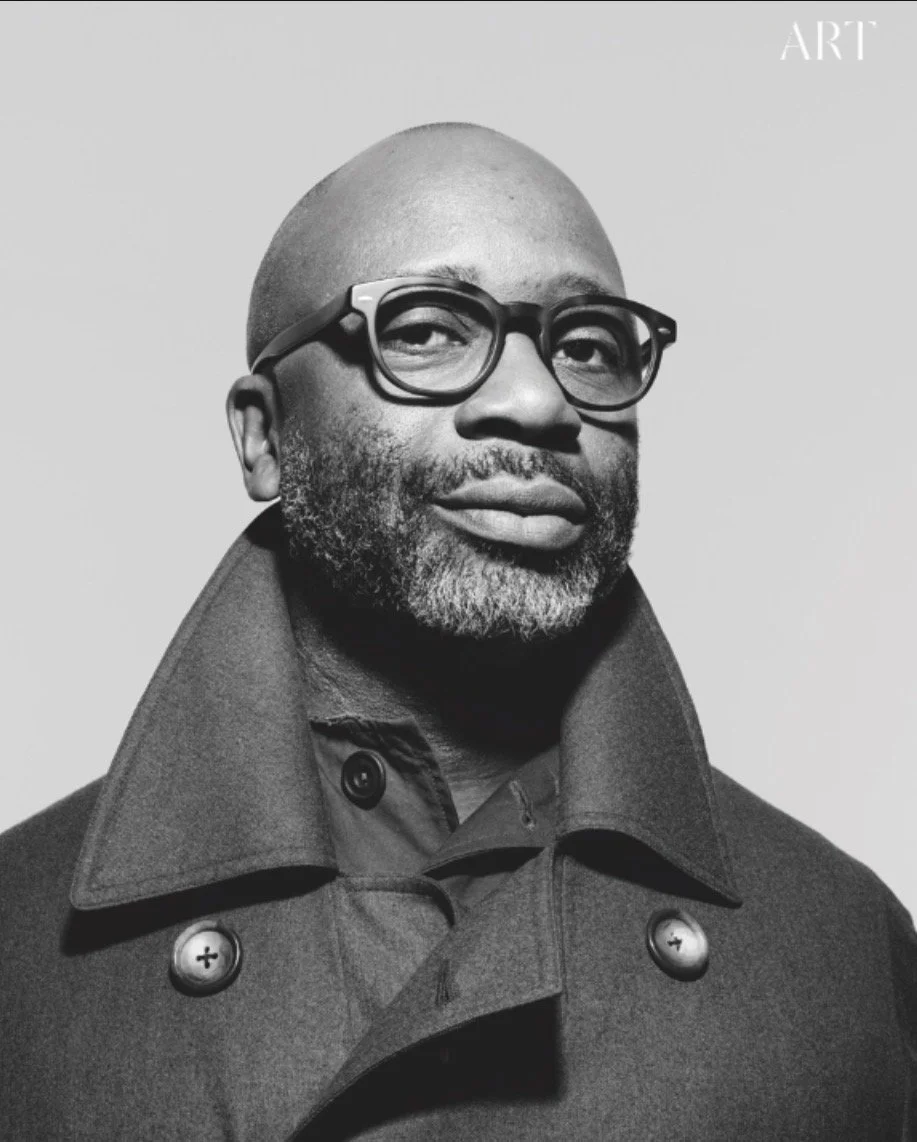
Theaster Gates is building. Not in the sense that he builds sculptures - though he does. Not in the sense that he builds installations - though he does that too. In the literal sense: he acquires buildings on the South Side of Chicago that have been abandoned by the market, by the city, and by the investment that would have preserved them, and he converts them, using the skills of actual construction trades, into functioning cultural institutions.
The Stony Island Arts Bank is the most significant of these. A 1923 Beaux-Arts savings bank, abandoned in the 198os when the flight of capital from Chicago's South Side made its continued operation uneconomical, it was acquired by Gates for one dollar from the city in
2012. The renovation - which Gates led and which employed local contractors and craftspeople in ways that deliberately recirculated money within the community rather than importing it from outside - produced a functioning arts centre, archive, and community gathering space that now holds a collection of over sixty thousand books, sixty thousand glass lantern slides from the University of Chicago's art history department, and the complete archive of Jet and Ebony magazines.
The archive decision is the most politically specific element of the building's programme. Jet and Ebony - the two most significant periodicals in twentieth-century Black American media - represent a visual and editorial record of Black American life that the mainstream archive institutions have not systematically preserved. The Stony Island Arts Bank is now the primary institutional repository for that record. The act of acquiring and preserving it is a curatorial act, an archival act, and a political act simultaneously.
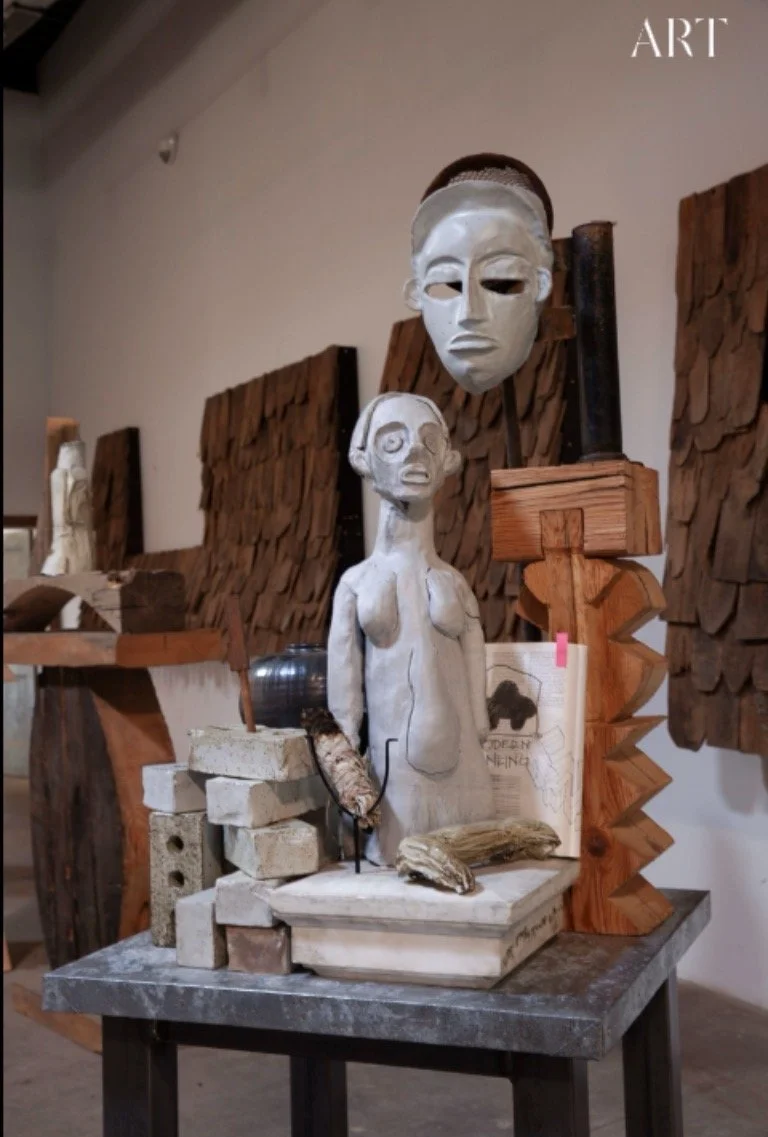
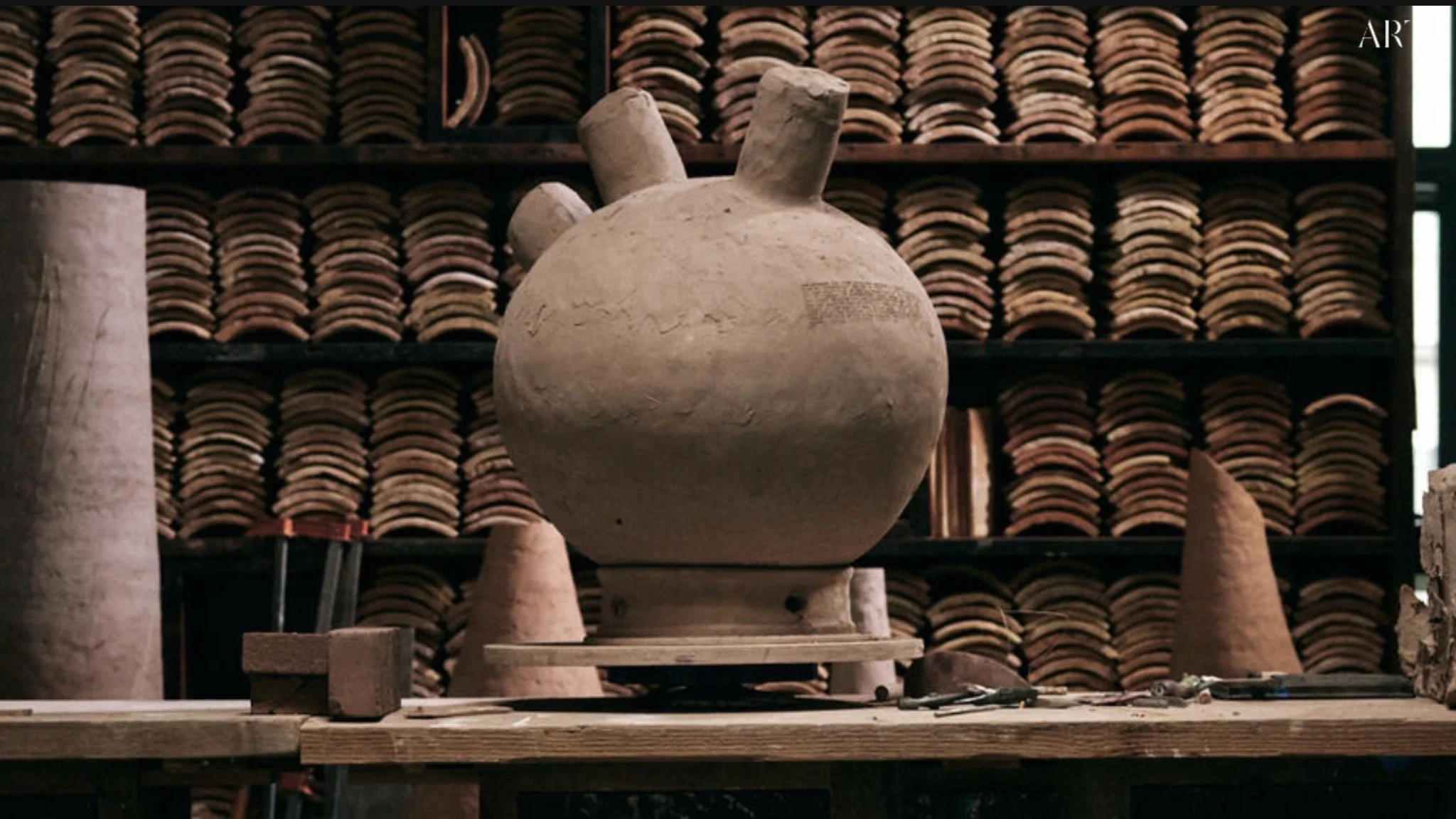
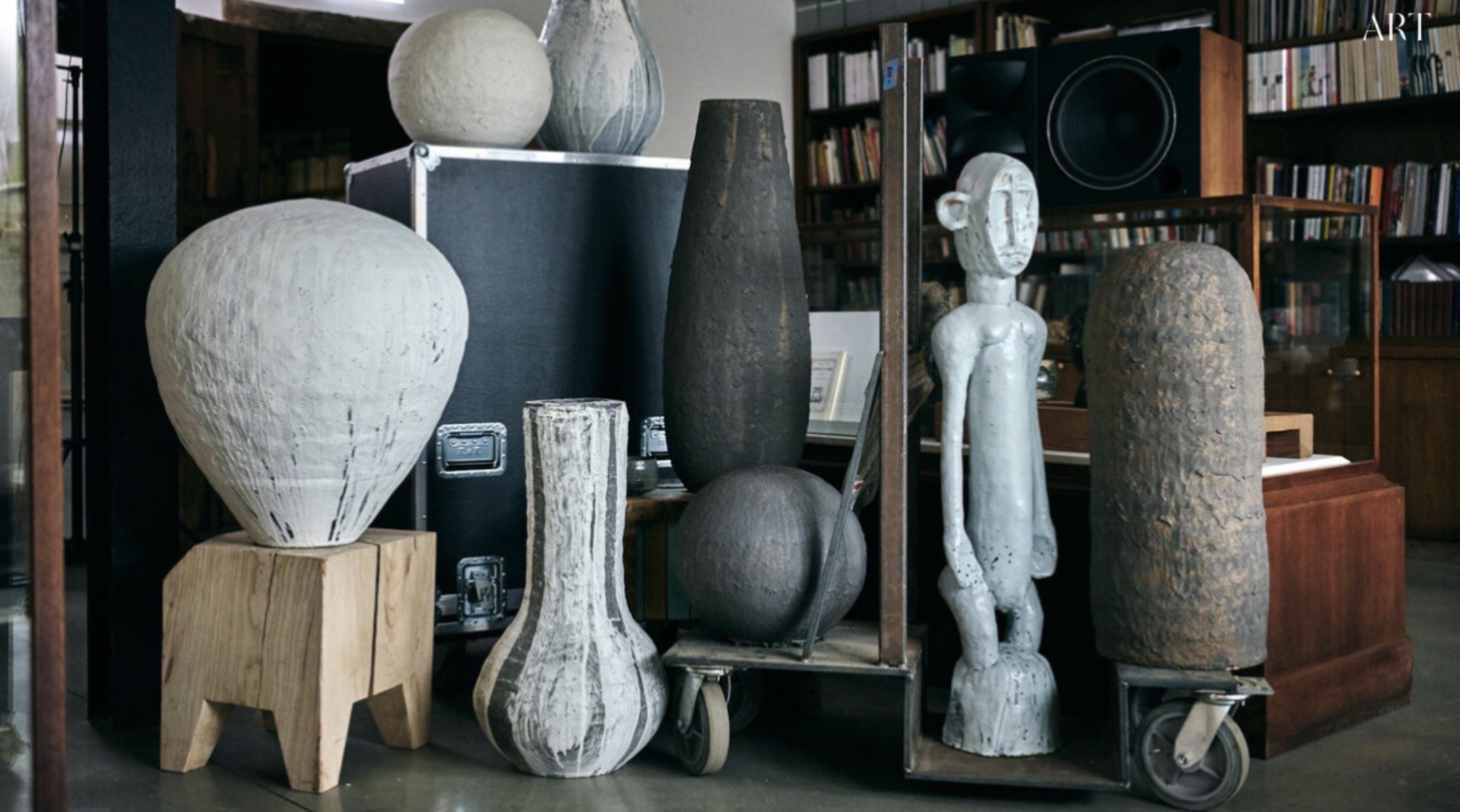
He trained as an urban planner and ceramicist - the combination is visible in everything he makes. The ceramics that appear in his studio practice, often using shards and materials salvaged from demolished buildings, carry the same logic as the building conversions: the waste material of a system that has stopped valuing something is the raw material of the practice that intends to reassign that value. The specific glaze formulas he has developed, many based on the chemical composition of building materials from specific historical periods in Chicago's built environment, are a chemical form of memory.
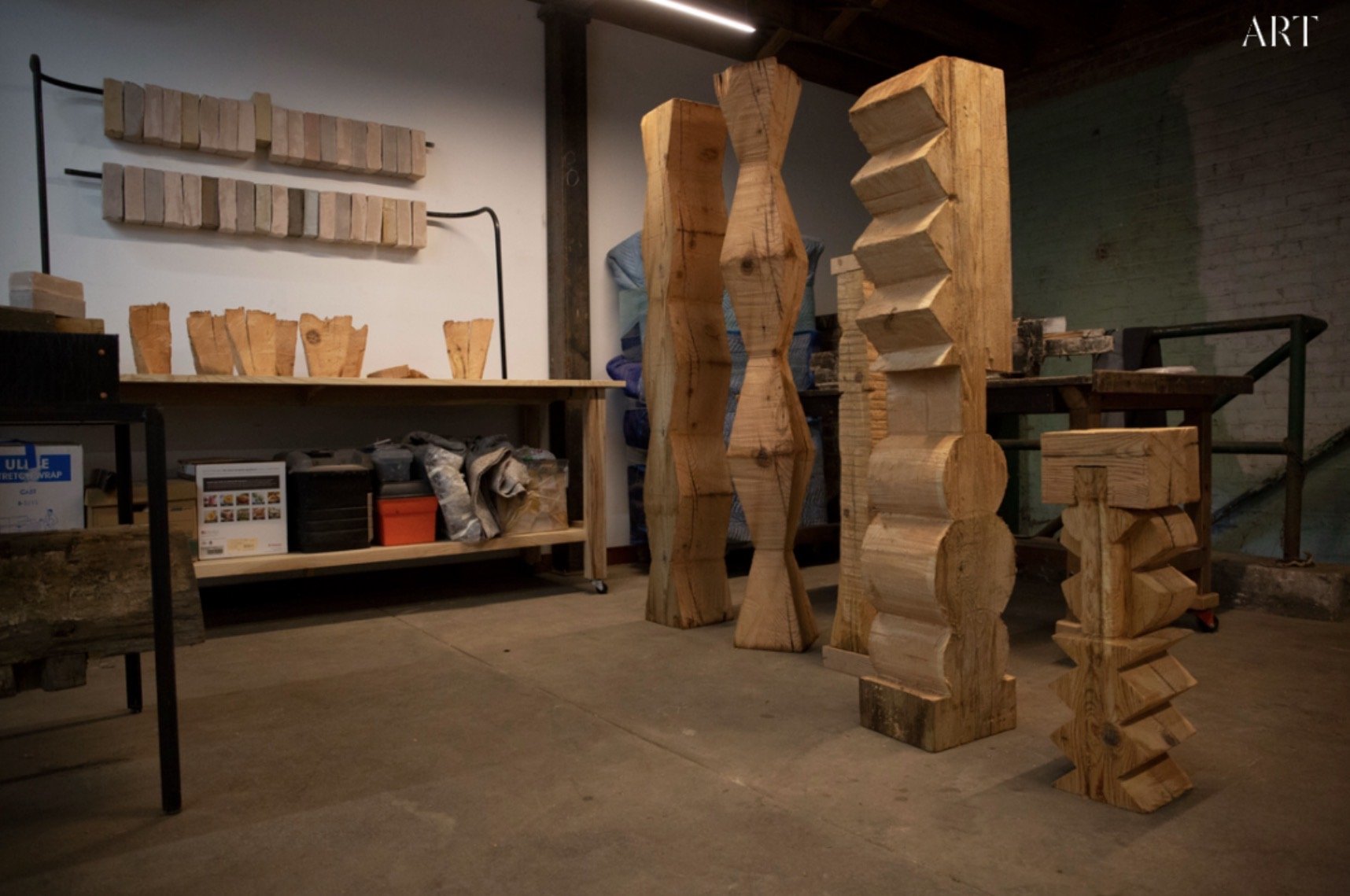
He was at the Serpentine Pavilion in 2022 - his pavilion was a functioning soul music archive and performance space. The pavilion commission, which typically produces architecture, produced from Gates a programme: the proposition that the pavilion was not a building but an argument, and that the argument required people gathering and music playing to be complete.
He is represented by White Cube in London, Regen Projects in Los Angeles, and Gagosian in New York. The scale of this representation reflects the scale of the institutional recognition: he is at a point in his career where the market infrastructure matches the critical and curatorial consensus.
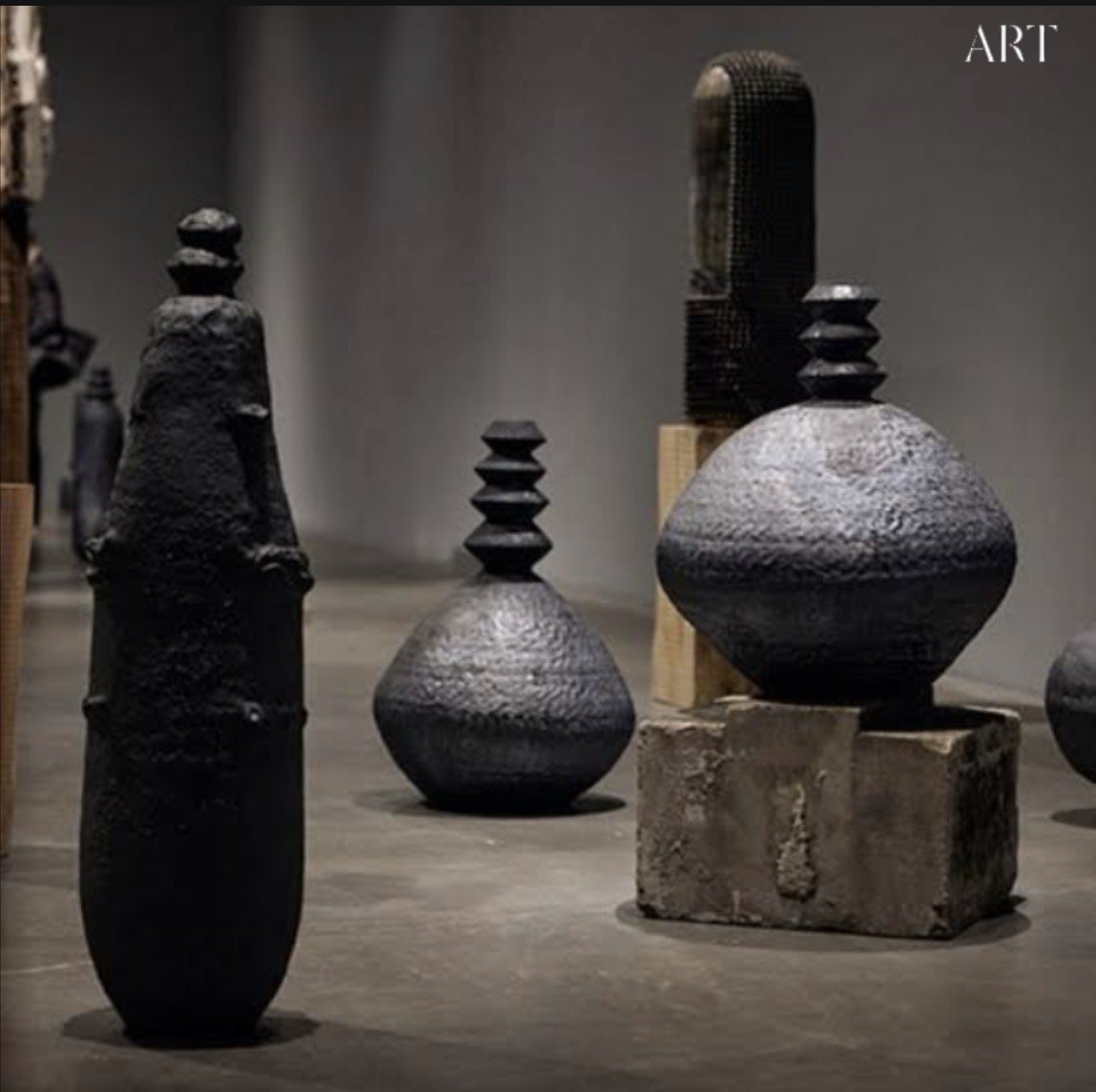
For the collector: the ceramics are the most accessible primary market works and the ones
most directly continuous with the conceptual programme. The price points, relative to the institutional recognition, remain below where they will be in ten years.
The waste material of a system that has stopped valuing something is the raw material of the
practice that intends to reassign that value. In every case, the material is neglect.
BY OONA CHANEL
