

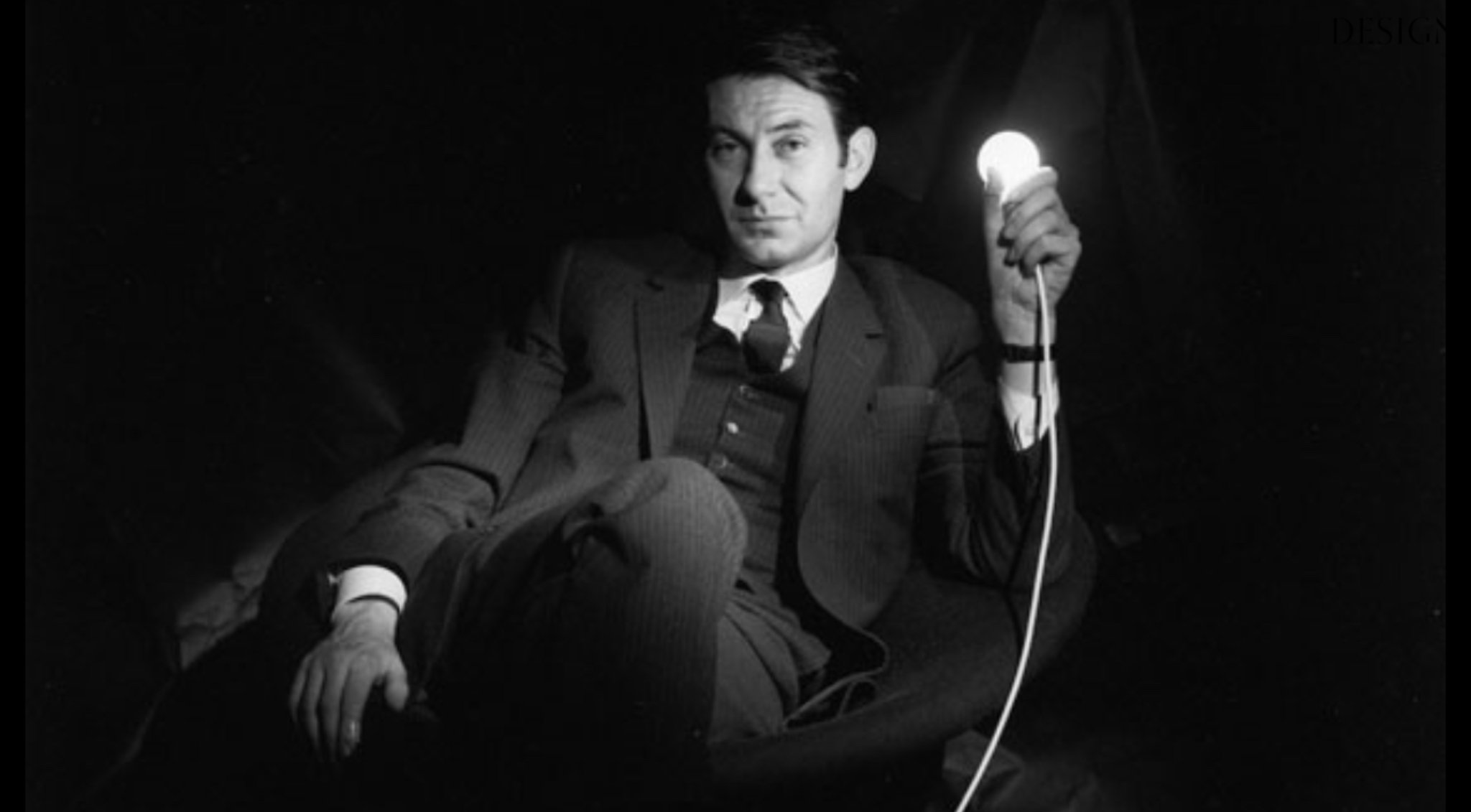
Otto Piene and the Discipline of Light
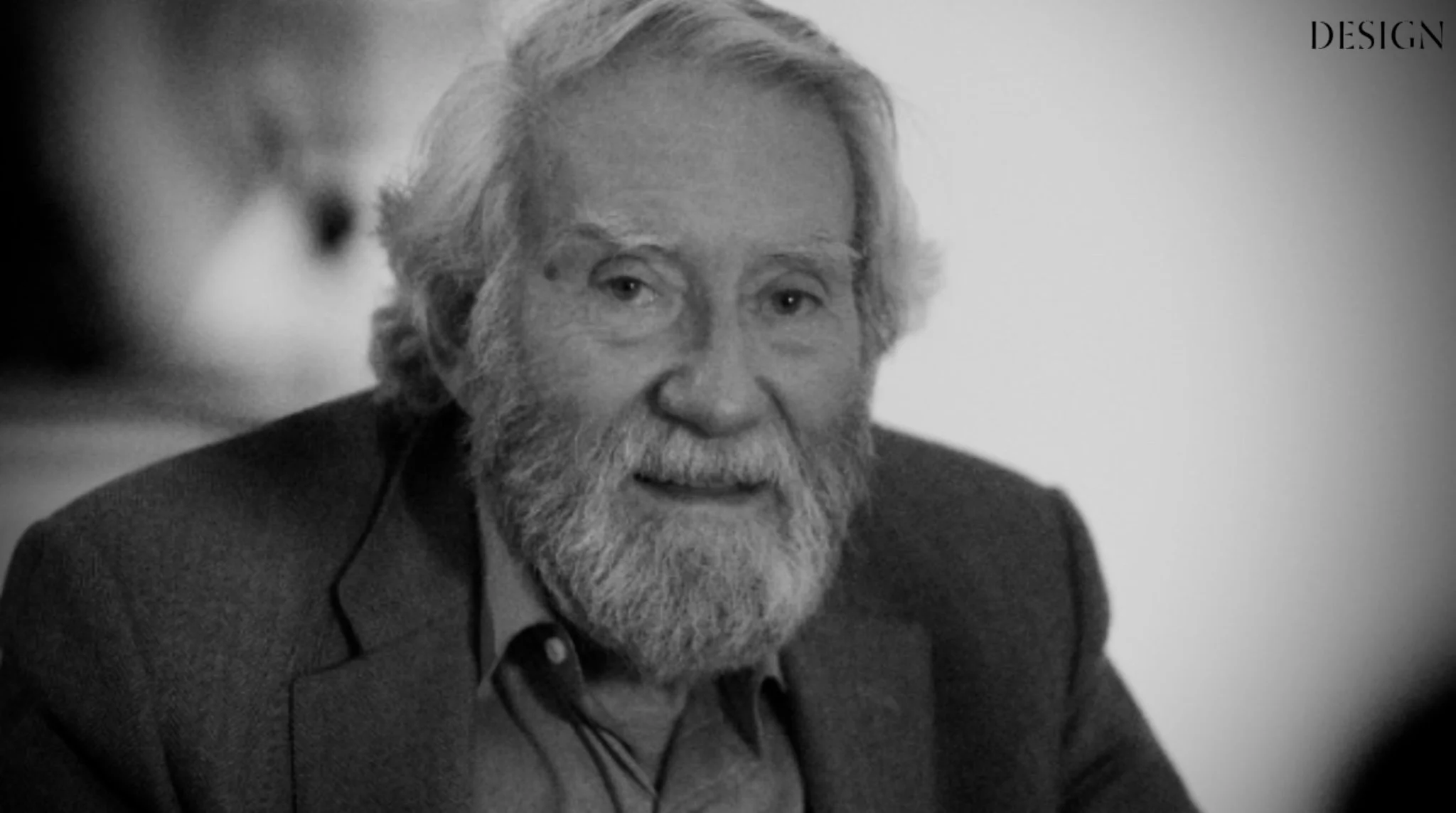
Otte Piene
To describe Otto Piene simply as an artist of light is to understate the rigor of his project.
For Piene, light was never atmosphere alone, nor spectacle, nor the decorative immateriality that contemporary immersive exhibitions have conditioned audiences to expect. It was a structural proposition: a means of rebuilding visual language after rupture.
As co-founder of ZERO in Düsseldorf in 1957 alongside Heinz Mack, Piene belongs to that small generation of postwar European artists who understood that painting, as inherited from the prewar world, could no longer continue unchanged. The canvas was no longer merely a surface to be filled, but a site to be rethought from first principles.
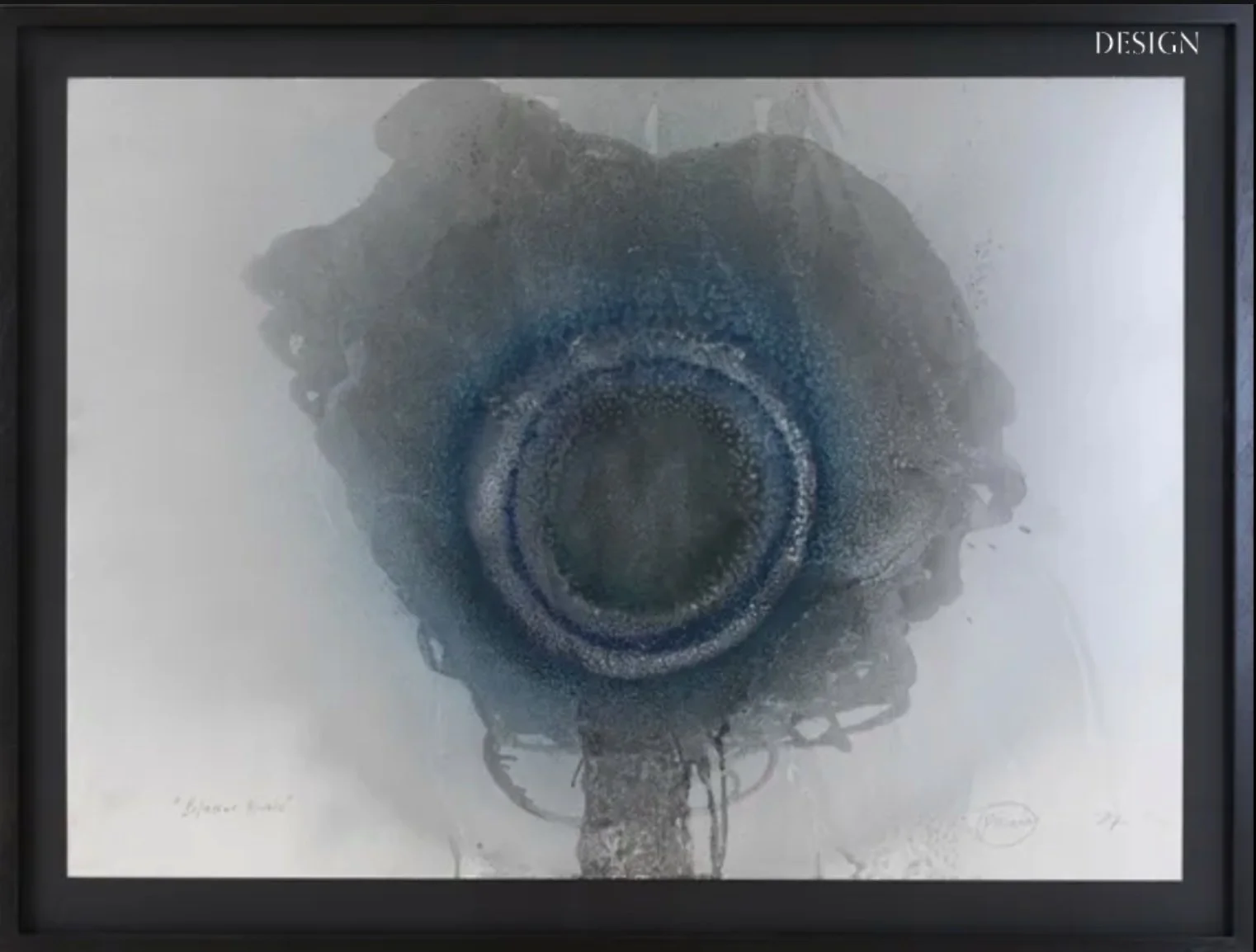
OTTO PIENE, Blauer Kreis, 1987
What distinguishes Piene is the clarity with which he recognized, earlier than many of his contemporaries, that light itself could function as both medium and subject.
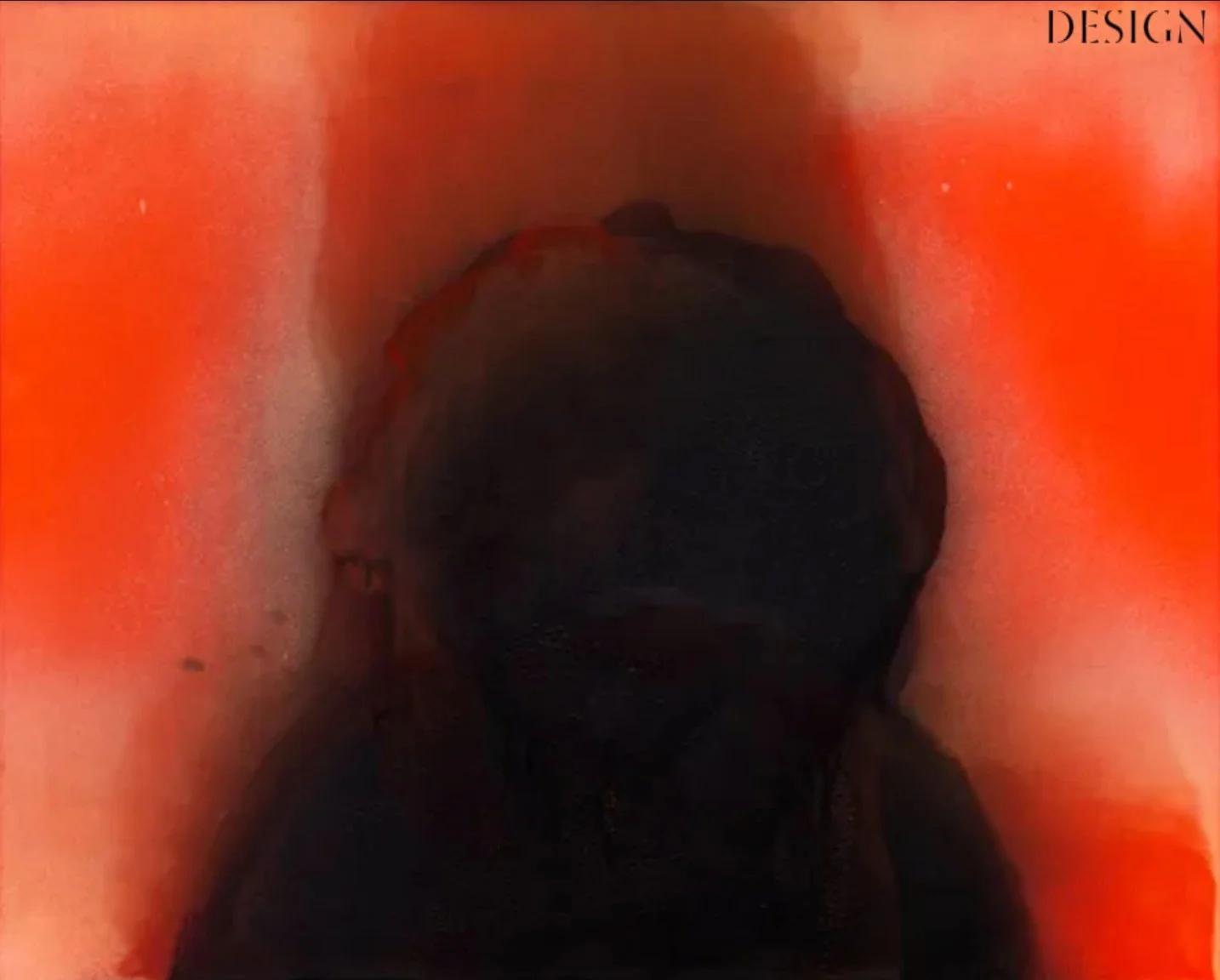
OTTO PIENE Es brennt, 1966
The Lichtballett works remain among the most radical propositions of postwar art precisely because they do not use illumination as effect. Instead, they dismantle the hierarchy between object and image. Perforated spheres, suspended forms, rotating mechanisms, and projected constellations transform the gallery into an active field in which light becomes material, movement becomes composition, and space itself assumes a pictorial function. This is not installation in the contemporary experiential sense. It is a redefinition of painting through kinetics.
Walls cease to operate as static architecture and become moving supports for form. Dots, rings, starbursts, and expanding grids slide across surfaces, destabilizing the fixed relation between artwork and viewer. What one encounters is less an object than an event: a choreography of light unfolding in real time.
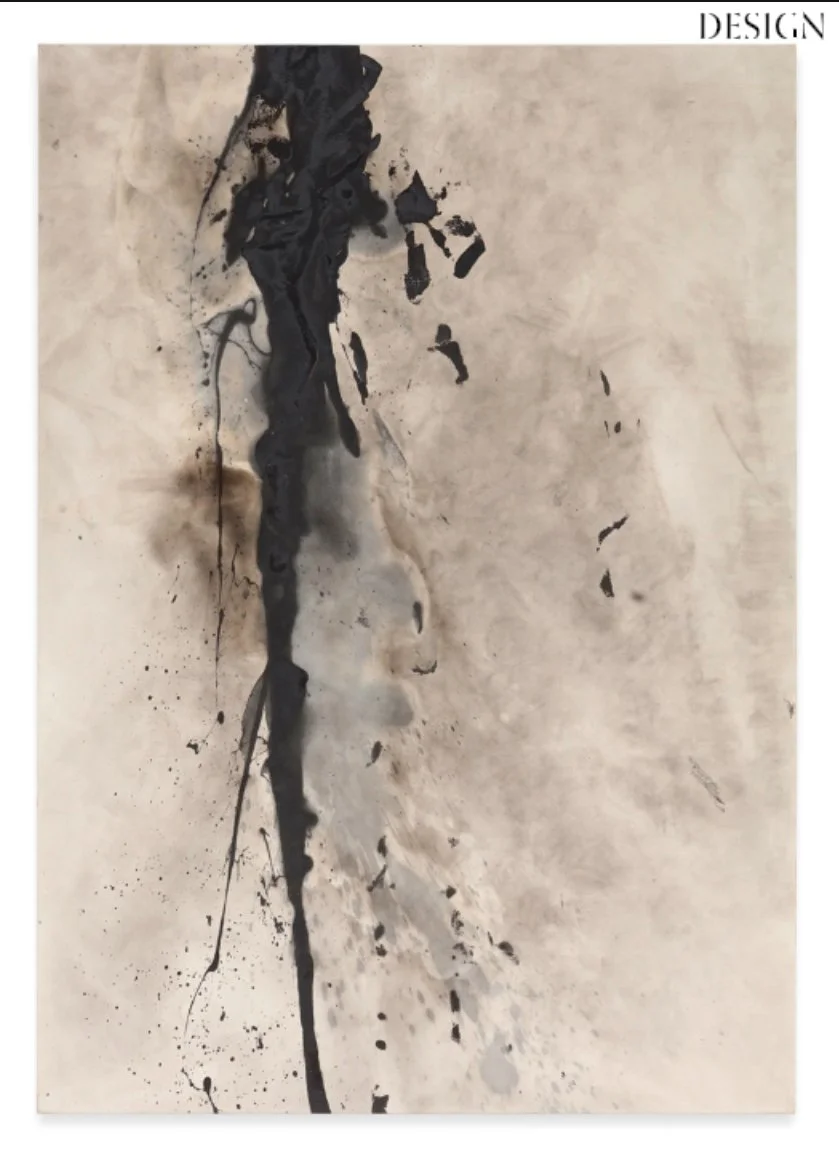
OTTO PIENE, Japanese, 1974-75
It is here that Piene’s intelligence is most acute.Unlike many later artists working with technology, he never mistakes apparatus for meaning. The machinery remains subordinate to a deeper formal logic. Light, in Piene, is disciplined, measured, and conceptually exact. Even the most seemingly celestial works are rigorously structured through repetition, interval, perforation, and rhythm. The grid, recurring throughout his practice from the late 1950s onward, is central to this logic. In Piene, it is never merely geometric in the strict modernist sense. It vibrates. It becomes a conduit through which energy passes. What begins as order is activated into atmosphere.
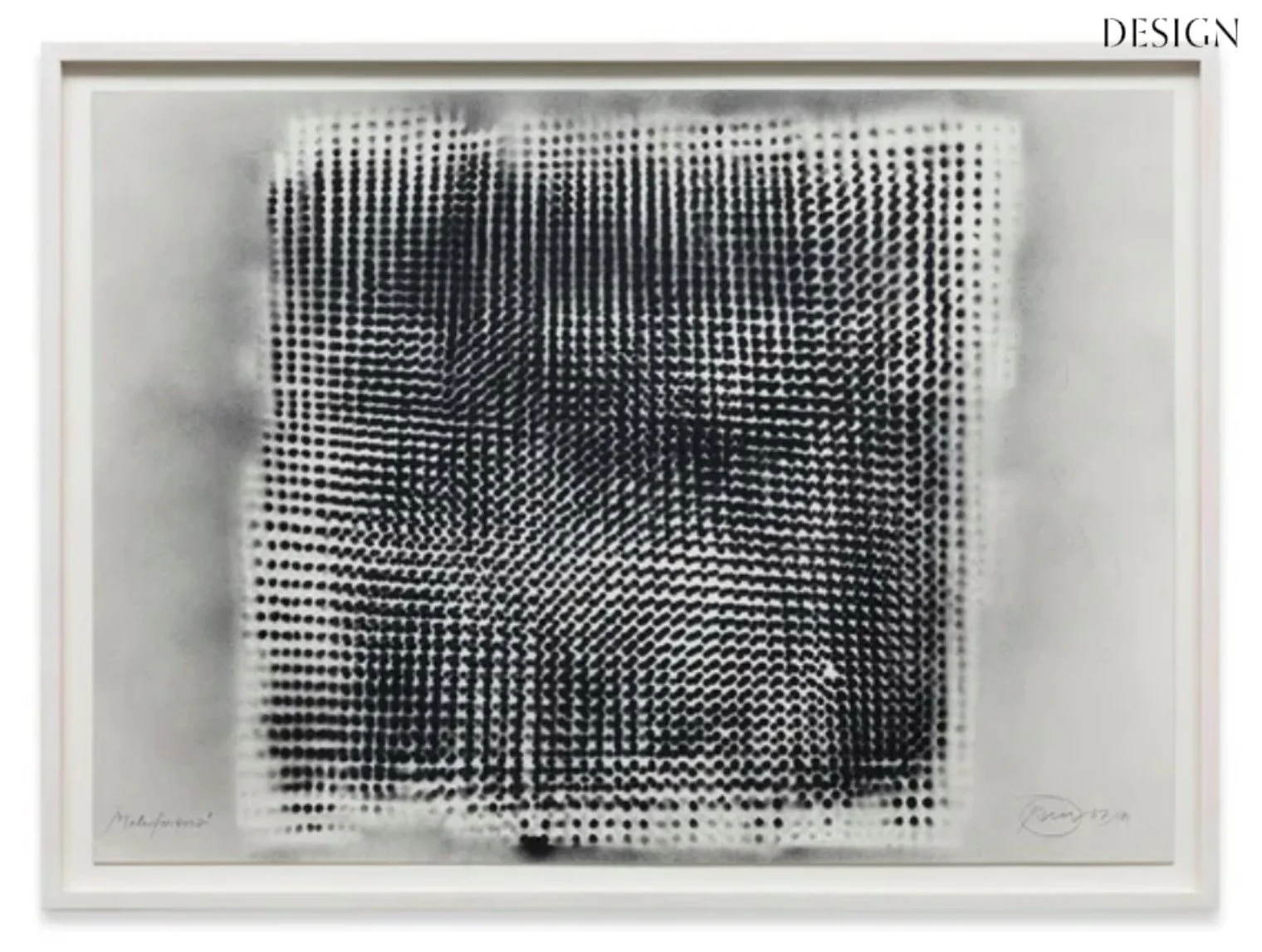
OTTO PIENE, Interferenz, 1957/1991
That movement from structure to vibration lies at the core of his achievement. The fire paintings and smoke works extend this proposition further. Here, combustion itself becomes a mode of mark-making. Flame does not destroy the surface so much as inscribe it. Piene transforms heat into drawing, ash into pigment, and accident into a controlled formal language. These works are too often absorbed into the broader mythology of postwar experimentation, yet they remain among the most materially intelligent works of the period.They understand destruction as a generative force.That is not incidental in a German artist of his generation.
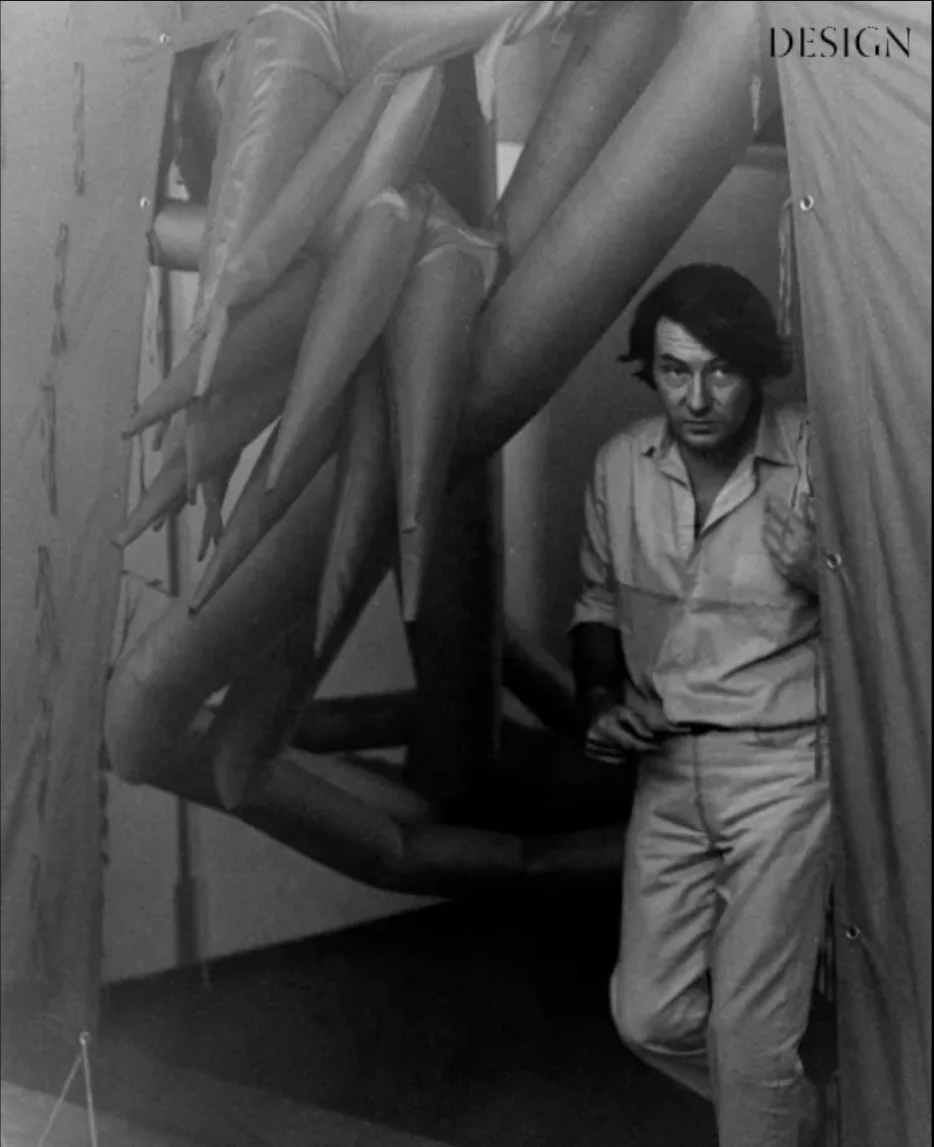
OTTO PIENE, Red Sundew 2, 1970
What gives Piene lasting relevance is that his work resists easy settlement into either minimalism or spectacle. He remains too sensuous for one, too exacting for the other. His most compelling works insist that light is not merely perceived but structured, and that immateriality can carry architectural weight.
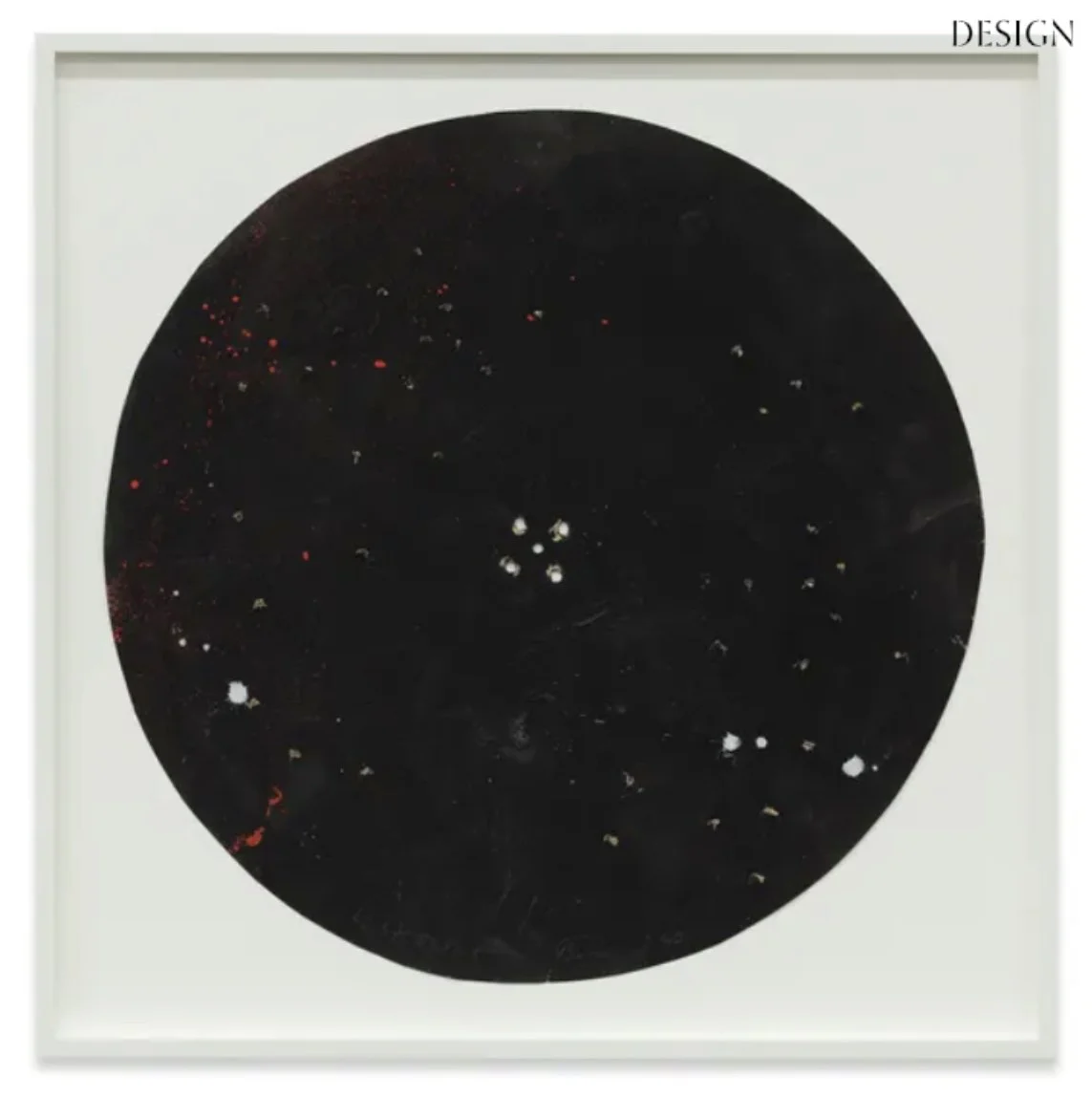
OTTO PIENE, Light Ballet, 1960
Seen today, in an age saturated with projection-based environments and light-driven installations, Piene’s work feels newly clarifying. It reminds us that light, in the hands of a serious artist, is not ambience but argument.
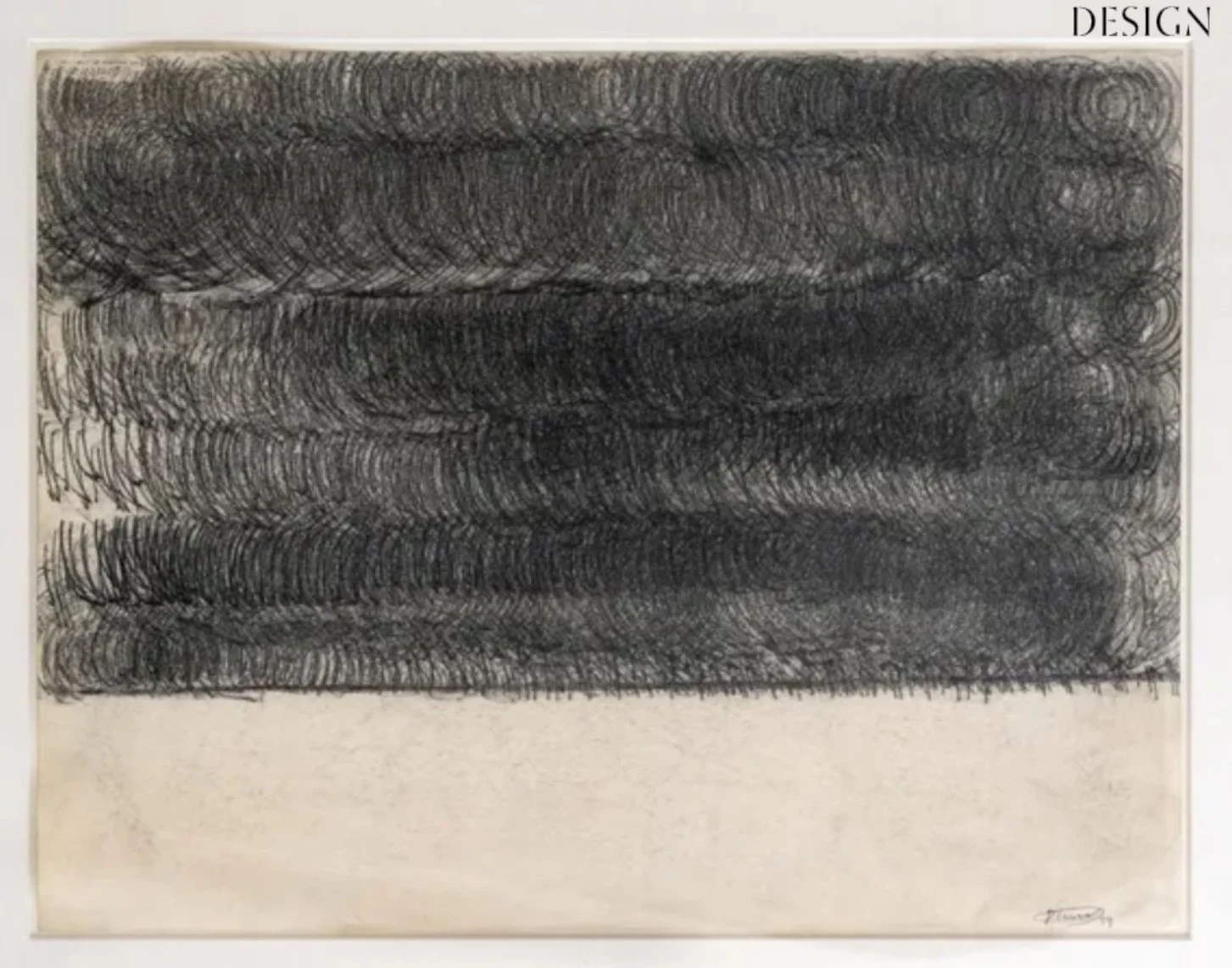
OTTO PIENE, untitled, 1959
Piene’s legacy lies in that rigor: his ability to convert the ephemeral into a precise visual system, and to make space itself think.In doing so, he altered the ontology of the image.
By Oona Chanel