

What Walking Actually Does to the Brain — and Why the Evidence Is Better Than You Think
The research on walking as a cognitive and emotional intervention has been accumulating for twenty years. It is more specific, more surprising, and more practically useful than the general wellness conversation around it suggests.

“Twenty minutes of walking before a cognitive task consistently improves the quality of the work that follows. The evidence is in the literature. The habit requires a street and twenty minutes and the willingness to leave the desk before the thinking feels ready.”
There is a specific kind of thinking that only happens when you are moving. Not running — the effort required redirects cognitive resources toward the physical task. Not sitting — the stillness meditation requires is a different state with different effects. Walking: the specific bilateral, rhythmic, low-effort activity that produces, in the brain, conditions that seated cognitive work cannot replicate and that most people have access to without equipment, membership, or a protocol.

The Stanford study from 2014 — published in the Journal of Experimental Psychology — found that walking increases creative output by an average of 81%, with the effect strongest for divergent thinking: the generation of multiple solutions to an open problem. The Oppezzo and Schwartz research was careful about one thing: it was the walking itself, not the environment, that produced the effect. Walking on a treadmill facing a blank wall produced the same cognitive benefit as walking outdoors.

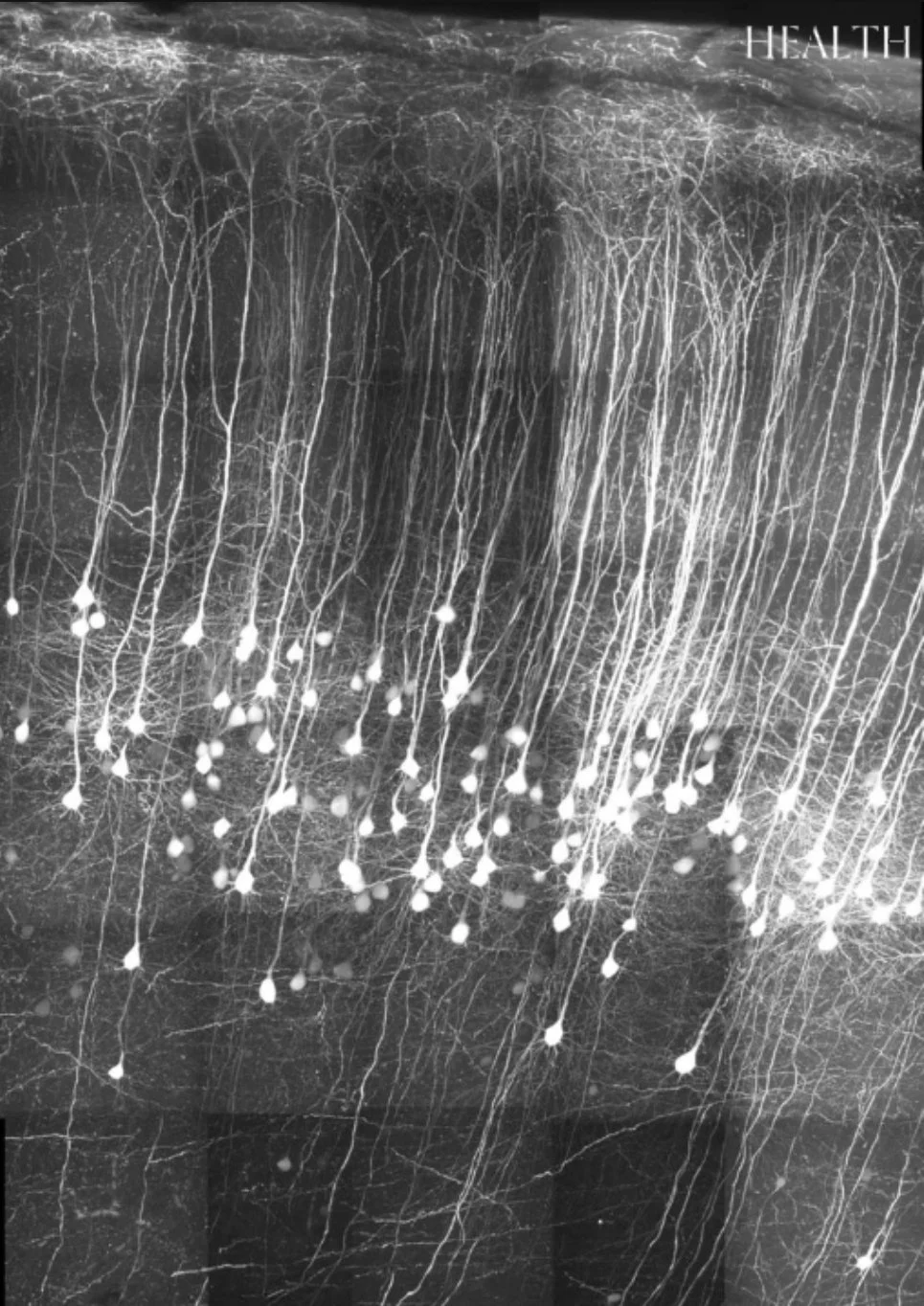
Subsequent research has expanded the picture. A 2019 study from the University of British Columbia found that regular aerobic walking increases the size of the hippocampus by approximately 2% — the brain region most directly involved in verbal memory and learning. The specific mechanism involves BDNF: brain-derived neurotrophic factor, a protein that promotes the growth and maintenance of neurons and that aerobic exercise produces more reliably than almost any other behaviour.
What is less discussed, because it is harder to quantify, is the specific quality of thought that walking produces. People who write long-form — novelists, essayists, philosophers — have described the relationship between walking and thinking for centuries: Nietzsche wrote that all truly great thoughts are conceived while walking, Aristotle taught while walking, Dickens was famous for walking twenty miles through London when he was stuck. The neuroscience now confirming a mechanism: the bilateral motor activity of walking produces a cross-hemisphere neural coordination associated with the integration of different types of information — the bringing together of what is known with what is not yet understood.
The emotional dimension is equally well-supported. Meta-analyses of walking interventions in mild-to-moderate depression find effect sizes comparable to antidepressant medication in some populations, with the advantage of no withdrawal effects and significant secondary benefits for cardiovascular health, sleep quality, and social connection when walking occurs with others.
The practical upshot is worth stating clearly: twenty minutes of walking at a comfortable pace, done before a cognitive task rather than after it, consistently improves the quality of the work that follows. The evidence for this is in the literature. The habit requires neither a gym nor a wellness programme nor a supplement. It requires a street and twenty minutes and the willingness to leave the desk before the thinking feels ready.

The thinking will be readier when you return.
The specific intelligence that walking produces — loose, associative, cross-referential, moving between problems rather than drilling into them — is precisely the intelligence that the seated, screen-focused, deadline-oriented working environment is worst at producing and most dependent on. The research is telling us something we already knew but keep forgetting: the best way to think is to move.
BY OONA CHANEL
