

Twenty questions with a musician who left architecture school to build something less permanent
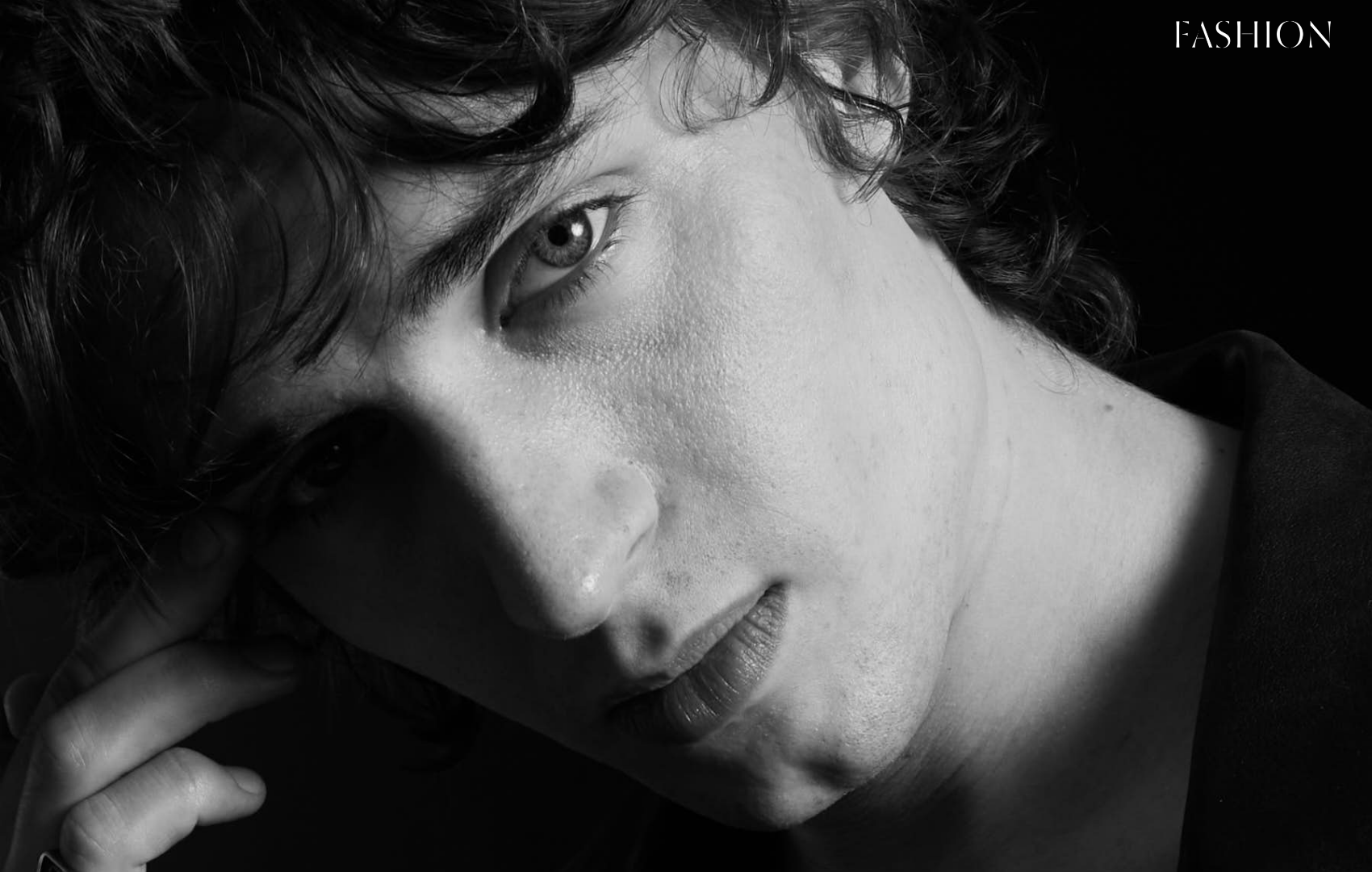
The more frontman on intuition over ambition, the versions of success that frighten him, and the still life he'd choose over a sentence.
Ask Malcolm McRae to distill his entire life into one image and he doesn't reach for the guitar, the tour bus, or the front row. He reaches for dinner: plated hamachi nigiri, jalapeño on top, a stack of Oreos off to the side, a chilled non-alcoholic Miller High Life. It reads less like a metaphor than an inventory, delivered with the at-ease, unbothered confidence of someone who has never once doubted his own taste.
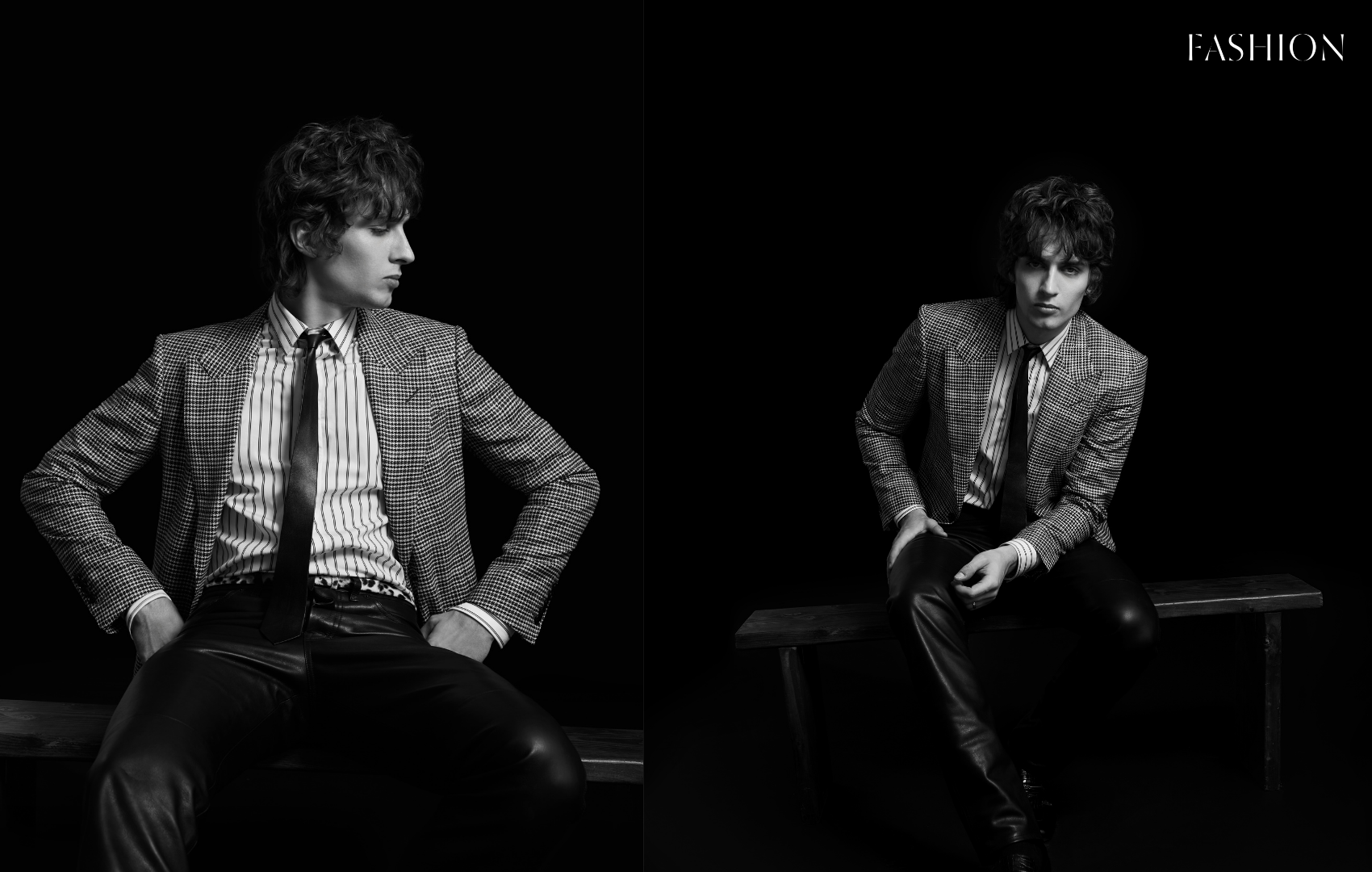
That certainty is the real subject of this interview. McRae has spent the better part of a decade making decisions that shouldn't have worked and watching them work anyway, and when you ask him why, he doesn't talk about ambition. He talks about intuition, the way other people talk about luck they've stopped questioning.
The pattern started with an exit. McRae was an architecture student in Alabama, competent enough, unconvinced by the life it promised, and he left before finishing. He arrived in Los Angeles with no plan sturdier than a feeling, and within a year was in a room with Jon Brion and Tony Berg, and across from Kane Ritchotte, a drummer newly out of Portugal. The Man. They met in Beachwood Canyon and wrote together for three years before releasing a single note of it — long enough to become more*, the two-man band that would sign to Warner Records, get produced by Berg at Sound City Studios, and go on the road behind Grouplove, Bad Suns, and HAIM before decamping to London to cut a debut album.
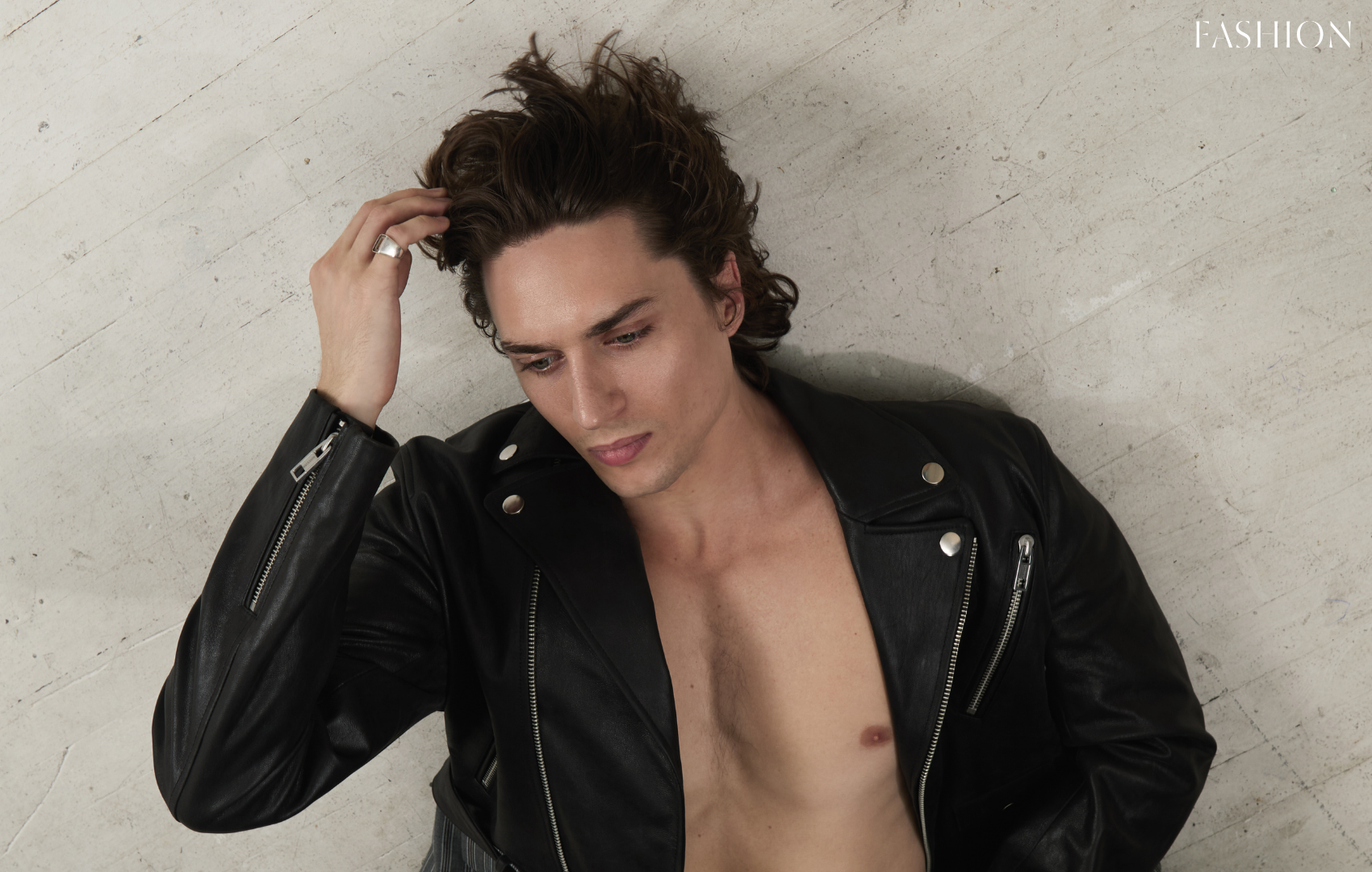
It is, on paper, the slow version of an overnight success. In conversation, McRae makes it sound inevitable — which is exactly the kind of thing you can only say once it's already happened.
The same instinct pulled him sideways into fashion, where he now sits for Dior, Celine, and BVLGARI, and onto the Paris menswear calendar, and in front of a camera for Amazon's Daisy Jones & the Six — none of it planned, all of it, in his telling, obvious in hindsight.
It's the throughline of everything he says below: the version of success that frightens him is the one with nothing left to reach for; the feeling he'd keep forever, if he had to pick just one, is trust; and the ordinary moment that changed his life wasn't a signing or a stage, it was working up the nerve to call a woman he'd barely met and ask her to dinner.
She's his wife now. He tells it like a man still slightly amazed the instinct held.
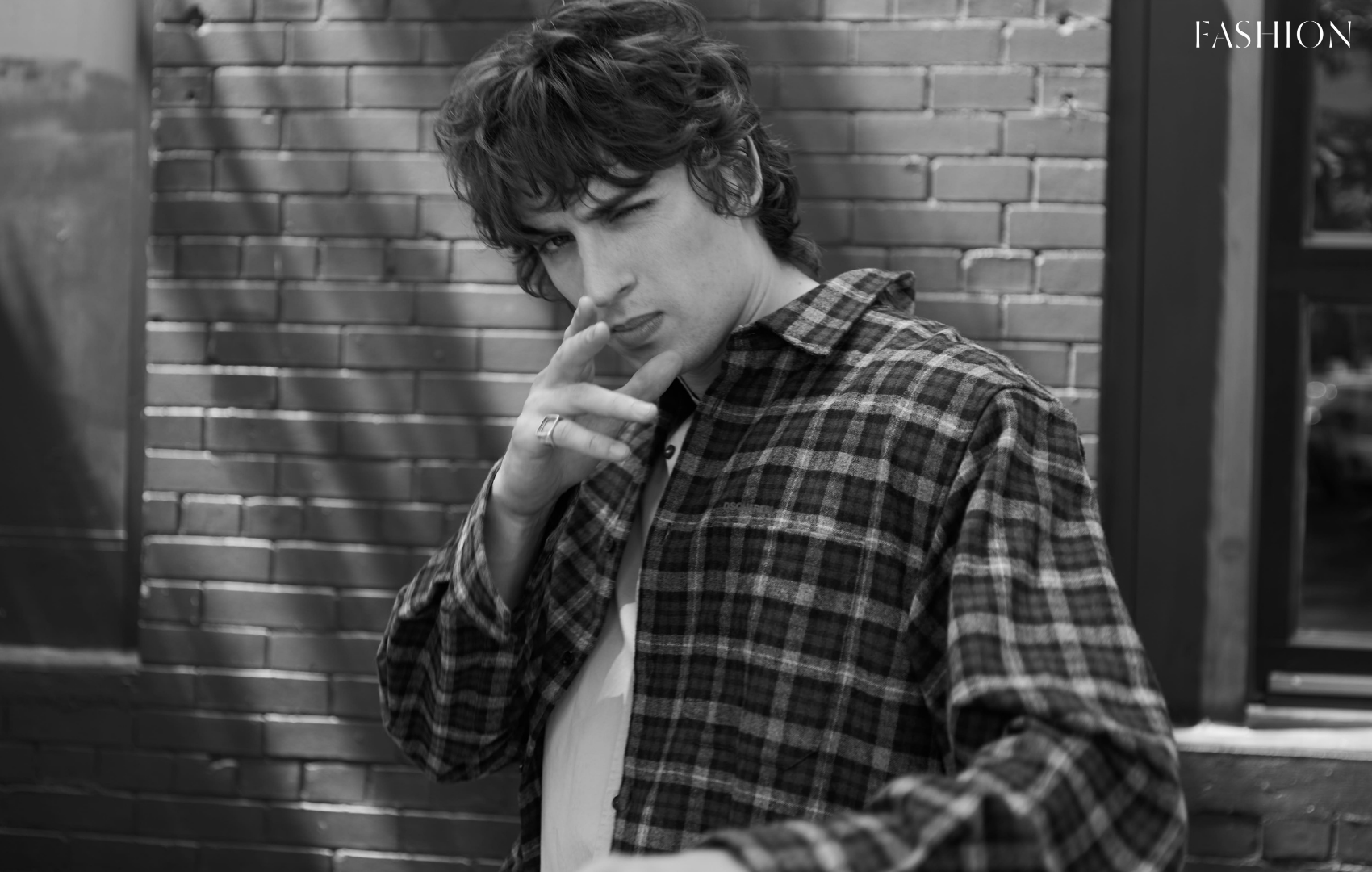
THE INTERVIEW
What follows are McRae's answers to twenty questions designed to get past the résumé — rendered, appropriately, with the same economy he brings to everything else. Nothing here is padded for effect. Ask him what's heaviest, or what he's still trying to prove, and he'll tell you in a sentence and let the sentence do the work.
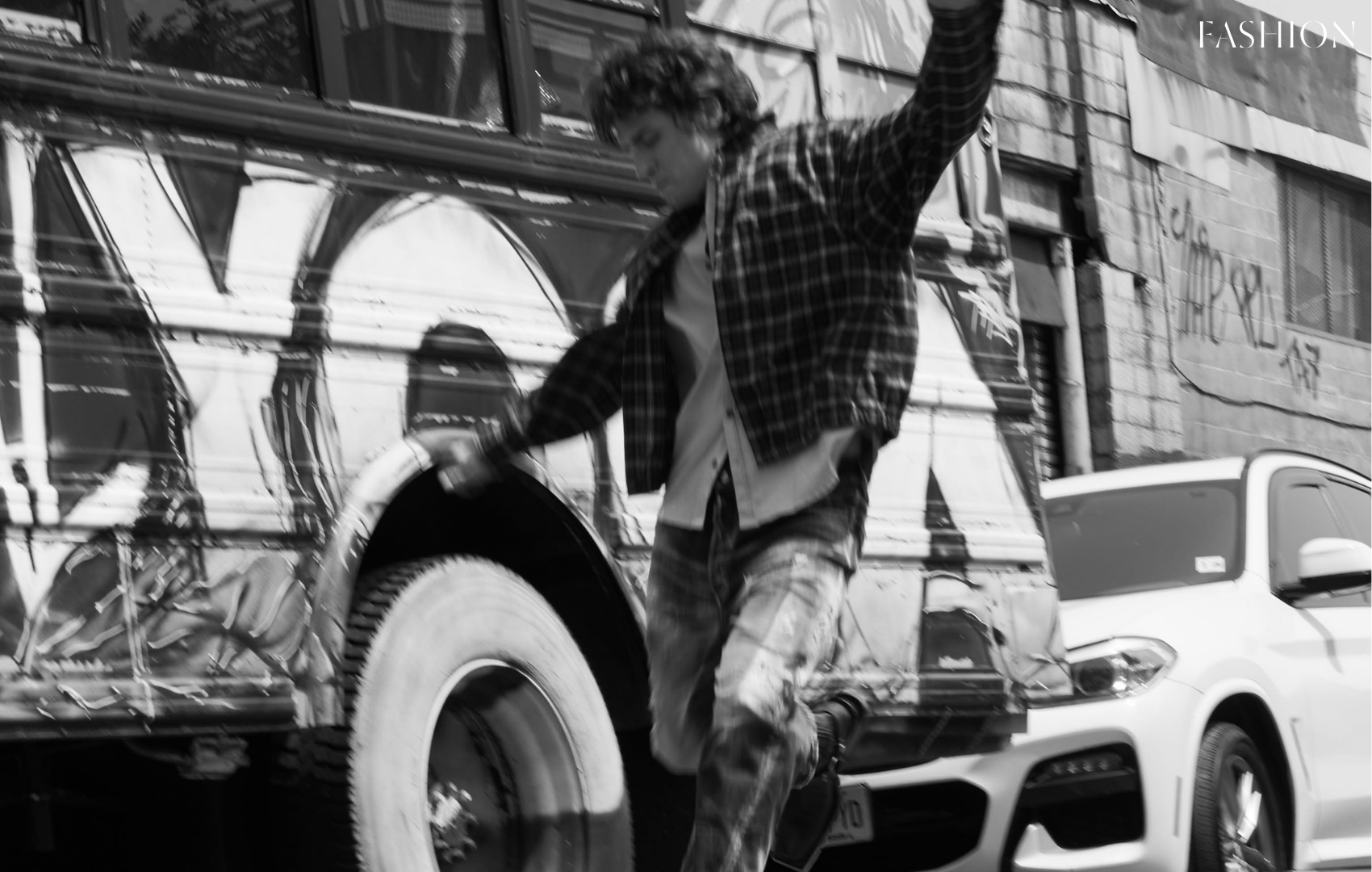
The band: more — McRae and Kane Ritchotte, Los Angeles. Debut EPs 1/2 (2020) and 2/2 (2021) via Warner Records, produced with Tony Berg at Sound City Studios. Toured with Grouplove and Bad Suns; supported HAIM's 2022 North American tour. Debut album recorded in London, 2023.
1. If your life were an old house, which room are you renovating right now?
Whichever room represents the fundamental values of the self. Is that the bedroom, since it's the most personal? Not so much renovating as taking stock, or organizing. I'm trying to get very clear with myself about my core principle values.
2. We often speak about chasing dreams, but what do you think your dreams are chasing in return? Do ambitions demand something back from us?
Dreams are probably chasing something like immortality. The name lives on. To be clear, that's not what I'm after.
3. Which version of success scares you the most?
The version where you get everything you wanted. When there's nothing left to reach for, purpose would be hard to find.
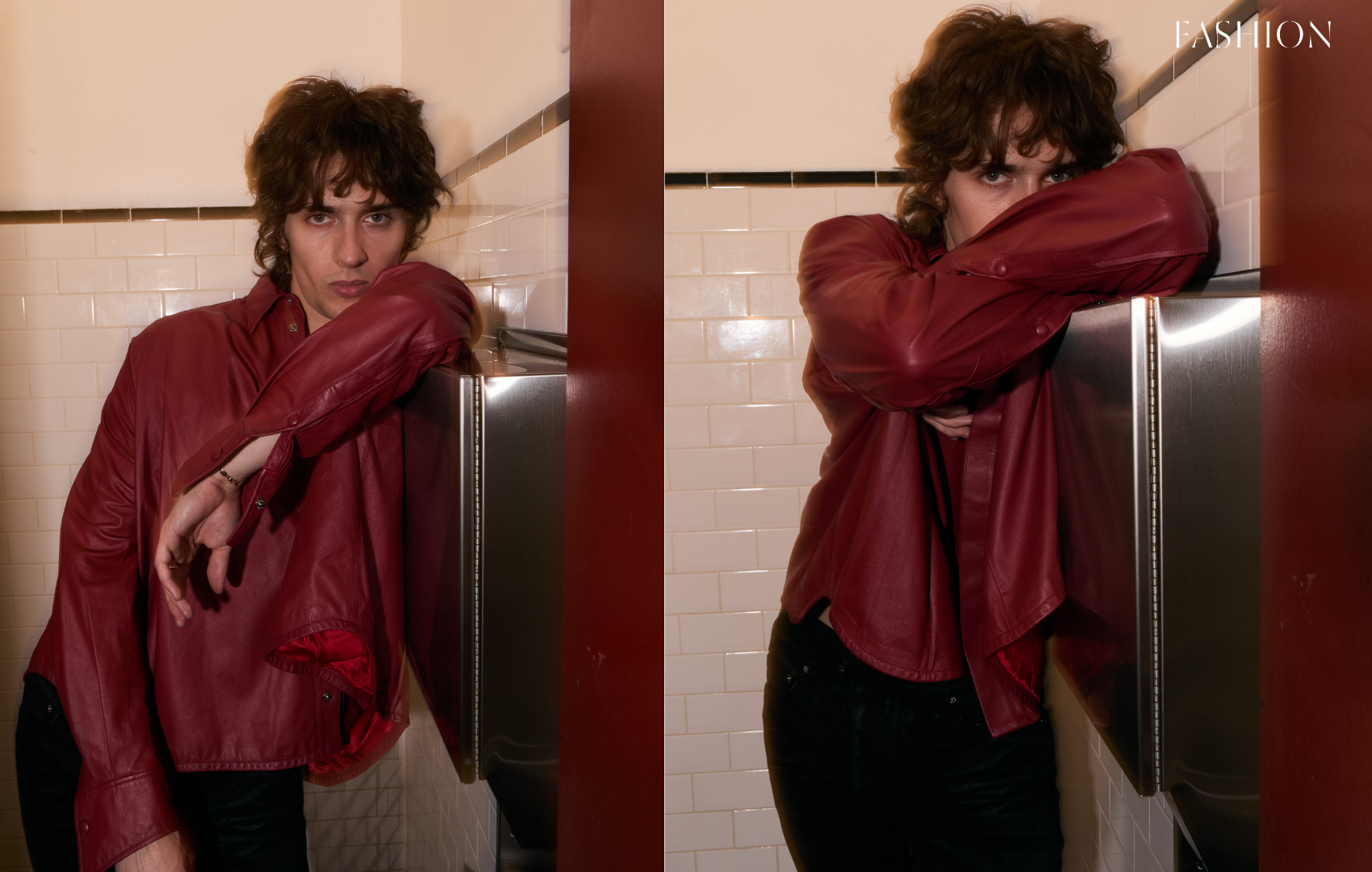
“The version where you get everything you wanted. When there's nothing left to reach for, purpose would be hard to find.”
McRae, on the success that frightens him most
4. If someone could read your thoughts for exactly sixty seconds, which minute would you never want them to choose?
I'm not sure what this means. I suppose the inevitable minutes when I'm doubting myself.
5. What belief did you once wear like armor that no longer fits?
Many. Hopefully we continue expanding and shedding throughout our entire lives.
6. What is the most beautiful thing you've learned from uncertainty?
To trust my intuition.
7. If your creativity were a person you had to live with, what would they be impossible about?
They'd be finicky about quite a lot. They'd try to express themselves perfectly every time.
8. What do you think silence knows about you that words don't?
Wisdom over emotion.
9. Is there something you are still trying to prove, and if so, to whom?
Of course. To myself.
10. Which emotion has been your greatest teacher this year?
Frustration.
NEARER THE BONE
11. If memories had physical weight, which one would be the heaviest thing you carry?
There's a specific memory I have in mind, but it'd be too serious for these purposes.
12. What ordinary moment unexpectedly changed the way you see your life?
Having the balls to call my wife and ask her on a date, after having recently met her.
13. If you could preserve one feeling forever — not a moment or a memory, but a feeling — which would it be?
I'm partial to the introspection associated with melancholy. But if feeling one thing forever, I'd like it to be trust. The combination of caring, competency, and commitment.
“I'd like it to be trust. The combination of caring, competency, and commitment.”
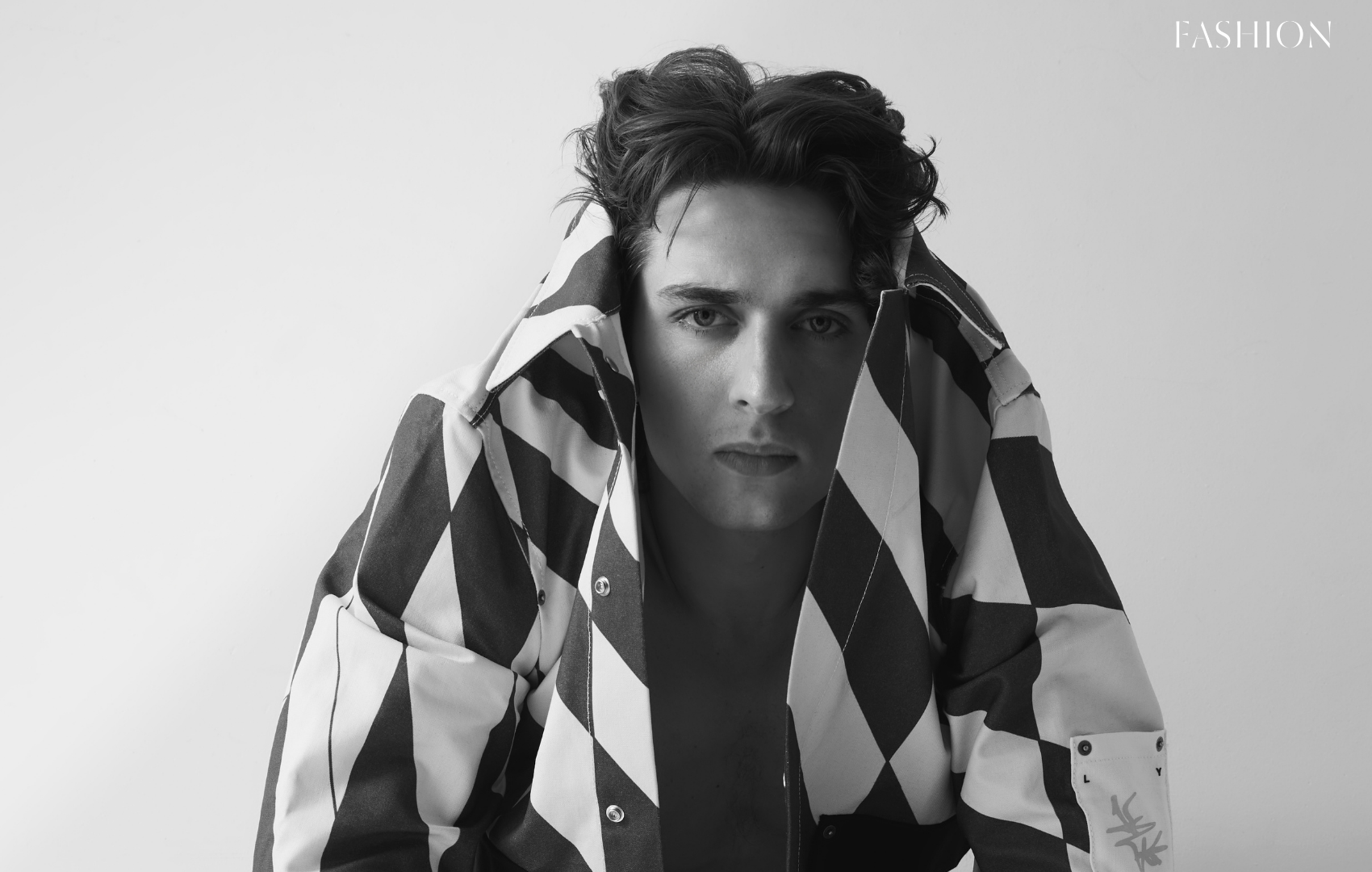
McRae, on the one feeling he'd keep forever
14. What kind of person do you hope strangers imagine you are after you've left the room?
“Ooooh, he's mysterious and super strong and a genius.”
15. Which parts of yourself have become quieter with age, and which have become louder?
Again, I think it'd be that I've allowed my intuition to guide my creative efforts more as I age. I'm less in need of approval outside of my own tastes, though that's not to say that's completely absent.
16. If your mind had a landscape, what would we find there right now — mountains, forests, deserts, oceans?
I'm in an exploratory phase, so maybe several landscapes at once, attempting to find the next direction to pursue. I like mountains and forests the best, though.
17. What do you protect most fiercely that nobody would guess about you?
Loyalty.
18. If fear and intuition sound similar, how do you tell them apart?
I think fear is an excitable energy that is very tense. It's useful sometimes. But trusting intuition can feel like emotional expansion.
Often when I feel I'm onto a good idea, or a truthful one, I have the impulse to tear up for a split second, because it feels like relief.
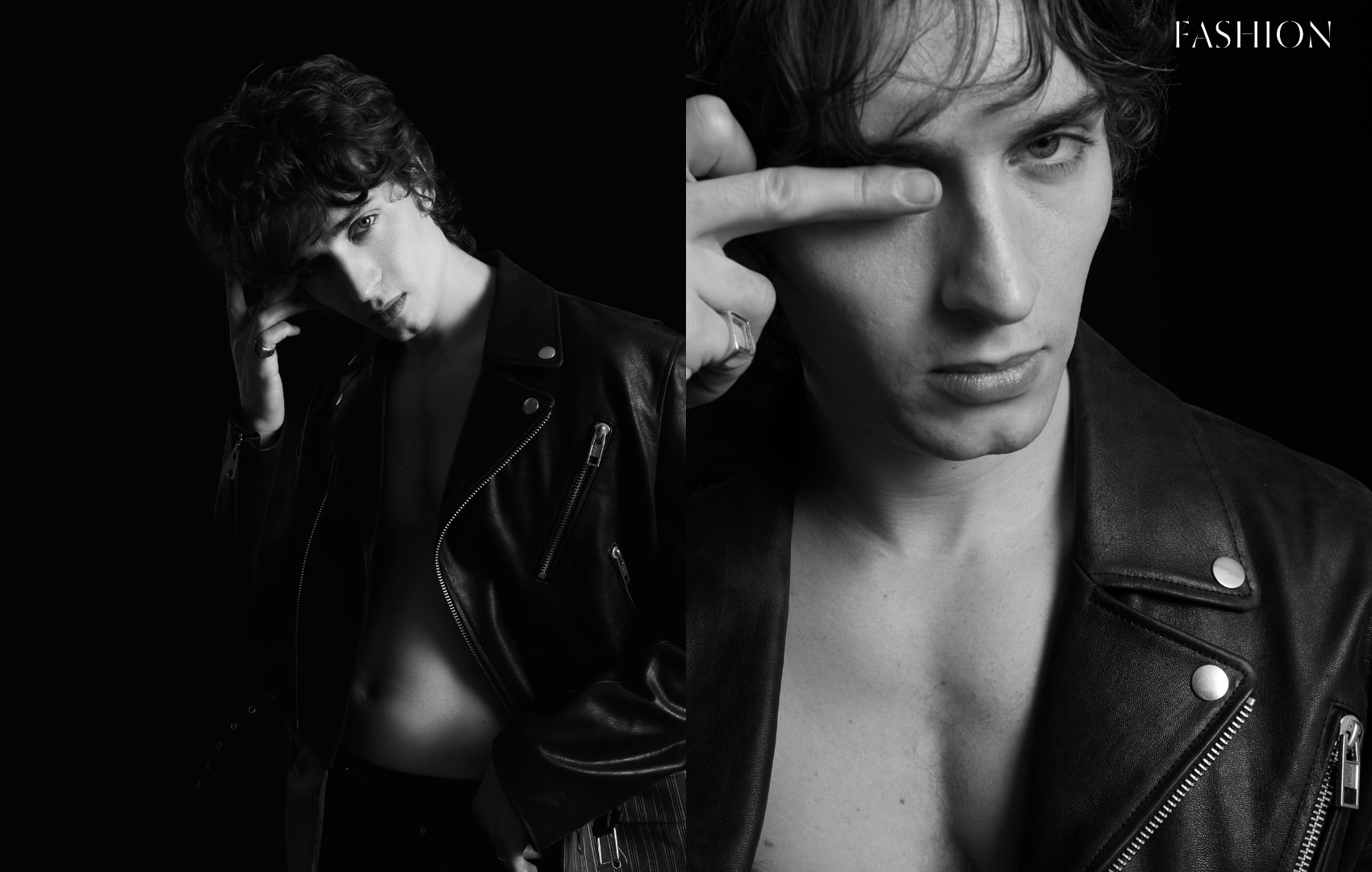
“Fear is an excitable energy that is very tense. Trusting intuition can feel like emotional expansion.”
McRae, on telling the two apart
19. If your entire life could be distilled into one image rather than one sentence, what would that image be?
A still life of plated hamachi nigiri with jalapeño pepper on top, a stack of Oreos off to the side, and a chilled non-alcoholic Miller High Life.
20. Imagine meeting yourself at eighty years old. What question would you ask first, and what answer would you hope to hear?
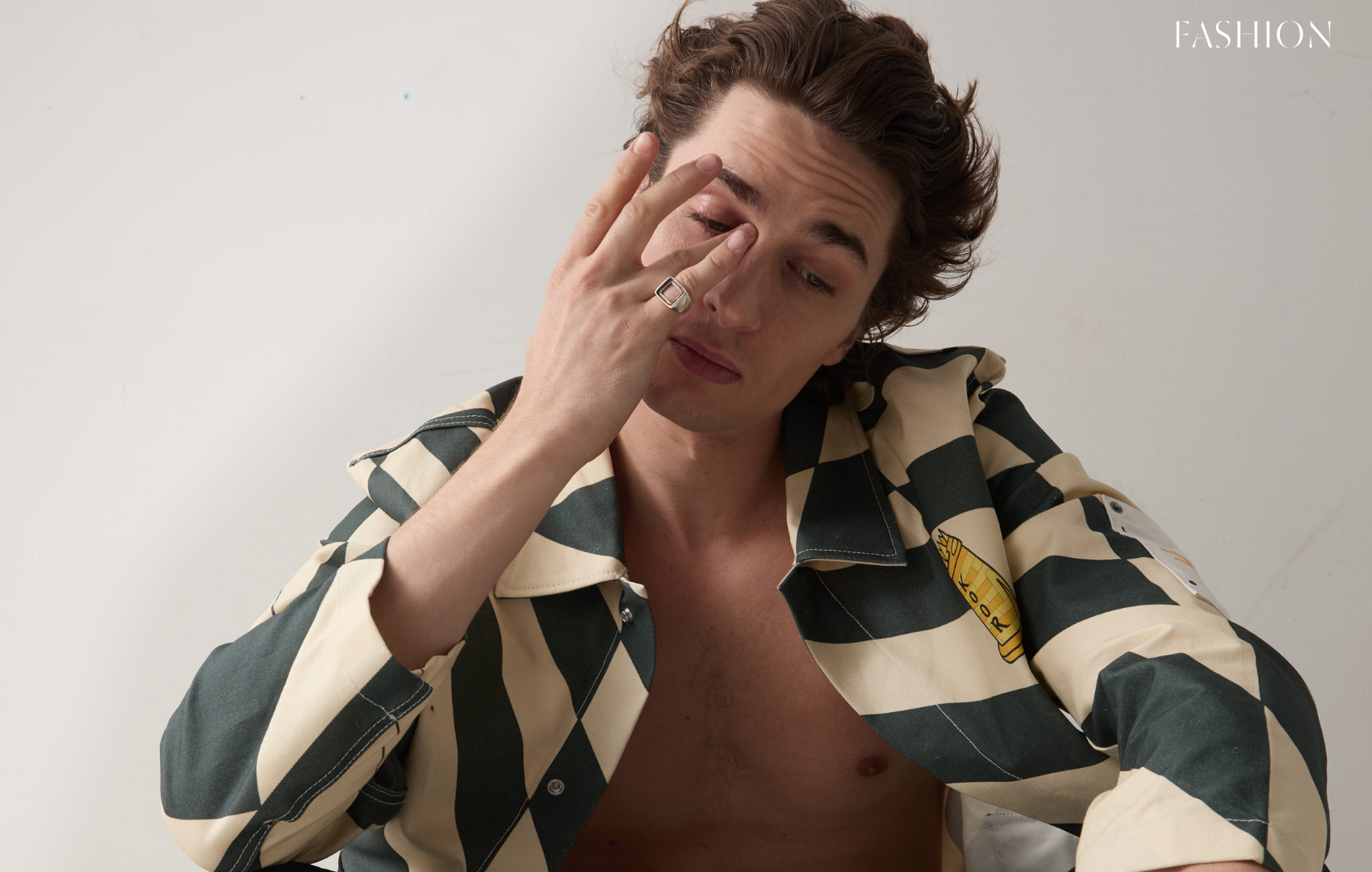
I think we all inherently know the way to live a good life. It's less focus on work and surface-level worries, and more time with those we love, doing things we very much enjoy. Continuing to be curious throughout all of it.
McRae's answers keep circling back to the same instrument — intuition, trusted a little further each time he uses it — which tracks for a man who left one discipline for another on faith that it would hold his weight.
It has, so far.
What's notable is how little armor he's built around the bet: no polished ambition, no tidy narrative about the sacrifice it took. Just a still life of hamachi nigiri, Oreos, and a Miller High Life, offered up as the truest sentence he could write about his own life.
It is, on reflection, a better answer than most people give with an entire memoir.
BY OONA CHANEL
