

The Case for a Simpler Morning Ritual — and What to Actually Keep
The reduction of a beauty routine is not minimalism as a trend. It is the application of what the skin science is saying to the specific conditions of your life. Here is how to do it with intelligence rather than deprivation.
“The product that says it supports barrier function is, in most cases, supplementing a barrier capable of supporting itself — at the cost of the pH shift the product's application produces. The skin, given space to regulate itself, tends to improve.”
The most consistent conversation in high-level skincare practice right now is about subtraction. Not because the ingredients being removed are ineffective — retinoids work, vitamin C works, well-formulated SPF works — but because the combination of these ingredients, applied daily in the sequence most routines require, is producing, for a significant proportion of the people practising it, a chronic low-grade disruption of the skin's own regulatory intelligence.
The practical question — the one worth answering usefully rather than theoretically — is not whether to simplify but how. Which elements of a routine are genuinely earning their place and which are present because the routine was assembled by addition rather than by design?
Start with what the skin does that no routine needs to do for it. The skin regulates its own pH, produces its own natural moisturising factor, maintains its own microbiome, synthesises its own ceramides. All of these functions are more efficient and more intelligent than any topical product that claims to replicate them, in a skin that is not significantly compromised. The product that says it supports barrier function is, in most cases, supplementing a barrier capable of supporting itself — at the cost of the pH shift the product's application produces.
The three things that deserve to stay in almost every routine: a gentle cleanser used once daily in the evening, to remove the day; a moisturiser chosen for texture rather than its ingredient list (the most important quality is whether it sits well on the skin without occluding it — the ceramide content and hyaluronic acid percentage are secondary to this); and SPF applied every morning to exposed skin.
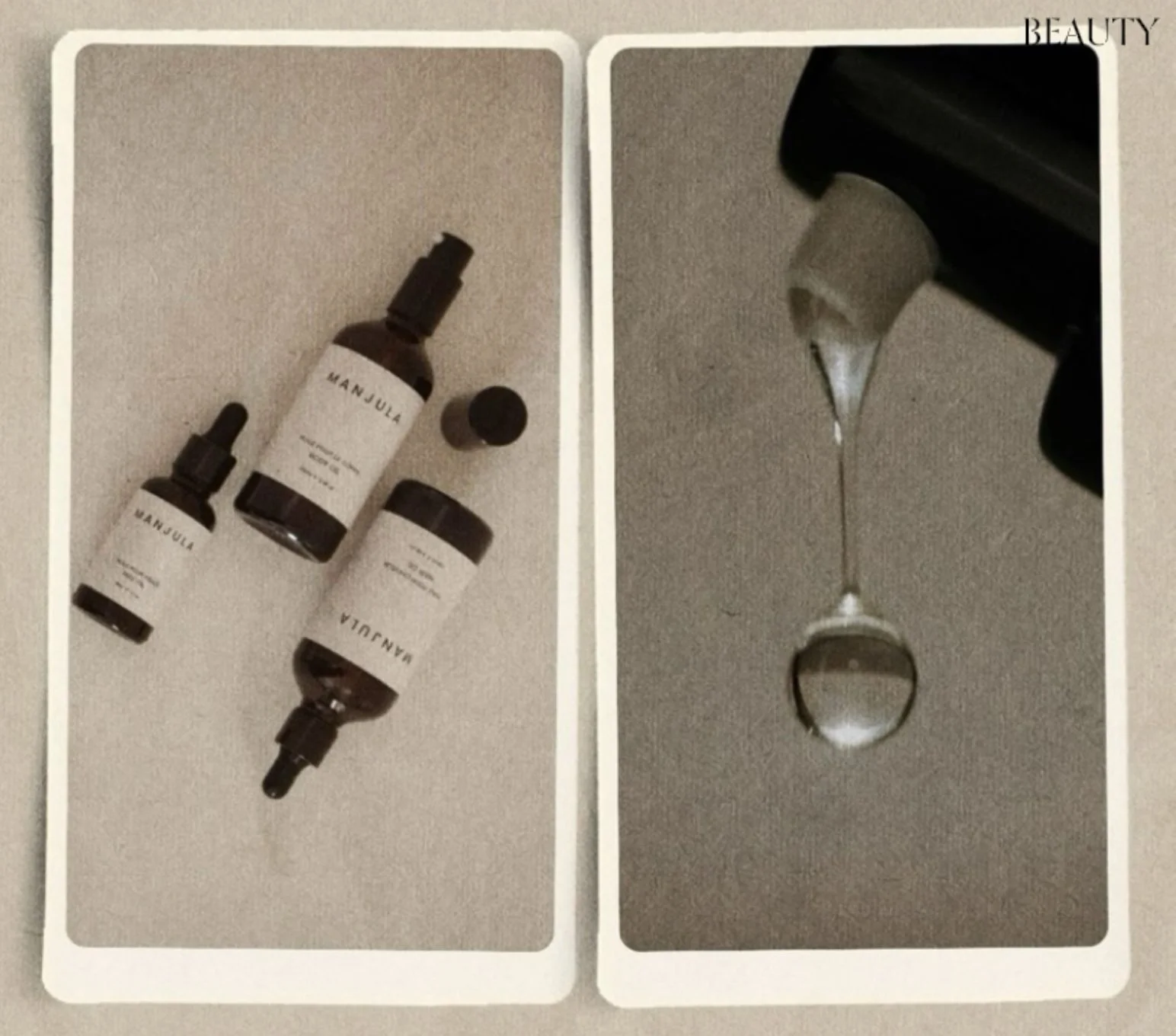
The things that deserve to stay if your skin is specifically requesting them: a retinoid, used two to three times per week rather than daily — the frequency that produces the clinical benefits without cumulative disruption; and a targeted treatment for a specific concern, applied to the specific area.
The things most often present without earning their place: toners (they rebalance a pH that your cleanser disrupted — if your cleanser doesn't disrupt your pH, you don't need the toner); essence layers (in most Western skin types, these add hydration the moisturiser provides anyway); eye cream (a gentle version of your regular moisturiser, applied carefully, does the same job in most cases).
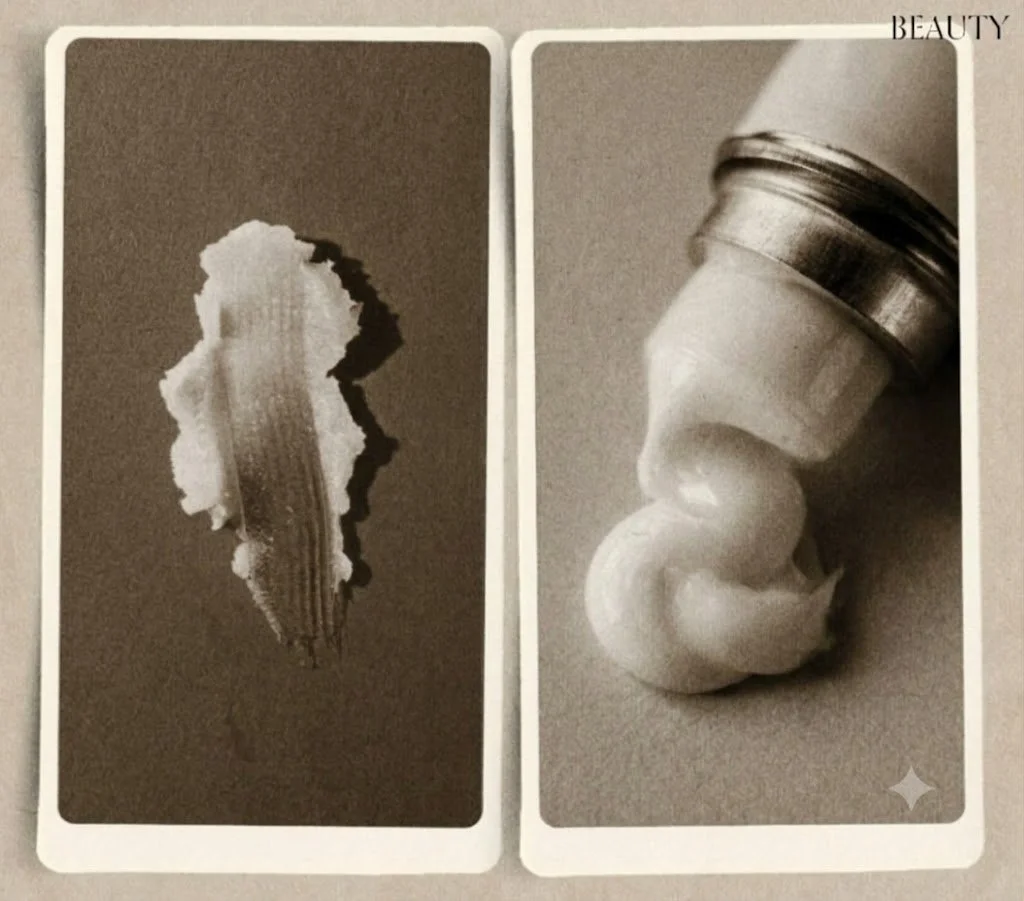
The morning ritual that the skin science supports, stated plainly: rinse with water. Apply moisturiser. Apply SPF. Three steps. Two to three minutes. The evening ritual: gentle cleanse. Active treatment if using one. Moisturiser. The rest of the thirty minutes you were spending is available for something else.
The skin, given the space to regulate itself, tends to improve. This is not minimalism as a philosophy. It is what the research says. The philosophy is whatever you make of the extra twenty-five minutes.
BY OONA CHANEL
