

Hair as History: The Untold Story of What Women Do to Their Hair and Why It Matters
From the elaborate architecture of the French court to the political defiance of natural Black hair movements, what we do to our hair is always a statement about something larger than hair.

Hair Cocoon Photography
“There is no neutral Black hair choice in America. Every choice is made in relation to a set of structural pressures. The decision to wear natural hair to a job interview is not simply an aesthetic decision. It is a political act in a context constructed, over centuries, to make it so.”
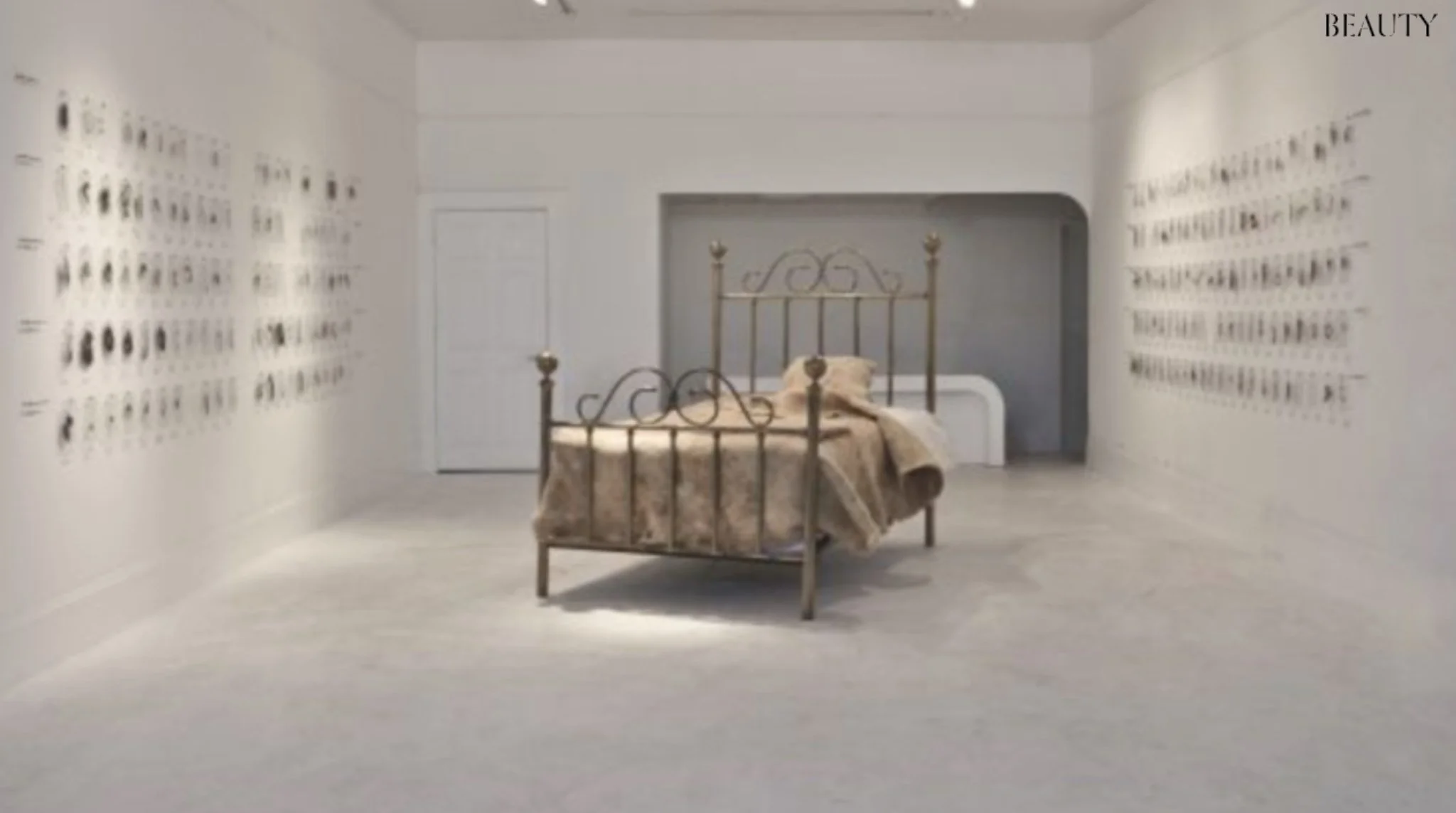
Adrian Pepe- Hair bed
When Marie-Antoinette's hair was shaved off on the morning of her execution, the act was understood by everyone present to be a form of erasure. Not of her beauty, which had always been secondary to her political meaning. Of her power. Her hair — which had been, at its most elaborate, a monument to the absolute: towers of powdered and sculpted grey reaching fifty centimeters above her head, decorated with feathers, flowers, model ships, and, in one documented instance, a scene from a recently won military campaign — had been one of the most legible symbols in the political language of the ancien régime. To remove it was to remove a language.
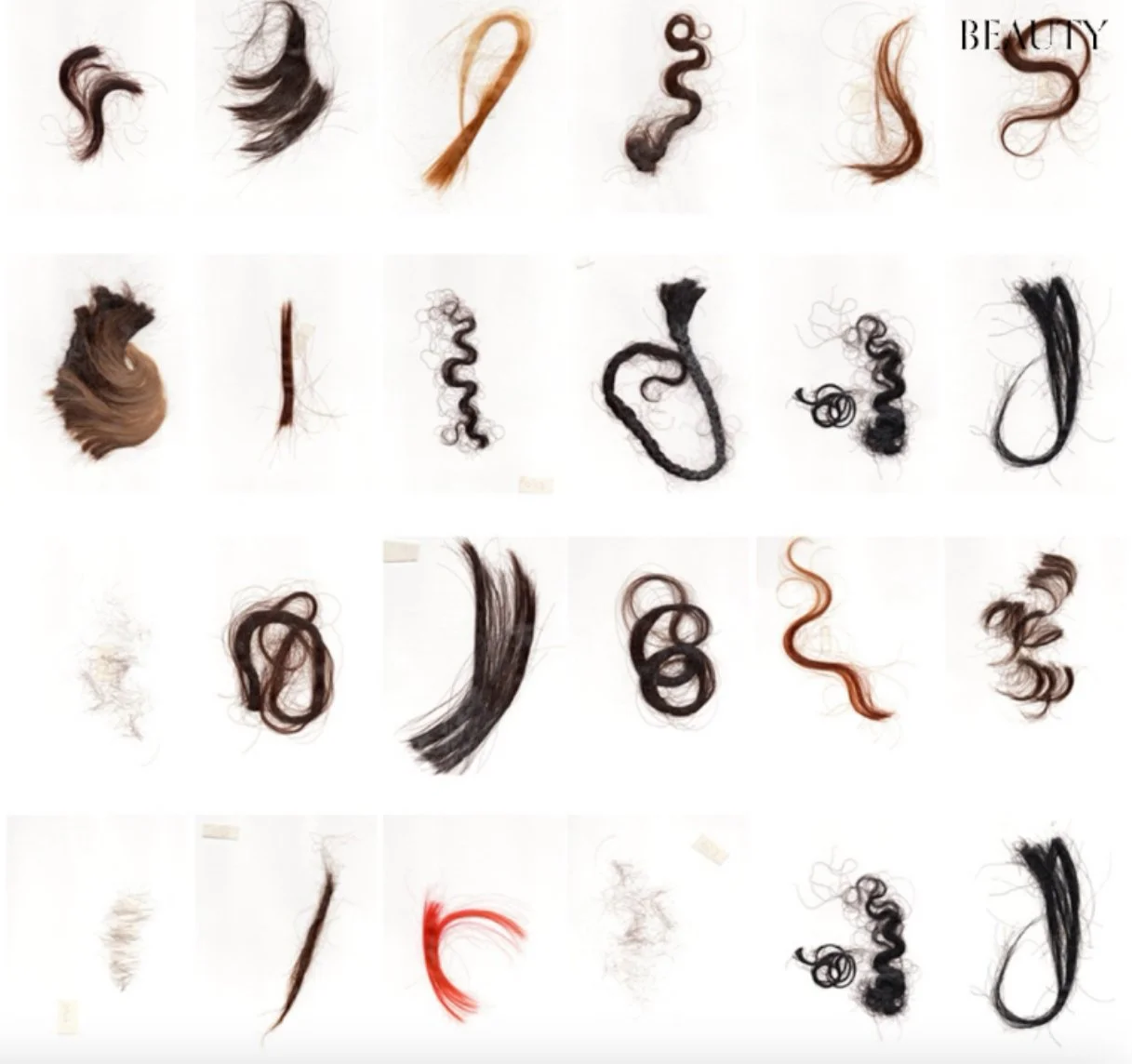
Adrian Pepe
Hair has always been political in ways that the beauty industry acknowledges only occasionally and the historical record documents consistently. The powdered wigs of the European aristocracy. The cropped hair of the flapper as the shorthand for an entire reordering of female public life. The elaborately maintained natural hair of the Harlem Renaissance as a reclamation of aesthetic authority. The Afro as a statement so unambiguous in the late 1960s that Angela Davis's silhouette became a political symbol understood without caption across six continents. The relaxed hair of mid-century Black American professional life as a document of accommodation and the structural violence of beauty standards.
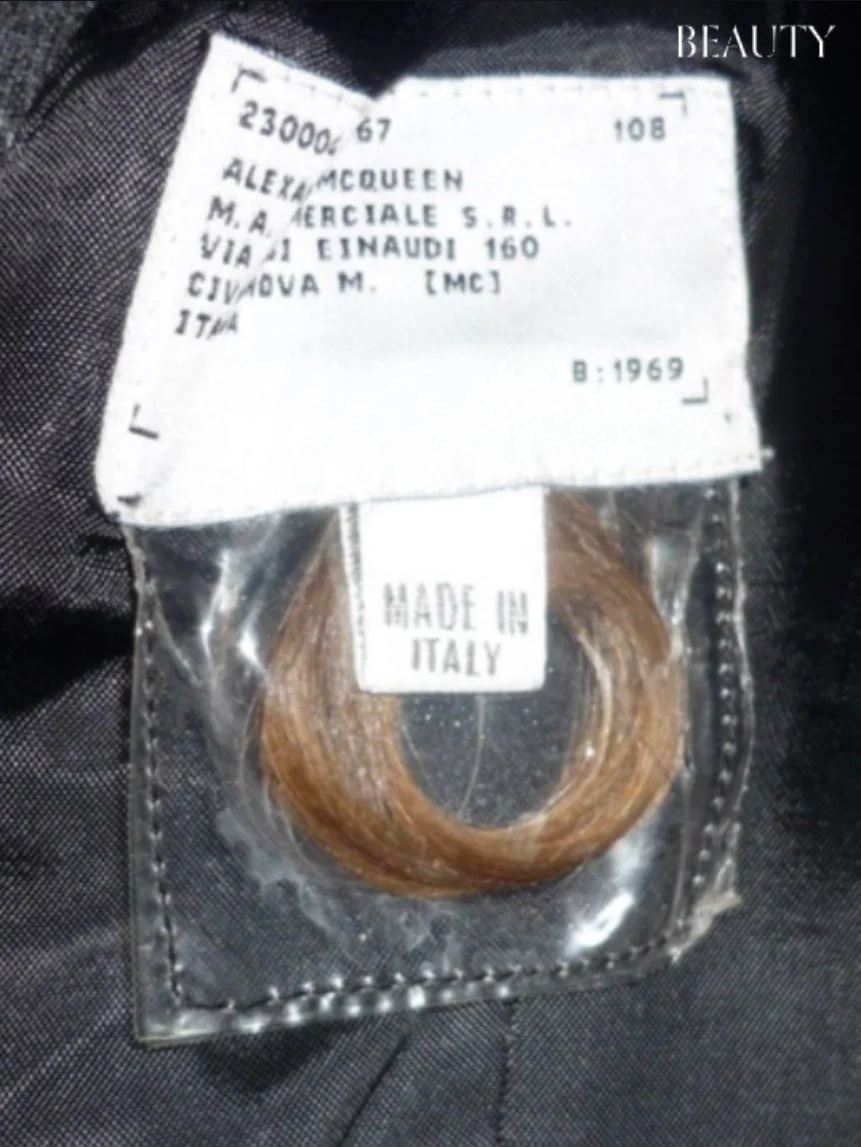
Alexander McQueen 1992 “Hair Labels
We spoke with six historians, anthropologists, and hair practitioners across four countries about what hair does in culture — how it communicates, what it claims, what it costs.
Dr. Lanita Jacobs, whose anthropological research focuses on the politics of Black hair in America, describes the weight of the conversation with a precision that comes from decades of documentation: "There is no neutral Black hair choice in America. Every choice is made in relation to a set of structural pressures that are, in some contexts, legal and employment-related in their consequences. The decision to wear natural hair to a job interview in 2026 is not simply an aesthetic decision. It is a political act in a context that has been constructed, over centuries, to make it so."
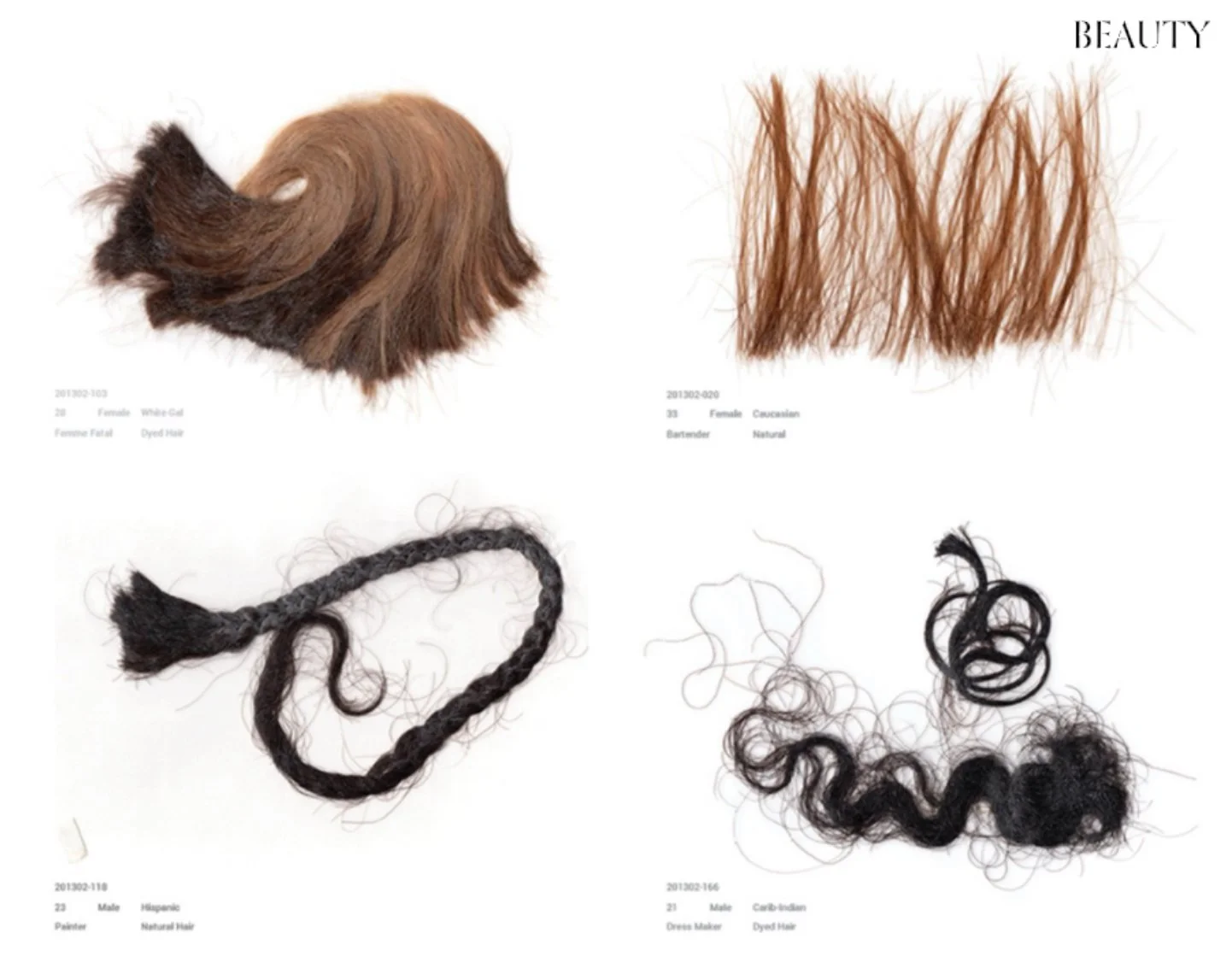
Adrian Pepe
The CROWN Act — which prohibits discrimination based on hair texture and natural hairstyles in the United States — has passed in several states but remains contested at the federal level. The existence of the legislation is the evidence of what it addresses: that what a Black woman does with her hair has been, and in many contexts remains, a criterion on which her access to economic opportunity is evaluated.
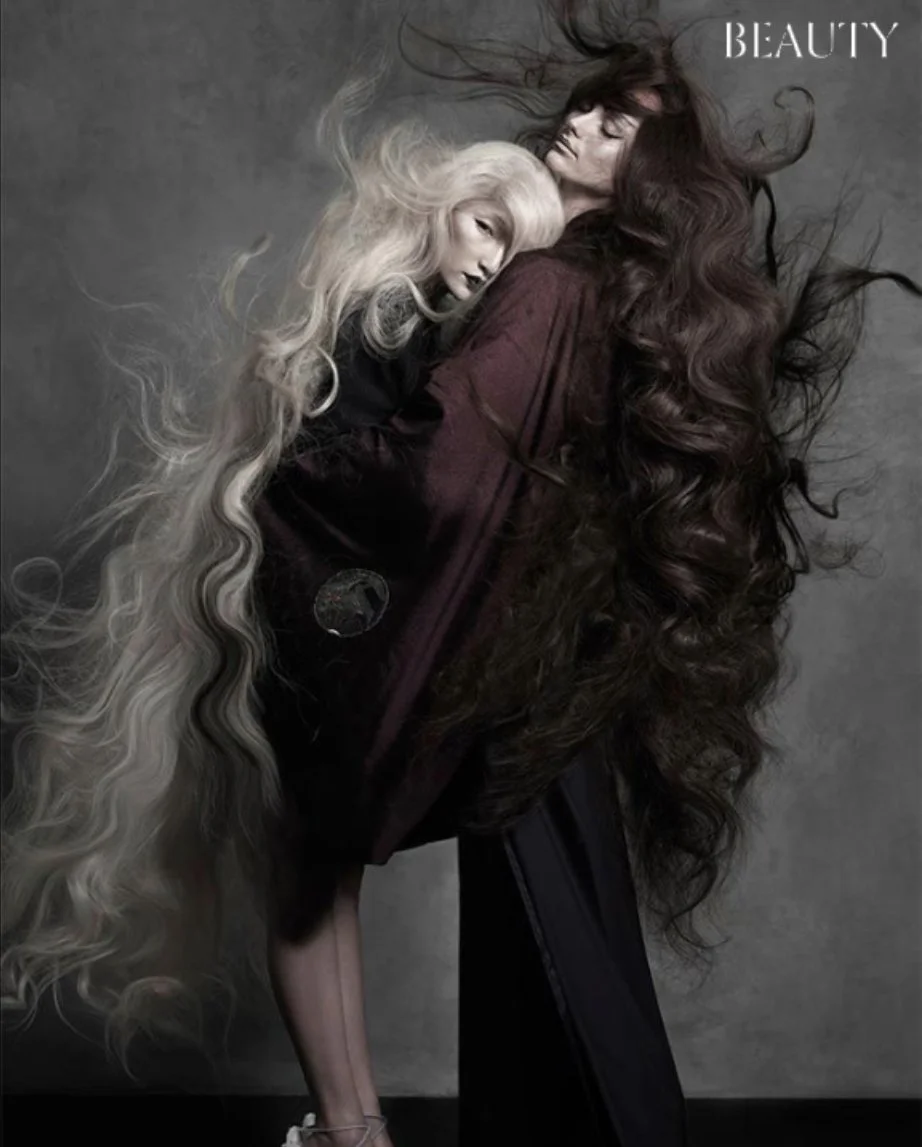
In Japan, the history of hair is different but equally dense with meaning. The elaborate shimada hairstyles of the Edo period — their specific variations indicating marital status, social class, and the context of the wearing — were a complete social grammar worn on the head. The meiji-era shift to Western hairstyles was not cosmetic. It was a statement of modernization that had the specific political meaning of the period: a deliberate departure from the visual language of a feudal system being actively dismantled.
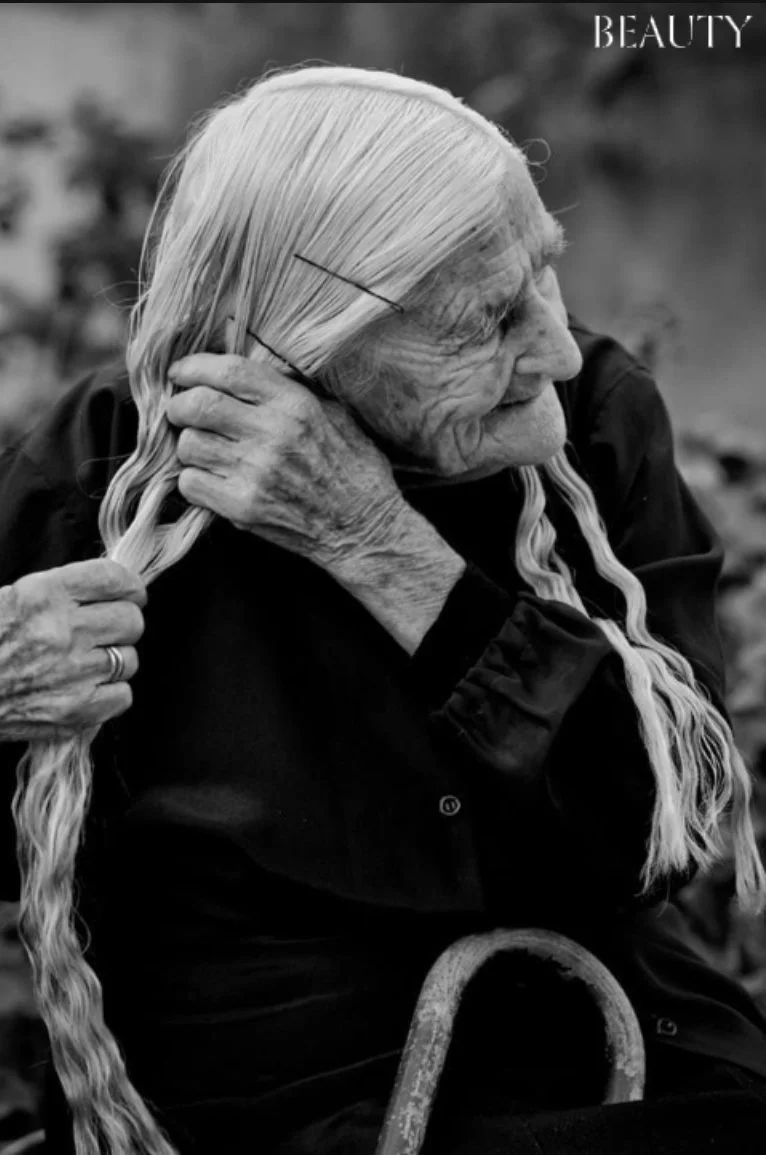
The contemporary story runs through the natural hair movement, the protective styles of the 2010s, the pandemic's relationship to hair practice — the long months at home that became, for many people, the period in which they stopped performing the version of themselves that professional life required and discovered something else — and into the current moment, in which the conversation about hair is being conducted, particularly by young people, with a sophistication about its political dimensions that previous generations had to develop in less legible terms.
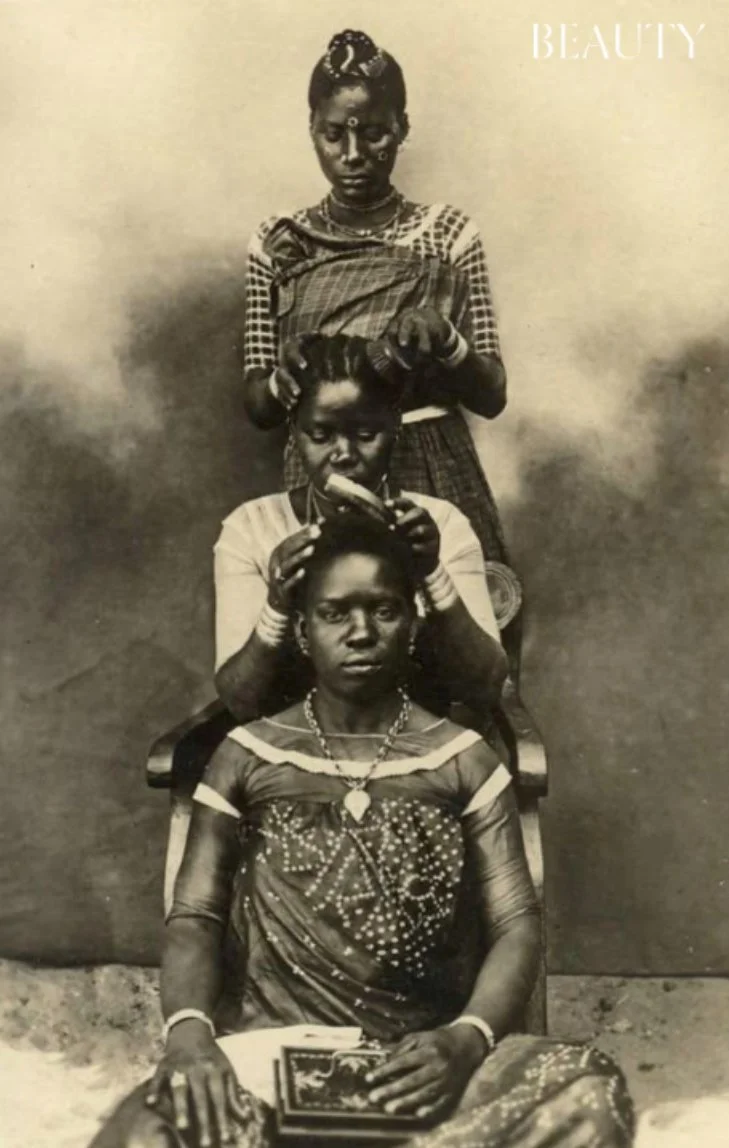
The hairdresser Christiaan, who styled for Vogue throughout the 1970s and 1980s and remains one of the most respected practitioners in the field, speaks about hair with the considered affection of someone who has been in close physical relationship with the material of human self-expression for fifty years: "Hair is the most personal thing there is. It grows from your body. It changes with your health, your age, your stress. It carries, literally, the chemical trace of your life. When I cut someone's hair, I am not changing their style. I am participating in their ongoing conversation with who they are."
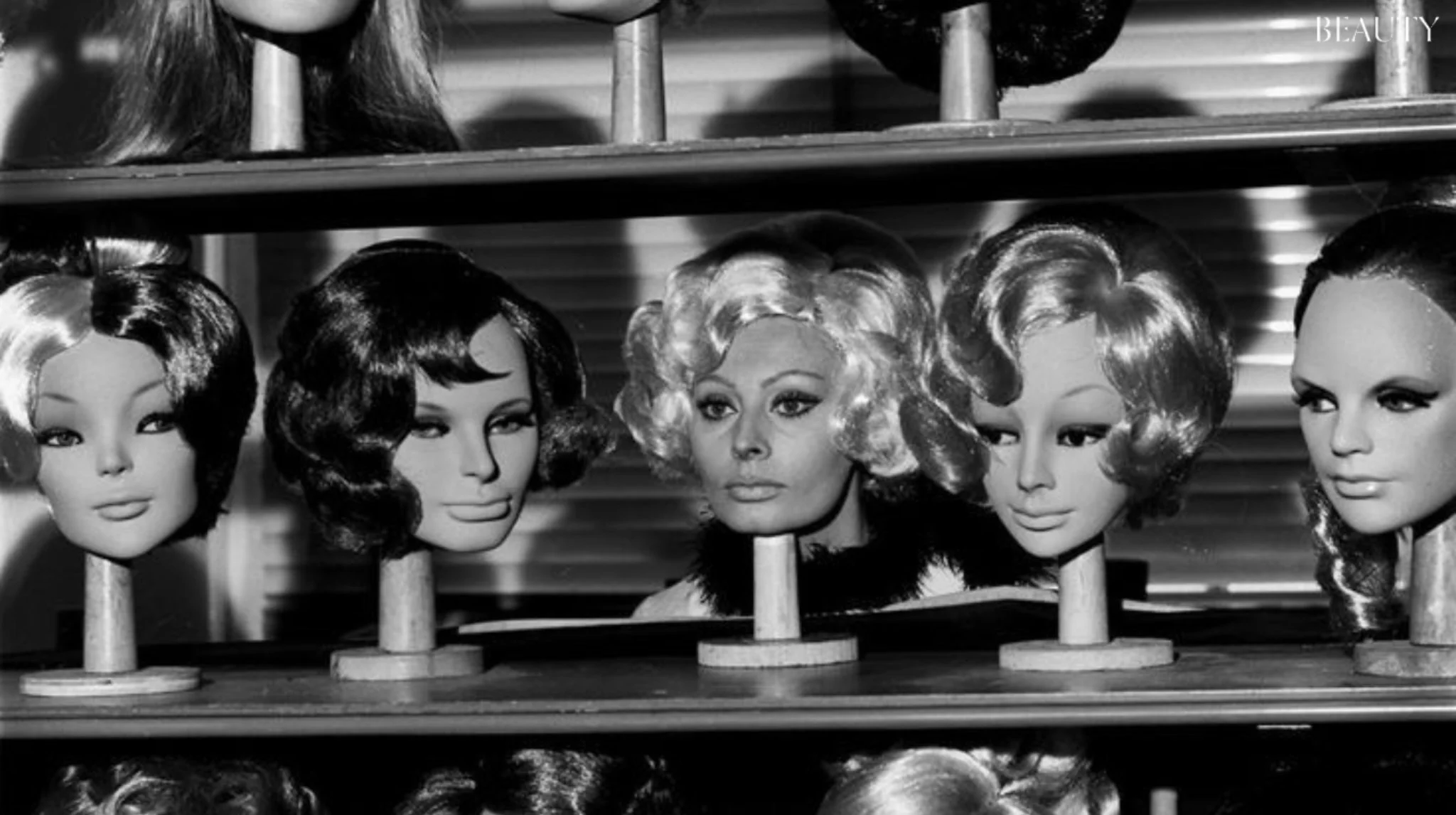
This is what the beauty industry finds difficult to hold and what the cultural record documents consistently: that hair is never just appearance. It is identity, memory, politics, loss, claim, and the ongoing negotiation between the self you were born with and the self the world wants you to perform. Every haircut is a position. Every color change is a decision. Every woman who walks into a salon, or who puts down the flat iron, or who lets the grey grow, is making a statement in a language as old as power.
BY OONA CHANEL
