

She photographed the same kitchen table across an entire series and produced one of the defining works of American photography. She made films, public installations, and operas. She received the MacArthur Fellowship and the US Department of State Medal of Arts. Author on a practice that has not finished expanding.
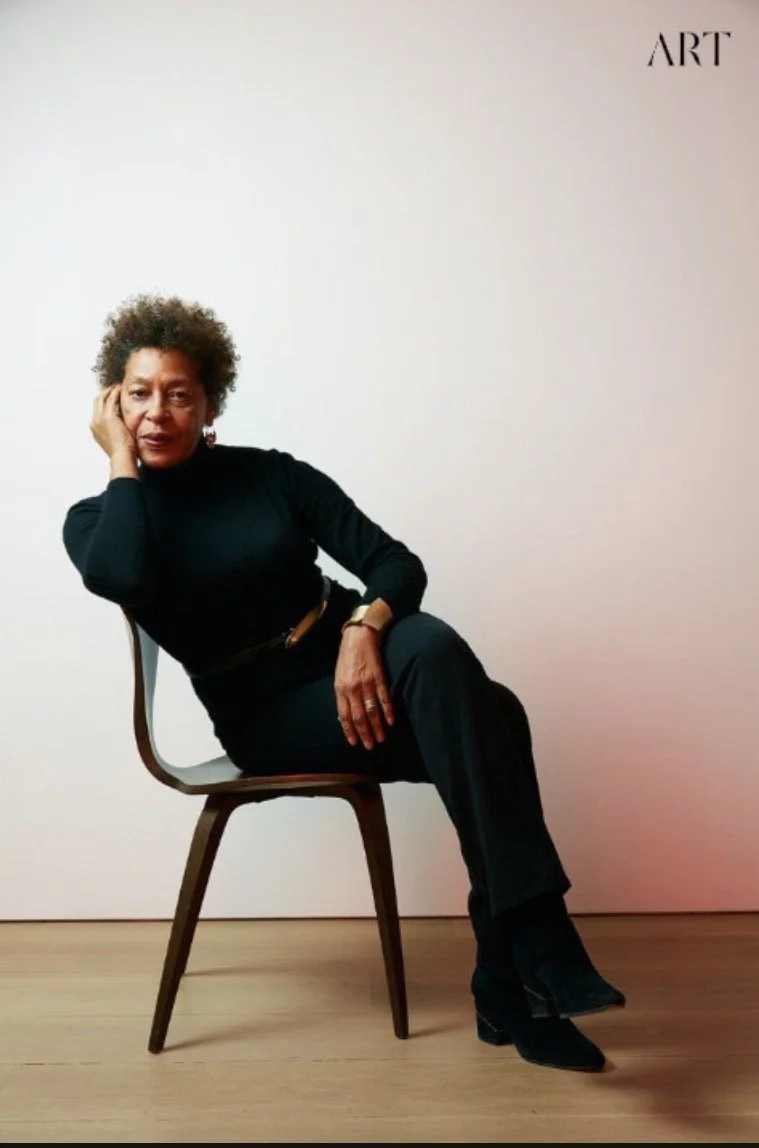
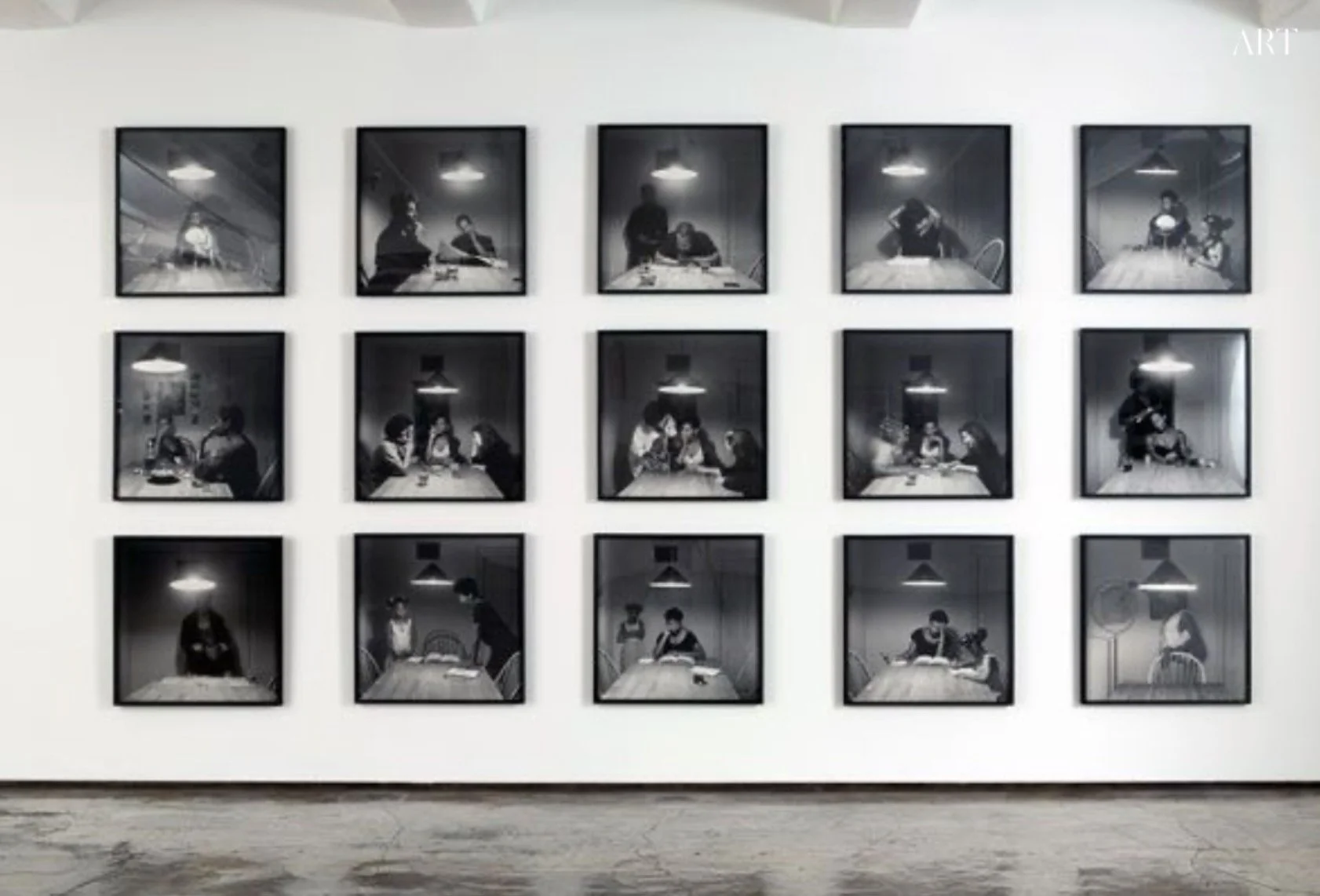
"The Kitchen Table Series is twenty images made over two years in the artist's own kitchen. It is among the five or ten most significant bodies of work in American photography. The problem is that it has made it possible to know Weems's work without knowing her work. The practice that followed is as ambitious and as specific, and it is less known."
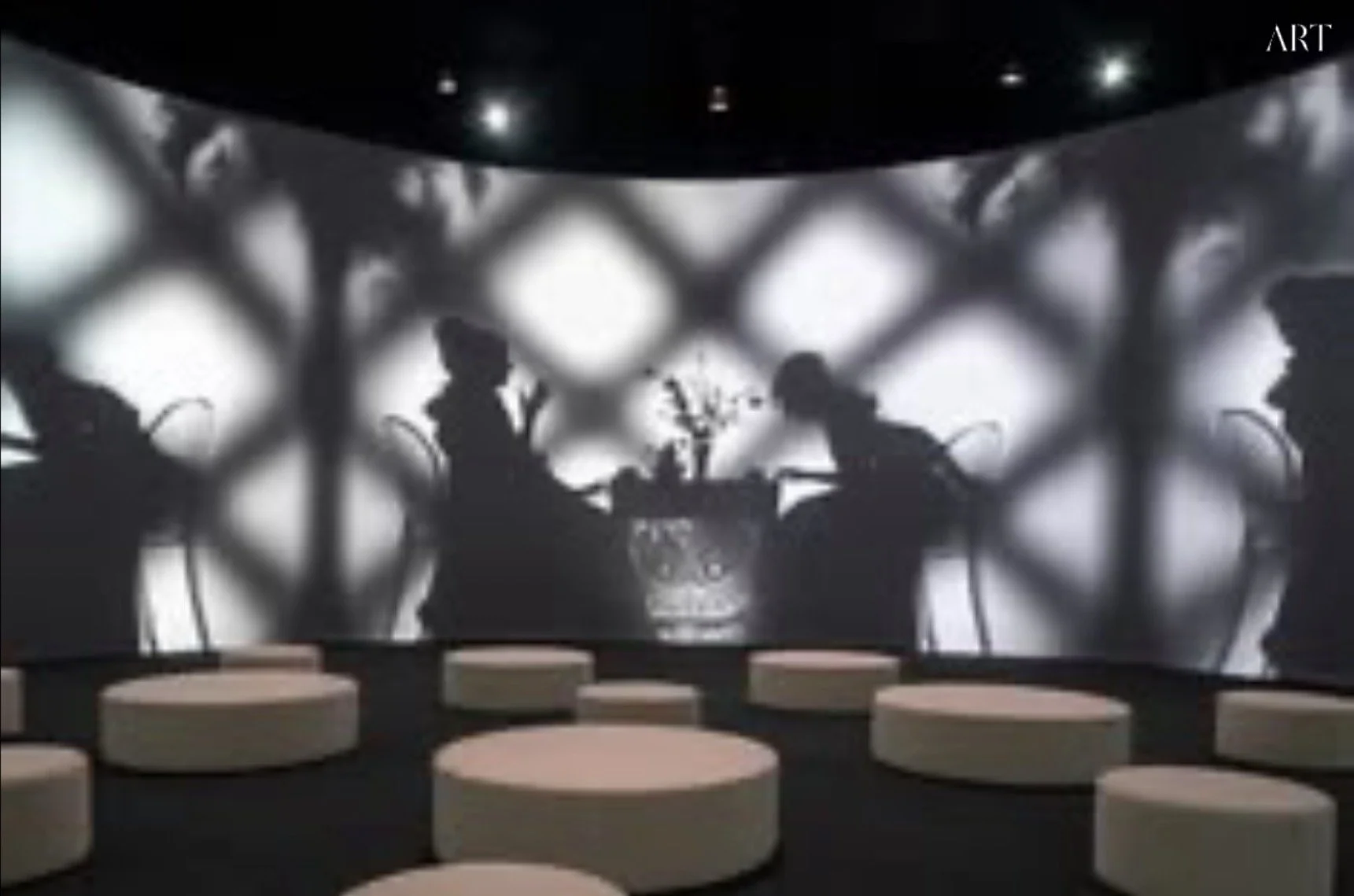
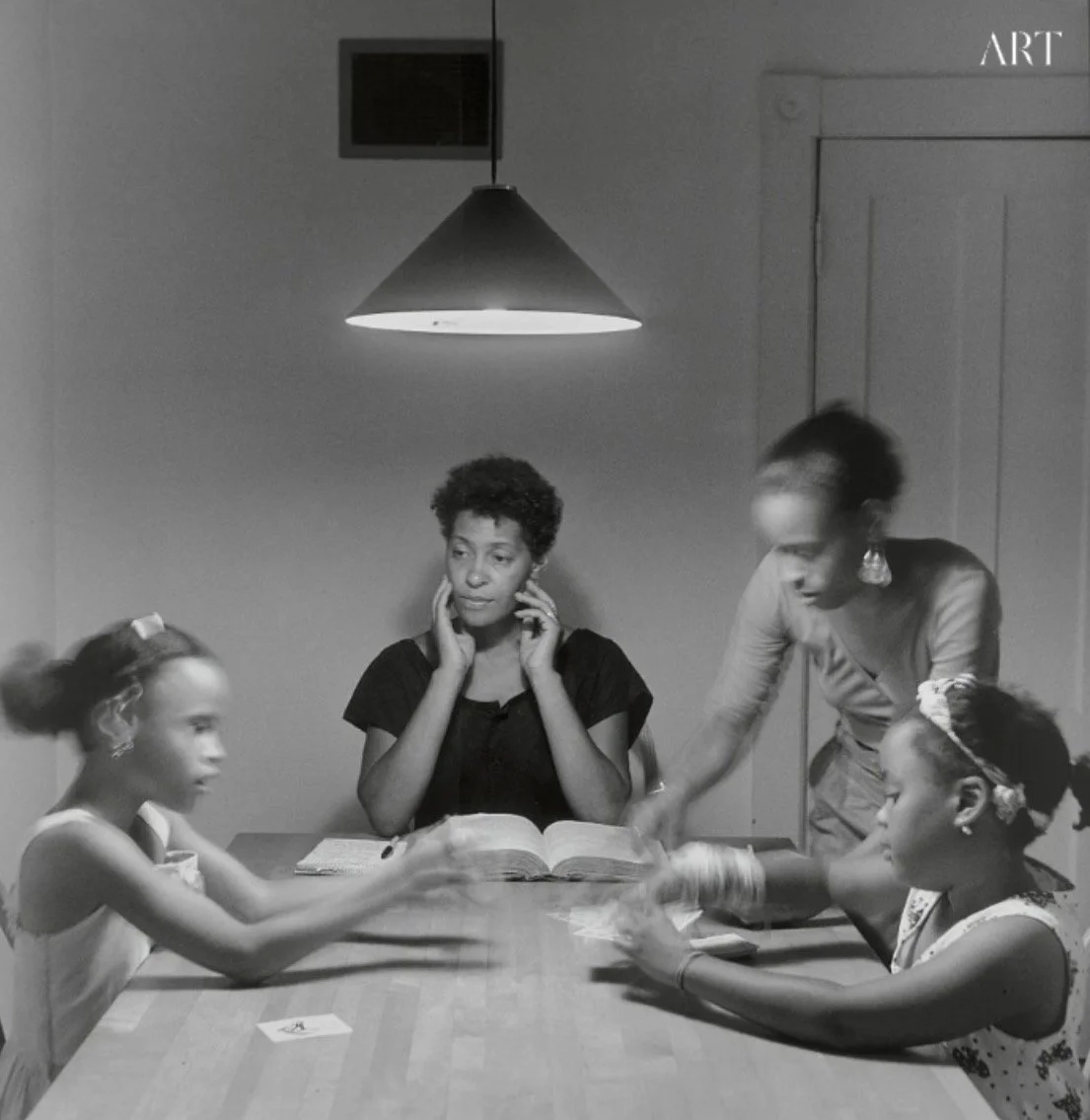
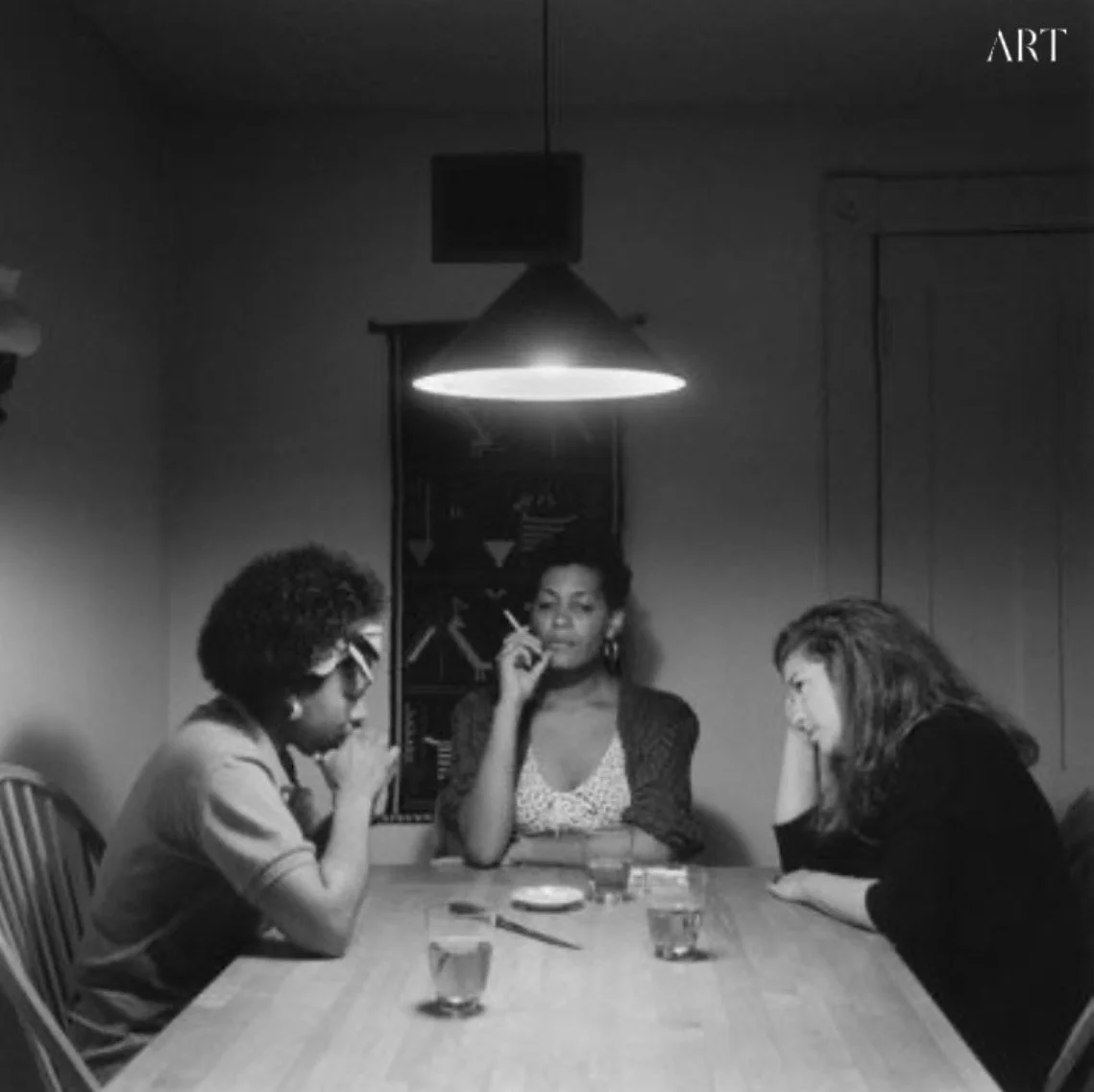
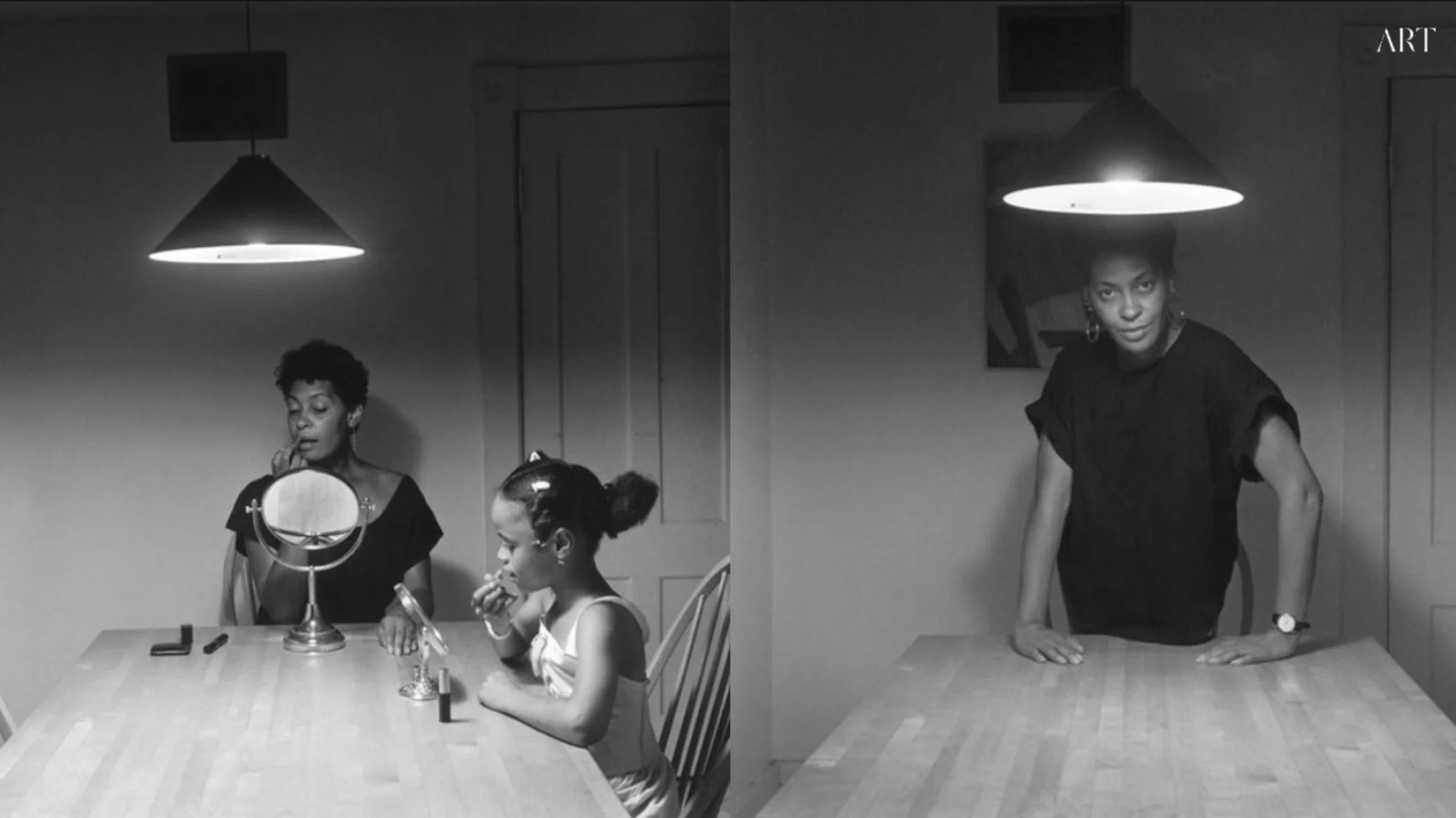
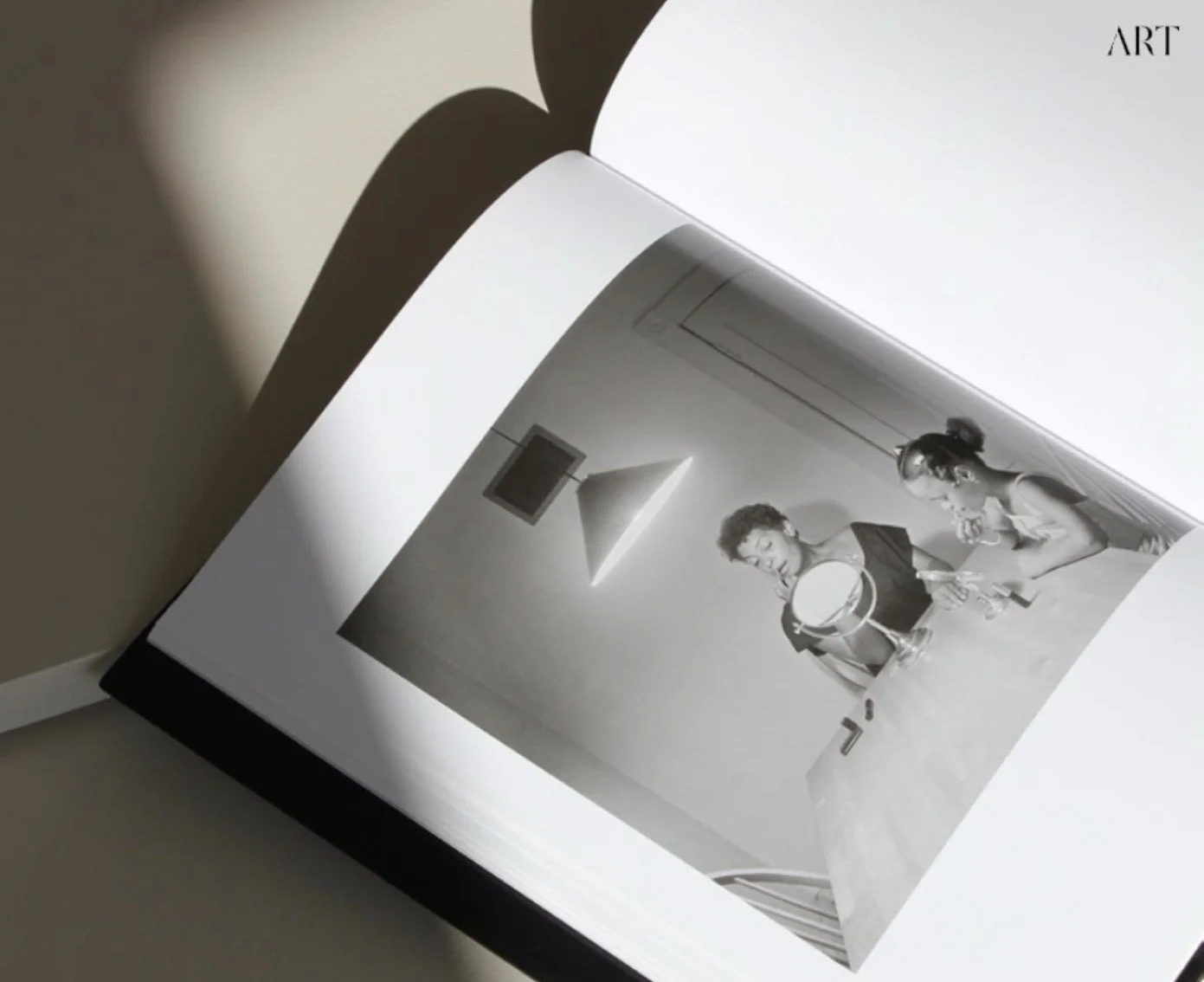
Carrie Mae Weems made the Kitchen Table Series between 1990 and 1992 in her own kitchen in Syracuse, New York, using a single light source suspended over a single table and a rotating cast of subjects - herself, a man, a girl, friends — in a narrative sequence that traces the dynamics of domestic life, love, power, loneliness, and the specific quality of what a kitchen table holds over time. The series is twenty images and twenty accompanying texts. It is among the five or ten most significant bodies of work in American photography and is the work by which she is most known, which is a problem in the sense that it has made it possible to know her work without knowing her work.
She was born in Portland, Oregon, in 1953 and studied photography at the California Institute of the Arts and folklore at Berkeley. The folklore studies are not a biographical detail. They are part of the intellectual architecture of her practice: the understanding of how communities construct and transmit their own stories, how oral tradition works, how the official record of a culture differs from the lived record, and what photographic practice can do when it is positioned inside rather than outside the community it depicts.
The work she has made since the Kitchen Table Series is as formally ambitious and as politically specific, and it is less well known in a way that the art world's capacity to fix a practice at its most recognisable moment tends to produce. The From Here I Saw What Happened and I Cried series -which appropriates nineteenth and twentieth century photographs of Black Americans, many from archives that used them as anthropological evidence, and rephotographs them with text overlaid on the surface that reframes the relationship between subject and viewer - is the most direct available confrontation with what photographic archives have historically done to Black bodies.
The Roaming series, made during extended periods of travel through Rome, engaged with the specific quality of a Black American woman moving through the canonical spaces of European art history - the Forum, the Colosseum, the Vatican - and the relationship between the prestige of those spaces and the exclusion they had historically practised. The images have the specific quality of being both formally beautiful and politically charged in ways that are not in competition: the beauty is not decoration for the politics, and the politics is not the explanation for the beauty. They are the same formal intelligence applied to a subject with both dimensions.
Her public work - which includes large-scale projections on the sides of buildings in multiple cities, installations in airports and public squares, and the opera Past Tense, commissioned by the Portland Art Museum and performed in collaboration with the Oregon Symphony - has extended the reach of her practice beyond the gallery in ways that few artists working in photography have attempted at this scale.
She is represented by Jack Shainman Gallery in New York and by Galerie Barbara Thumm in Berlin. She received the MacArthur Fellowship in 2013 and the US Department of State Medal of Arts in 2015. The auction market for her work has been consistently active over the past five years, with prints from the Kitchen Table Series achieving significant prices at Sotheby's
The work she has made since the Kitchen Table Series is as formally ambitious and as politically specific, and it is less well known in a way that the art world's capacity to fix a practice at its most recognisable moment tends to produce. The From Here I Saw What Happened and I Cried series - which appropriates nineteenth and twentieth century photographs of Black Americans, many from archives that used them as anthropological evidence, and rephotographs them with text overlaid on the surface that reframes the relationship between subject and viewer - is the most direct available confrontation with what photographic archives have historically done to Black bodies.
The Roaming series, made during extended periods of travel through Rome, engaged with the specific quality of a Black American woman moving through the canonical spaces of European art history - the Forum, the Colosseum, the Vatican - and the relationship between the prestige of those spaces and the exclusion they had historically practised. The images have the specific quality of being both formally beautiful and politically charged in ways that are not in competition: the beauty is not decoration for the politics, and the politics is not the explanation for the beauty. They are the same formal intelligence applied to a subject with both dimensions.
Her public work - which includes large-scale projections on the sides of buildings in multiple cities, installations in airports and public squares, and the opera Past Tense, commissioned by the Portland Art Museum and performed in collaboration with the Oregon Symphony - has extended the reach of her practice beyond the gallery in ways that few artists working in photography have attempted at this scale.
She is represented by Jack Shainman Gallery in New York and by Galerie Barbara Thumm in Berlin. She received the MacArthur Fellowship in 2013 and the US Department of State Medal of Arts in 2015. The auction market for her work has been consistently active over the past five years, with prints from the Kitchen Table Series achieving significant prices at Sotheby's and Christie's.
The specific recommendation: find From Here I Saw What Happened and I Cried in person if at all possible - the text is applied to the surface of the print in a way that reproduction cannot communicate.
Then find the Kitchen Table Series. Look at it again if you have already seen it. It has more in it than it had the last time.
BY OONA CHANEL
